Understanding North Dakota Workers Compensation Requirements
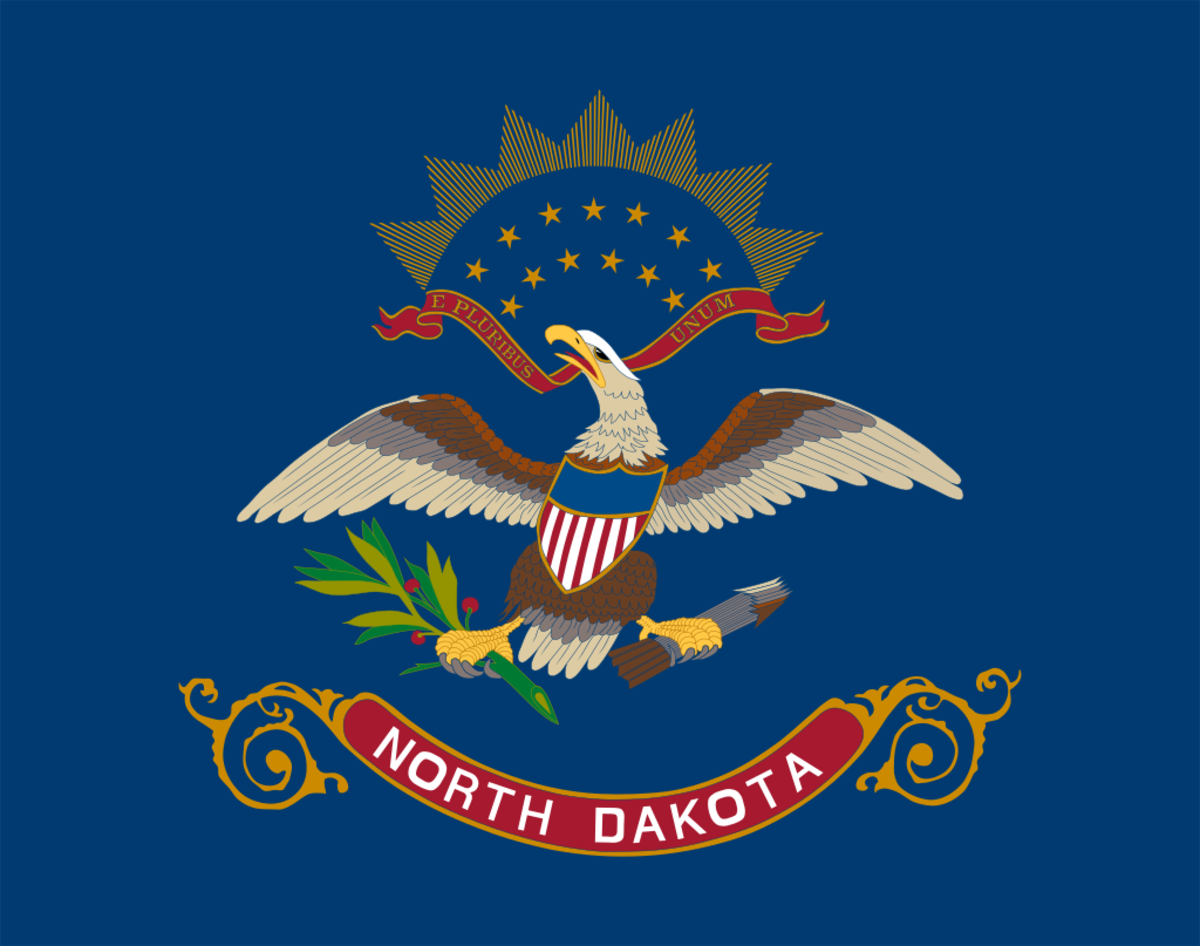
In North Dakota, workers' compensation is a mandatory, monopolistic system managed exclusively by Workforce Safety & Insurance (WSI). All employers with at least one employee must secure coverage through this state fund, as private ins...
In North Dakota, workers' compensation is a mandatory, monopolistic system managed exclusively by Workforce Safety & Insurance (WSI). All employers with at least one employee must secure coverage through this state fund, as private insurance is prohibited. This system provides no-fault medical and wage benefits while protecting employers from most civil litigation.
Contents
The Monopolistic System: How North Dakota Differs
North Dakota is one of only four states in the U.S.—alongside Ohio, Washington, and Wyoming—that operates a monopolistic workers' compensation system. This means the state government acts as the sole provider of workers' compensation insurance. In 2026, North Dakota continues to utilize Workforce Safety & Insurance (WSI) as the exclusive agency for all aspects of the program, including policy issuance, premium collection, and claim adjudication.
Unlike most other states, North Dakota does not allow private insurance companies to sell workers' compensation policies. Furthermore, employers are not permitted to "self-insure," regardless of their size or financial stability. This centralized structure is designed to provide a "Grand Bargain": employees receive guaranteed benefits for work-related injuries without having to prove employer negligence, and in exchange, employers receive "exclusive remedy" protection, which generally shields them from lawsuits related to workplace injuries.
Who is Required to Carry Coverage?
The general rule in North Dakota is broad: any person or entity that employs one or more individuals must carry workers' compensation insurance through WSI. The definition of an "employee" is interpreted widely to ensure maximum protection for the workforce.
Definition of an Employee
Under North Dakota law, an employee is generally defined as any person engaged in the service of an employer under any appointment or contract of hire. This includes:
- Full-time and part-time workers.
- Seasonal and temporary workers.
- Minors, regardless of whether they are legally or illegally employed.
- Aliens (non-citizens).
- Executive officers of a corporation.
Independent Contractor vs. Employee
Determining whether a worker is an independent contractor or an employee is a critical compliance step for North Dakota businesses. Misclassifying a worker can lead to significant back-premiums and penalties. WSI uses the "Common Law Test" and the "Relative Nature of the Work Test" to determine status. Generally, if the employer has the right to control the means and methods of the work, the individual is an employee. Key factors include:
- Direction and Control: Who decides when, where, and how the work is performed?
- Equipment and Supplies: Does the worker provide their own tools, or does the employer supply them?
- Method of Payment: Is the worker paid by the hour (suggesting employee status) or by the project (suggesting contractor status)?
- Integration: Is the work performed an integral part of the employer’s regular business operations?
Key Exemptions and Voluntary Coverage
While the mandate is extensive, North Dakota Century Code provides specific exemptions. It is important to note that even if a worker is exempt, the employer can often choose to provide voluntary coverage to protect against potential liability.
Common Exemptions
- Agricultural Workers: Most agricultural labor is exempt. However, this does not apply to commercial operations such as grain elevators or commercial feedlots.
- Domestic Servants: Workers hired for private household services are generally exempt.
- Casual Employment: This refers to work that is both occasional and not in the regular course of the employer's business.
- Certain Family Members: Services performed by a spouse or a child under the age of 18 for a parent-employer are often exempt unless the employer elects coverage.
- Real Estate Agents: Certain licensed real estate brokers or salespersons working on a commission basis may be exempt.
Sole Proprietors and Partners
Sole proprietors, partners, and members of an LLC are not automatically covered by a WSI policy. However, they may choose to purchase optional "Personal Coverage" for themselves. This is highly recommended for business owners in high-risk industries like construction or oil and gas, as their health insurance may exclude work-related injuries.
Employer Requirements and Compliance Summary
The following table outlines the primary requirements for different classes of workers and the associated compliance actions in 2026.
| Worker Category | Coverage Requirement | Action Required by Employer |
|---|---|---|
| Standard Employees | Mandatory | Must report payroll and pay premiums to WSI. |
| Corporate Officers | Mandatory | Included in payroll reports unless specifically excluded by law. |
| Sole Proprietors | Optional | Must submit an application for Personal Coverage if desired. |
| Independent Contractors | Exempt (if verified) | Verify status via WSI criteria to avoid misclassification. |
| Out-of-State Workers | Variable | Apply for extraterritorial coverage if working temporarily in ND. |
| Agricultural Labor | Optional | Most are exempt but can be covered voluntarily. |
The Application and Premium Process
In 2026, the process for establishing and maintaining a policy with WSI remains a structured, annual cycle. Employers must stay diligent with reporting to remain in "good standing."
Registering for an Account
New businesses must apply for a WSI account before hiring their first employee. The application requires basic business information, federal employer identification numbers (FEIN), and an estimate of the first year's payroll categorized by classification codes. WSI uses these codes to determine the risk level of the work and set the initial premium rate.
Annual Payroll Reporting
Every year, employers are required to file an annual payroll report. This report compares the actual payroll paid during the prior period against the estimates provided. If the actual payroll was higher, the employer pays the difference; if lower, a credit is issued toward the next period.
Premium Calculation
Premiums are calculated based on three main factors:
- Classification Rate: A rate assigned to the type of work performed (e.g., clerical office work has a much lower rate than roofing).
- Payroll: The total gross wages paid to employees, subject to the state's maximum payroll cap.
- Experience Rating: A multiplier based on the employer's individual claims history. Safe employers with fewer claims receive a "credit" (lower premium), while those with frequent or high-cost claims receive a "debit" (higher premium).
Extra-Territorial Coverage and Reciprocity
North Dakota's geography and its role in the energy and agricultural sectors mean that workers often cross state lines. This creates "extra-territorial" issues.
If a North Dakota-based employer sends an employee to work temporarily in another state (such as Minnesota or Montana), the North Dakota WSI policy generally covers that employee for up to one year, provided the work is incidental to their North Dakota employment. However, North Dakota has specific reciprocity agreements with surrounding states. Employers must notify WSI when employees are working outside the state to ensure coverage is recognized and to avoid being forced to buy additional policies in those jurisdictions.
Conversely, out-of-state employers bringing workers into North Dakota must typically secure a North Dakota WSI policy for the duration of the work performed within the state, unless a specific reciprocity agreement applies.
Penalties for Non-Compliance
Operating without workers' compensation insurance in North Dakota is a serious offense with severe financial and legal consequences.
- Fines and Back-Premiums: WSI can assess penalties equal to the premiums that should have been paid, plus significant interest and administrative fines.
- Stop-Work Orders: WSI has the authority to issue a stop-work order, effectively shutting down the business until coverage is secured and penalties are paid.
- Personal Liability: If an uninsured employer has a worker injured on the job, the employer is personally liable for all medical costs and wage loss benefits. Because WSI is a monopolistic fund, the "exclusive remedy" protection is forfeited if the employer is uninsured. This allows the injured worker to sue the employer in civil court for damages, including pain and suffering.
- Criminal Charges: Intentional failure to secure coverage can result in criminal prosecution under North Dakota Century Code Section 65-04-33.
Benefits Provided to Injured Workers
The North Dakota workers' compensation system is designed to provide comprehensive care for employees while controlling costs for employers. Benefits generally fall into four categories:
- Medical Benefits: WSI pays for all "reasonable and necessary" medical treatment related to the work injury. There are no deductibles or co-pays for the employee.
- Wage Loss (Disability): If a doctor determines a worker cannot return to work, WSI provides Temporary Total Disability (TTD) benefits, typically calculated at two-thirds of the worker's average weekly wage, subject to state maximums.
- Vocational Rehabilitation: If an injury prevents a worker from returning to their previous occupation, WSI may provide retraining or job placement services to help them enter a new field.
- Permanent Impairment: If an injury results in a permanent loss of function (such as loss of a limb or permanent spinal damage), the worker may be entitled to a Permanent Partial Impairment (PPI) award.
Safety Programs and Premium Discounts
WSI heavily emphasizes workplace safety and offers several programs that allow employers to reduce their premiums. By 2026, these programs have become sophisticated, data-driven initiatives.
- Safety Management Program (SMP): A program designed for smaller employers to help them develop and implement basic safety protocols. Completion can lead to a 5% premium discount.
- Risk Management Program (RMP): A more advanced program for larger employers that involves in-depth safety audits and loss-control measures. Successful participation can result in discounts of up to 15%.
- Safety Incentive Programs: Employers can earn additional credits by maintaining a drug-free workplace or by implementing "Return-to-Work" programs that help injured employees transition back to light-duty tasks as they recover.
Frequently Asked Questions
Does a North Dakota business need coverage if they only have one part-time employee? Yes. North Dakota law requires workers' compensation coverage for any employer with one or more employees, regardless of whether those employees are full-time, part-time, or seasonal. There is no minimum payroll threshold to trigger the requirement.
Can I use my out-of-state workers' comp policy for a project in North Dakota? Generally, no. Because North Dakota is a monopolistic state, it does not recognize private insurance from other states. If you are an out-of-state employer performing work in North Dakota, you must typically open an account with WSI and pay premiums on the payroll earned while your employees are physically working within the state.
How does WSI determine if someone is a "contractor" instead of an "employee"? WSI applies a multi-factor test focusing on the "right to control." If you provide the tools, set the hours, and supervise the daily tasks, the person is likely an employee. If the worker has their own business identity, works for multiple clients, and uses their own equipment, they may qualify as an independent contractor. Using the WSI Employment Status Worksheet is the best way to verify this.
Are remote workers covered under North Dakota WSI? If a company is based in North Dakota and employs remote workers living in North Dakota, they must be covered. If a North Dakota company has remote workers living in other states, the employer must generally comply with the workers' compensation laws of the state where the employee is physically located, which may involve purchasing private insurance in that jurisdiction.
What happens if an employee is injured while working under the influence? In North Dakota, benefits may be denied if the injury was caused by the employee's voluntary intoxication from alcohol or illegal use of controlled substances. WSI and employers have the right to request post-accident drug and alcohol testing if there is reasonable cause to believe impairment contributed to the injury.
Is "exclusive remedy" absolute in North Dakota? While "exclusive remedy" is a cornerstone of the system, it is not absolute. An employer can still be sued if the injury was caused by an "intentional act" with the specific intent to injure. Additionally, if the employer fails to maintain WSI coverage, they lose the protection of the exclusive remedy and can be sued in civil court.
Final Recommendation: Employers operating in North Dakota should immediately verify their account status with Workforce Safety & Insurance (WSI) before commencing any work. Given the monopolistic nature of the state, any policy purchased from a private carrier will not satisfy legal requirements. Utilize the WSI "Safety Management Program" to not only ensure compliance but also to secure premium discounts that can significantly reduce the long-term cost of doing business in the state.
Image Gallery