The Enchanted Wood Movie: Everything to Know About the Magic Faraway Tree Film
The Enchanted Wood movie, officially titled The Magic Faraway Tree, is a major live-action adaptation of Enid Blyton’s beloved children’s book series. Directed by Ben Gregor and written by Simon Farnaby, the film stars Andrew Garfield...
The Enchanted Wood movie, officially titled The Magic Faraway Tree, is a major live-action adaptation of Enid Blyton’s beloved children’s book series. Directed by Ben Gregor and written by Simon Farnaby, the film stars Andrew Garfield and Claire Foy, bringing the whimsical world of Moon-Face and Silky to modern audiences in 2026.
Contents
For decades, the stories of the Faraway Tree have captivated children worldwide, yet a high-budget cinematic adaptation remained elusive until now. As of 2026, the production has transitioned from a long-gestating development phase into a cornerstone of family cinema. This project, spearheaded by Elysian Film Group and Neal Street Productions, represents one of the most ambitious attempts to translate Blyton’s mid-20th-century magic into a contemporary visual medium.
While often searched for as "The Enchanted Wood movie" (the title of the first book in the series), the film encompasses the broader world of the Faraway Tree saga. This guide provides a comprehensive overview of the production, the star-studded cast, the narrative changes made for modern audiences, and the technical artistry required to bring "The Enchanted Wood" to life.
The Evolution from Page to Screen
The journey of The Enchanted Wood to the big screen began in earnest when Simon Farnaby, the acclaimed screenwriter behind Paddington 2 and Wonka, signed on to adapt the material. Farnaby’s involvement was a critical turning point, as his previous work demonstrated a unique ability to preserve the "innocent wonder" of classic British literature while injecting enough humor and pacing to satisfy modern viewers.
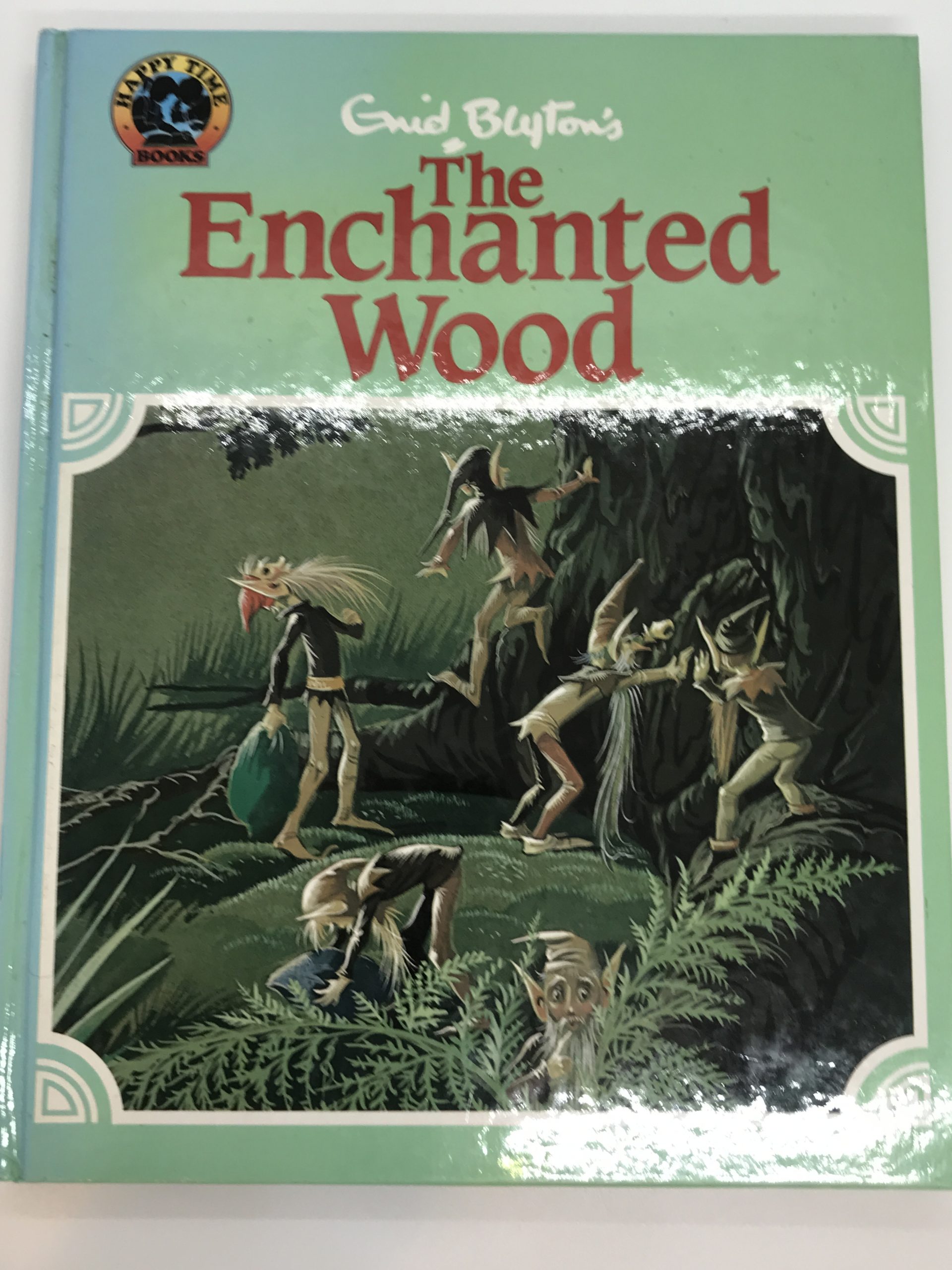
Enid Blyton published The Enchanted Wood in 1939, followed by The Magic Faraway Tree (1943) and The Folk of the Faraway Tree (1946). The movie primarily draws from the first two volumes, establishing the move of the Thompson family to the countryside. In the original texts, the children were named Jo, Bessie, and Fanny; however, to better suit contemporary sensibilities, the film identifies the family as the Thompsons, with the parents (played by Andrew Garfield and Claire Foy) taking a more central emotional role in the narrative.
The production was handled by Neal Street Productions, the company founded by Sam Mendes, Pippa Harris, and Nicolas Brown. Their involvement ensured that the film would not be a low-budget children's feature but rather a high-production-value fantasy epic. Filming officially commenced in mid-2024 in the United Kingdom, utilizing a mix of practical forest locations and advanced soundstages to create the towering, magical tree that serves as the story's heart.
The Star-Studded Cast and Characters
One of the most discussed aspects of the movie is its ensemble cast, which blends Hollywood heavyweights with rising stars and comedy icons. The casting reflects a commitment to the "prestige family film" genre, similar to the casting strategy used in the Harry Potter or Paddington franchises.
The Thompson Family
At the center of the story are Andrew Garfield (Tim) and Claire Foy (Polly). Their characters are forced to move their children to the remote British countryside due to various domestic pressures. Garfield, known for his range in both blockbusters and indie dramas, brings a grounded warmth to the father figure, while Foy provides the emotional anchor of the family. The children—Beth, Joe, and Fran—serve as the audience’s avatars, discovering the Enchanted Wood and the Faraway Tree for the first time.
The Inhabitants of the Tree
The magical beings living within the tree are brought to life through a combination of prosthetics and performance capture:
- Moon-Face: Played by Nonso Anozie, Moon-Face is the iconic resident of the highest branches. Anozie’s imposing physical presence combined with a gentle, jovial performance provides the necessary gravitas for the tree’s unofficial guardian.
- Silky the Fairy: Nicola Coughlan portrays Silky. Known for her expressive comedic timing, Coughlan captures the ethereal yet mischievous nature of the fairy who befriends the children.
- The Saucepan Man: Dustin Demri-Burns takes on this eccentric role. The character, famous for being draped in pots and pans and being slightly hard of hearing, provides much of the film’s physical comedy.
- Dame Washalot: Played by Jessica Gunning, the character who perpetually pours wash-water down the tree is reimagined with a humorous, slightly formidable edge.
- Mr. Oom Boom Broom: Mark Heap brings his signature eccentric energy to this peculiar resident of the magical branches.
| Character | Actor | Role in the Movie |
|---|---|---|
| Tim Thompson | Andrew Garfield | The father who moves the family to the countryside. |
| Polly Thompson | Claire Foy | The mother seeking a fresh start for her children. |
| Moon-Face | Nonso Anozie | The round-faced leader of the tree's inhabitants. |
| Silky | Nicola Coughlan | A kind fairy and close friend to the children. |
| Saucepan Man | Dustin Demri-Burns | An eccentric man covered in kitchenware. |
| Dame Washalot | Jessica Gunning | A resident who lives further up the tree. |
| Mr. Watzisname | Richard E. Grant | A mysterious, sleeping inhabitant of the tree. |
Exploring the Lands at the Top of the Tree
The central conceit of "The Enchanted Wood" is that the Faraway Tree is so tall its highest branches reach into the clouds. These clouds rotate, bringing different "Lands" to the top of the tree at various intervals. The movie 2026 adaptation focuses on several key lands to showcase the visual effects capabilities of modern cinema.
The Land of Spells
This land serves as one of the primary visual spectacles of the film. It is a place where magic is unpredictable, and gravity is a suggestion rather than a rule. The production designers used a "maximalist" approach here, filling the screen with shifting colors and impossible architecture.
The Land of Birthdays
A fan favorite from the books, the Land of Birthdays is depicted as a giant, interactive party. This segment of the movie highlights the film's lighter side, focusing on the joy and wish-fulfillment that Blyton’s original stories promised.
The Land of Topsy-Turvy
In this land, everything is upside down. Filming these sequences required complex wire-work and rotating sets. The Land of Topsy-Turvy acts as a mid-film hurdle for the children, testing their problem-solving skills and providing a surrealist break from the more traditional "forest" aesthetic of the earlier acts.
Technical Specifications and Production Design
Creating the Faraway Tree itself was the greatest technical challenge for the crew. Rather than relying entirely on Computer-Generated Imagery (CGI), the production team built large-scale practical sets for the lower trunk and the various dwellings (such as Moon-Face’s round house).
- Directing Vision: Ben Gregor, known for his work on Britannia and Cuckoo, opted for a visual style that blends "English pastoral" with "surrealist fantasy." The goal was to make the Enchanted Wood feel like a real place that could exist just beyond the edge of a normal forest.
- Visual Effects (VFX): The VFX were handled by leading studios specializing in creature design. The challenge lay in making characters like the Saucepan Man look believable without losing the whimsical, slightly absurd nature of the book's illustrations.
- The Score: The film features an orchestral score designed to evoke the classic "Amblin-style" family movies of the 1980s—sweeping, melodic, and emotionally resonant.
- Cinematography: Using natural lighting for the "real world" scenes and increasingly saturated, vibrant palettes as the characters move higher up the tree, the cinematography creates a visual hierarchy of magic.
Differences Between the Book and the Movie
As with any adaptation, The Magic Faraway Tree (2026) makes specific changes to the source material to fit a cinematic structure.
- Family Motivation: In the original 1939 book, the move to the country is simply a change of scenery. In the movie, there is a more defined "fish out of water" arc for the parents, Tim and Polly, as they struggle to adapt to rural life before embracing the magic of the woods.
- Modern Sensibilities: Certain outdated elements from the early 20th-century text have been smoothed over. The children have more agency, and the female characters (both human and magical) are given more prominent, active roles in the plot’s resolution.
- The Villain Arc: While the books are largely episodic, the film introduces a more cohesive narrative thread involving a threat to the tree itself, necessitating a climax where the children and the residents must work together to save their home.
Frequently Asked Questions
Is "The Enchanted Wood" the same as "The Magic Faraway Tree"?
Yes, The Enchanted Wood is the title of the first book in the series by Enid Blyton. The 2026 movie is officially titled The Magic Faraway Tree, but it covers the events and characters introduced in The Enchanted Wood.
Where was the movie filmed?
The film was primarily shot in the United Kingdom. Locations included ancient woodlands in the Home Counties for the forest scenes, while the interior of the Faraway Tree and the various magical lands were filmed at Shinfield Studios in Reading.
Is the movie suitable for very young children?
The film is designed as a "PG" (Parental Guidance) rated family feature. While it contains moments of peril and magical tension, it avoids dark or graphic content, staying true to the whimsical and safe spirit of Enid Blyton’s original writing.
Who wrote the screenplay for the film?
The screenplay was written by Simon Farnaby. He is widely regarded as one of the best contemporary writers for family cinema, having penned the scripts for Paddington 2 and the 2023 Wonka film.
Is there a sequel planned?
Given that there are three primary books in the original series (The Enchanted Wood, The Magic Faraway Tree, and The Folk of the Faraway Tree), the production companies have expressed interest in a trilogy, though this depends on the commercial performance of the first installment.
Final Recommendations for Viewers
If you are planning to watch The Magic Faraway Tree (the Enchanted Wood movie), the best way to prepare is to revisit the original 1939 text. While the film stands alone as a modern fantasy adventure, the "Easter eggs" and character nuances—particularly the portrayal of the Saucepan Man—are much more rewarding for those familiar with Blyton's world. For families, this film serves as an excellent entry point into classic British fantasy literature, bridging the gap between old-fashioned storytelling and cutting-edge visual effects.
Image Gallery