Choosing the Dog Flight Carrier for Safe Travel: A Comprehensive Guide
Selecting the appropriate dog flight carrier is the most critical decision for pet owners planning air travel, as the crate serves as your pet’s primary security, comfort, and compliance vessel. To ensure a safe journey, you must prior...
Selecting the appropriate dog flight carrier is the most critical decision for pet owners planning air travel, as the crate serves as your pet’s primary security, comfort, and compliance vessel. To ensure a safe journey, you must prioritize structural integrity, ventilation, and strict adherence to the International Air Transport Association (IATA) Live Animals Regulations (LAR), which serve as the global standard for the carriage of animals by air.
Contents
Understanding Regulatory Requirements for Air Travel
Before purchasing a carrier, you must determine whether your dog will travel in the cabin or as checked baggage in the cargo hold. Airlines maintain rigid policies regarding carrier dimensions, weight limits, and construction materials.
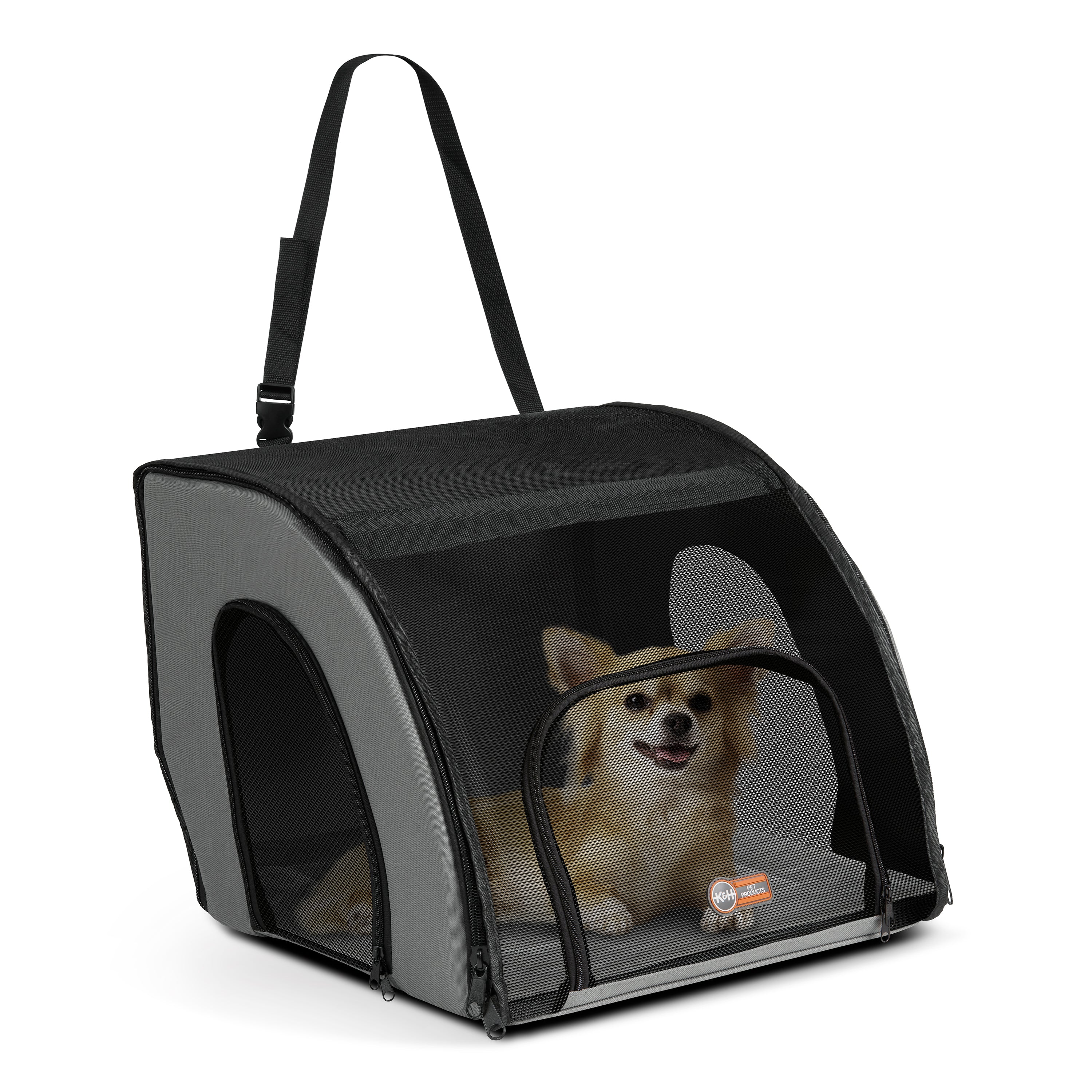
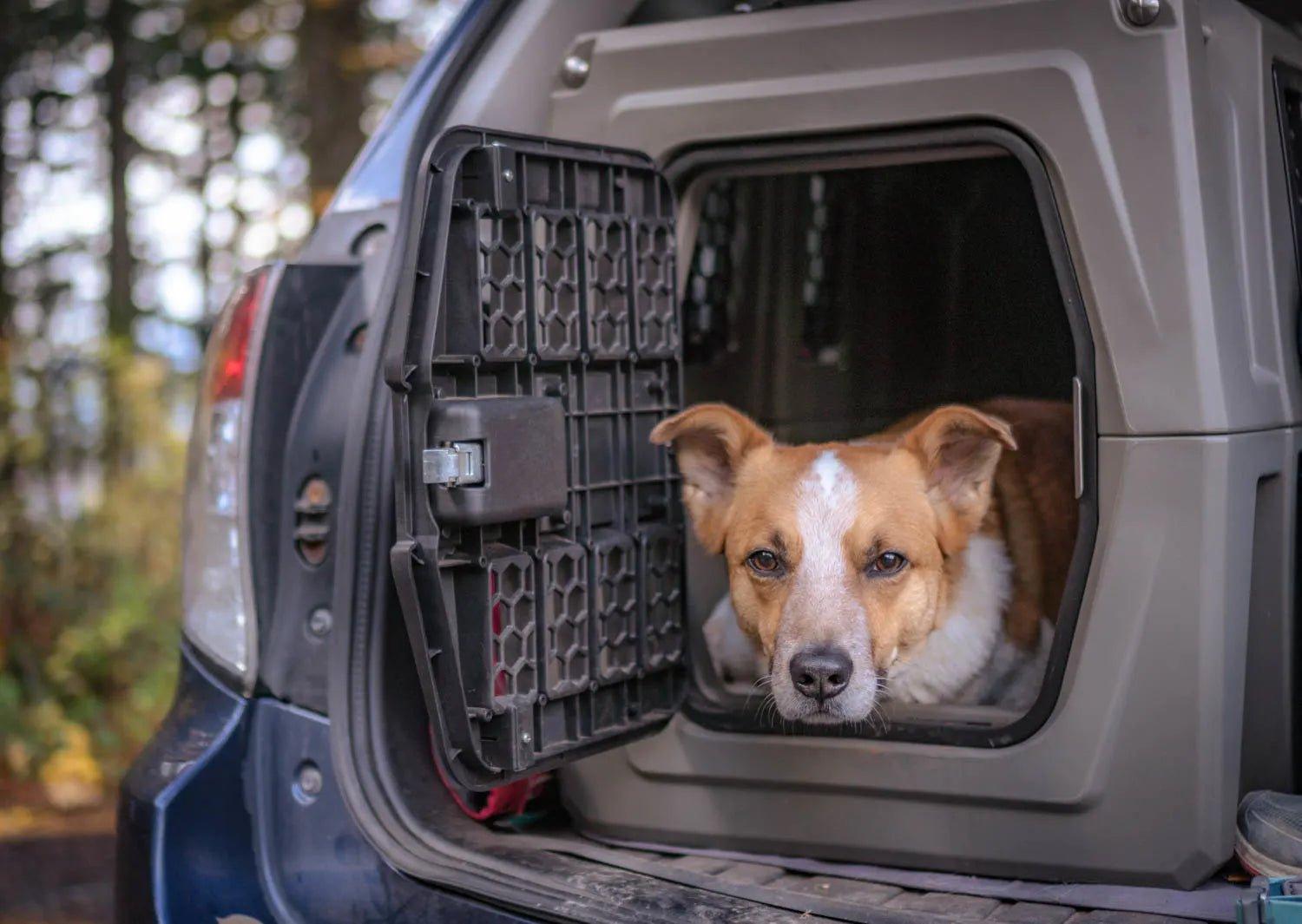
For in-cabin travel, the carrier must typically be a soft-sided, leak-proof bag that fits entirely under the seat in front of you. Because space is restricted, these carriers must be flexible enough to compress slightly without compromising the animal's space. Conversely, for cargo hold travel, regulations are significantly more stringent. You must use a rigid, hard-sided container made of impact-resistant plastic, metal, or wood, featuring secure, non-locking latches that cannot be accidentally opened during transit.
IATA Compliance and Standardization
The IATA LAR provides the blueprint for safe animal transportation. Regardless of the airline, your chosen kennel must meet these minimum requirements:
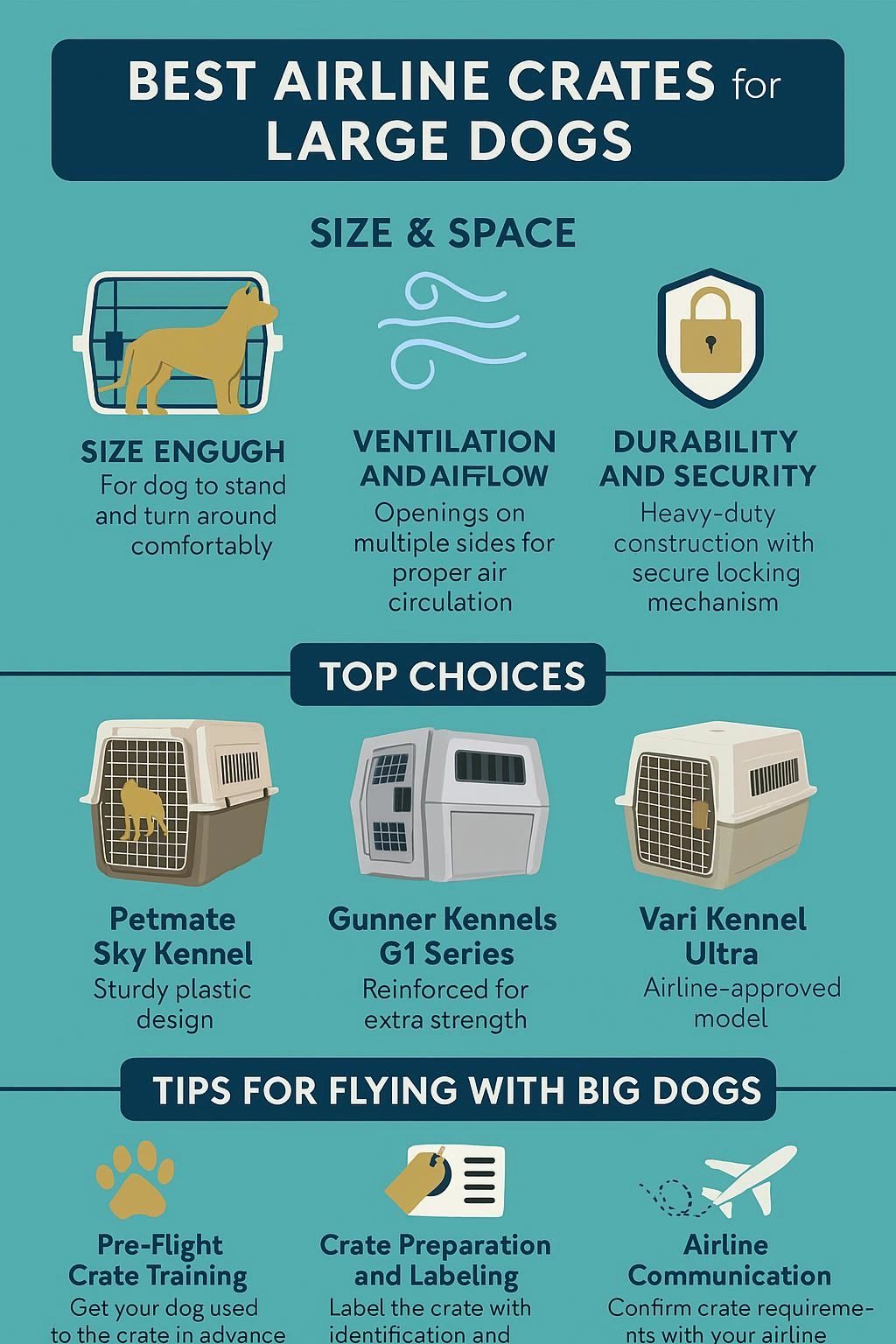
- Space to Move: The dog must be able to stand up, turn around, and lie down in a natural position without touching the sides or ceiling of the crate.
- Ventilation: Containers must have ventilation openings on at least three sides (for domestic travel) or four sides (for international travel), ensuring a constant flow of fresh air.
- Secure Fasteners: Doors must be locked with non-spring-loaded, metal hardware. Plastic clips or zip ties are often prohibited or require supplemental bolting to ensure the door cannot be jarred open.
- Leak-Proof Base: The floor must be solid and absorbent, typically covered with a layer of bedding or specialized absorbent pads.
Comparing Carrier Types: Soft-Sided vs. Hard-Sided
Choosing between soft-sided and hard-sided carriers depends entirely on the size of your dog and the airline’s transport category for your pet.
| Feature | Soft-Sided Carrier | Hard-Sided (IATA) Crate |
|---|---|---|
| Primary Use | In-cabin, small breeds | Cargo, checked baggage, large breeds |
| Material | Nylon, polyester, mesh | Impact-resistant plastic, metal |
| Flexibility | Collapsible, fits under seats | Rigid, provides structural protection |
| Security | Zippered closures | Bolt-secured metal doors |
| Weight Limit | Typically under 20 lbs (dog + bag) | Varies; based on structural load |
The Criticality of Material Quality
When choosing a hard-sided crate, avoid those made of brittle, recycled plastic that may crack under pressure. High-quality carriers utilize reinforced fiberglass or heavy-duty polypropylene. Examine the screws and bolts; they should be metal-to-metal contact points. Never use snap-together crates that rely solely on plastic pegs for the upper and lower halves, as these can fail during the vibrations and handling typical of ground-to-aircraft transit.
Steps for Ensuring Safety and Comfort
Safety extends beyond the physical crate; it encompasses the internal environment and the dog's familiarity with the space.
Acclimatization
Never introduce your dog to a new carrier on the day of travel. Dogs can experience significant stress when confined in a new, high-stimulus environment like an airport. Begin crate training at least four to six weeks before your flight. Place the carrier in a common living area, line it with comfortable bedding, and encourage your dog to enter voluntarily using treats and positive reinforcement.
Essential Internal Setup
- Bedding: Use a washable, absorbent mat. Avoid thick blankets that can cause overheating, especially if the dog becomes anxious.
- Hydration: IATA regulations require that your dog has access to water. Most hard crates come with a clip-on water bowl. Attach it to the interior of the door so it can be filled from the outside without opening the crate.
- Identification: Attach a travel label to the top of the carrier with your pet’s name, your contact information, and your destination address. Include a copy of your veterinary health certificate or rabies vaccination records in a clear pouch taped to the side.
Common Mistakes to Avoid
Many pet owners inadvertently compromise safety by focusing on aesthetics or budget rather than technical requirements.
- Overestimating Size: While the dog needs room to turn around, a crate that is too large may cause the animal to slide or be tossed during turbulence. Stick to the dimensions that allow for natural, comfortable movement.
- Neglecting Door Locks: Check the door mechanism repeatedly. Many crate doors are prone to sagging over time, which can misalign the locking pins. If the door feels loose, replace the hardware immediately.
- Ignoring Airline-Specific Addendums: While IATA sets the standard, individual airlines may add "Extra Requirements." For example, some carriers mandate that pets travel only in specific types of climate-controlled cargo holds. Always verify these details with the airline’s cargo or special services department two weeks prior to your departure.
Troubleshooting and Verification
If you are unsure whether your carrier meets the requirements, perform a "dry run." Contact your airline and ask specifically for their verification procedure. Some airlines require a photo of the crate with the dog inside to ensure size compliance before they will accept a booking.
If you are using a previously owned crate, inspect it for stress fractures, missing bolts, or rusted hinges. Even small cracks in the plastic can spread under the temperature fluctuations common in aircraft holds. If you find structural damage, replace the carrier entirely. It is not worth risking your dog's safety for the cost of a new, reinforced unit.
Frequently Asked Questions (FAQ)
Can I use a mesh-style carrier for a large dog in the cabin?
No. Large dogs are almost universally required to travel in the cargo hold. Mesh carriers are intended for small, in-cabin pets that fit the airline's specific dimensions for under-seat storage. Always verify your airline's maximum weight and size limits for in-cabin pets.
Why are plastic fasteners sometimes prohibited on crates?
Standard plastic snaps or clips are prone to "pop" open if the crate is dropped or suffers an impact. IATA standards prioritize metal bolt-down fasteners because they maintain their structural integrity even if the crate is subjected to significant external force.
Should I sedate my dog for the flight?
Consult with a licensed veterinarian before considering sedation. Many airlines and the American Veterinary Medical Association (AVMA) advise against sedating pets during air travel due to risks of respiratory and cardiovascular complications at high altitudes.
What should I do if my crate doesn't have a water bowl?
If your crate lacks a dedicated water attachment, you must purchase an IATA-compliant bolt-on dish. These are designed to attach to the wire mesh of the door, ensuring water is available without requiring you to open the crate.
Is an "airline approved" sticker on a box a guarantee?
Not necessarily. The term "airline approved" is often a marketing label. Always cross-reference the dimensions and hardware requirements against the official cargo policy of the specific airline you are flying with, as they remain the final authority on what is allowed on their aircraft.
Final Recommendation
Before your travel date in 2026, document every element of your setup. Take photos of the secured crate, the attached water dish, and the identification labels. Ensure your dog is comfortable with the crate and that all hardware is tightened. If you are flying with a large dog, confirm with the airline’s cargo department that your specific model of crate meets their current safety protocols. Investing in a high-quality, IATA-compliant crate is the best way to ensure your pet arrives safely at your destination.
Image Gallery