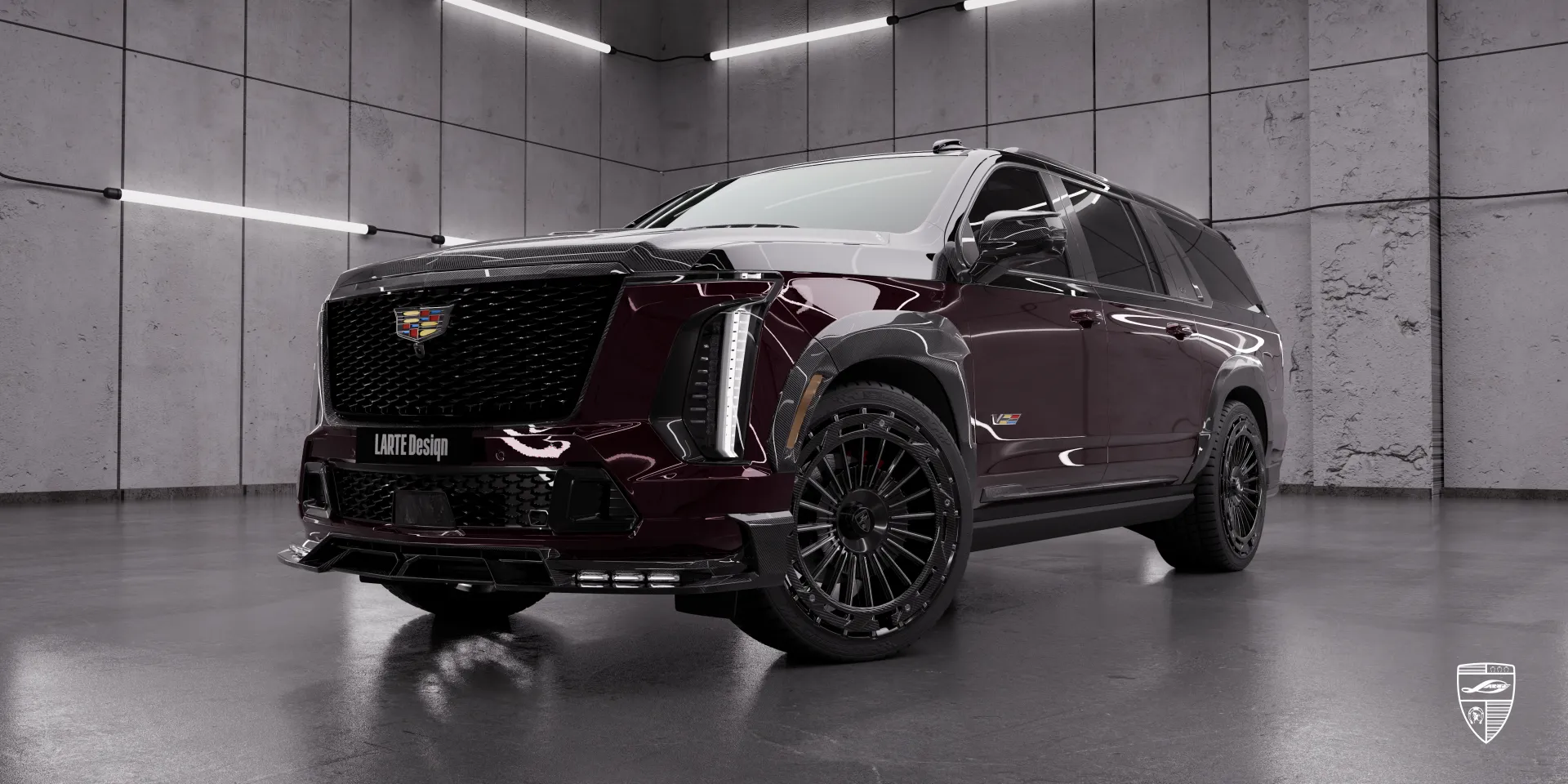
Understanding What the ESV Cadillac Meaning Tells You About Vehicle Utility
The "ESV" designation found on Cadillac Escalade models stands for "Escalade Stretch Vehicle." This suffix signifies a significant extension of the vehicle’s wheelbase and overall length compared to the standard model, providing increa...
The "ESV" designation found on Cadillac Escalade models stands for "Escalade Stretch Vehicle." This suffix signifies a significant extension of the vehicle’s wheelbase and overall length compared to the standard model, providing increased interior cargo capacity, additional third-row legroom, and enhanced utility for passengers who require maximum interior volume without transitioning to a dedicated commercial passenger van.
Contents
The Origin and Definition of ESV
In the luxury automotive market, Cadillac utilizes specific alphanumeric codes to differentiate its chassis configurations. While the base Escalade is built on a standard-length platform, the Escalade ESV is an extended-wheelbase variant designed to compete in the full-size luxury SUV segment where space is the primary commodity.
The "Stretch Vehicle" designation is not merely a marketing term; it represents a fundamental engineering change. By extending the frame and the rear doors, Cadillac creates a footprint that allows for a larger cabin footprint. For consumers, this translates to a vehicle that maintains the aesthetic and performance signatures of the standard Escalade while addressing the functional limitations of the shorter wheelbase model, specifically regarding rear-seat comfort and total load-carrying capacity.
Key Functional Differences: Standard vs. ESV
Understanding the ESV meaning requires a breakdown of how the extra length impacts daily use. The most immediate impact is on the cargo area. In a standard Escalade, the third row of seats occupies a significant portion of the rear cargo hold. When the third row is deployed, the remaining space is often insufficient for luggage for a full complement of passengers. The ESV variant provides a substantial increase in cargo volume behind the third row, which is the primary reason families and executive transport services gravitate toward this specific trim.
Comparative Dimensions
The following table highlights how the ESV configuration changes the physical constraints of the vehicle. These figures are representative of the current production standards for the full-size luxury platform.
| Feature | Standard Escalade | Escalade ESV |
|---|---|---|
| Overall Length | ~211 inches | ~227 inches |
| Wheelbase | ~120.9 inches | ~134.1 inches |
| Cargo Vol. (Behind 3rd Row) | ~25.5 cubic feet | ~41.5 cubic feet |
| Max Cargo Vol. (All seats flat) | ~121 cubic feet | ~142.8 cubic feet |
Impact on Passenger Experience
Beyond mere cargo numbers, the ESV designation tells you about the intended passenger experience. Because the wheelbase is extended by over 13 inches, the rear doors are notably longer. This increases the ease of entry and exit for passengers in the second and third rows.
For the third-row occupants specifically, the ESV offers a more comfortable ride. In the standard model, the third row is positioned close to the rear axle, which can sometimes result in a less compliant ride. The ESV’s longer wheelbase distributes the vehicle’s weight differently, often resulting in a smoother highway experience. Furthermore, the additional legroom allows for a more natural seating position, making the third row of an ESV suitable for adults on longer journeys, rather than just being an emergency seating solution for children.
Considerations for Owners and Drivers
Choosing the ESV configuration comes with specific trade-offs that every potential owner should evaluate before purchase. The primary concern is the vehicle’s physical footprint. At 227 inches in length, the ESV requires more space for parking and maneuvering. Owners living in dense urban environments or those with standard-sized residential garages may find the ESV challenging to store.
Additionally, while the powertrain—typically a high-output V8 or a Duramax turbodiesel—remains identical to the standard model, the increased curb weight of the ESV can affect handling dynamics in tight turns or high-traffic scenarios. The vehicle’s turning radius is wider, meaning more planning is required when executing U-turns or navigating narrow parking structures.
Maintenance and Operational Costs
The ESV maintains the same mechanical DNA as the standard Escalade, meaning that routine maintenance schedules, oil change intervals, and engine requirements remain consistent across both models. However, there are nuances to consider:
- Tire Wear: Due to the heavier rear end and longer wheelbase, tires on the ESV may experience different wear patterns. Regular rotations are critical to maximizing the life of the rubber.
- Body Components: Any minor collision damage involving the rear quarter panels, doors, or the extended frame may cost more to repair or source compared to the standard model, as these components are unique to the ESV chassis.
- Resale Value: Because the ESV is highly sought after by luxury transport services and large families, it often retains a different residual value profile compared to the standard model. It is often viewed as a specialty vehicle, which can lead to higher demand in specific secondary markets.
Troubleshooting and Verification
If you are currently evaluating a used Cadillac to determine if it is a true ESV, verify the Vehicle Identification Number (VIN) or check the door jamb sticker for the specific model designation. A common mistake is assuming that all "large" Cadillac SUVs are ESVs; however, the model name should clearly state "Escalade ESV."
If you experience "excessive" body lean or a lack of power when fully loaded, ensure your air-ride suspension (if equipped) is properly leveled. The ESV is designed to carry more weight, and if the air suspension system malfunctions, the vehicle’s performance will be noticeably degraded due to the increased length and load-bearing capacity.
Frequently Asked Questions
Does the ESV use a different engine than the standard Cadillac Escalade? No. Both the standard Escalade and the ESV share the same engine options, including the standard V8 and the available turbodiesel. The ESV designation is purely a chassis and body length modification; it does not denote a performance or powertrain upgrade.
Is the ESV more difficult to park than the standard Escalade? Yes. The ESV is approximately 16 inches longer than the standard Escalade. This increased length makes it more challenging to fit into compact parking spots and requires a larger turning radius, which can make navigating tight urban garages more difficult.
Can I fit more passengers in an ESV than a standard Escalade? No. Both models generally offer the same seating capacity (usually seven or eight passengers, depending on the configuration of the second row). The difference is in the space provided for those passengers and the amount of room remaining for luggage when all seats are occupied.
Does the ESV have a worse fuel economy rating? Due to the added weight of the extended frame and bodywork, the ESV is slightly heavier than the standard model. While EPA estimates are often very similar, real-world fuel consumption can be marginally higher in the ESV, especially in city driving where the vehicle's extra mass requires more energy to accelerate.
Should I buy an ESV if I don't carry many passengers? Unless you frequently need the additional cargo space behind the third row, the ESV may be overkill for your needs. The standard Escalade is easier to maneuver and park. The ESV is specifically engineered for those who consistently need a combination of maximum passenger capacity and maximum cargo space.
Final Recommendation
The ESV Cadillac meaning points to a vehicle built for maximum utility. If your priority is internal volume—whether for a growing family that needs to carry cargo alongside passengers or for professional use that requires accommodating luggage for multiple airport transfers—the ESV is the logical choice. However, if your typical usage involves solo commuting or navigating crowded city streets, the standard Escalade offers a more maneuverable and garage-friendly experience without sacrificing the Cadillac luxury standards. Assess your primary parking location and your habitual cargo needs before committing to the longer chassis.
Image Gallery