How Equity Tax Life Insurance Reshapes Wealth Planning
Equity tax life insurance transforms wealth planning by combining permanent life insurance protection with cash value growth tied to equity market performance, offering tax-deferred accumulation and tax-free distributions through polic...
Equity tax life insurance transforms wealth planning by combining permanent life insurance protection with cash value growth tied to equity market performance, offering tax-deferred accumulation and tax-free distributions through policy loans. This approach allows high-net-worth individuals and business owners to diversify tax exposure, protect estate assets, and maintain liquidity without triggering immediate capital gains or income tax liabilities.
Contents
Modern wealth planning requires navigating an increasingly complex landscape of tax laws, market volatility, and estate preservation challenges. For decades, high-net-worth individuals, entrepreneurs, and family offices have sought financial instruments that provide a safety net while simultaneously serving as dynamic engines for asset growth. Enter the concept often discussed as equity tax life insurance—a strategic application of permanent life insurance, primarily indexed universal life (IUL) or variable universal life (VUL) policies, engineered to leverage tax codes for maximum wealth accumulation and transfer.
Understanding how these financial structures operate demands a close examination of the mechanics, regulatory parameters, and strategic implementations that separate basic coverage from sophisticated wealth management tools. By integrating equity-linked cash value growth with specialized tax advantages, policyholders can construct a resilient financial fortress designed to withstand market downturns and shifting legislative environments.
Mechanics of Equity-Linked Permanent Life Insurance
To understand how equity tax life insurance reshapes wealth planning, one must first deconstruct the underlying vehicle. Unlike term life insurance, which provides temporary coverage with no savings component, permanent life insurance includes a cash value account alongside the death benefit.
In equity-indexed or variable structures, this cash value is not merely sitting in a low-yield fixed account. Instead, it is tied directly or indirectly to the performance of major financial benchmarks, such as the S&P 500.
Indexed Universal Life (IUL) Mechanisms
Indexed universal life insurance forms the backbone of many modern equity-focused wealth plans. An IUL policy credits interest based on the upward movement of a stock market index without directly investing the principal in the market.
- Participation Rates and Caps: Insurance carriers apply participation rates and caps to determine how much of the index's gain is credited to the policy. If the index rises by 10% and the cap is 8%, the policy might credit a specified percentage based on those rules.
- The 0% Floor: The most critical feature for risk-averse wealth planners is the floor. If the underlying index drops by 15% in a given year, the policy’s interest crediting rate drops to 0%, protecting the principal from market losses. This asymmetric risk profile eliminates sequence-of-returns risk during severe market downturns.
Variable Universal Life (VUL) Mechanisms
Variable universal life insurance takes a more aggressive approach by allowing policyholders to allocate cash value directly into sub-accounts that function much like mutual funds. While this introduces the potential for higher returns by participating fully in equity gains, it also removes the 0% floor, exposing the cash value to market downturns. VUL is typically utilized by investors with a higher risk tolerance who desire direct equity exposure inside a tax-advantaged wrapper.
The Tax Advantages Driving Wealth Strategy
The primary driver behind the integration of equity-linked life insurance into advanced wealth planning is the favorable tax treatment afforded by internal revenue codes, specifically regarding cash value accumulation and distributions.
Tax-Deferred Growth
Inside a properly structured permanent life insurance policy, dividends, interest, and capital gains accumulate on a tax-deferred basis. Unlike a traditional brokerage account where dividends and realized gains are taxed annually, the growth within the insurance policy compounds unhindered by immediate tax liabilities. This compounding effect significantly accelerates the growth trajectory of the cash value over decades.
Tax-Free Access via Policy Loans
One of the most powerful features of equity tax life insurance is the ability to access accumulated cash value through policy loans and withdrawals. Under current tax laws, policy loans are generally not treated as taxable income, provided the policy remains in force and does not lapse into a modified endowment contract (MEC) status.
- Collateralized Borrowing: Instead of withdrawing funds—which can trigger ordinary income tax on gains—the policyholder borrows against the cash value from the insurance carrier.
- Arbitrage Opportunities: Because the remaining cash value continues to earn interest or index credits even while a loan is outstanding, sophisticated planners often engineer positive arbitrage, where the credited interest outpaces the loan interest charged by the carrier.
Income Tax-Free Wealth Transfer
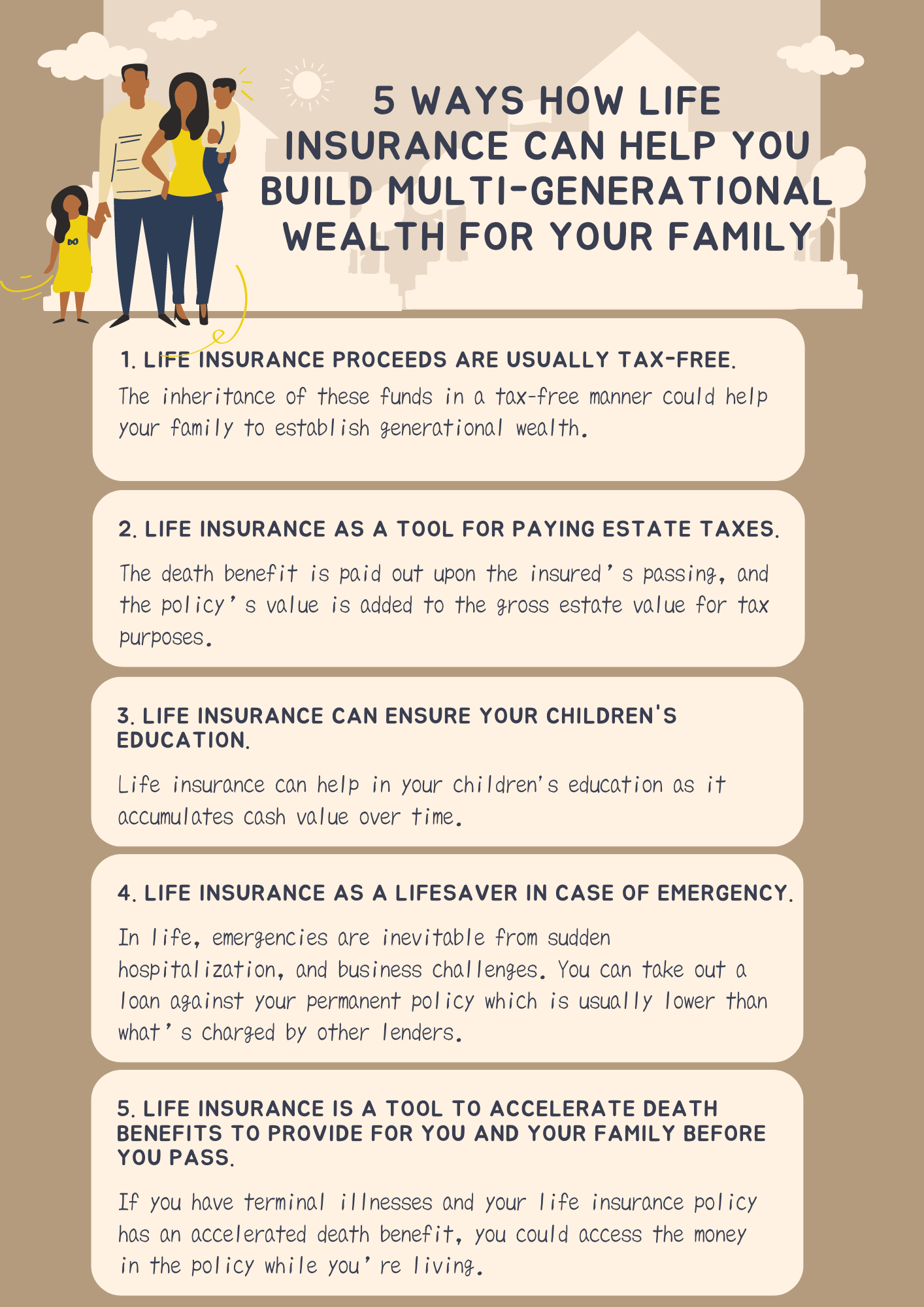
Upon the death of the insured, the policy’s death benefit is paid out to designated beneficiaries free of income tax. While these proceeds may still be subject to federal or state estate taxes depending on the size of the estate and how the policy is owned, the avoidance of income tax ensures that the full intended face value transfers directly to heirs or philanthropic entities.
Comparative Analysis of Wealth Accumulation Vehicles
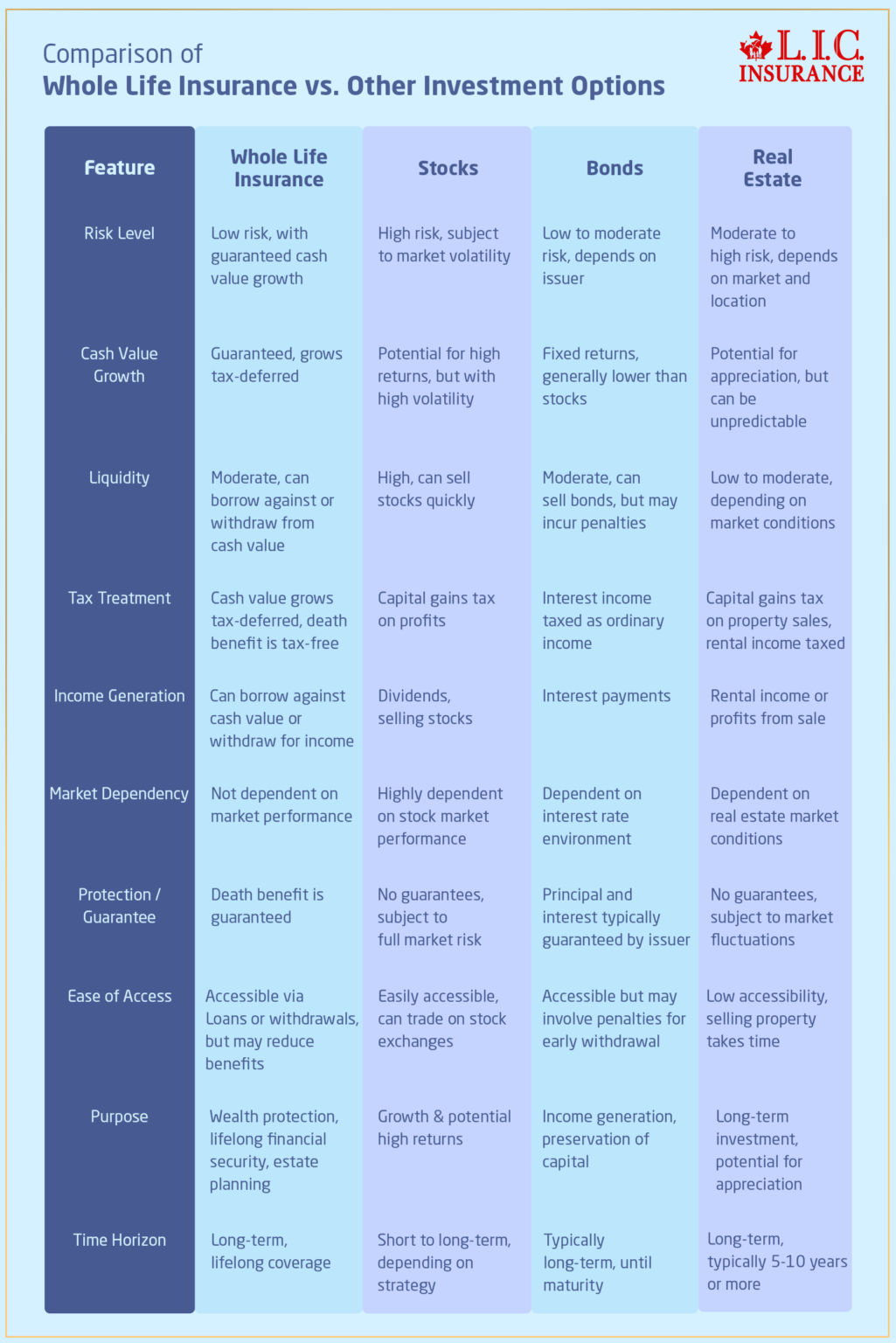
Selecting the right financial vehicle requires weighing equity tax life insurance against traditional retirement accounts and taxable brokerage portfolios. Each tool carries distinct trade-offs regarding liquidity, tax treatment, and contribution limits.
| Feature | Equity Tax Life Insurance (IUL/VUL) | Traditional 401(k) / IRA | Taxable Brokerage Account |
|---|---|---|---|
| Tax Treatment of Growth | Tax-deferred | Tax-deferred (Traditional) / Tax-free (Roth) | Taxable annually (dividends, realized gains) |
| Tax Treatment of Distributions | Tax-free (via policy loans/withdrawals) | Taxable as ordinary income | Capital gains tax rates apply |
| Contribution Limits | High (subject to TAMRA/DEFRA guidelines) | Strict annual limits (indexed annually) | Unlimited |
| Market Risk Exposure | Protected by 0% floor (IUL) or fully exposed (VUL) | Fully exposed to market volatility | Fully exposed to market volatility |
| Early Withdrawal Penalties | High surrender charges in early years | IRS 10% penalty prior to age 59½ | None |
| Estate Planning Utility | High (creates immediate income-tax-free death benefit) | Moderate (subject to income tax in respect of a decedent) | Low (step-up in basis at death, but subject to estate tax) |
Integration into Comprehensive Estate and Succession Planning
Beyond personal wealth accumulation, equity-linked life insurance plays a pivotal role in multi-generational estate planning and business continuity strategies. High-net-worth families frequently encounter liquidity crunches when attempting to pass down illiquid assets, such as real estate portfolios, private equity holdings, or operating businesses.
Funding Estate Tax Liabilities
When an estate exceeds federal and state exemption thresholds, the resulting estate tax liability can force the liquidation of core family assets at distressed prices. An irrevocable life insurance trust (ILIT) can be established to own an equity-linked permanent policy. Because the trust owns the policy, the death benefit bypasses the taxable estate entirely, providing immediate liquidity to pay estate taxes without dismantling the family enterprise.
Business Buy-Sell Agreements
In commercial enterprises, co-owners utilize permanent life insurance to fund buy-sell agreements. If a partner passes away or becomes disabled, the policy proceeds provide the surviving partners with the immediate capital needed to buy out the deceased partner's shares from their heirs, ensuring seamless operational continuity and fair financial compensation for the family.
Regulatory Guardrails, Costs, and Common Pitfalls
While the strategic advantages are substantial, equity tax life insurance is governed by stringent regulatory compliance frameworks. Missteps in design or funding can lead to adverse tax consequences.
The Modified Endowment Contract (MEC) Trap
To prevent individuals from using life insurance purely as a tax-sheltered investment vehicle, the U.S. Congress established limits on how much premium can be paid into a policy relative to its death benefit. Under Technical and Miscellaneous Revenue Act (TAMRA) guidelines, if a policy is overfunded too quickly, it becomes a Modified Endowment Contract. Once classified as an MEC, withdrawals and loans are subjected to Last-In, First-Out (LIFO) taxation rules and potential 10% IRS penalties on earnings prior to age 59½.
Fees, Expenses, and Cost of Insurance (COI)
Permanent life insurance policies carry complex fee structures, including administrative charges, premium loads, and the rising Cost of Insurance (COI), which increases as the insured ages. Planners must carefully model policy projections to ensure that cash value growth outpaces these internal expenses, particularly during prolonged market downturns where index caps and participation rates dictate performance.
Frequently Asked Questions
What makes equity tax life insurance different from standard whole life insurance?
Standard whole life insurance utilizes a fixed, guaranteed interest rate backed by the insurer's general portfolio and offers predictable, stable cash value growth. Equity-linked policies tie cash value performance to market indices, offering higher growth potential paired with downside market protection.
Are policy loans from life insurance ever taxable?
Policy loans are generally tax-free as long as the policy remains active. However, if the policy lapses or is surrendered while a loan balance exceeds the cash value, the outstanding loan is treated as a taxable distribution, which can trigger a massive unexpected tax bill.
How do policy caps affect potential returns in an IUL?
Policy caps limit the maximum interest rate the insurer will credit to the policy during high-performing market years. While caps restrict participation in extreme bull markets, they enable the insurer to offer the 0% floor that protects against bear markets.
Can anyone purchase an equity-linked life insurance policy?
Yes, provided the individual meets the insurance carrier's underwriting criteria regarding health, age, and financial insurability. However, the wealth-planning benefits are most pronounced for individuals in high tax brackets who have maximized traditional retirement accounts.
What happens to the cash value if the insurance company experiences financial distress?
Policyholders are protected by state-mandated legal reserve requirements and state guaranty associations, which typically provide safety nets up to statutory limits if an insurer becomes insolvent. Choosing carriers with high financial strength ratings from agencies like A.M. Best is critical.
Strategic Recommendations and Next Actions
To successfully integrate equity tax life insurance into your wealth planning, begin by conducting a comprehensive cash flow and tax liability audit with a certified financial planner and an independent insurance specialist. Ensure that any proposed policy is properly structured under TAMRA and DEFRA guidelines to avoid inadvertent MEC status. Prioritize carriers with long-standing financial stability, transparent fee disclosures, and conservative historical performance tracking to ensure your long-term wealth accumulation goals remain secure.
Image Gallery