John Smith Wrestler Net Worth: The Financial Legacy of a Combat Sports Icon
As of 2026, the estimated net worth of John Smith, the legendary American freestyle wrestler and long-time Oklahoma State University coach, is between $3 million and $5 million. This valuation is primarily derived from his three-decade...
As of 2026, the estimated net worth of John Smith, the legendary American freestyle wrestler and long-time Oklahoma State University coach, is between $3 million and $5 million. This valuation is primarily derived from his three-decade tenure as a high-level NCAA coach, lucrative endorsement deals with brands like ASICS, and his status as a two-time Olympic gold medalist.
Contents
John Smith is widely considered the greatest American freestyle wrestler in history. His financial journey reflects a transition from the era of amateur athletics—where "amateur" often meant limited direct income—to the modern era of professionalized collegiate coaching. Unlike modern MMA stars or professional wrestlers in the WWE, Smith’s wealth was built through technical excellence, consistent institutional leadership, and the commercialization of his wrestling methodology.
The Foundation of Wealth: A Competitive Career Like No Other
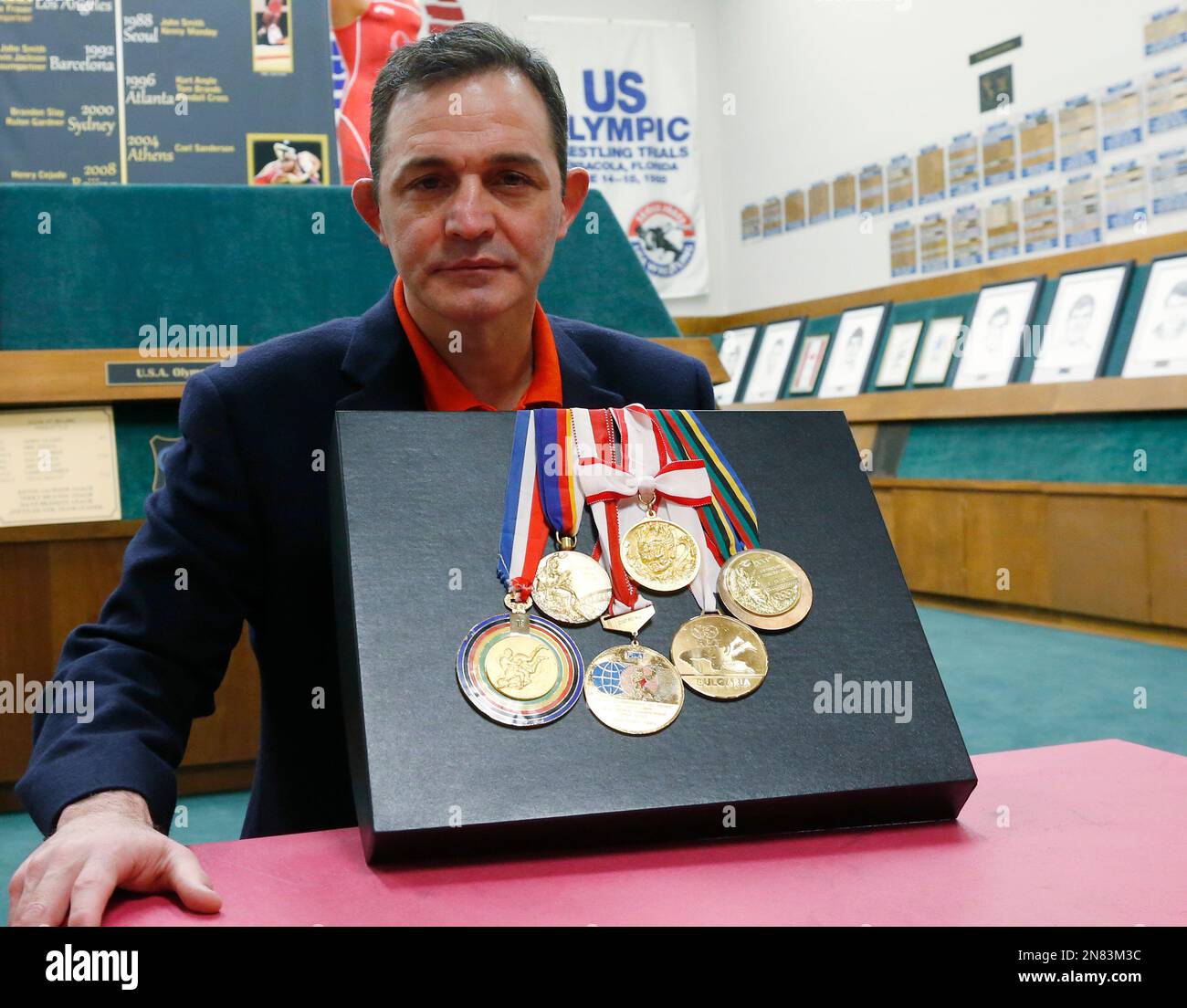
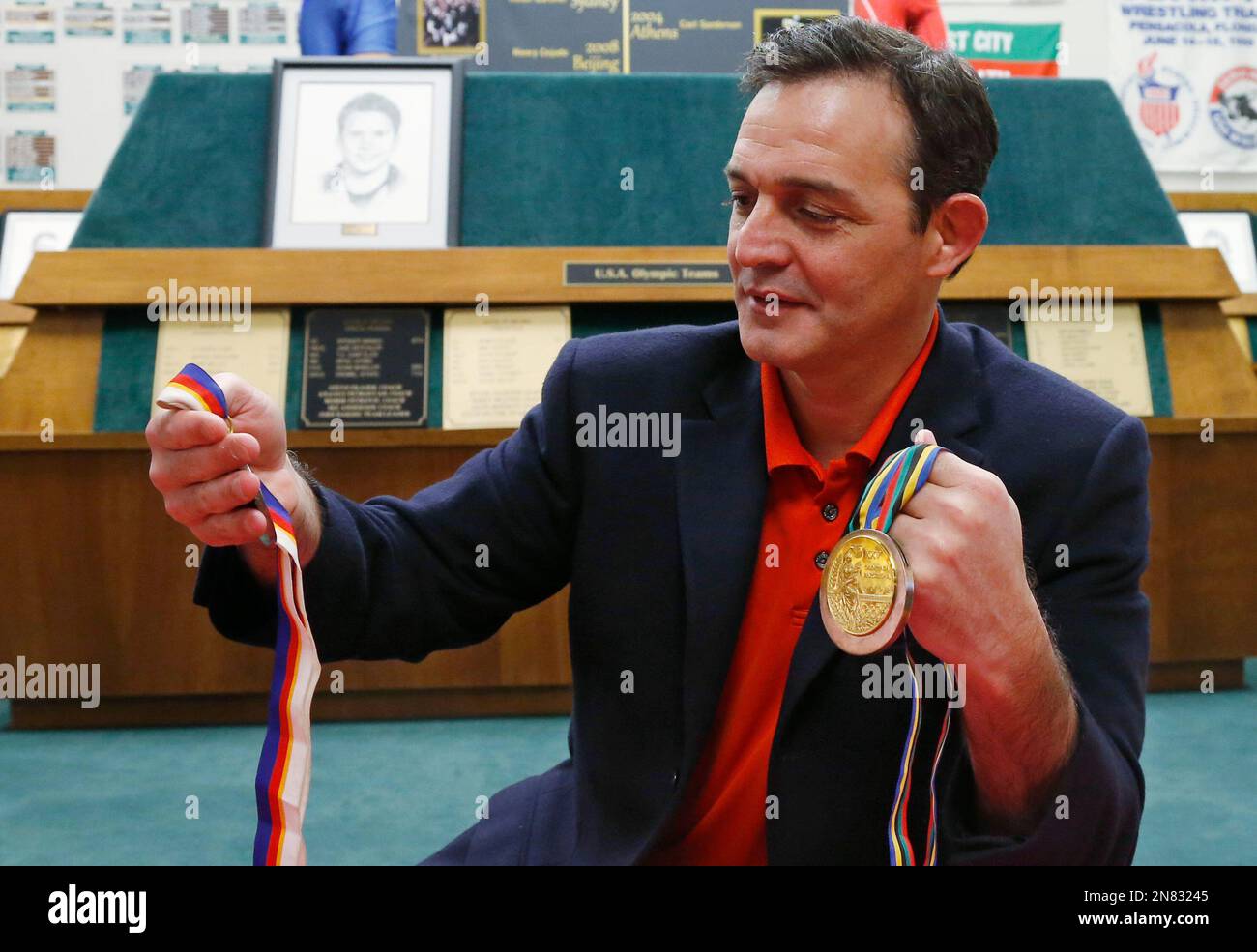
To understand John Smith’s net worth, one must first look at his competitive dominance between 1987 and 1992. During this six-year stretch, Smith achieved something no other American has matched: he won six consecutive world-level titles. This includes two Olympic gold medals (Seoul 1988 and Barcelona 1992) and four World Championships.
In the late 1980s and early 1990s, the financial landscape for Olympic athletes was vastly different than it is today. There were no "Living the Dream Medal Funds" that paid out six-figure bonuses for gold medals. Instead, Smith’s competitive earnings were largely comprised of modest stipends from USA Wrestling and local sponsorships. However, his success created a "brand" that became his most significant asset.
The Value of the "John Smith" Brand
Smith’s technical innovations, specifically his low-level single-leg takedown, revolutionized the sport. This technical mastery allowed him to monetize his knowledge through:
- Instructional Media: Long before YouTube, Smith’s instructional VHS tapes and DVDs were the gold standard for wrestling rooms across the United States.
- Wrestling Camps: The John Smith Wrestling Camps have operated for decades, drawing thousands of young athletes annually. These camps represent a significant, recurring revenue stream separate from his university salary.
- Endorsements: Smith’s partnership with ASICS is one of the longest-running in combat sports. The "John Smith" line of wrestling shoes remains a staple in the market, providing him with royalty income and endorsement fees that have spanned over 30 years.
The Coaching Era: 33 Years at Oklahoma State University
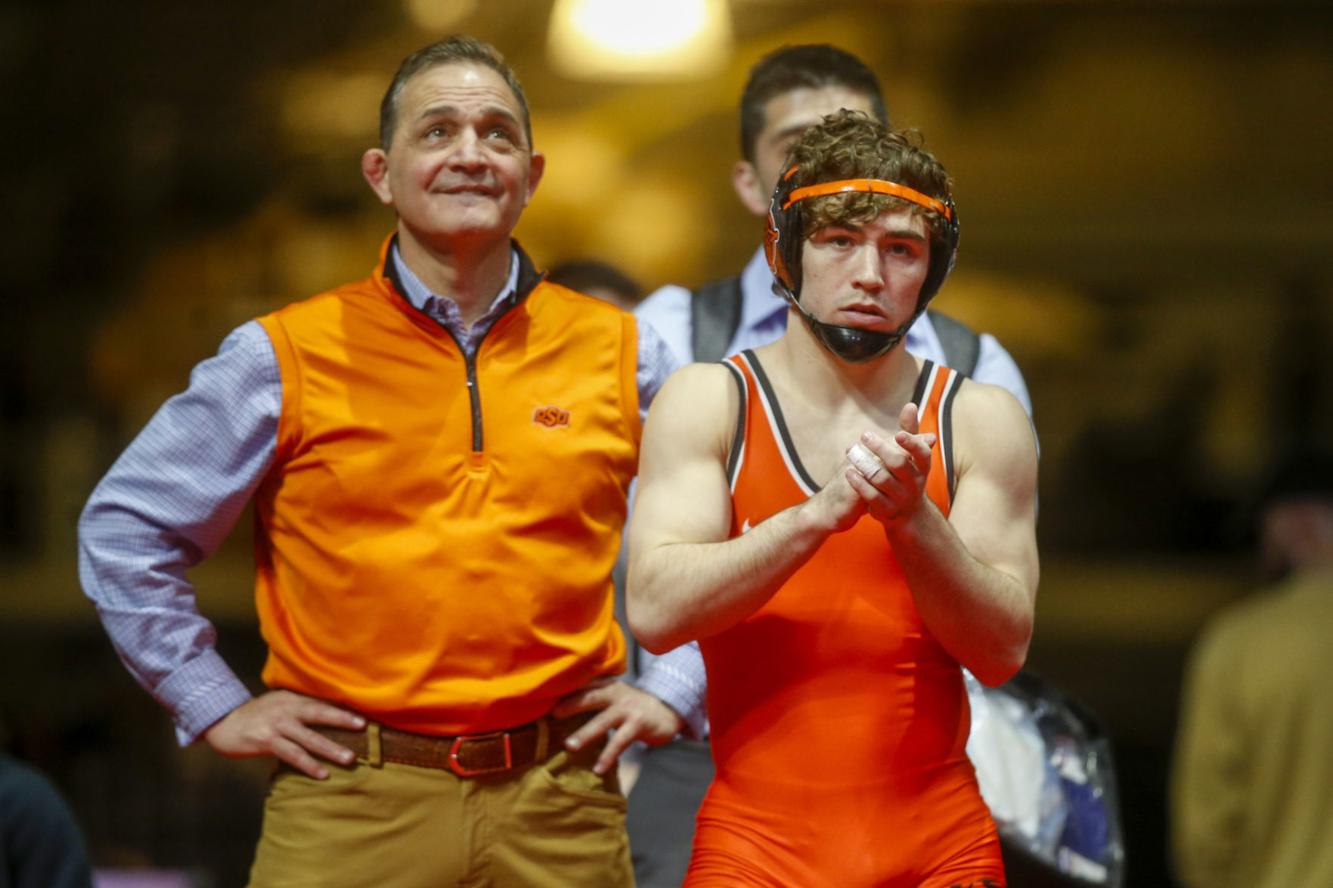
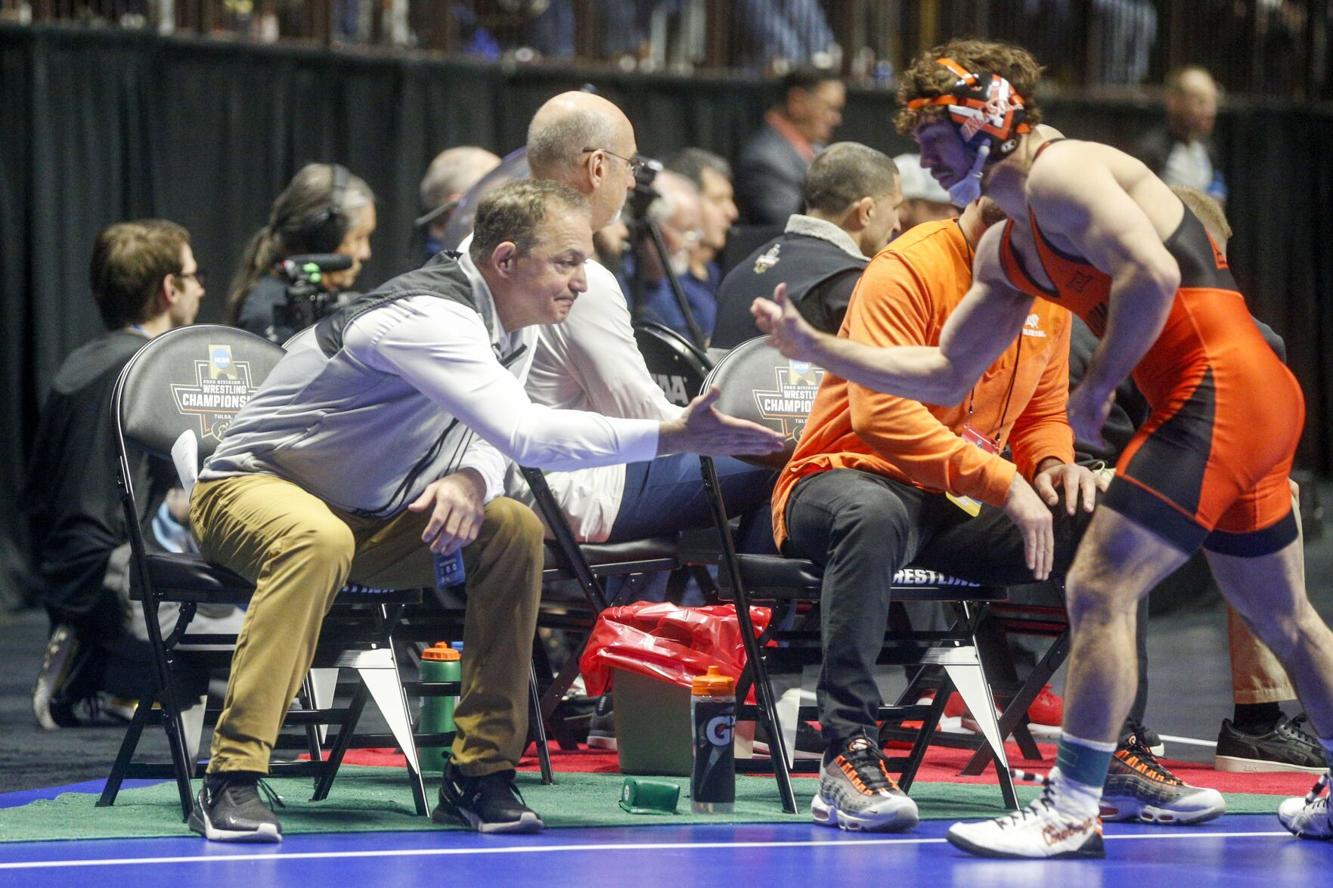
The most substantial contributor to John Smith’s net worth is his career as the head wrestling coach at Oklahoma State University (OSU). Smith took the helm in 1991 and retired following the 2023-2024 season. In the world of collegiate athletics, a 33-year tenure at a "blue-blood" program is an outlier that leads to significant wealth accumulation.
By the time of his retirement in 2024, Smith was among the highest-paid wrestling coaches in the country. His compensation packages were structured not just around a base salary, but also around performance incentives and longevity bonuses.
Compensation Structure and Evolution
In his final years at OSU, Smith’s base salary was reported to be in the neighborhood of $450,000 to $500,000 annually. However, total compensation often exceeded this due to:
- Retention Bonuses: Payments for remaining at the university for specified periods.
- Performance Incentives: Bonuses for winning Big 12 Conference titles, top-four finishes at the NCAA Championships, and producing individual national champions.
- Apparel Contracts: A portion of the university’s deal with Nike often trickles down to head coaches in the form of equipment allotments or direct stipends.
| Revenue Stream | Estimated Annual Value (Peak Years) | Primary Source |
|---|---|---|
| OSU Base Salary | $450,000 - $500,000 | Oklahoma State University |
| Endorsements | $50,000 - $100,000 | ASICS, Nike, Wrestling Gear |
| Camps & Clinics | $75,000 - $150,000 | Private Business/University-hosted |
| Instructional Sales | $20,000 - $40,000 | Digital Media & Licensing |
| Speaking Engagements | $25,000 - $50,000 | Corporate & Athletic Seminars |
Long-term Financial Planning and Retirement
Entering 2026, John Smith transitioned into a post-retirement phase. His net worth is bolstered by a robust state pension plan from his three decades as an Oklahoma state employee. The Oklahoma Teachers Retirement System (OTRS), which covers university staff, provides a substantial monthly benefit based on the average of his highest years of salary and his 33 years of service.
Furthermore, Smith has likely benefitted from the appreciation of real estate in Stillwater, Oklahoma. As a pillar of the community, his long-term residency in the area allowed him to build equity in property that has risen in value alongside the growth of the university.
Comparing Smith’s Wealth to Other Wrestling Icons
When discussing John Smith's net worth, it is helpful to place it in the context of the sport. While his $3M–$5M net worth is substantial for an amateur wrestling coach, it differs significantly from other sectors:
- Vs. Professional Wrestling: Top WWE stars can earn John Smith’s total net worth in a single year. However, Smith’s wealth is characterized by lower volatility and high institutional security.
- Vs. Cael Sanderson: Penn State’s Cael Sanderson is currently the highest-paid coach in the sport, with a total package estimated to exceed $1 million annually. Smith helped pave the financial way for the salaries that Sanderson and others now command.
- Vs. Dan Gable: Like Smith, Gable built his wealth through a combination of coaching (at Iowa) and brand deals. Smith’s later career coincided with the massive inflation of athletic department budgets, likely giving him a higher career earnings ceiling than Gable.
The Impact of NIL and the Modern Era
Although Smith retired shortly after the introduction of Name, Image, and Likeness (NIL) rules in college sports, he played a crucial role in navigating his athletes through this new financial landscape. His ability to maintain a top-tier program during the transition to NIL ensured that his own "market value" remained high until his final day on the mat.
In 2026, Smith continues to serve as a consultant and ambassador for the sport. These roles typically command daily rates or annual retainers that keep his active income flowing well into his retirement years.
Factors Influencing Net Worth Stability
Several factors ensure that John Smith’s net worth remains stable or continues to grow slightly through 2026:
- Continued Royalties: As long as wrestling is practiced, his instructional methods remain relevant, ensuring a trickle of passive income.
- Investment Portfolio: Like most high-earning professionals, a significant portion of his wealth is likely tied to diversified market investments and retirement accounts.
- Legacy Value: Smith is frequently sought after for guest coaching spots at international wrestling centers, which provide both travel coverage and honorariums.
Common Misconceptions About His Wealth
Many fans assume that an Olympic gold medalist is automatically a millionaire. In John Smith’s case, the gold medals were the "marketing collateral" that enabled him to earn a millionaire’s salary later in life as a coach. It is important to distinguish between the prize money (which was negligible in 1992) and the career earnings that resulted from the prestige of those medals.
Additionally, some confuse John Smith with professional wrestlers of the same name. Unlike the scripted world of the WWE, John Smith’s wealth was built within the rigid structure of the NCAA and the international amateur circuit, where every dollar earned was tied to institutional contracts and legitimate athletic brand endorsements.
FAQ
How much did John Smith make at Oklahoma State?
By the end of his career in 2024, John Smith’s total annual compensation was approximately $500,000. This included his base salary and performance-related bonuses. Over a 33-year career, his cumulative earnings from the university likely exceeded $10 million before taxes and expenses.
Does John Smith still earn money from ASICS?
Yes. John Smith has a long-standing relationship with ASICS. While the terms of these private contracts are not public, he continues to be a featured athlete for the brand, and his signature style of wrestling shoes remains a consistent seller in the combat sports market.
What is John Smith doing in 2026?
In 2026, John Smith is retired from active head coaching but remains a visible figure in the wrestling community. He often appears as a commentator for major championships, runs specialized clinics, and serves in an advisory capacity for Oklahoma State University’s athletic department.
How does John Smith's net worth compare to an MMA fighter?
Smith’s net worth is more stable than that of most MMA fighters. While a top UFC champion might make more in a single fight night, Smith’s 30+ years of guaranteed six-figure salary, plus a state-backed pension, provides a level of financial security that is rare in the volatile world of professional fighting.
Did John Smith receive money for his Olympic gold medals?
At the time he won them (1988 and 1992), there were no large-scale cash prizes from the USOPC like there are today. His financial reward for the medals was indirect, manifesting as coaching opportunities and endorsement deals that lasted for decades.
Practical Recommendations for Aspiring Coaches
John Smith’s financial trajectory offers a blueprint for athletes in "non-revenue" sports to build significant wealth:
- Build a Definitive Brand: Smith didn't just win; he became the face of a specific technique (the low-single). This makes an athlete indispensable for clinics and instructionals.
- Prioritize Longevity: The bulk of Smith’s net worth came from his 33 years at one institution. In coaching, staying power often leads to better pension benefits and compounded salary increases.
- Diversify Income Early: By starting camps and endorsement deals while still coaching, Smith ensured he wasn't solely dependent on his university paycheck.
Image Gallery