Who Did Dorothy Kill in The Wizard of Oz? The Complete Character Breakdown
In The Wizard of Oz, Dorothy Gale kills two primary antagonists: the Wicked Witch of the East and the Wicked Witch of the West. Both deaths occur without intentional premeditation, beginning when Dorothy's blown-away Kansas farmhouse c...
In The Wizard of Oz, Dorothy Gale kills two primary antagonists: the Wicked Witch of the East and the Wicked Witch of the West. Both deaths occur without intentional premeditation, beginning when Dorothy's blown-away Kansas farmhouse crushes the Wicked Witch of the East upon landing in Munchkinland, and concluding when she throws a bucket of water on the Wicked Witch of the West, causing her to melt.
Contents
The Death of the Wicked Witch of the East
The first death in The Wizard of Oz happens almost immediately upon Dorothy's arrival in the magical Land of Oz. Transported from her home in Kansas by a powerful cyclone (or tornado, in the film adaptation), Dorothy’s farmhouse crashes to the ground in Munchkinland, located in the eastern quadrant of Oz.
When Dorothy steps out of her house, she is greeted by the Munchkins and a good witch—identified as Glinda, the Good Witch of the North in the 1939 film, or the Good Witch of the North (a distinct character from Glinda, the Good Witch of the South) in L. Frank Baum’s 1900 novel, The Wonderful Wizard of Oz. They inform Dorothy that her landing crushed the cruel ruler of their domain, the Wicked Witch of the East.
- Cyclone Lifts House in Kansas
- House Lands in Munchkinland
- Wicked Witch of the East Crushed
- Magical Shoes Awarded to Dorothy
The Circumstances and Intent
Dorothy had no control over where the cyclone carried her house and was entirely unaware of the Witch's existence prior to landing. As such, the death of the Wicked Witch of the East is strictly an act of God or a tragic accident.
In both the novel and the 1939 MGM movie, the physical presence of the Witch of the East is limited to her feet protruding from beneath the foundation of the house. In the film, her legs shrivel away under the house, leaving behind her iconic footwear, which magically transfers to Dorothy’s feet.
Key Differences: Novel vs. Movie Footwear
- The 1900 Novel (The Wonderful Wizard of Oz): The shoes are made of silver. They possess magical charm, allowing the wearer to travel anywhere in three steps, though Dorothy does not learn this power until the end of her journey.
- The 1939 Film (The Wizard of Oz): Technicolor screen technology prompted producer Mervyn LeRoy and the production team to change the shoes to vivid ruby red slippers so they would contrast sharply against the Yellow Brick Road.
The Death of the Wicked Witch of the West
The second death inflicted by Dorothy is that of the Wicked Witch of the West, the sister of the slain eastern witch. Seeking revenge for her sister's death and desperate to reclaim the powerful slippers, the Wicked Witch of the West serves as the main antagonist throughout Dorothy's journey.
When Dorothy and her companions (the Scarecrow, the Tin Woodman, and the Cowardly Lion) reach the Emerald City, the Wizard promises to grant their wishes on one condition: they must bring him the broomstick (or the destruction) of the Wicked Witch of the West.
- Dorothy & Companions Infiltrate Witch's Castle
- Wicked Witch Sets Fire to the Scarecrow
- Dorothy Throws Water to Extinguish the Flames
- Water Contacts Witch
- Wicked Witch Melts
How the Wicked Witch of the West Dies
Dorothy's second kill occurs inside the Wicked Witch's castle, but the specific motivation and immediate actions leading up to the act differ between the literary text and the film version:
1. The 1939 Film Version (Accidental Defense of Others)
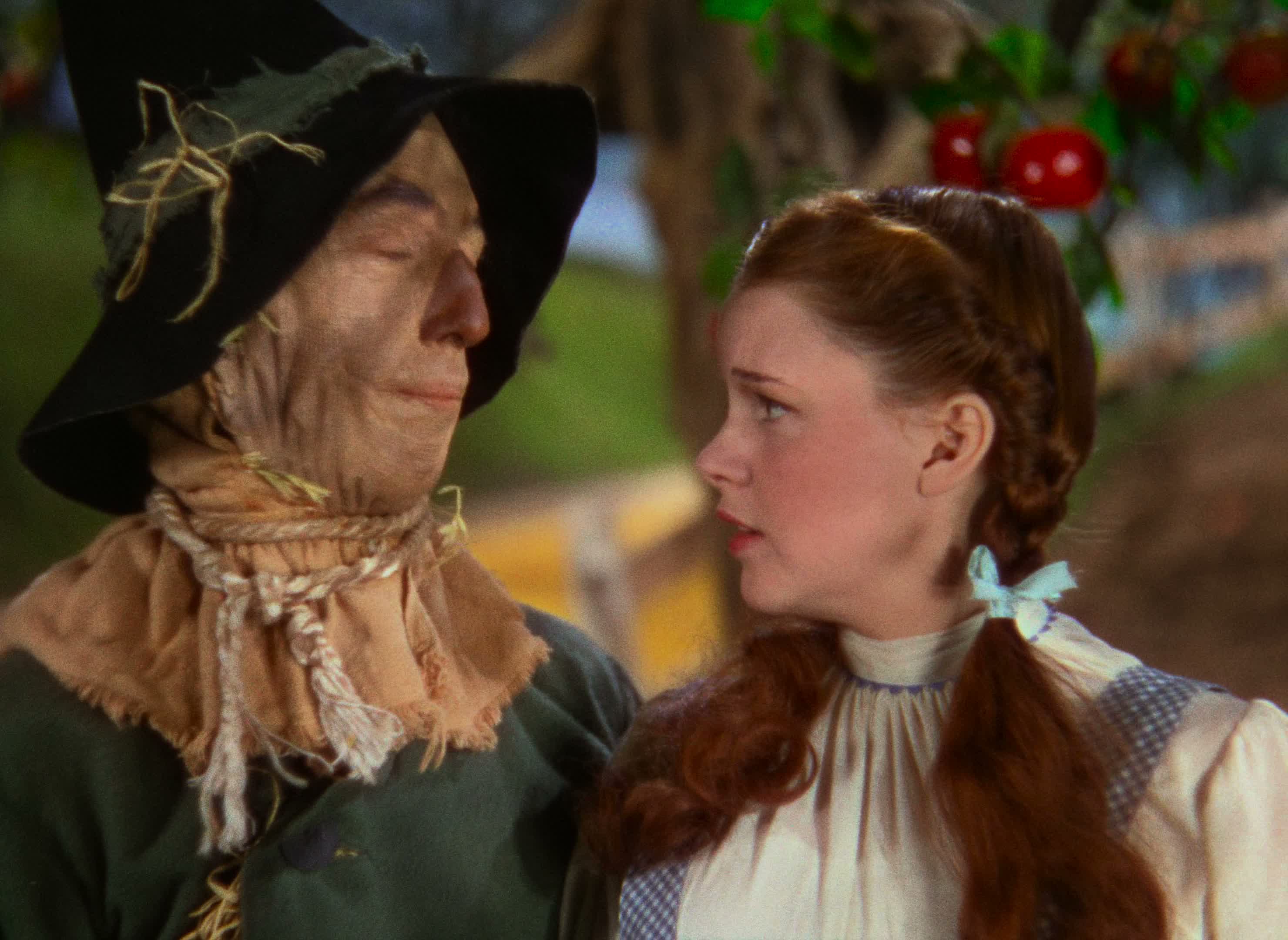
In the climax of the film, the Wicked Witch corners Dorothy and her friends inside her fortress. The Witch uses her broomstick to set the Scarecrow’s arm on fire. Reacting quickly to save her friend from burning, Dorothy grabs a nearby bucket of water and throws it over the Scarecrow.
Some of the water splashes onto the Wicked Witch. Instantly, the Witch begins to scream, "I'm melting! Melting!" as her body dissolves into a pool of smoking liquid, leaving behind only her black robe and hat. Dorothy’s action was intended solely to put out a fire, making the defeat of the Witch an unintended consequence of protecting her friend.
2. The 1900 Novel Version (Impulsive Retaliation)
In L. Frank Baum's original book, the Wicked Witch of the West enslaves Dorothy in her castle after her Winkie soldiers capture the group. The Witch knows she cannot harm Dorothy directly while the child wears the magical Silver Shoes, nor can she take them by force.
To steal the footwear, the Witch places an invisible iron bar in the middle of the kitchen floor, causing Dorothy to trip and lose one of her silver shoes. The Witch quickly snatches the shoe and refuses to return it. Infuriated by this cruelty and deceit, Dorothy picks up a bucket of water that happens to be standing nearby and splashes it over the Witch in anger.
To Dorothy's surprise, the Witch cries out that water will be the end of her, dissolves into a brown mass, and vanishes completely. In the novel, Dorothy had no prior knowledge that water was lethal to the Witch.
Comparative Breakdown: Book vs. Movie Demises
The two deaths caused by Dorothy showcase key changes made when adapting Baum's fairy tale into Hollywood’s golden-era musical.
| Dimension | The Wicked Witch of the East | The Wicked Witch of the West (1900 Book) | The Wicked Witch of the West (1939 Movie) |
|---|---|---|---|
| Method of Death | Crushed by falling house | Melted by thrown water | Melted by thrown water |
| Dorothy's Intent | None (Accidental landing) | Retaliatory anger over stolen shoe | Defensive rescue (putting out Scarecrow's fire) |
| Primary Footwear | Silver Shoes (Book) / Ruby Slippers (Movie) | Silver Shoes | Ruby Slippers |
| Immediate Trigger | House dropped by cyclone | Trip-wire theft of one shoe | Setting Scarecrow on fire with broomstick |
| Physical Legacy Left Behind | Shriveled feet / slippers transferred to Dorothy | Puddle of liquid brown substance | Empty dress, black hat, and broomstick |
| Witnesses | Glinda / Witch of the North & Munchkins | Dorothy alone (in the kitchen) | Scarecrow, Tin Man, Lion, and Winkie Guards |
Legal and Moral Analysis: Was Dorothy a "Killer"?
While popular culture often jokes about Dorothy being a ruthless vagrant who drops houses on people and melts local rulers, a literary and legal examination paints a very different picture.
1. Actus Reus and Mens Rea
In criminal jurisprudence, establishing a crime requires both an illegal act (actus reus) and a guilty mind or intent (mens rea).
- Wicked Witch of the East: Dorothy possessed neither the intent nor the physical control over the falling house. Her house was carried by natural forces (a cyclone). Under modern and historical legal standards, this constitutes an act of nature or involuntary accident, carrying no legal liability.
- Wicked Witch of the West: Dorothy did perform the physical act of throwing water. However, in the film, her sole intent was to extinguish a fire consuming a companion—a clear act of defense of a third party. In the novel, Dorothy threw water out of frustration after being tripped and robbed, without knowing that water was a lethal substance to the Witch. Because she had no knowledge that water would inflict fatal damage, she lacked the mens rea for murder.
2. Self-Defense and Liberation
In both versions, the Wicked Witch of the West was holding Dorothy hostage and actively plotting to harm her companions. Under traditional legal definitions, using non-lethal force (throwing water) to stop an assailant who is engaged in an active violent assault (setting someone on fire) falls squarely under justifiable self-defense and defense of others.
Other Deaths in the Original Wizard of Oz Universe
While Dorothy herself only slays the two Wicked Witches, the original 1900 novel by L. Frank Baum is significantly more violent than the 1939 film adaptation. Readers exploring the source material will find that Dorothy's companions kill multiple creatures during their journey to the Emerald City and the South:
Dorothy's Journey in the 1900 Novel
- Tin Woodman decapitates 40 Crows sent by the Witch
- Tin Woodman chops off heads of 40 Wolves
- Scarecrow twists the necks of a flock of Crows
- Cowardly Lion kills a Great Spider threatening the forest
Forty Wolves: Sent by the Wicked Witch of the West to tear Dorothy and her friends to pieces. The Tin Woodman stands guard with his axe and decapitates all 40 wolves as they attack.
Forty Crows: Sent by the Witch to peck out the group's eyes. The Scarecrow snaps the neck of every crow one by one.
A Swarm of Black Bees: Sent to sting the group to death. The Tin Woodman and Scarecrow protect the group, causing the bees to break their stingers against the Tin Woodman's metal body, killing the entire swarm.
The Giant Spider: In the land of the Unattached Animals, the Cowardly Lion decapitates a monstrous spider that terrorizes the woodland creatures, earning him the title of King of the Beasts.
By contrast, Dorothy’s actions remain free of explicit bloodthirst throughout both the novel and screen versions. Her two direct kills serve as pivotal structural markers that move the plot forward and free the inhabitants of Oz from oppressive rule.
The Cultural Impact of the Witches' Deaths
The visual and narrative depictions of the deaths of both witches left an enduring mark on 20th-century storytelling and modern pop culture.
- Baum's 1900 Text (Silver Shoes)
- 1939 MGM Film (Ruby Slippers & Iconic Melting Scene)
- Gregory Maguire's "Wicked" (1995) (Humanized Elphaba & Nessarose)
The "Melting Witch" Trope
Prior to L. Frank Baum’s 1900 book, witches in folklore were often defeated by fire, iron, or religious symbols. Baum introduced the concept that a dark magical entity could be dissolved by plain water—a vulnerability tied to water's traditional association with purity and cleansing. Margaret Hamilton’s dramatic performance in the 1939 film solidified "I'm melting!" as one of the most famous death scenes in cinematic history.
Modern Reimagining: Wicked
The death of both witches forms the foundational framework for Gregory Maguire’s 1995 revisionist novel Wicked: The Life and Times of the Wicked Witch of the West and its blockbuster musical adaptation.
In Wicked, the Wicked Witch of the East is named Nessarose, and the Wicked Witch of the West is named Elphaba. The narrative recontextualizes their deaths, exploring the political motivations in Oz and painting Elphaba not as an evil monster, but as a misunderstood activist. In the stage musical version, Elphaba even fakes her own death by water to escape Oz, transforming Dorothy's kill into an orchestrated disappearance.
Frequently Asked Questions
Did Dorothy intentionally kill the Wicked Witch of the West?
No. In the 1939 film, Dorothy threw water to put out a fire on the Scarecrow's arm, unintentionally splashing the Witch. In the 1900 novel, Dorothy threw water in a fit of frustration after the Witch stole her silver shoe, completely unaware that water was lethal to the Witch.
What are the names of the witches Dorothy killed?
In L. Frank Baum's original book, neither witch is given a proper personal name; they are identified only by their titles: the Wicked Witch of the East and the Wicked Witch of the West. In Gregory Maguire’s book Wicked and its musical adaptation, the Witch of the East is named Nessarose Thropp and the Witch of the West is named Elphaba Thropp.
Why did water melt the Wicked Witch of the West?
In L. Frank Baum’s narrative lore, the Wicked Witch of the West had dried up all the goodness within herself over centuries of wickedness. Her body became so dry and wicked that contact with clean water disrupted the dark magic animating her, causing her physical form to dissolve instantly.
Did Dorothy kill anyone else in Oz?
No. Dorothy Gale only directly caused the deaths of the Wicked Witch of the East and the Wicked Witch of the West. Any other conflict in the Land of Oz was either handled by her companions or resolved without fatal violence.
What happened to the shoes after the witches died?
In the novel, the Silver Shoes fall off the Wicked Witch of the East when the house lands, and the Witch of the North gives them to Dorothy. At the end of the book, the shoes fall off Dorothy’s feet into the Deadly Desert while she flies home to Kansas. In the 1939 movie, Glinda transfers the Ruby Slippers directly onto Dorothy's feet, and Dorothy uses them to return home to Kansas.
Practical Takeaway: Navigating Oz Lore
When studying or referencing The Wizard of Oz, clarify whether you are analyzing L. Frank Baum’s original 1900 novel or MGM's iconic 1939 film.
- Refer to Silver Shoes and retaliatory shoe theft when discussing the 1900 novel.
- Refer to Ruby Slippers and saving the Scarecrow from fire when discussing the 1939 movie.
Both versions present Dorothy Gale not as a calculated killer, but as an innocent traveler whose accidental actions liberated the Land of Oz from tyranny.
Image Gallery