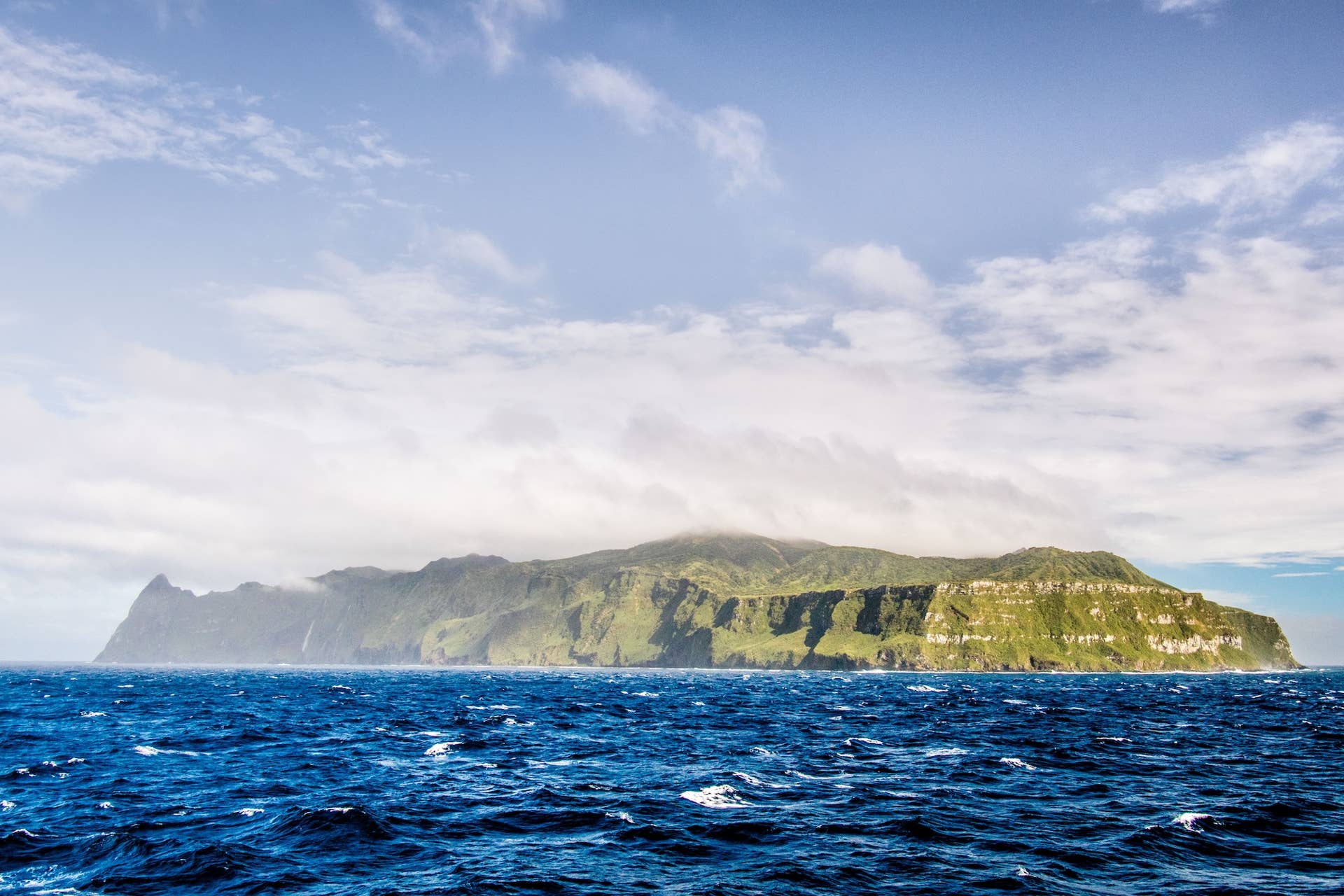
The Rise of Rich Island Photos in Travel Media: Aesthetic Standards and Digital Strategy in 2026
The rise of rich island photos in travel media refers to a dominant visual trend characterized by high-saturation, high-dynamic-range (HDR) imagery that emphasizes deep turquoise waters, lush emerald vegetation, and hyper-realistic tex...
The rise of rich island photos in travel media refers to a dominant visual trend characterized by high-saturation, high-dynamic-range (HDR) imagery that emphasizes deep turquoise waters, lush emerald vegetation, and hyper-realistic textures. In 2026, these "rich" visuals serve as the primary currency for travel brands, utilizing advanced drone sensors and AI-enhanced post-processing to drive global tourism engagement.
Contents
Defining the "Rich" Aesthetic in 2026 Travel Media
The term "rich" in the context of island photography has evolved beyond simple color saturation. By 2026, it describes a specific multi-sensory visual depth achieved through high-bitrate captures and sophisticated color grading. Unlike the flat, documentary-style photography of the early 2000s, rich island photos prioritize chromatic density and luminance contrast. This means the blues of the ocean are not just bright; they possess a perceived physical weight and transparency that mimics the human eye's experience in perfect lighting conditions.
This aesthetic shift is largely driven by the proliferation of OLED and Micro-LED displays on mobile devices. These screens can reproduce a wider color gamut (DCI-P3 and beyond), allowing travel media outlets to publish content that would have looked "blown out" or artificial on older hardware. A rich island photo today utilizes the full spectrum of these displays, focusing on the "sub-surface scattering" of light in tropical waters—the way sunlight penetrates the sea and reflects off white sand shoals—creating a glowing effect that feels both aspirational and immersive.
Furthermore, "richness" refers to the density of detail. With 8K resolution now a standard for flagship editorial content, every grain of sand and every palm frond must be crisp. This level of detail creates a psychological sense of "being there," which is essential for high-end destination marketing. The goal is no longer just to show a location, but to evoke the physical sensation of the island's environment through visual richness alone.
Technological Drivers of the Rich Imagery Trend
The surge in high-quality island media is not merely a stylistic choice; it is a direct result of hardware and software breakthroughs that reached maturity by 2026. These tools have democratized the ability to produce "National Geographic" quality content for independent creators and boutique travel agencies.
Advanced Drone and Sensor Technology
Drones have moved from being specialty tools to essential gear for any island shoot. In 2026, compact drones equipped with 1-inch or even Micro Four Thirds sensors are standard. These sensors allow for greater dynamic range, meaning photographers can capture the bright glare of the sun on the water and the deep shadows of a coastal jungle in a single frame without losing detail. The "top-down" reef shot, once a rare luxury, has become the foundational image of rich island media, providing a scale and perspective that traditional photography cannot match.
AI-Integrated Post-Processing
Artificial intelligence has fundamentally changed how "richness" is achieved in post-production. Current software suites use generative AI to enhance textures and manage atmospheric haze. For island environments, which are often plagued by salt spray or humidity-induced blur, AI-denoising and "dehaze" algorithms can reconstruct a clear, vibrant image from a raw file captured in sub-optimal conditions. This allows media houses to maintain a consistent "perfect day" aesthetic regardless of the actual weather during the shoot.
Computational RAW Formats
Modern smartphones and mirrorless cameras now utilize computational RAW formats. These files combine multiple exposures instantly, providing a level of "richness" in the shadows and highlights that previously required hours of manual bracketing. This technology is particularly effective for islands, where the high contrast between white sand and dark volcanic rock often creates exposure challenges.
The Psychology of "Blue Space" and Consumer Engagement
The rise of rich island photos is deeply rooted in environmental psychology. Research into "Blue Space" theory suggests that viewing images of water—especially clear, vibrant turquoise water—induces a state of "soft fascination" that reduces cortisol levels and improves cognitive function. Travel media outlets have leaned into this by emphasizing "rich" blues that trigger an immediate emotional response in the viewer.
In the attention economy of 2026, the first 500 milliseconds of an interaction determine whether a user will engage with a piece of content. Rich island photos, with their high contrast and vibrant palettes, are mathematically more likely to stop a user's scroll. Social media algorithms have been optimized to favor high-entropy images—photos with a lot of data and visual complexity. Because island landscapes naturally offer high contrast (land vs. sea vs. sky), they are the perfect candidates for algorithmic promotion.
Luxury brands also use these visuals to signal exclusivity. A "rich" photo suggests a "rich" experience. By utilizing deep color grades that move away from the "neon" filters of the 2010s toward a more sophisticated, moody, and dense color profile, brands can target high-net-worth individuals who associate these visual cues with premium, secluded destinations like the Maldives, the Seychelles, or private islands in Indonesia.
Comparing Traditional and Modern Island Media Standards
The transition from traditional travel photography to the modern "rich" standard involves significant shifts in composition, color science, and delivery formats.
| Feature | Traditional Travel Media (Pre-2015) | Rich Island Media (2026) |
|---|---|---|
| Primary Perspective | Eye-level / Shoreline | Aerial (Drone) / Multi-angle |
| Color Profile | Naturalistic / Standard RGB | High Saturation / DCI-P3 Gamut |
| Resolution Focus | Web-optimized (72-96 DPI) | Ultra-HD / 8K / Retina-ready |
| Dynamic Range | Limited (High-contrast clipping) | Extended (HDR-10+ / Dolby Vision) |
| Editing Style | Manual retouching | AI-enhanced / Generative textures |
| Consumer Intent | Information / Documentation | Escapism / Status / Inspiration |
| Dominant Format | Horizontal (Landscape) | Vertical (9:16) and Immersive 360 |
The Economic Impact on Destination Marketing
The dominance of rich island photos has shifted how countries and private entities invest their marketing budgets. In 2026, the "visual infrastructure" of a destination is almost as important as its physical infrastructure. Governments in regions like the Caribbean and Southeast Asia now partner with content creators to ensure that their islands are represented in this "rich" style, knowing that a single viral image can lead to a measurable spike in hotel bookings.
However, this has led to the "aesthetic homogenization" of travel. As destinations strive to meet the visual expectations of "rich" media, many islands begin to look identical in promotional materials. The focus on specific shades of blue and specific drone angles can sometimes obscure the unique cultural and geographical features of a location. This has created a secondary market for "Authentic Richness," where media outlets attempt to combine high-end production values with more grounded, culturally specific storytelling to differentiate themselves from the standard "paradise" trope.
Challenges and Ethical Considerations
While the rise of rich island photos has been a boon for travel media, it is not without its complications. The primary issue is the "Expectation Gap." When travelers arrive at a destination after seeing hyper-processed, AI-enhanced "rich" photos, they may find the reality underwhelming. If the water isn't as neon-blue as the screen suggested, or if the sand isn't as blindingly white, it can lead to customer dissatisfaction and negative reviews.
Furthermore, there is the environmental concern of "over-tourism" driven by visual trends. Specific spots on islands—often referred to as "Instagram points"—suffer from ecological degradation as thousands of visitors attempt to recreate a specific "rich" photo they saw online. Media organizations are increasingly under pressure to include "Environmental Reality" disclaimers or to promote sustainable practices alongside their high-end imagery.
The use of AI in creating these photos also raises questions of authenticity. In 2026, it is possible to generate a perfectly "rich" island photo of a location that does not exist or to "clean" a polluted beach digitally. To combat this, some travel publications have begun using "Verified Capture" badges, ensuring that while the colors may be graded for richness, the physical elements of the photo have not been artificially altered.
FAQ
What exactly makes an island photo "rich"?A "rich" island photo is defined by its visual density, which includes high color saturation (especially in the cyan and teal ranges), deep dynamic range that preserves detail in both bright sun and dark shade, and high resolution that captures fine textures like water ripples and sand grains. It is a look that suggests luxury and high production value.
How has AI changed island photography in 2026?AI is now used for more than just filters; it handles complex tasks like "Generative Fill" to remove unwanted tourists from a beach, sophisticated denoising for low-light shots, and automated color grading that ensures a consistent "rich" look across an entire media campaign.
Are these photos realistic or heavily edited?Most rich island photos are a blend of high-end capture and significant post-processing. While they are based on real locations, the colors are often enhanced to match the DCI-P3 color gamut of modern screens, making them appear more vibrant than they might look to the naked eye on a cloudy or hazy day.
Does this trend contribute to over-tourism?Yes. The viral nature of high-quality island imagery often directs massive amounts of foot traffic to very specific, photogenic locations. This can lead to environmental strain on fragile island ecosystems, prompting some destinations to implement "photo permits" or restricted access to protect the landscape.
Can I achieve this look with a smartphone?In 2026, flagship smartphones are capable of capturing "rich" island photos thanks to computational photography. By using the "Pro" or "RAW" modes and applying HDR-specific editing tools, mobile users can produce imagery that rivals professional cameras for social media and web use.
Practical Recommendation for Creators and Brands
To successfully leverage the rise of rich island photos, creators should prioritize Dynamic Range over mere saturation. Instead of simply turning up the "color" slider, focus on capturing "Bracketed Exposures" to ensure that the details of the clouds and the underwater reefs are both visible. Invest in a high-quality circular polarizer (CPL) filter, which remains a physical necessity even in 2026 for cutting through water glare and deepening the "rich" blues of the ocean. Finally, always balance richness with authenticity; providing a "Behind the Scenes" or unedited version of a shot can build trust with an audience that is increasingly wary of AI-generated perfection.
Image Gallery