Fikkle Fame Final Jeopardy: Strategy, Clues, and Trivia Archives for 2026
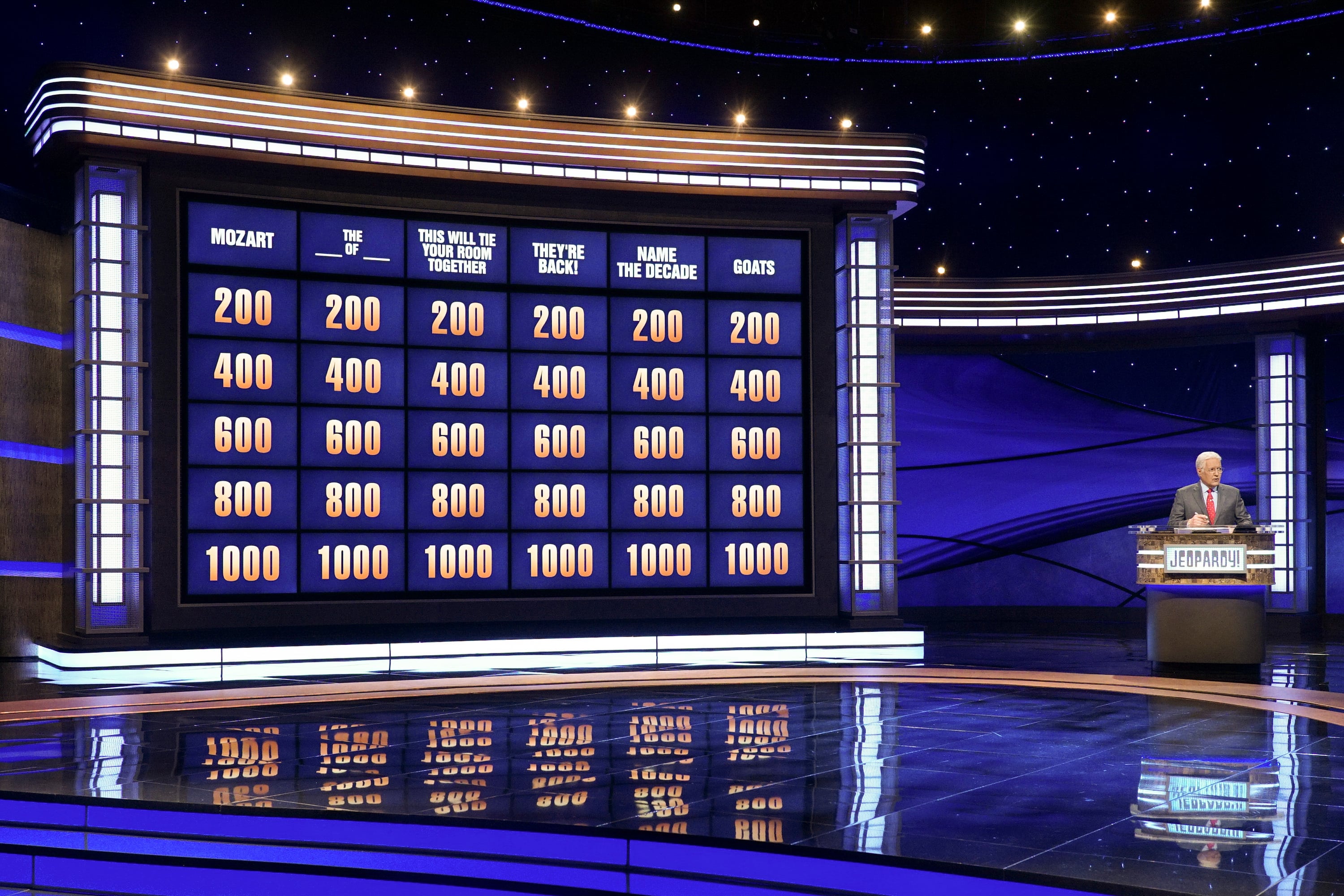
Fikkle Fame serves as a dedicated online companion for television trivia enthusiasts, offering daily breakdowns, historical archives, and strategic insights for syndicated quiz shows like Jeopardy!. For viewers seeking comprehensive co...
Fikkle Fame serves as a dedicated online companion for television trivia enthusiasts, offering daily breakdowns, historical archives, and strategic insights for syndicated quiz shows like Jeopardy!. For viewers seeking comprehensive coverage of Final Jeopardy clues, historical answer databases, and wagering tactics, understanding how to navigate these digital resources enhances both competitive play and viewing engagement.
Contents
Understanding the Fikkle Fame Jeopardy Ecosystem
The digital trivia landscape features numerous fan-generated sites, but platforms specializing in episodic breakdowns provide unique value for dedicated watchers. Fikkle Fame acts as an archive and strategy hub, capturing the nuances of televised quiz competitions where standard search engines might only yield brief results.
Core Components of Trivia Documentation
- Clue Archives: Detailed logs of past questions spanning multiple categories, including history, literature, geography, and pop culture.
- Wagering Breakdowns: Mathematical analysis of how contestants arrive at their final day wagers based on scores heading into the final round.
- Contestant Tracking: Historical records of returning champions, tournament champions, and notable performance streaks.
- Community Insights: Commentary and alternative interpretations of ambiguous clues or ruling adjustments made by production staff.
The Anatomy of Final Jeopardy Clues
Final Jeopardy represents the ultimate test of a contestant's breadth of knowledge and risk management. Unlike the Jeopardy and Double Jeopardy rounds, contestants have thirty seconds to write down their response while listening to the iconic think music, and they must wager an amount ranging from zero to their entire accumulated score.
Structural Categories Commonly Found in the Final Round
- Wordplay and Puns: Clues that require lateral thinking, such as portmanteaus, anagrams, or concealed phrases within standard English vocabulary.
- World History and Monarchy: Detailed inquiries regarding obscure treaties, royal lineages, or pivotal geopolitical shifts across centuries.
- American Literature: Quotations, character arcs, and publication histories of classic and contemporary novels.
- Art and Architecture: Identification of movements, specific physical structures, and creators of globally recognized masterpieces.
Wagering Strategy Frameworks Documented on Trivia Platforms
Success on a quiz show depends as much on arithmetic as it does on factual recall. Fikkle Fame and similar trivia analysis sites frequently break down the mathematical principles governing optimal betting behavior.
- The Traditional Leader Strategy: When the leader holds more than twice the score of the second-place contestant, the standard optimal wager is an amount that leaves them with $1 more than double the second-place player's score, provided they answer correctly.
- The Second-Place Defensive Play: The runner-up often wagers enough to surpass the leader's potential zero-score outcome while hedging against a missed response by keeping a safety margin if the leader stumbles.
- The Crawling Math (Third Place): When trailing significantly, the third-place contestant generally bets everything or a nominal amount, relying on both leaders missing the clue to vault into victory.
| Contestant Position | Score Entering Final | Standard Wagering Objective | Primary Risk Factor |
|---|---|---|---|
| First Place (Runaway) | $20,000 | Wager $\le$ $3,999$ to maintain a mathematically secure lead. | Unnecessary over-wagering leading to a loss on a missed clue. |
| First Place (Non-Runaway) | $12,000 | Cover double the second-place score plus one dollar if possible. | Incorrect response combined with an opponent's correct answer. |
| Second Place | $7,000 | Bet enough to pass the leader's zero-sum score; often zero or small. | Missing the clue while lower opponents capitalize. |
| Third Place | $3,500 | Wager everything to maximize potential winning thresholds. | Immediate elimination on incorrect answers. |
Comparing Trivia Resource Platforms
Viewers seeking clue archives and strategy guides utilize various digital destinations. Each platform serves a distinct function within the broader trivia community.
| Platform Name | Primary Focus | Strengths | Limitations |
|---|---|---|---|
| Fikkle Fame | Episodic breakdowns, final clues, and wagering math | Accessible commentary, focused guides, and quick reference material. | Less exhaustive historical database compared to dedicated archival sites. |
| J-Archive | Comprehensive historical database | Complete, searchable transcript repository of nearly every aired episode. | Minimal strategic editorializing or casual viewing companion content. |
| Reddit Jeopardy Community | Real-time discussion and fan engagement | Immediate live-thread reactions, contestant AMAs, and peer insights. | Unstructured data, making historical searches difficult. |
| Official Jeopardy Website | Clue of the day, daily box scores, and casting info | Authoritative source for casting, scheduling, and official rules. | Lacks independent strategy analysis or deep fan-driven archives. |
Step-by-Step Guide to Analyzing Past Final Clues for Practice
Practicing with historical Final Jeopardy clues improves response time and highlights recurring knowledge gaps. Dedicated players follow a structured methodology when reviewing archived material.
- Isolate the Category: Read the category header independently before revealing the clue to test immediate topical association.
- Identify Key Anchor Words: Scan the text for proper nouns, dates, stylistic hints, or quotation marks that narrow the scope of the answer.
- Apply the 30-Second Constraint: Set a physical timer to simulate studio pressure, forcing a commitment to a written response without hesitation.
- Evaluate the Logic: Review the path from the clue's hints to the correct response, noting whether the solution relied on direct knowledge or contextual deduction.
- Cross-Reference Wagering Outcomes: Look at the historical scores associated with the archived episode to test whether standard betting formulas would have altered the outcome.
Expert Insight on Trivia Retention Memorizing raw facts rarely yields sustainable success in competitive quiz environments. Prioritize understanding thematic connections, historical cause-and-effect relationships, and literary motifs, as clues frequently test the intersection of multiple subjects rather than isolated trivia points.
Frequently Asked Questions
What is Fikkle Fame Final Jeopardy?
Fikkle Fame Final Jeopardy refers to the specialized trivia coverage and clue archives hosted on the Fikkle Fame platform for the final round of the television show. It provides viewers with historical breakdowns, answer keys, and strategic wagering insights.
How do contestants calculate their Final Jeopardy wagers?
Contestants typically use standard mathematical formulas based on their point differential relative to their opponents. The leader often aims to maintain a secure margin if they miss the question, while trailing players calculate the minimum score needed to surpass opponents who wager conservatively.
Where can I find complete historical archives of past Jeopardy clues?
The most comprehensive searchable database for historical game transcripts and clue archives is J-Archive, while companion sites like Fikkle Fame offer curated breakdowns and strategic commentary for specific episodes.
Are Final Jeopardy clues repeated across seasons?
While exact phrasing is rarely duplicated, thematic subjects—such as Shakespearean plays, U.S. presidential history, and geographic superlatives—recur frequently across tournament and regular syndicated episodes.
Can practicing with archived clues improve trivia performance?
Consistent practice with archived clues enhances both factual recall and the ability to parse complex syntactic hints under tight time constraints, directly mirroring studio conditions.
Maximizing Your Trivia Engagement
Engaging with television quiz shows extends far beyond passive viewing when utilizing detailed archives and analytical strategy guides. By examining historical clues, mastering the underlying mathematics of wagering, and reviewing archival databases, enthusiasts gain a deeper appreciation for the mechanics of high-level competitive trivia. Explore verified clue archives regularly to sharpen analytical skills and track recurring thematic patterns across competitive seasons.
Image Gallery