How Batteries Generate Electricity in Devices
Batteries supply electricity to electronic devices by converting stored chemical energy into electrical energy through electrochemical reactions. When a battery connects to a device, internal chemical reactions release electrons at the...
Batteries supply electricity to electronic devices by converting stored chemical energy into electrical energy through electrochemical reactions. When a battery connects to a device, internal chemical reactions release electrons at the negative terminal. Because these electrons cannot pass through the internal electrolyte, they travel through the device's external circuit to the positive terminal, generating the electric current that powers the device.
Contents
The Core Principle: Chemical Energy Transformed into Electrical Power
A common misconception is that batteries act as reservoirs filled with static electricity ready to be poured into a circuit. In reality, a battery stores potential energy within chemical bonds. Electricity only exists while the battery is actively undergoing an electrochemical reaction.
Inside every battery, chemical compounds are held in a state of thermodynamic instability relative to one another. The chemical species at one side of the battery have a high tendency to donate electrons, while the materials at the opposite side have a high tendency to accept them. However, as long as the battery sits isolated on a shelf, these two chemical sides cannot react directly because an internal barrier prevents electrons from moving straight across.
When you insert a battery into a smartphone, laptop, or flashlight and turn the power switch on, you complete an external circuit. This complete path allows the electron-donating material to discharge its excess electrons through the internal electronics of the device to reach the electron-accepting material on the other side. The movement of these charged particles—specifically valence electrons moving through a conductive circuit—is the exact definition of electric current.
The Internal Anatomy of an Electrochemical Cell
To understand how batteries function as an electricity source, it helps to examine the fundamental component of any battery: the electrochemical cell. Whether analyzing a basic AA alkaline battery or a complex lithium-ion smartphone battery, every cell contains four critical components.
- Negative Terminal / Anode
- Electrons flow through device
- Positive Terminal / Cathode
- Electrolyte & Separator inside cell
1. The Anode (Negative Electrode)
The anode is the negative electrode during discharge. It consists of a material that undergoes oxidation—a chemical reaction in which atoms or molecules lose electrons. For instance, in an alkaline battery, the anode is typically composed of zinc powder. In a modern lithium-ion battery, the anode usually consists of graphite intercalated with lithium atoms. As the device demands power, the anode material splits into positively charged ions and negatively charged electrons.
2. The Cathode (Positive Electrode)
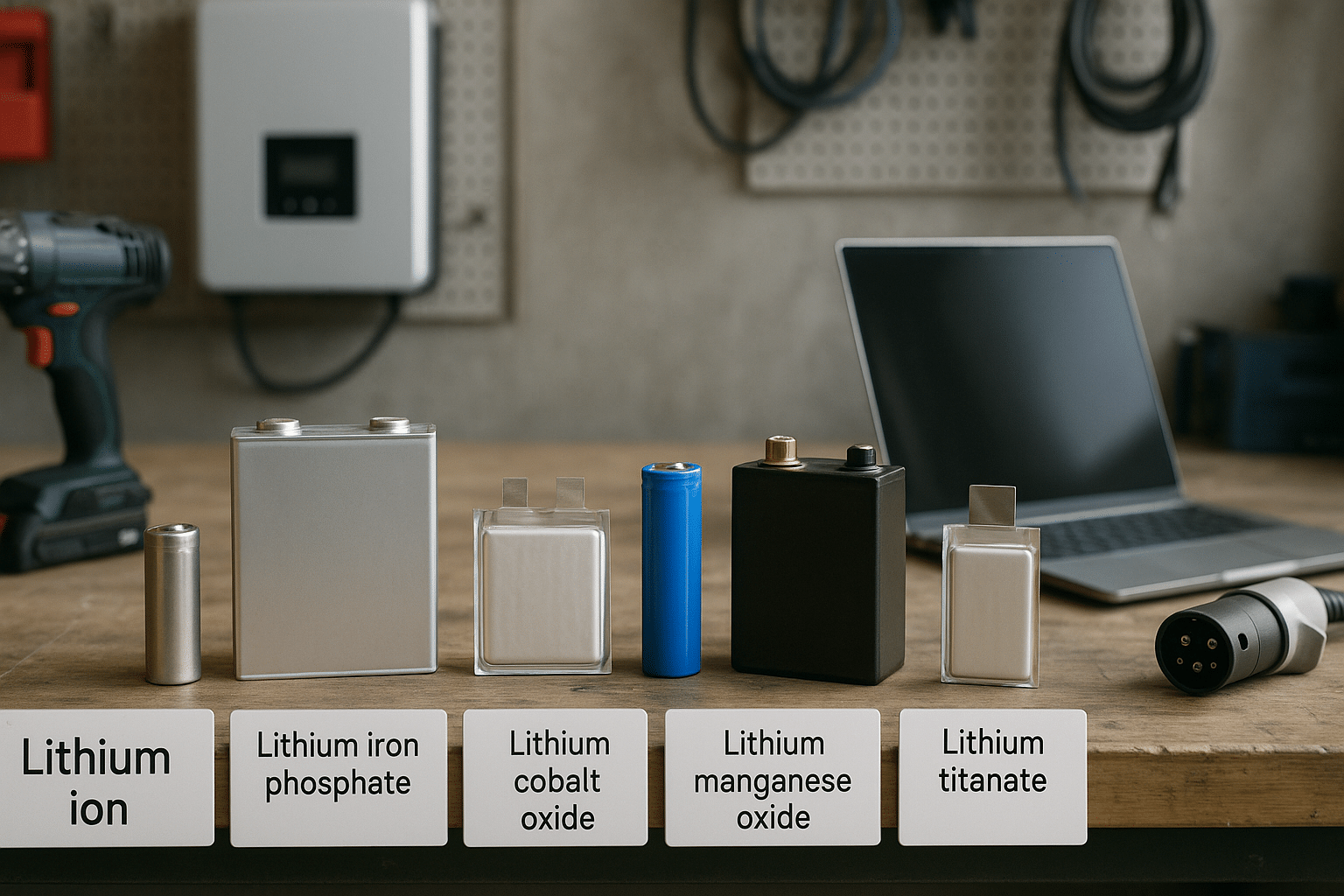
The cathode is the positive electrode during discharge. It is made from a compound that undergoes reduction—a chemical reaction in which atoms or molecules gain electrons. In alkaline cells, the cathode is manganese dioxide ($\text{MnO}_2$). In lithium-ion cells, it is typically a lithium metal oxide, such as lithium cobalt oxide ($\text{LiCoO}_2$) or lithium iron phosphate ($\text{LiFePO}_4$). The cathode material attracts the electrons coming through the external circuit from the anode.
3. The Electrolyte
The electrolyte is a chemical medium—either liquid, gel, or solid—that fills the space between the anode and the cathode. The fundamental characteristic of an electrolyte is that it is an ionic conductor but an electrical insulator. It allows positively charged ions to migrate internally between electrodes while completely blocking free electrons from taking a shortcut through the inside of the cell.
4. The Separator
Positioned within the electrolyte, the separator is a micro-porous membrane that physically prevents the anode and cathode materials from touching each other. If the two solid electrode materials were to make direct physical contact, an internal short circuit would occur. This would cause rapid chemical reaction, intense heat generation, and complete loss of usable external electrical current.
The Mechanics of Electric Current: Driving Electrons Through a Device
The movement of electricity through a device requires two distinct flows happening simultaneously: an internal movement of ions and an external movement of electrons.
- EXTERNAL CIRCUIT:
- Anode (-)
- Electrons Power Device
- Cathode (+)
- INTERNAL CELL:
- Anode (-)
- Positive Ions Flow
- Cathode (+)
Potential Difference and Voltage
The force pushing electrons through an electronic device is called electromotive force (EMF) or voltage. Voltage represents the difference in electrical potential energy per unit charge between the anode and the cathode.
The magnitude of this potential difference depends on the chemical elements used. For example, the chemical propensity of lithium to shed its outer electron is far greater than that of zinc. As a result, a single lithium-ion cell typically yields a nominal voltage of 3.6 to 3.7 volts, whereas an alkaline zinc cell produces roughly 1.5 volts.
The Role of the External Load
When a device is turned off, the internal chemical reaction reaches a state of temporary equilibrium. Electrons accumulate at the anode, creating a negative charge build-up that halts further oxidation.
When you activate the device, you place an electrical load (such as a screen, processor, or motor) across the terminals. The excess electrons at the anode now have an available path toward the positive cathode, which is chemically pulling electrons toward itself.
Because electrons are strictly blocked from traveling through the internal electrolyte, they must take the path of least resistance through the external circuit:
- An atom at the anode oxidizes, releasing electrons into the terminal.
- The electrons flow through the device's conductive traces, powering microchips, lights, or motors along the way.
- The electrons arrive at the cathode, where they participate in a reduction reaction.
- Concurrently, positively charged ions travel internally through the electrolyte from the anode to the cathode to maintain overall electrical neutrality inside the cell.
If ion transport inside the electrolyte stops, or if the external circuit breaks, electron flow halts immediately, and the device turns off.
Comparing Battery Chemistries Used in Electronic Devices
Different devices require different electrochemical systems depending on energy density demands, weight constraints, operating temperature ranges, and cost requirements.
| Battery Chemistry | Nominal Voltage | Energy Density (Wh/kg) | Reversibility | Common Device Applications |
|---|---|---|---|---|
| Alkaline (Zinc / Manganese Dioxide) | 1.5 V | 80 – 160 | Non-rechargeable (Primary) | TV remotes, wall clocks, low-drain toys |
| Nickel-Metal Hydride (NiMH) | 1.2 V | 60 – 120 | Rechargeable (Secondary) | Cordless phones, camera flashes, AA/AAA rechargeables |
| Lithium-Ion (Li-ion Graphite/LCO) | 3.6 V – 3.7 V | 150 – 290 | Rechargeable (Secondary) | Smartphones, laptops, tablet computers, drones |
| Lithium Iron Phosphate (LiFePO4) | 3.2 V | 90 – 160 | Rechargeable (Secondary) | Power stations, electric vehicles, medical devices |
| Lead-Acid | 2.0 V (per cell) | 30 – 50 | Rechargeable (Secondary) | Automotive starters, uninterruptible power supplies (UPS) |
| Solid-State Lithium Metal | 3.7 V – 4.2 V | 300 – 500+ | Rechargeable (Secondary) | Emerging high-density electronics, advanced EVs |
Primary vs. Secondary Batteries: Single-Use vs. Rechargeable Systems
Not all battery reactions behave identically when their chemical energy is exhausted. Batteries fall into two primary categories based on the reversibility of their internal electrochemistry.
- DISCHARGE MODE (Delivering Energy):
- Anode (Releases Electrons)
- Device
- Cathode (Accepts Electrons)
- CHARGE MODE (Restoring Energy):
- Cathode
- Charger (Forces Electrons)
- Anode (Pulls Electrons)
Primary Batteries (Non-Rechargeable)
Primary batteries, such as standard alkaline or zinc-carbon cells, utilize irreversible chemical reactions. As the anode oxidizes and the cathode reduces, the original materials undergo permanent structural and chemical transformations.
For instance, zinc metal converts into zinc oxide, while manganese dioxide reduces into manganese oxide compounds. Forcing an external electrical current backward through a primary cell does not cleanly reverse these crystal structure changes; instead, it frequently causes hydrogen gas build-up, casing rupture, and electrolyte leakage.
Secondary Batteries (Rechargeable)
Secondary batteries—including lithium-ion, NiMH, and lead-acid—utilize reversible electrochemical reactions. The physical structure of the electrode materials allows ions to leave and re-enter without permanently destroying the host lattice.
During discharge, lithium ions move spontaneously from the graphite anode to the lithium cobalt oxide cathode, driving electrons through the connected device. During charging:
- An external power supply (plugged into an AC wall outlet) applies a higher voltage than the battery's current potential.
- This external force pulls electrons out of the cathode and forces them into the anode.
- Positively charged lithium ions are forced out of the cathode lattice, traveling back through the electrolyte to re-intercalate between the graphite layers of the anode.
- Once all ions return to the anode, the battery's potential chemical energy is restored.
Why Batteries Wear Down and Fail Over Time
Even rechargeable batteries do not last indefinitely. Every time a battery undergoes a charge and discharge cycle, small structural and chemical degradation events occur.
1. Solid Electrolyte Interphase (SEI) Layer Growth
In lithium-ion cells, a thin protective layer called the Solid Electrolyte Interphase (SEI) naturally forms on the graphite anode during initial charging. While necessary to stabilize the electrode, this layer continually thickens over hundreds of charge cycles. As it grows, it traps active lithium ions permanently, reducing the total available capacity of the battery.
2. Internal Resistance Increase
As electrolytes decompose and micro-cracks develop in the electrode active materials due to mechanical stress from ion insertion, internal resistance rises. High internal resistance causes more electrical energy to be wasted as heat rather than powering the device, leading to faster battery drain and voltage drops under heavy processing loads.
3. Thermal Stress and High Voltage Decay
Operating or charging devices at elevated temperatures accelerates side reactions between the electrolyte and the active materials. Storing a battery at 100% state-of-charge for extended periods places maximum chemical stress on the cathode, leading to structural oxygen release and capacity fade.
The Essential Role of the Battery Management System (BMS)
Modern electronic devices powered by high-density lithium batteries rely on a specialized electronic circuit board called the Battery Management System (BMS). Lithium chemistry is sensitive to operating conditions, and the BMS serves as a real-time monitor and safeguard.
- BATTERY MANAGEMENT SYSTEM (BMS)
- Inputs and Monitoring:
- Voltage Sensing (Over/Under Charge)
- Current Sensing (Overcurrent Cut)
- Temp Sensor
- Control Output:
- Safety Cutoff Switch
- Inputs and Monitoring:
The BMS performs several critical control functions:
- Overcharge Protection: Stops external current flow when the cell voltage reaches its maximum safe threshold (typically 4.2V to 4.4V per lithium-ion cell), preventing thermal runaway.
- Over-discharge Protection: Cuts power when the cell voltage drops too low (typically below 2.5V to 3.0V), preventing permanent degradation of the anode current collector.
- Temperature Monitoring: Disables charging or throttles device performance if internal thermal sensors detect temperatures above safe operational parameters.
- Cell Balancing: Ensures that multiple cells connected in series maintain identical voltage levels, optimizing overall battery pack life and usable capacity.
Frequently Asked Questions
Do batteries store actual electricity inside them?
No. Batteries store chemical energy, not pure electricity. Electricity is generated only when the battery's terminals are connected to an external circuit, triggering a redox reaction that releases free electrons through the wire.
Why do electronic devices stop working when the battery "dies"?
A battery "dies" when the chemical reactants at the anode are largely consumed or when internal resistance rises too high to maintain the required voltage. Without sufficient chemical potential difference, electrons can no longer be pushed through the device's circuit.
Why do low temperatures make device batteries drain much faster?
Cold temperatures slow down chemical reaction rates and reduce ion mobility within the electrolyte. This increases the internal resistance of the battery, causing a larger voltage drop when the device demands power, which triggers low-battery shutoff thresholds prematurely.
What is the difference between battery voltage and battery capacity?
Voltage (measured in Volts, V) represents the electrical force or potential difference the battery provides. Capacity (measured in milliampere-hours, mAh, or watt-hours, Wh) measures the total volume of electrical charge the battery can deliver over time before its chemicals are exhausted.
Why do rechargeable batteries swell up when they fail?
Battery swelling occurs when internal electrolyte decomposition generates gases such as carbon dioxide, carbon monoxide, or methane. This decomposition is usually caused by physical damage, manufacturing defects, overcharging, or exposure to excessive heat.
Best Practices for Maximizing Device Battery Life
To get the longest lifespan out of modern rechargeable devices:
- Keep Operating Temperatures Moderate: Avoid leaving smartphones or laptops in direct sunlight or hot vehicles. Heat accelerates chemical breakdown inside the electrolyte and cathode.
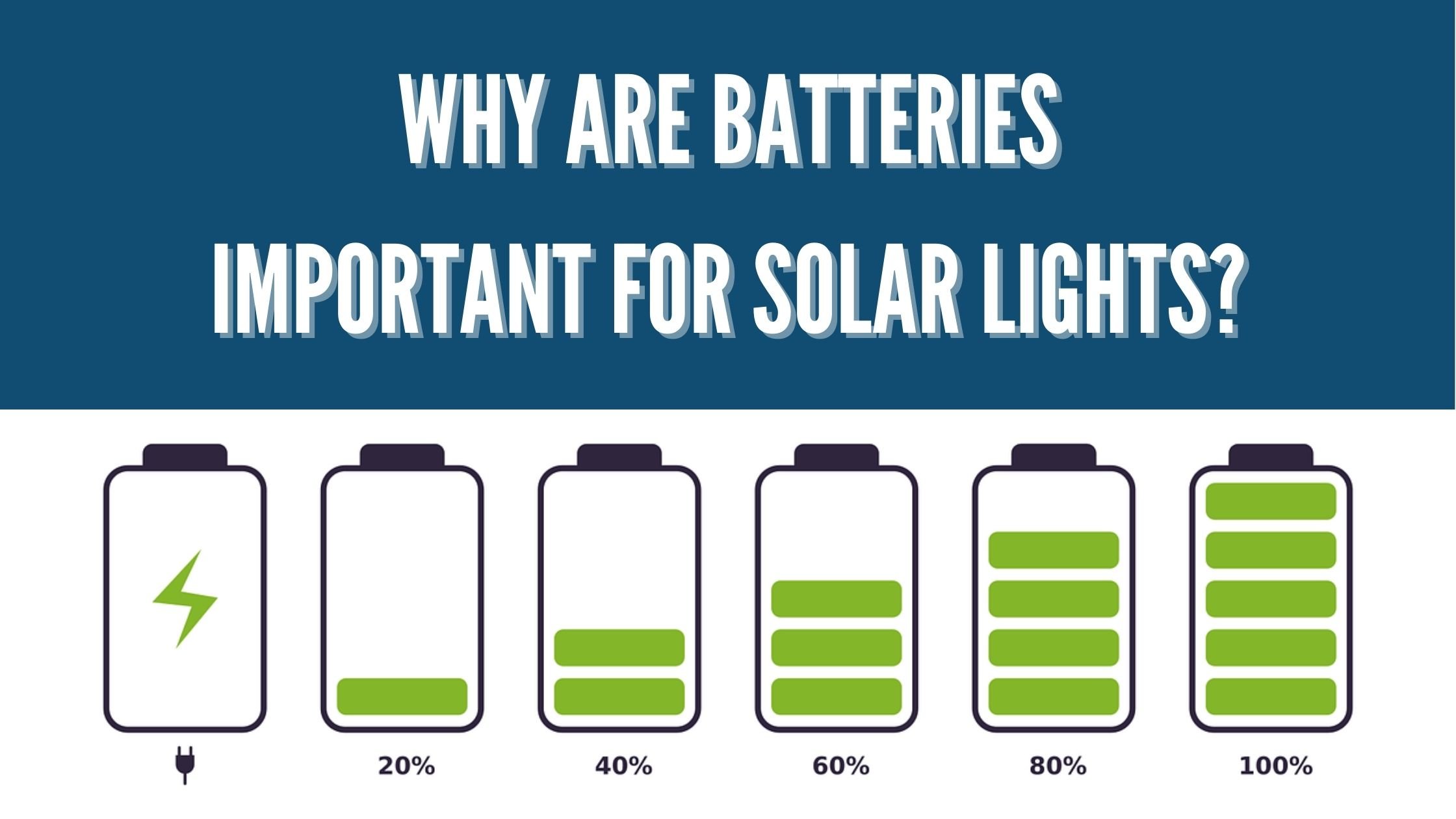
- Avoid Deep Discharges: Lithium-ion batteries experience less structural stress when cycled between 20% and 80% capacity rather than drained to 0% routinely.
- Use Certified Chargers: Always use power adapters compliant with manufacturer specifications. Low-quality chargers can supply erratic voltages that bypass or strain the internal Battery Management System.
- Store at Half Charge for Long Periods: If storing a device unused for several months, charge or discharge its battery to approximately 50% capacity and store it in a cool environment to minimize chemical oxidation decay.
Image Gallery