Aesthetic Clinic Software: The Ultimate Guide to AI-Powered Appointment CRM Systems in 2026
Modern aesthetic clinic software in 2026 integrates advanced artificial intelligence with customer relationship management (CRM) and appointment scheduling to automate patient workflows, predict booking trends, and personalize treatmen...
Modern aesthetic clinic software in 2026 integrates advanced artificial intelligence with customer relationship management (CRM) and appointment scheduling to automate patient workflows, predict booking trends, and personalize treatment plans. By centralizing medical records, marketing, and financial data, these platforms allow clinics to increase retention rates and optimize revenue through intelligent, data-driven automation.
Contents
The Convergence of Scheduling, CRM, and AI in Aesthetic Practice
The landscape of aesthetic medicine—encompassing medical spas, dermatology clinics, and plastic surgery centers—has shifted from simple digital record-keeping to unified ecosystem management. In 2026, the distinction between a "booking tool" and a "business intelligence platform" has vanished. Successful practices now rely on a "Triple Threat" architecture: seamless appointment logistics, deep-dive CRM data, and an AI layer that interprets that data.
This integration addresses the primary pain point of modern practitioners: administrative burnout. By utilizing AI-driven appointment CRM systems, clinics can manage the entire patient lifecycle—from the first Instagram ad click to the six-month post-treatment follow-up—without manual intervention at every step. This automation ensures that practitioners spend more time on clinical outcomes and less on coordinating schedules or chasing leads.
Core Components of Modern Aesthetic Software
To understand why this technology is transformative, one must break down the three primary pillars of the software:
1. Advanced Appointment Scheduling
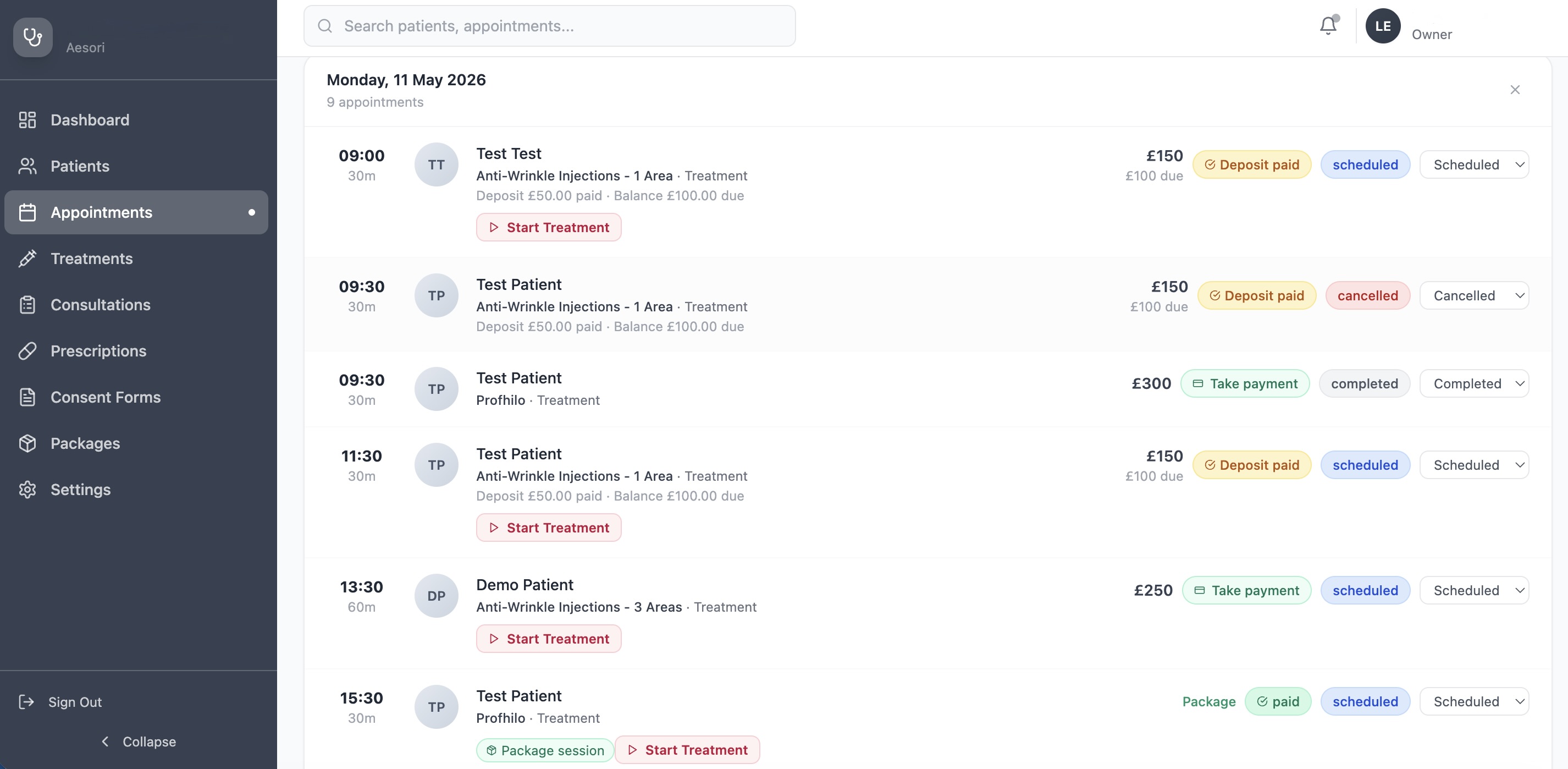
In 2026, scheduling is no longer a passive calendar. It is a dynamic revenue management tool. High-end software now utilizes dynamic availability, which prioritizes high-value treatments during peak hours and offers "flash discounts" for traditionally slow periods.
- Synchronous Booking: Real-time integration with practitioner calendars across multiple locations.
- Deposit Integration: Automated collection of non-refundable deposits to mitigate the financial impact of no-shows.
- Resource Allocation: Ensuring that a room, a specific laser device, and a qualified nurse are all available simultaneously before confirming a slot.
2. The Evolutionary CRM
The CRM is the "brain" of the clinic. It stores more than just contact information; it tracks the Patient Journey.
- Behavioral Tracking: Knowing which patients engage with Botox content vs. Dermal Filler content allows for hyper-targeted marketing.
- Automated Loyalty Programs: The system calculates loyalty points and rewards automatically, prompting patients to book their next session when their points balance reaches a certain threshold.
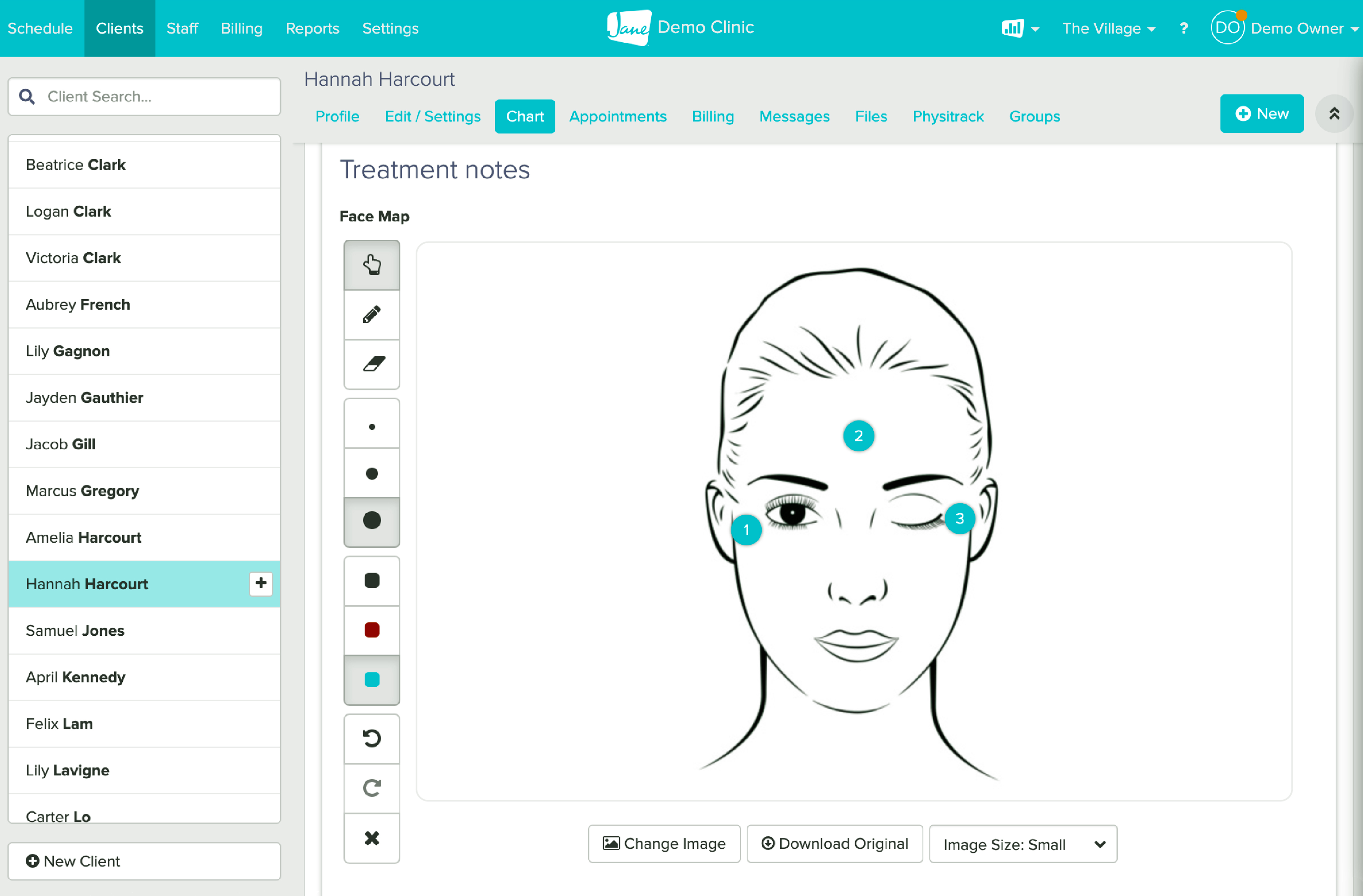
- Before-and-After Management: Integrated photo galleries with standardized lighting overlays help practitioners demonstrate results, which are then securely stored in the patient's HIPAA-compliant profile.
3. The AI Layer
The AI component acts as an "invisible assistant." In 2026, this includes Generative AI for drafting consultation summaries and Predictive Analytics for inventory management. AI can analyze past booking patterns to predict which patients are at high risk of cancelling and proactively send them a personalized confirmation message or a small incentive to attend.
How AI Specifically Enhances Appointment and CRM Functions
AI is the catalyst that turns a static database into a proactive growth engine. In 2026, clinic owners look for four specific AI functionalities:
Predictive Booking and No-Show Prevention
AI algorithms analyze historical data to identify "no-show" signatures. If a patient has a history of rescheduling or if they booked their appointment during a busy holiday window, the AI adjusts the reminder frequency. Furthermore, Predictive Filling identifies gaps in the schedule 48 hours in advance and automatically texts "Waitlist" patients who have expressed interest in that specific time slot.
Automated Patient Inquiries and Chatbots
Natural Language Processing (NLP) has evolved significantly. Modern aesthetic chatbots can handle complex queries about pre-treatment instructions (e.g., "Can I take aspirin before my filler?") or post-care concerns. These bots are trained on the specific protocols of the clinic, ensuring that medical advice remains consistent with the head practitioner's standards.
Sentiment Analysis and Review Management
AI monitors patient communication across emails, SMS, and reviews. If the system detects "dissatisfaction" in a post-treatment survey, it immediately flags the record for a manager’s attention before a negative public review is posted. Conversely, it identifies "highly satisfied" patients and automatically prompts them to leave a Google or Yelp review, boosting the clinic’s online reputation.
Smart Inventory and Supply Chain Integration
The CRM tracks every milliliter of product used during a treatment. The AI then correlates this with upcoming appointments to predict when a clinic will run out of specific neurotoxins or fillers, automatically generating purchase orders. This prevents "out-of-stock" scenarios that lead to lost revenue.
Comparing Leading Software Architectures in 2026
When selecting a platform, clinics generally choose between three architectural styles. The following table compares their efficacy in a high-volume environment.
| Feature | All-in-One AI Platforms | Modular/Best-of-Breed | Legacy Systems (Updated) |
|---|---|---|---|
| Data Sync | Real-time; single database | Requires API connectors | Periodic/Batch updates |
| AI Capabilities | Native predictive models | Requires third-party AI tools | Basic rule-based automation |
| User Experience | Unified interface | Multiple logins/dashboards | Traditional desktop-style UI |
| Implementation | Fast (Cloud-based) | Complex (Multiple vendors) | Slow (Often on-premise) |
| Cost Structure | Monthly SaaS fee | Multiple subscriptions | High upfront; annual maintenance |
| Patient Portal | Fully integrated | Separate app | Limited web-view |
Implementation Strategies for Aesthetic Clinics
Transitioning to a sophisticated AI-driven CRM requires a structured approach to ensure data integrity and staff adoption.
- Data Cleaning: Before migrating to a new system, clinics must audit their current database. Remove duplicate profiles and ensure that patient contact information is formatted correctly.
- Staff Training: The most advanced AI is useless if the front-desk staff does not know how to interpret the data. Training should focus on "The AI-Assisted Workflow"—teaching staff to let the machine handle reminders while they focus on high-touch patient hospitality.
- Phased Rollout: Start with the core appointment and CRM functions. Once the team is comfortable, activate the AI marketing automation and predictive scheduling features.
- Compliance Audit: Ensure the software meets the latest 2026 standards for data protection. This includes HIPAA compliance in the United States or GDPR in Europe. In 2026, end-to-end encryption for patient photos and medical history is a non-negotiable standard.
Security, Privacy, and Ethical AI in 2026
The use of AI in medical aesthetics brings unique ethical considerations. AI-driven "beauty filters" or "simulation tools" that show predicted results must be used with caution to avoid creating unrealistic expectations. Clinics are legally required to disclose when AI is being used to analyze patient data or generate medical summaries.
Furthermore, data security remains paramount. With the rise of "Deepfake" technology and medical identity theft, aesthetic clinic software in 2026 must utilize multi-factor authentication (MFA) and biometric logins for practitioners. The Office of the National Coordinator for Health Information Technology (ONC) provides updated frameworks for ensuring that health IT systems remain interoperable yet secure.
Troubleshooting Common Software Issues
Even the most advanced systems face hurdles. Common issues in 2026 include:
- API Fragmentation: If using a modular system, updates to one software can break the connection to another. Ensure your "Best-of-Breed" stack has a dedicated technical support plan.
- AI "Hallucinations": Occasionally, Generative AI may misinterpret a practitioner's voice-to-text notes. A "Human-in-the-loop" verification process is essential for all clinical documentation.
- Over-Automation: If patients receive too many automated SMS reminders, they may opt-out. Use the CRM to track "Communication Fatigue" and adjust frequency accordingly.
Frequently Asked Questions
Can AI-driven software really reduce my no-show rate?
Yes. By using predictive modeling, the software identifies patterns in patient behavior. For example, if a patient historically cancels afternoon appointments, the AI will suggest morning slots during the booking process or require a higher confirmation deposit for that specific individual. Industry data in 2026 suggests these systems can reduce no-shows by up to 35%.
Is it difficult to switch from a legacy system to a modern AI CRM?
While data migration is always a technical challenge, most modern SaaS providers offer "White Glove" migration services. They use automated scripts to map your old data fields into the new system, typically completing the transition with less than four hours of downtime.
How does AI help with my clinic's marketing ROI?
AI analyzes which treatments yield the highest profit margins and which lead sources (e.g., Instagram, Google, Referrals) provide the most loyal patients. It then automatically reallocates your marketing budget toward the most successful channels, ensuring your spend is always optimized for the highest Return on Investment (ROI).
Does the software handle telehealth consultations?
Yes, most aesthetic clinic software in 2026 includes built-in, HIPAA-compliant video conferencing. These modules allow practitioners to conduct initial skin assessments or post-op check-ins virtually, with the AI automatically transcribing the session into the patient’s medical chart.
What is the average cost of these systems in 2026?
Costs vary based on the number of providers and locations. Generally, a comprehensive AI-driven platform costs between $300 and $800 per month. While more expensive than basic calendars, the revenue gained from automated re-bookings and saved staff time usually covers the cost within the first 60 days.
Next Steps for Clinic Owners
To stay competitive in 2026, clinic owners should perform a "Technology Audit." If your current software does not offer predictive scheduling or integrated AI-driven marketing, you are likely losing 15-20% of your potential annual revenue to inefficiencies.
Recommendation: Request a "Stress Test" demo from at least three vendors. Ask them specifically how their AI handles "orphaned leads"—those who inquire but don't book. The software that offers the most robust, automated follow-up sequence is usually the one that will provide the best long-term value.
Image Gallery