Understanding Unicellular and Multicellular Organisms: Definitions, Differences, and Biological Significance
Unicellular organisms are life forms consisting of a single cell that performs all necessary survival functions, while multicellular organisms are composed of multiple cells that differentiate and specialize to perform distinct tasks....
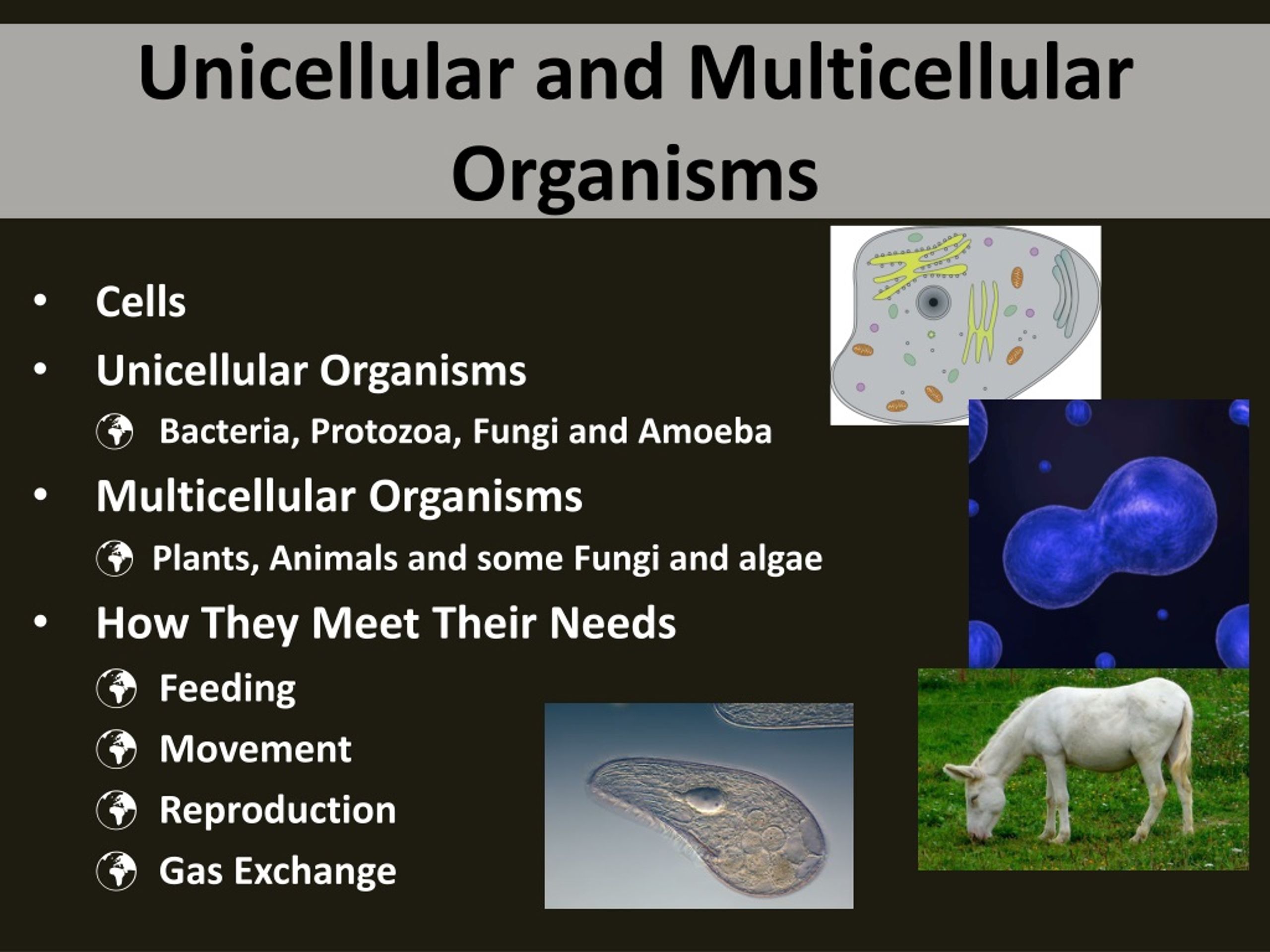
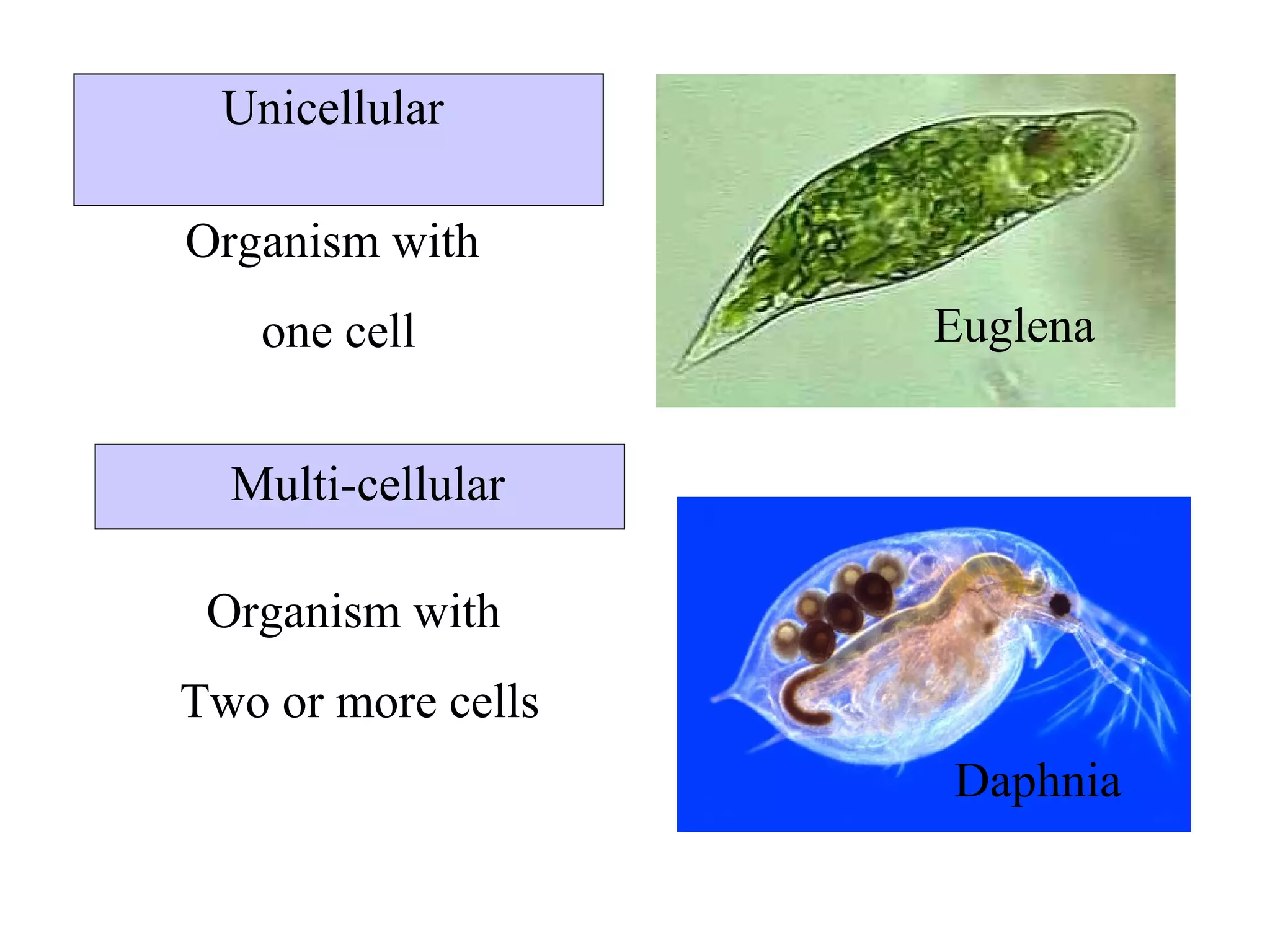
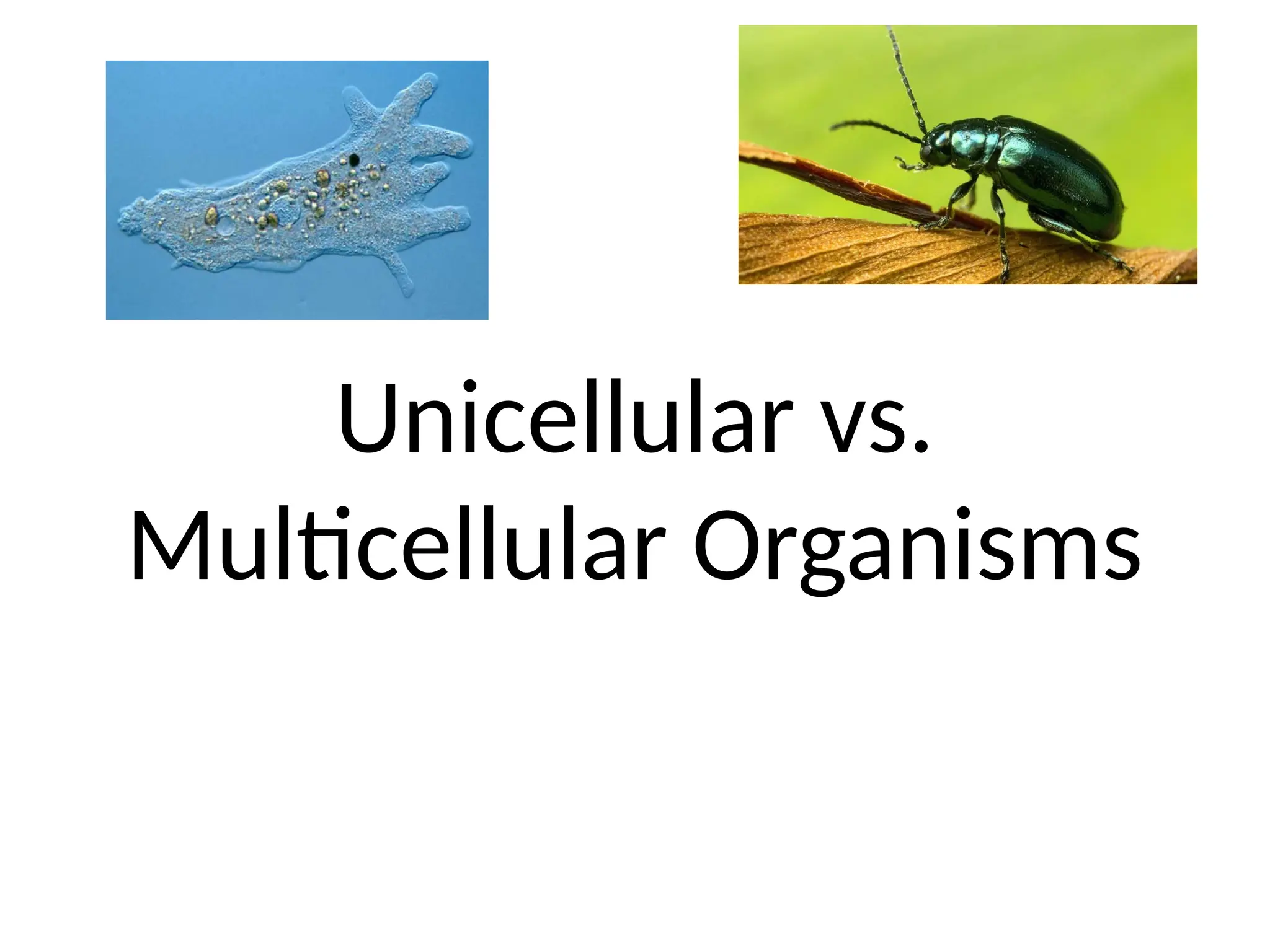
Unicellular organisms are life forms consisting of a single cell that performs all necessary survival functions, while multicellular organisms are composed of multiple cells that differentiate and specialize to perform distinct tasks. This distinction represents the most fundamental classification in biology, separating simple microscopic life from complex plants, animals, and fungi.
Contents
Biological life as we observe it in 2026 is categorized into two primary structural frameworks: unicellular and multicellular. While both types of organisms share the same basic requirements for life—such as the need for energy, the ability to reproduce, and the presence of genetic material—the manner in which they execute these processes varies significantly. The transition from single-celled existence to complex multicellularity is one of the most significant events in the history of life on Earth, enabling the vast diversity of species we see today.
Defining Unicellular Organisms: The Power of One
A unicellular organism, often referred to as a single-celled organism, is an individual that exists as a standalone functional unit. In these organisms, a single cell is responsible for metabolism, movement, waste excretion, and reproduction. Because they consist of only one cell, they are typically microscopic, though some exceptions, such as certain species of large algae (like Caulerpa lentillifera), can be seen with the naked eye.
Prokaryotic vs. Eukaryotic Unicellular Life
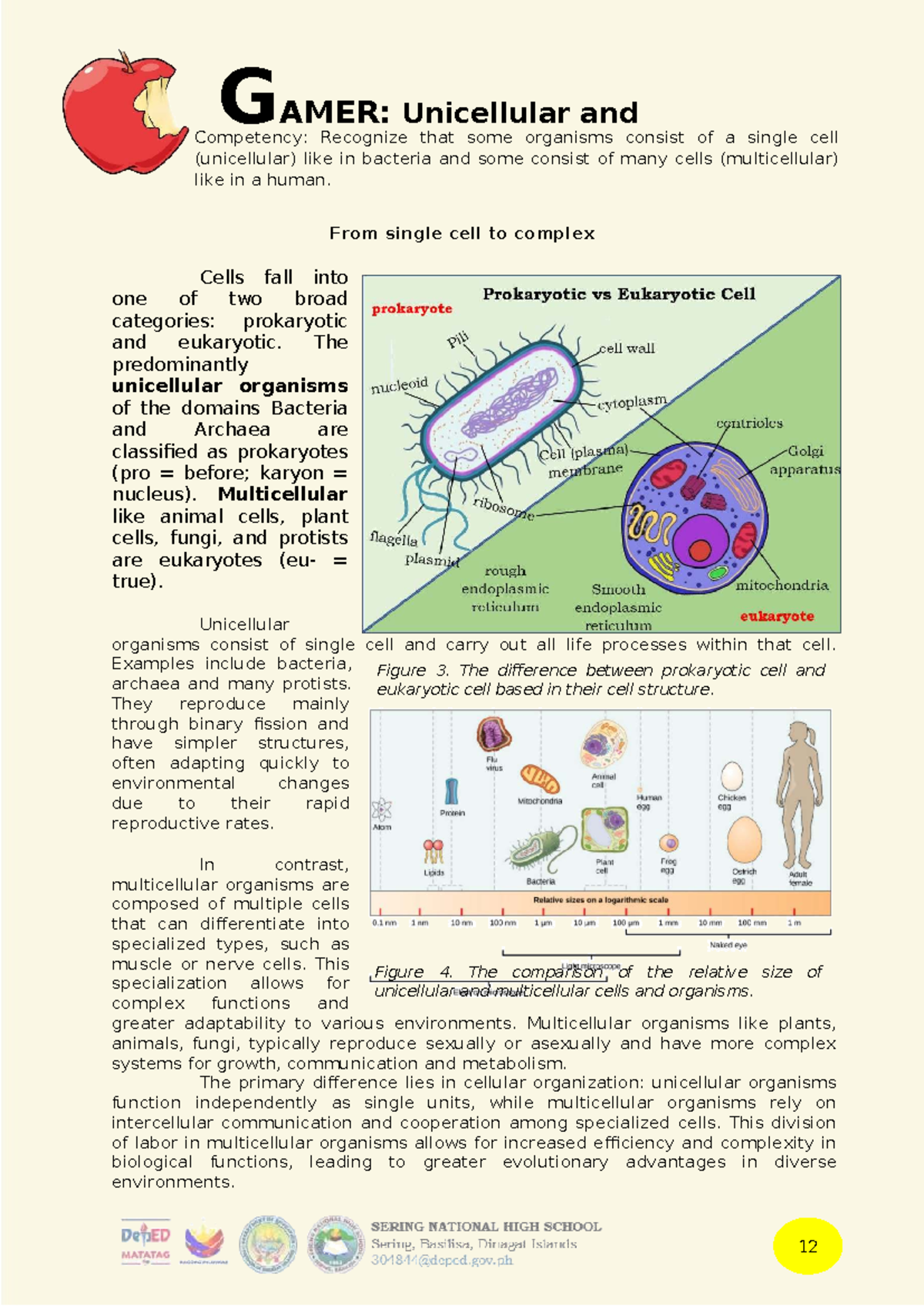
Unicellular organisms are found in both the prokaryotic and eukaryotic domains. Prokaryotes, which include Bacteria and Archaea, lack a defined nucleus and membrane-bound organelles. Their genetic material floats freely within the cytoplasm. These are the oldest forms of life, appearing billions of years ago.
Eukaryotic unicellular organisms, on the other hand, possess a nucleus and specialized organelles like mitochondria or chloroplasts. Examples include:
- Amoebas: Known for their irregular shapes and use of pseudopods (false feet) for movement.
- Paramecia: Ciliates that use hair-like projections to swim through aquatic environments.
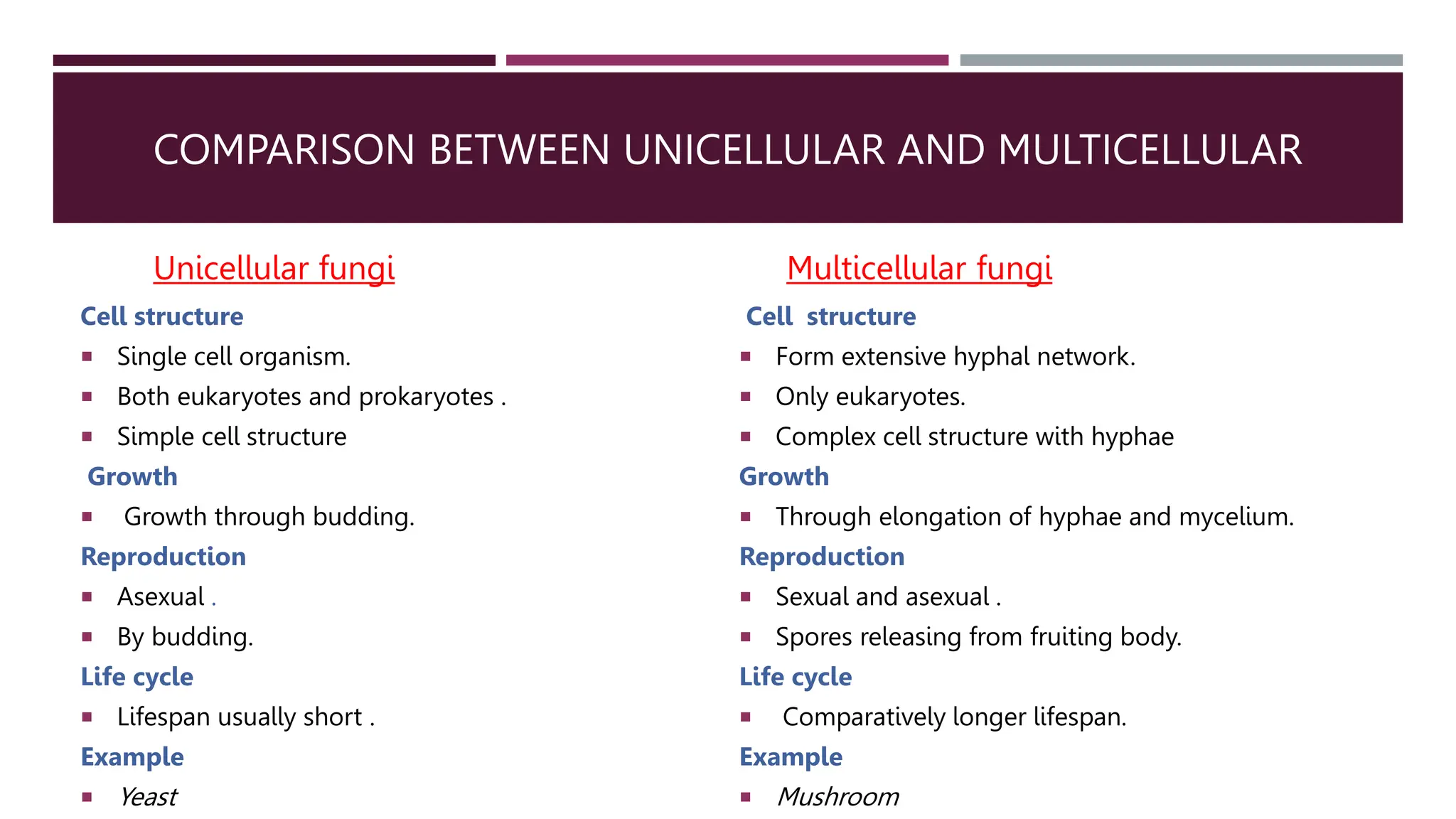
- Yeast: A unique type of unicellular fungus essential for fermentation and baking.
- Protists: A diverse group of organisms that do not fit into the animal, plant, or fungi kingdoms.
Functional Constraints of Single Cells
The primary limitation for unicellular organisms is the surface area-to-volume ratio. As a cell grows larger, its volume increases much faster than its surface area. Since the cell membrane is responsible for the intake of nutrients and the expulsion of waste, a cell that is too large cannot move materials efficiently enough to support its internal volume. Consequently, unicellular organisms remain small and rely heavily on diffusion to transport molecules.
Defining Multicellular Organisms: Strength in Numbers
Multicellular organisms are complex life forms composed of more than one cell. Unlike a colony of single cells where each individual can survive on its own, the cells in a multicellular organism are interdependent. These organisms range from simple sponges and jellyfish to highly complex structures like oak trees and human beings.
The Mechanism of Cell Differentiation
The defining characteristic of multicellularity is cell differentiation. While every cell in a multicellular organism contains the same DNA, different cells "turn on" or express specific genes to take on unique roles. This process allows for specialized functions that a single cell cannot manage simultaneously. For example:
- Muscle cells focus on contraction and movement.
- Nerve cells specialize in transmitting electrical signals.
- Red blood cells are optimized for carrying oxygen.
The Hierarchical Organization of Life
Multicellular organisms operate through a tiered system of organization that increases efficiency and capability. This hierarchy is structured as follows:
- Cells: The basic unit of structure and function.
- Tissues: Groups of similar cells working together (e.g., muscle tissue).
- Organs: Different tissues combined to perform a complex task (e.g., the heart).
- Organ Systems: Groups of organs working in tandem (e.g., the circulatory system).
- Organism: The total living entity.
This division of labor allows multicellular organisms to reach larger sizes, live longer, and inhabit a wider range of environments compared to their unicellular counterparts.
Key Differences Between Unicellular and Multicellular Organisms
The differences between these two groups extend beyond a simple cell count. They involve distinct strategies for survival, reproduction, and environmental interaction.
1. Complexity and Specialization
In unicellular organisms, the single cell is a "jack-of-all-trades." It must handle everything from digestion to defense. In multicellular organisms, specialization allows for much higher efficiency. However, this comes with a cost: most specialized cells lose the ability to survive independently if separated from the body.
2. Lifespan and Resilience
Multicellular organisms generally have longer lifespans. Because they consist of trillions of cells, the death of a single cell does not result in the death of the organism. Cells are constantly replaced through mitosis. In contrast, if the single cell of a unicellular organism is irreparably damaged, the entire organism dies.
3. Reproductive Strategies
Most unicellular organisms reproduce asexually through processes like binary fission or budding. This allows for rapid population growth but results in low genetic diversity. Multicellular organisms may reproduce asexually, but many utilize sexual reproduction, involving specialized germ cells (sperm and egg). This introduces genetic variation, which is a key driver of evolution and adaptation.
4. Size and Exposure
Multicellularity enables organisms to increase their size significantly. This provides a competitive advantage in many ecosystems, allowing for better protection from predators and the ability to travel long distances for resources. Unicellular organisms are largely restricted to microscopic sizes and are more susceptible to environmental changes in temperature, pH, or salinity.
Comparison Summary: Unicellular vs. Multicellular
The following table highlights the fundamental distinctions between the two types of biological organization.
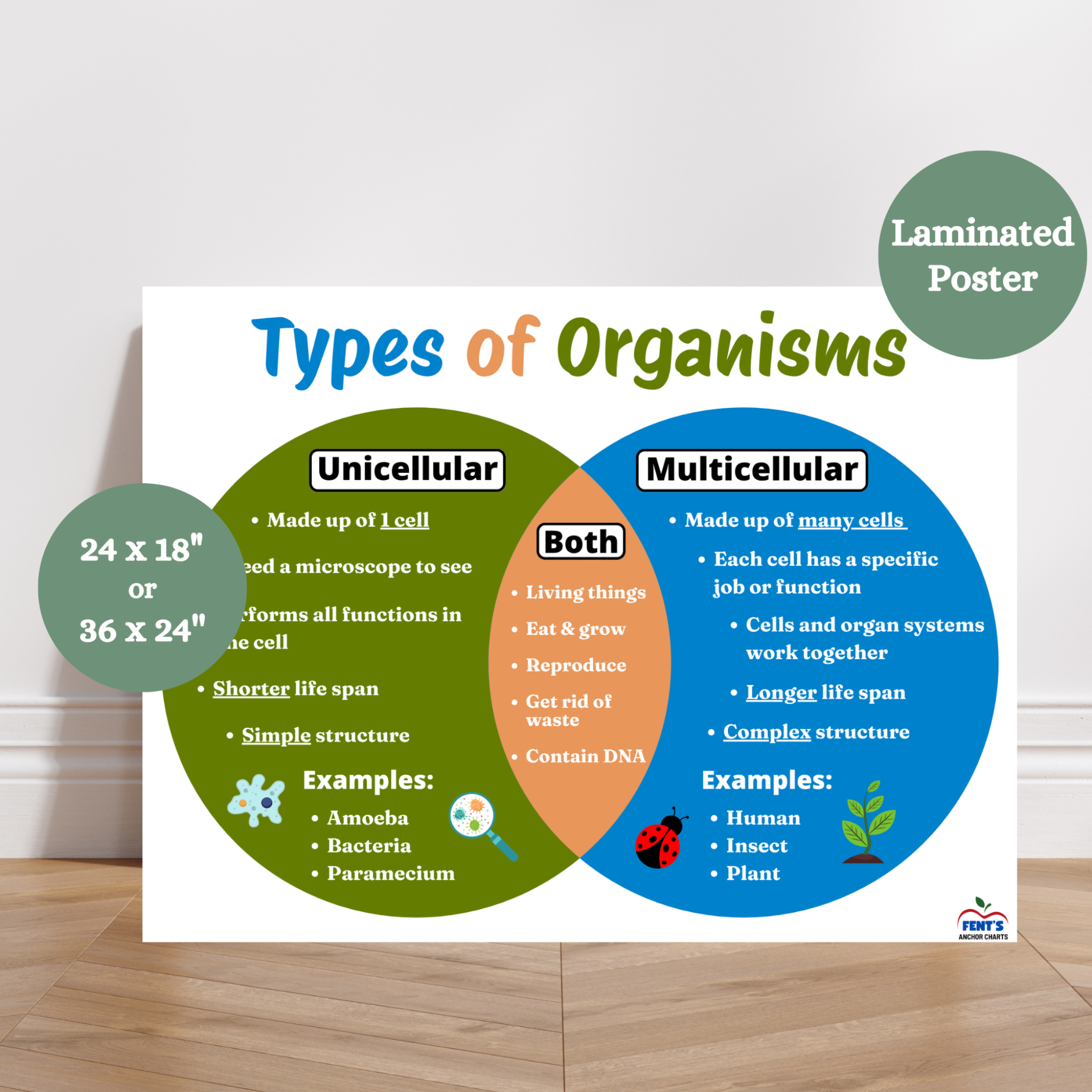
| Feature | Unicellular Organisms | Multicellular Organisms |
|---|---|---|
| Number of Cells | Always one single cell. | Two or more cells. |
| Organization Level | Protoplasmic/Cellular level. | Tissue, organ, and system levels. |
| Specialization | None; the cell performs all tasks. | High; cells differentiate for specific roles. |
| Exposure to Environment | Entire body is exposed to the environment. | Only outer cells are in direct contact. |
| Lifespan | Usually short due to high metabolic load. | Longer due to cell replacement and repair. |
| Reproduction | Primarily asexual (e.g., fission). | Sexual and/or asexual reproduction. |
| Examples | Bacteria, Amoeba, Yeast, Paramecium. | Humans, Animals, Plants, Mushrooms. |
| Transport Method | Simple diffusion and osmosis. | Complex systems (circulatory, vascular). |
The Evolutionary Leap: From One to Many
As of 2026, evolutionary biology identifies "colonial organisms" as the likely bridge between unicellular and multicellular life. In a colony, individual single-celled organisms live together for mutual benefit. A classic example is the Volvox, a green alga that forms spherical colonies.
While each cell in a Volvox colony can technically survive on its own, they begin to show the first signs of specialization—some cells focus on movement using flagella, while others focus on reproduction. Over millions of years, these colonies evolved into true multicellular organisms where cells became so specialized that they could no longer exist in isolation. This transition likely occurred independently multiple times across different lineages, including plants, animals, and fungi.
Survival Strategies and Environmental Adaptation
The choice between unicellular and multicellular existence is essentially a trade-off between efficiency and complexity.
Unicellular Survival: Single-celled organisms excel in environments where resources are sparse or highly variable. Their low energy requirements and rapid reproduction allow them to "bloom" quickly when conditions are favorable. For instance, bacteria can double their population in as little as 20 minutes. This makes them incredibly resilient to mass extinction events; while complex animals might die out, unicellular life often persists.
Multicellular Survival: Multicellular organisms dominate environments where they can utilize their size to manipulate their surroundings. Plants use their height to reach sunlight; animals use their nervous systems to hunt or migrate. Their complexity allows for homeostasis—the ability to maintain a stable internal environment (like body temperature) regardless of external changes. This internal stability is a luxury single-celled organisms generally do not have.
Frequently Asked Questions
Are all fungi multicellular?
No. While most people associate fungi with multicellular mushrooms and molds, the group also includes unicellular organisms like yeast. Yeast is a eukaryotic single-celled fungus that is vital to the food industry and biological research. Some fungi can even switch between unicellular and multicellular forms depending on environmental conditions, a trait known as dimorphism.
Can a multicellular organism survive if its cells are separated?
Generally, no. In complex multicellular organisms like mammals or plants, the cells have become so specialized that they lack the necessary components to perform all life functions alone. For example, a human skin cell cannot digest food or reproduce an entire organism on its own. However, some simple multicellular organisms, like sponges, have remarkable regenerative abilities and can sometimes reassemble if their cells are separated.
Why are there no giant unicellular animals?
The primary reason is the diffusion limit. A giant single-celled "animal" would have a volume so large that oxygen and nutrients would take too long to reach the center of the cell, and waste would build up to toxic levels before it could be expelled. Multicellularity solves this by using many small cells and specialized transport systems (like blood vessels) to move materials over long distances.
Is a virus unicellular?
No, a virus is neither unicellular nor multicellular. In fact, viruses are generally considered non-living or at the "edge of life" because they do not have a cellular structure at all. They consist of genetic material (DNA or RNA) encased in a protein coat and cannot reproduce or perform metabolism without hijacking the machinery of a host cell.
Are all bacteria unicellular?
Yes, bacteria are classic examples of unicellular prokaryotic organisms. While some bacteria can form complex structures like biofilms or long chains (streptococci), each individual bacterium remains a functional, self-contained unit. They do not exhibit the true tissue-level specialization required to be classified as multicellular.
Final Recommendations for Further Study
Understanding the difference between unicellular and multicellular life is a prerequisite for diving deeper into genetics, physiology, and ecology. For those looking to expand their knowledge, observing pond water under a basic microscope is a highly recommended next step. This allows for the direct observation of unicellular protists interacting with their environment. Additionally, exploring the National Center for Biotechnology Information (NCBI) or the Encyclopedia of Life can provide updated genomic data on how single-celled ancestors evolved into the complex life forms we recognize today.
Image Gallery