Understanding How a Female 58 Ideal Weight Is Calculated
The ideal weight for a 5-foot-8-inch female is not a single, immutable number but a range determined by mathematical formulas that account for height, body frame size, and physiological composition. While medical professionals often us...
The ideal weight for a 5-foot-8-inch female is not a single, immutable number but a range determined by mathematical formulas that account for height, body frame size, and physiological composition. While medical professionals often use the Body Mass Index (BMI) as a standard screening tool, they also integrate waist-to-hip ratios and body composition analysis to provide a more accurate assessment of individual health.
Contents
The Role of Body Mass Index (BMI)
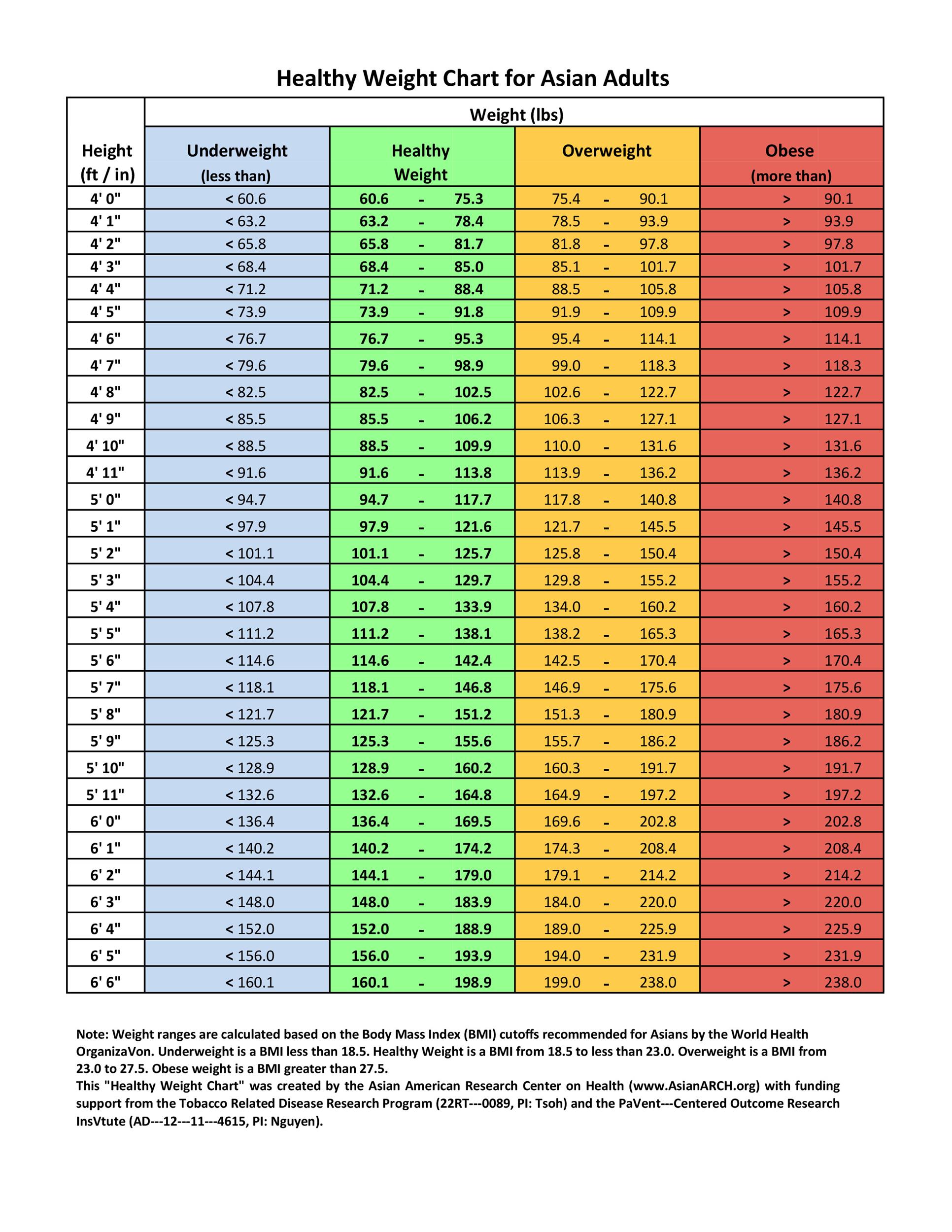
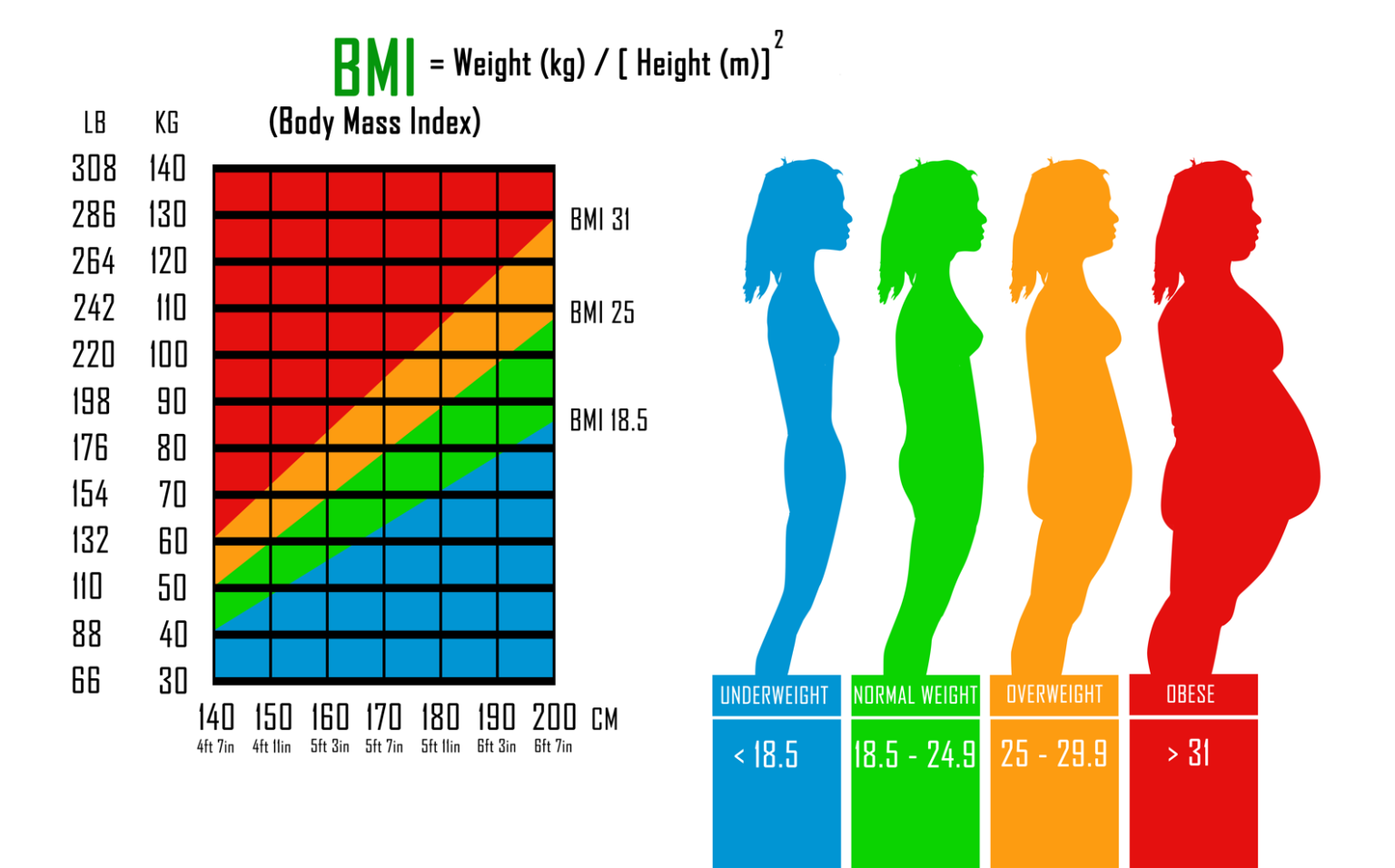
The most common method for estimating ideal weight is the Body Mass Index. For a woman standing 5 feet 8 inches tall (173 centimeters), the BMI formula—calculated as weight in kilograms divided by the square of height in meters—yields a "healthy weight" range typically defined by the World Health Organization (WHO) and the Centers for Disease Control and Prevention (CDC) as a BMI between 18.5 and 24.9.
To calculate this for a 5'8" female:
- Height conversion: 5'8" equals 68 inches, or approximately 1.73 meters.
- Lower bound (BMI 18.5): 18.5 × (1.73 × 1.73) ≈ 55.4 kg (122 lbs).
- Upper bound (BMI 24.9): 24.9 × (1.73 × 1.73) ≈ 74.5 kg (164 lbs).
While this provides a quick reference, BMI is a population-level metric. It does not distinguish between lean muscle mass and adipose tissue (body fat), meaning it may misclassify highly athletic individuals as overweight or individuals with low muscle mass as "healthy" when they may carry excess visceral fat.
The Devine Formula and Frame Size
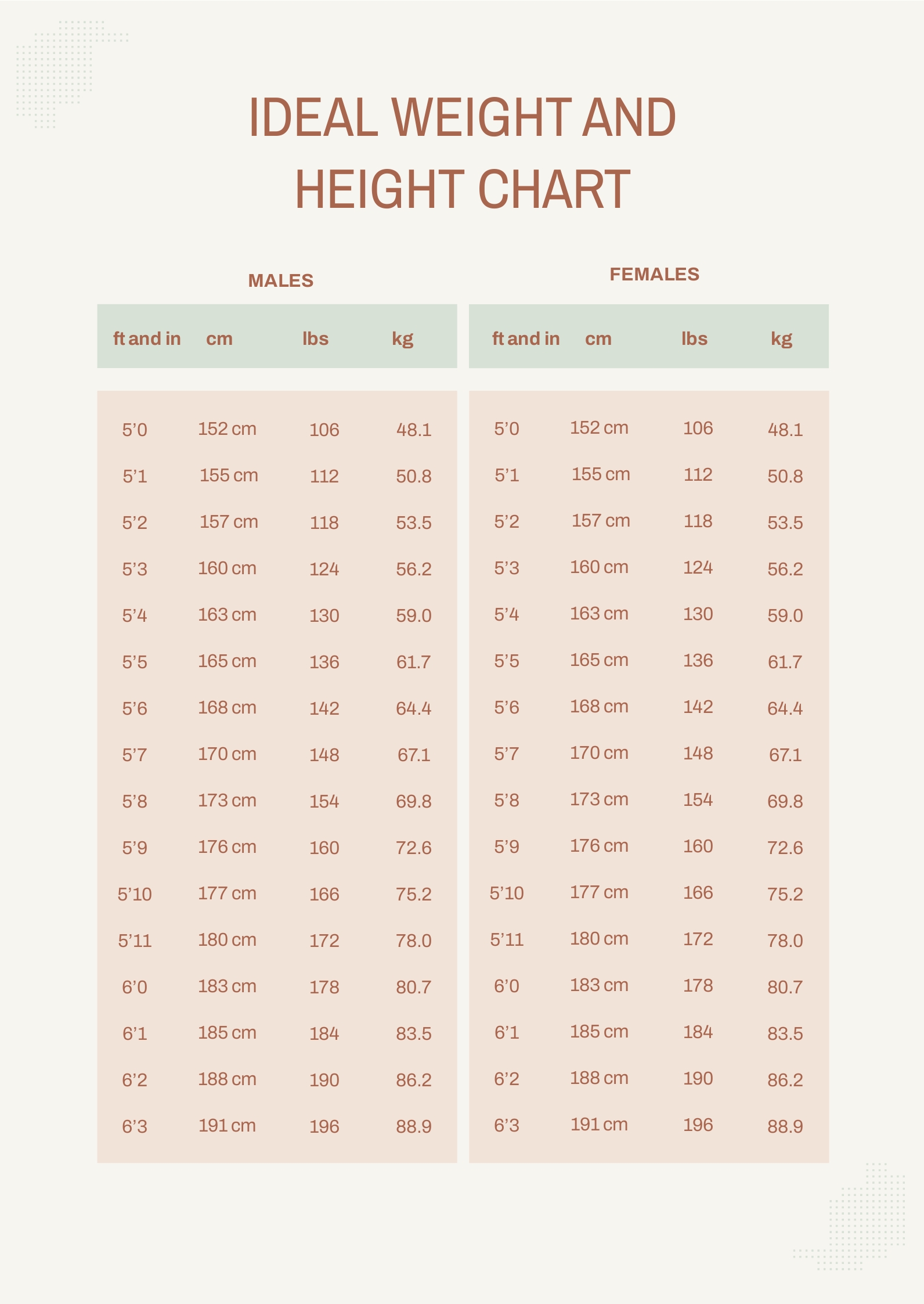
In clinical settings, doctors sometimes use the Devine Formula to estimate an "ideal body weight" (IBW), which was originally designed for calculating drug dosages. For a female, the formula is: 45.5 kg + 2.3 kg for every inch over 5 feet.
For a 5'8" female:
- Base: 45.5 kg
- Height over 5 feet: 8 inches
- Adjustment: 8 × 2.3 kg = 18.4 kg
- Calculated IBW: 45.5 + 18.4 = 63.9 kg (approx. 141 lbs).
This result is a specific target point rather than a range. However, it often ignores frame size. To refine this, experts utilize the r-ratio (height in cm divided by wrist circumference). A small, medium, or large frame can shift these weight targets by several pounds, as skeletal structure significantly impacts total body mass.
Comparative Weight Calculation Methods
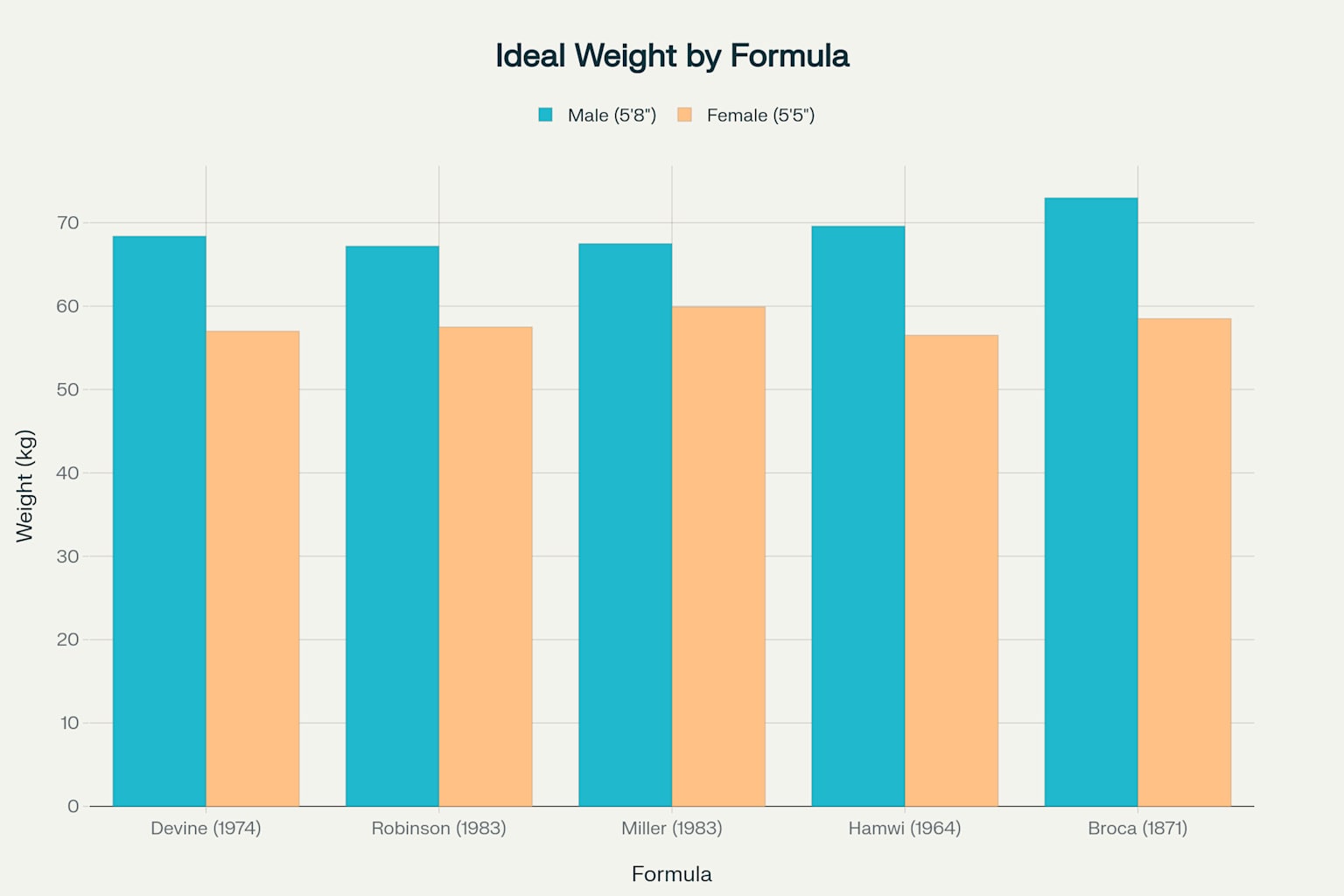
| Method | Focus | Typical 5'8" Result | Use Case |
|---|---|---|---|
| BMI Range | Population Health | 122 – 164 lbs | General screening |
| Devine Formula | Medication Dosing | ~141 lbs | Pharmacy/Clinical |
| Hamwi Method | Clinical Standard | 135 – 149 lbs | Nutritional planning |
| Miller Formula | Refined IBW | ~138 lbs | Long-term health trends |
Note: The Hamwi method adds a ±10% variation based on frame size.
Beyond the Scale: Body Composition
Because the scale cannot differentiate between fat and muscle, medical professionals in 2026 increasingly prioritize body composition. Muscle is denser than fat; therefore, a female at 5'8" with significant muscle mass may weigh more than the "ideal" 141 lbs calculated by the Devine formula while possessing a superior metabolic profile.
Methods to verify health status beyond total weight include:
- Waist-to-Hip Ratio (WHR): A measurement that identifies fat distribution. Women with a WHR of 0.85 or lower generally have a lower risk of metabolic diseases.
- Body Fat Percentage: Utilizing DEXA scans or bioelectrical impedance, clinicians can determine if a person's fat mass is within a range that promotes longevity and minimizes chronic disease risk.
- Visceral Fat Assessment: This specific fat, stored deep within the abdomen around organs, is a stronger predictor of health risks than total body weight.
Limitations of Mathematical Formulas
It is critical to recognize that mathematical models for weight are generalizations. They do not account for age-related changes, ethnicity, or hormonal fluctuations that naturally shift body composition as women age. As of 2026, medical consensus emphasizes that "ideal" weight is context-dependent. A healthy weight for an individual is one that supports their specific activity level, minimizes systemic inflammation, and is sustainable without restrictive or disordered eating patterns.
Frequently Asked Questions
Does muscle mass affect my "ideal" weight? Yes, significantly. If you have higher lean muscle mass, your weight will naturally be higher because muscle tissue is denser than fat. Focusing on body composition—such as body fat percentage—is more accurate than focusing on a scale number.
Why does the Hamwi formula differ from BMI? The Hamwi formula was developed as a clinical tool for medical professionals to estimate weight for drug dosing and nutritional support, whereas BMI is a statistical tool used to categorize risk at a population level. They serve different administrative and clinical purposes.
Should I use a different formula if I am over 60? Aging naturally involves a decrease in bone density and muscle mass. Many clinicians prefer to see a slightly higher BMI (within the "overweight" category) for older adults to provide a buffer against frailty and bone fractures, provided metabolic markers remain healthy.
Is there a way to calculate weight based on my frame? Yes, measuring your wrist circumference helps determine if you are small, medium, or large-framed. If you are small-framed, you might aim for the lower end of the BMI range; if you are large-framed, the higher end is often more sustainable and physically appropriate.
What should I do if my weight is outside these calculated ranges? If your weight is outside these ranges, consult a healthcare provider or a registered dietitian. They can evaluate your blood pressure, cholesterol, blood glucose, and lifestyle factors to determine if your weight is actually a health concern or if it is appropriate for your specific physiology.
Practical Next Steps
If you are evaluating your weight for health purposes, do not rely on a single calculation. First, determine your frame size using a wrist measurement. Second, look at your waist-to-hip ratio to assess fat distribution. Finally, if you are concerned about your weight, schedule an appointment with a primary care physician to conduct a full metabolic panel. This will provide a far more accurate picture of your health than any height-to-weight chart can offer.
Image Gallery