Black Population in Anchorage, Alaska: Demographics, History, and Community Overview
As of recent U.S. Census Bureau estimates, African Americans make up approximately 5.6% of the population in Anchorage, Alaska, when counting those identifying as Black alone, and roughly 8.5% when including multiracial individuals. Re...
As of recent U.S. Census Bureau estimates, African Americans make up approximately 5.6% of the population in Anchorage, Alaska, when counting those identifying as Black alone, and roughly 8.5% when including multiracial individuals. Representing over 16,000 residents, Anchorage's Black community plays an integral role in the city's uniquely diverse cultural, military, economic, and civic landscape.
Contents
Demographic Breakdown of Anchorage's Black Community
Anchorage is the largest municipality in Alaska, housing nearly 40 percent of the state’s total residents. While Alaska as a whole is often perceived as demographically homogeneous, Anchorage stands out nationally for its high level of ethnic and racial diversity. The Black population in Anchorage represents the largest concentration of African Americans in the state.
According to data from the U.S. Census Bureau, the demographic composition of Anchorage highlights both single-race self-identification and multiracial identities, reflecting broader national trends toward multiracial reporting.
| Demographic Category | Estimated Population (Anchorage) | Percentage of Total Population |
|---|---|---|
| Total Anchorage Population | ~288,000 | 100.0% |
| Black or African American Alone | ~16,100 | 5.6% |
| Black in Combination with Other Races | ~8,300 | 2.9% |
| Total Black Identification (Alone or in Combination) | ~24,400 | 8.5% |
| White Alone (Non-Hispanic) | ~160,000 | 55.6% |
| Asian Alone | ~27,500 | 9.5% |
| American Indian and Alaska Native Alone | ~26,000 | 9.0% |
| Two or More Races (Total) | ~31,000 | 10.8% |
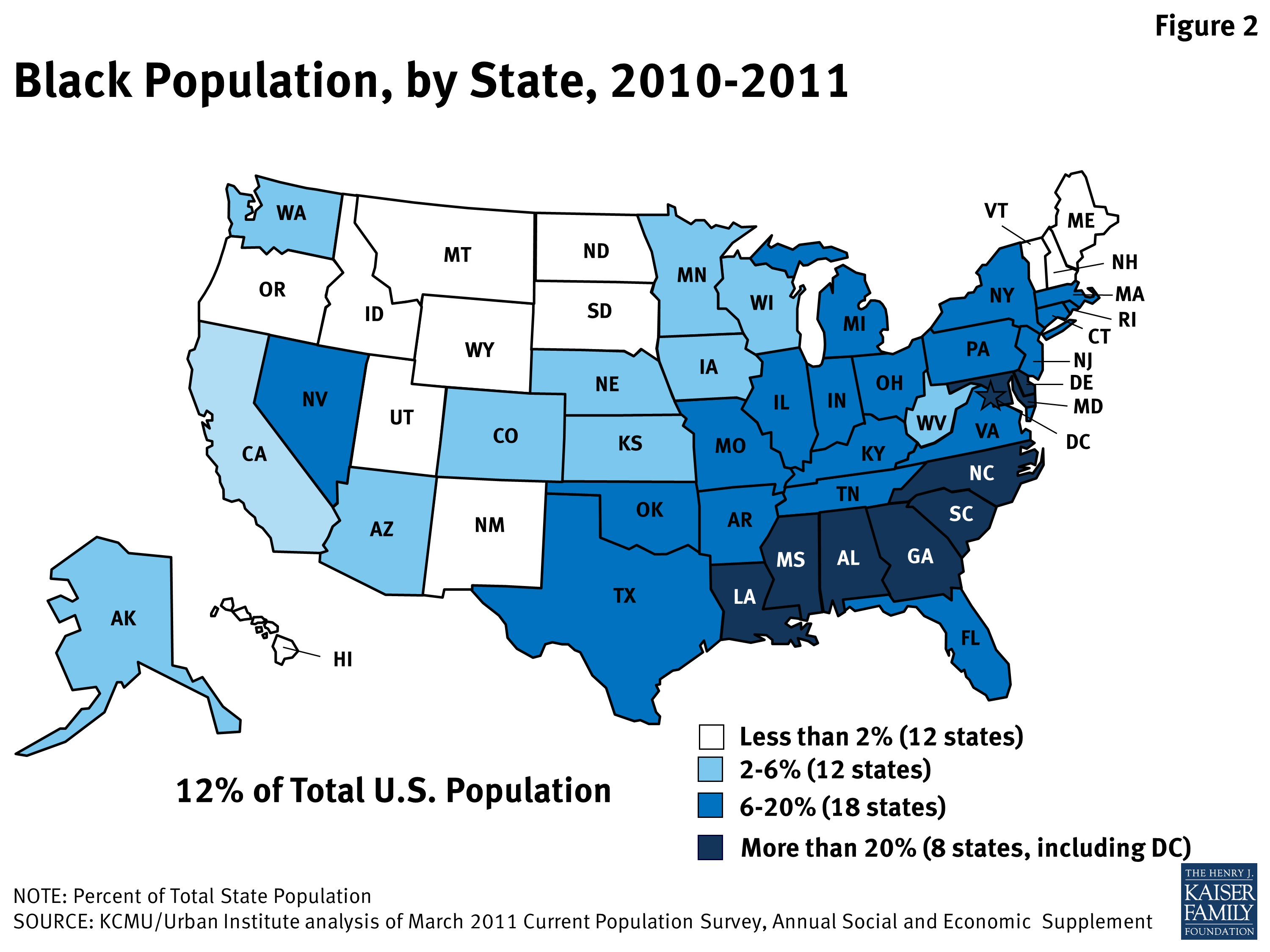
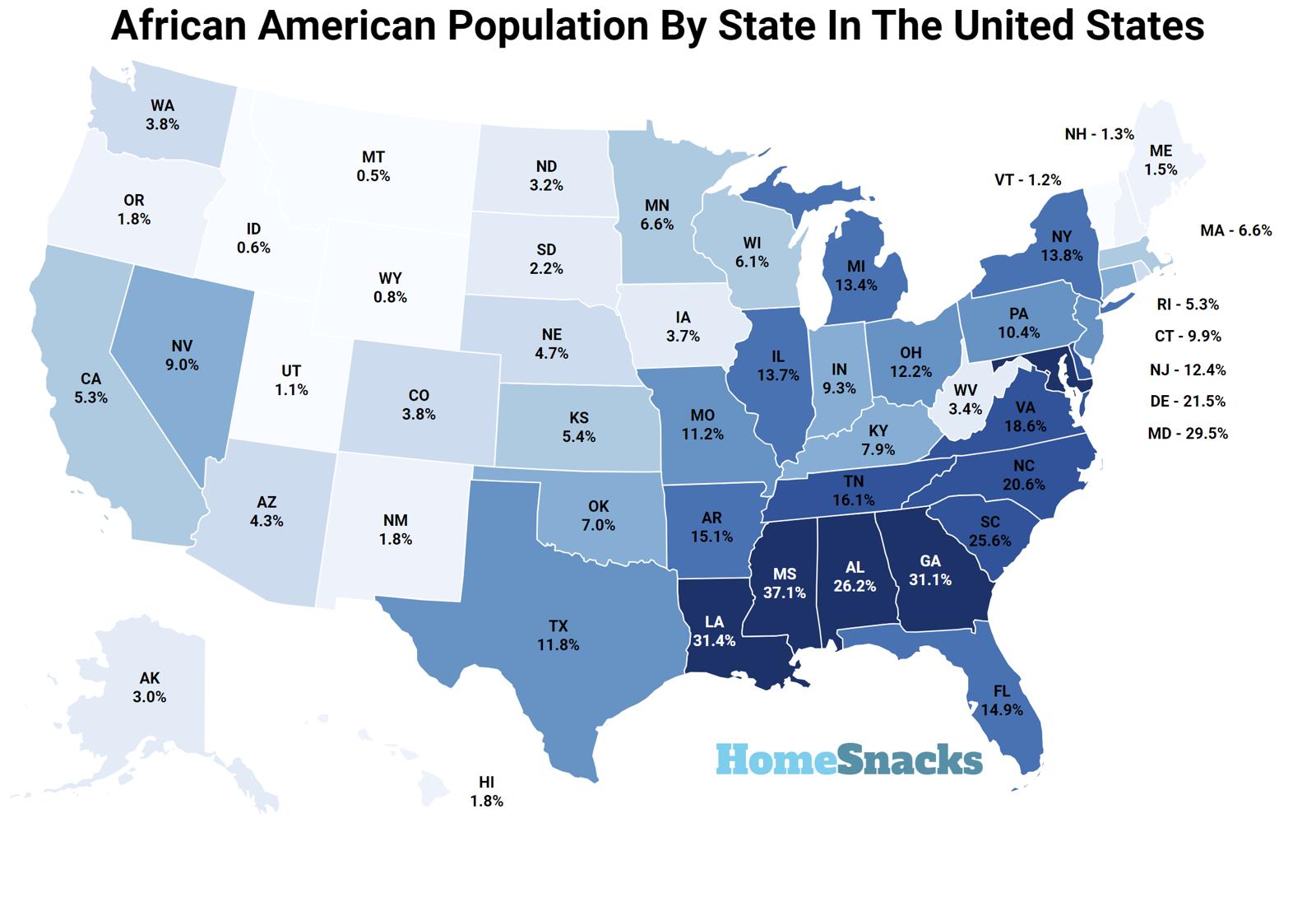
Compared to the national average—where Black or African American residents account for approximately 13.6% of the U.S. population—Anchorage’s single-race Black percentage (5.6%) is lower. However, within the state of Alaska, where the statewide Black population hovers around 3.8%, Anchorage acts as the central urban hub for Black Alaskans.
Historical Context: Migration and Growth Drivers
The growth of the Black community in Anchorage differs significantly from historical migration patterns observed in the American South, Midwest, or industrial North. Rather than stemming from agrarian shifts or early 20th-century industrial labor demand alone, Black settlement in Anchorage was largely shaped by federal military installations, major infrastructure projects, and civil service opportunities.
1. Military Infrastructure and Integration
The primary historical catalyst for Black migration to Anchorage was the U.S. Armed Forces. Following World War II and Executive Order 9981 in 1948, which desegregated the military, thousands of African American service members were stationed at Fort Richardson and Elmendorf Air Force Base (now combined as Joint Base Elmendorf-Richardson, or JBER).
Many Black service personnel who completed their tours in Alaska opted to stay, drawn by high wages, economic opportunities during Alaska’s territorial transition, and a desire to build communities in a developing region. Military retirees established deep roots in Anchorage, transitioning into federal civil service, local education, logistics, and private entrepreneurship.
2. The Trans-Alaska Pipeline and Economic Booms
The discovery of oil at Prudhoe Bay and the subsequent construction of the Trans-Alaska Pipeline System (TAPS) in the 1970s created an unprecedented economic surge. Thousands of workers relocated from the lower 48 states to Anchorage, which served as the operational and commercial center for the project.
African American skilled laborers, engineers, construction workers, and administrative staff moved to Anchorage during this period. High-paying union jobs in construction and support industries allowed many Black families to establish homeownership and generational stability in the city.
3. Civil Rights Milestones in Alaska
Despite Alaska's distance from the Deep South, African Americans in Anchorage faced mid-20th-century discrimination in housing, public accommodations, and employment. Black leaders played decisive roles in securing early civil rights legislation in the territory and state:
- Mahala Ashley Dickerson: Admitted to the Alaska bar in 1959, Dickerson was the first Black attorney in the state's history. She was a prominent advocate for civil rights, equal pay, and land ownership rights in Anchorage.
- Blanche L. McSmith: Appointed to the Alaska House of Representatives in 1960, McSmith was the first African American to serve in the Alaska State Legislature, advocating strongly for anti-discrimination statutes.
- Willard L. Bowman: A labor leader who served as the first director of the Alaska State Commission for Human Rights in 1963, Bowman was later elected to the Alaska State Legislature, serving until his death in 1975.
Neighborhood Distribution and School Diversity
The Black population in Anchorage is distributed across several key residential areas, though historical development and housing affordability have concentrated higher proportions in specific east Anchorage neighborhoods.
Mountain View and Fairview
Neighborhoods such as Mountain View and Fairview have historically been among the most diverse residential tracts in the United States. Census data consistently ranks Mountain View among the top census tracts nationally for racial and ethnic diversity.
Factors contributing to the demographic composition of these neighborhoods include:
- Proximity to Joint Base Elmendorf-Richardson (JBER).
- Concentration of affordable single-family housing and multi-family rental units.
- Established social networks, community centers, and houses of worship catering to diverse populations.
Anchorage School District Metrics
Demographic diversity in Anchorage is prominently visible within the Anchorage School District (ASD), the state's largest public school system. ASD routinely reports that its student body speaks over 100 different languages at home. African American students comprise roughly 5% to 6% of the district's K-12 enrollment, contributing to an educational environment where no single ethnic group forms an overwhelming majority in many East Anchorage schools, such as West Anchorage High School and East Anchorage High School.
Economic Profile and Professional Engagement
The economic status of Anchorage’s Black population reflects a mix of public sector stability and ongoing efforts to address income gaps present in private enterprise and leadership roles.
Key Employment Sectors
African American professionals in Anchorage are heavily represented across several key economic pillars:
- Public Sector and Civil Service: Federal agencies, state departments, the Municipality of Anchorage, and the U.S. Department of Veterans Affairs are major employers.
- Defense and Contracting: JBER contracts provide employment opportunities for defense personnel, logistics specialists, and cybersecurity experts.
- Healthcare Services: Anchorage serves as the medical hub for the entire state. Facilities such as Providence Alaska Medical Center, Alaska Native Medical Center, and Alaska Regional Hospital employ Black healthcare professionals across clinical and administrative positions.
- Transportation and Aviation: As one of the busiest cargo airports in the world, Ted Stevens Anchorage International Airport supports logistics, freight handling, and commercial aviation management roles.
Business Ownership and Advocacy
Small business development within the Black community has expanded in retail, consulting, catering, personal care, and professional services. Organizations such as the Alaska Black Chamber of Commerce work to foster economic parity, assist Black entrepreneurs with business development resources, and secure municipal and federal contracting opportunities.
Community Organizations, Faith Institutions, and Culture
A network of civic groups, civil rights organizations, and churches forms the social infrastructure of Anchorage's Black population.
Key Civic and Advocacy Organizations
- The Alaska Black Caucus (ABC): Established to address equity in justice, education, healthcare, and economics, the ABC conducts non-partisan community research, host policy forums, and partners with local health organizations to improve outcomes for Black Alaskans.
- NAACP Anchorage Branch: The local chapter of the National Association for the Advancement of Colored People focuses on civil rights enforcement, legal advocacy, voting access, and educational equity within the municipality.
- Urban League and Professional Networks: Local chapters of national fraternities, sororities (Divine Nine), and professional associations maintain active scholarship programs and mentorship initiatives for youth in Anchorage.
Faith Communities
Faith institutions have historically served as social, cultural, and political gathering spaces for Black residents in Anchorage. Notable institutions include:
- Shiloh Missionary Baptist Church: Founded in the mid-20th century, Shiloh has played a central role in community organizing, youth development, and social justice outreach in Anchorage.
- Greater Friendship Baptist Church: Another foundational religious institution providing community assistance, food security programs, and spiritual fellowship.
Cultural Events
- Juneteenth Celebrations: Anchorage hosts annual Juneteenth festivals featuring cultural performances, educational workshops, vendor fairs, and historical commemorations organized by local civic groups.
- Black History Month: Every February, local universities—such as the University of Alaska Anchorage—along with public libraries and cultural centers, host lectures, art exhibits, and film screenings highlighting the contributions of African Americans locally and nationally.
Key Socioeconomic Metrics and Equity Challenges
While Anchorage offers high average wages and lack of a state income tax, socioeconomic disparities persist across racial groups within the municipality.
Housing and Income
Data from the American Community Survey indicates that median household incomes for Black families in Anchorage generally lag behind non-Hispanic White households, while remaining higher than national averages for Black households due to Alaska's higher overall cost of living. Homeownership rates among Black residents in Anchorage sit below the municipal average, driving local initiatives focused on financial literacy, down-payment assistance, and affordable housing access.
Health Disparities and Systemic Initiatives
Local health organizations and advocacy groups track health outcomes to address systemic disparities. Efforts focus on:
- Improving maternal health outcomes among Black mothers.
- Expanding access to culturally competent mental health services.
- Addressing disproportionate rates of chronic illnesses such as hypertension and diabetes through targeted public health campaigns.
Frequently Asked Questions
What is the percentage of Black residents in Anchorage, Alaska?
According to U.S. Census Bureau estimates, people who identify as Black or African American alone account for approximately 5.6% of Anchorage's population. When including individuals who identify as Black in combination with another race, the figure rises to approximately 8.5%.
Which neighborhoods in Anchorage have the highest diversity?
Mountain View and Fairview, located in East Anchorage, are recognized among the most racially and ethnically diverse neighborhoods in the United States. These areas feature a rich blend of Black, Alaska Native, Asian, Pacific Islander, Hispanic, and White residents.
How did the U.S. Military influence the Black population in Anchorage?
The post-World War II desegregation of the U.S. Armed Forces brought thousands of Black service members to Fort Richardson and Elmendorf Air Force Base (JBER). Many veterans chose to settle in Anchorage permanently after their service, establishing families, businesses, and civic institutions.
What organizations represent the Black community in Anchorage?
Key organizations include the Alaska Black Caucus, the NAACP Anchorage Branch, the Alaska Black Chamber of Commerce, and long-standing faith institutions such as Shiloh Missionary Baptist Church.
Is Anchorage's population more diverse than the rest of Alaska?
Yes. Anchorage is considerably more racially diverse than Alaska as a whole. While statewide rural areas have large Alaska Native populations and small minority groups, Anchorage attracts a high concentration of Asian, Pacific Islander, Black, and Hispanic residents due to job opportunities, military presence, and urban infrastructure.
Strategic Guidance for Researchers, Residents, and Policy Makers
For individuals researching demographic trends, planning community outreach, or evaluating equity initiatives in Anchorage, the following actions provide practical value:
- Utilize Disaggregated Data: When evaluating demographic studies in Anchorage, always examine both "Black alone" and "Black in combination" categories. Because Anchorage has a high multiracial population (over 10% overall), relying solely on single-race metrics underestimates total community representation.
- Engage Local Advocacy Channels: Organizations like the Alaska Black Caucus provide community-led research on local health, criminal justice, and housing initiatives. Partnering with these groups ensures authentic engagement with local stakeholders.
- Account for Military Transit: Recognize that a portion of Anchorage's Black population experiences rotation due to military assignments at JBER. Community programs should account for both transient military families and permanent long-term residents.
Image Gallery