What Happened to Ariana Grande’s Hair? The Full History of Its Transformation
The dramatic history of Ariana Grande’s hair is defined by severe chemical damage sustained during her early acting career on Nickelodeon. To maintain the bright red color of her character Cat Valentine, Grande underwent bi-weekly blea...
The dramatic history of Ariana Grande’s hair is defined by severe chemical damage sustained during her early acting career on Nickelodeon. To maintain the bright red color of her character Cat Valentine, Grande underwent bi-weekly bleaching for four years, which "completely destroyed" her natural hair, leading to her signature high ponytail as a protective camouflage.
Contents
For over a decade, Ariana Grande’s hair has been more than just a stylistic choice; it has been a subject of intense public fascination, technical scrutiny by stylists, and personal transparency from the artist herself. To understand what happened to her hair, one must look at the intersection of television production demands, the biological limits of hair follicles, and the evolution of modern hair restoration techniques. By 2026, Grande has transitioned through several distinct "hair eras," moving from total structural damage to a sophisticated mastery of hair health and versatile styling.
The Nickelodeon Era: The Root of the Damage
The primary catalyst for Ariana Grande’s long-term hair struggles began in 2010 when she was cast as Cat Valentine in the Nickelodeon series Victorious. The show’s creator, Dan Schneider, wanted the entire cast to have distinct looks, and Grande was assigned a vibrant, "red velvet cupcake" hair color.
The Chemical Toll of Constant Bleaching
Achieving and maintaining a fluorescent red on naturally dark, thick hair is one of the most taxing processes a person can undergo. To keep the color "pop" on camera, production required Grande to bleach and dye her hair every other week for four years. In professional cosmetology, this frequency is considered catastrophic.
Bleach works by opening the hair cuticle and dissolving the melanin in the cortex. When performed every 14 days, the hair never has an opportunity to reseal or recover its structural integrity. This leads to:
- Extreme Porosity: The cuticle remains permanently lifted, unable to retain moisture.
- Protein Loss: The keratin bonds that give hair its strength are shattered.
- Severe Breakage: The hair becomes so brittle that it snaps off near the root, resulting in "chemical bangs" and uneven lengths.
By the time Grande transitioned to the spin-off Sam & Cat in 2013, her natural hair was, in her own words, "absolutely absurd" and "shattered."
The Signature High Ponytail: A Functional Necessity
In 2014, following years of criticism regarding her "repetitive" hairstyle, Grande posted a now-famous explanation on social media. She revealed that the high ponytail was not a mere fashion statement but a functional necessity to hide the extensive damage.
Why the Ponytail Worked
The high ponytail allowed Grande to use heavy hair extensions while hiding the "ratty" and broken ends of her natural hair. By pulling the healthy hair at the crown tight and securing it, she could clip in high-quality hairpieces that provided the length and volume she lacked.
However, this solution came with its own set of risks, most notably traction alopecia. This is a form of hair loss caused by localized trauma to the hair follicles from intentional pulling or tension. Stylists often pointed out that the weight of the long extensions, combined with the tight upward pull, could potentially cause permanent thinning along the hairline. Despite these risks, the look became her global trademark, helping her maintain a consistent image while her natural hair underwent a years-long recovery process.
The Recovery Phase (2015–2021)
As Grande’s music career eclipsed her acting career, she gained more control over her appearance. Between 2015 and 2021, she began a rigorous regimen to restore her natural hair health. This involved several key strategies:
- Reduced Chemical Processing: She returned to her natural dark brunette color, which required less frequent and less aggressive chemical treatment than the red dye.
- Protective Styling: While she still wore extensions for performances, she began using more sophisticated attachment methods that distributed weight more evenly across the scalp.
- Scalp and Hair Treatments: Grande reportedly utilized high-end bond-repairing treatments like Olaplex and K18, which help reconnect broken disulfide bonds in the hair shaft.
- Minimizing Heat: On her days off, Grande began sharing glimpses of her natural texture—a thick, dark, curly mane—indicating that her follicles had survived the Nickelodeon era.
By the release of her album Positions (2020), her hair appeared significantly healthier, and she began experimenting with "half-up, half-down" styles that showed more of her natural growth.
The "Wicked" Transformation and Modern Hair Science
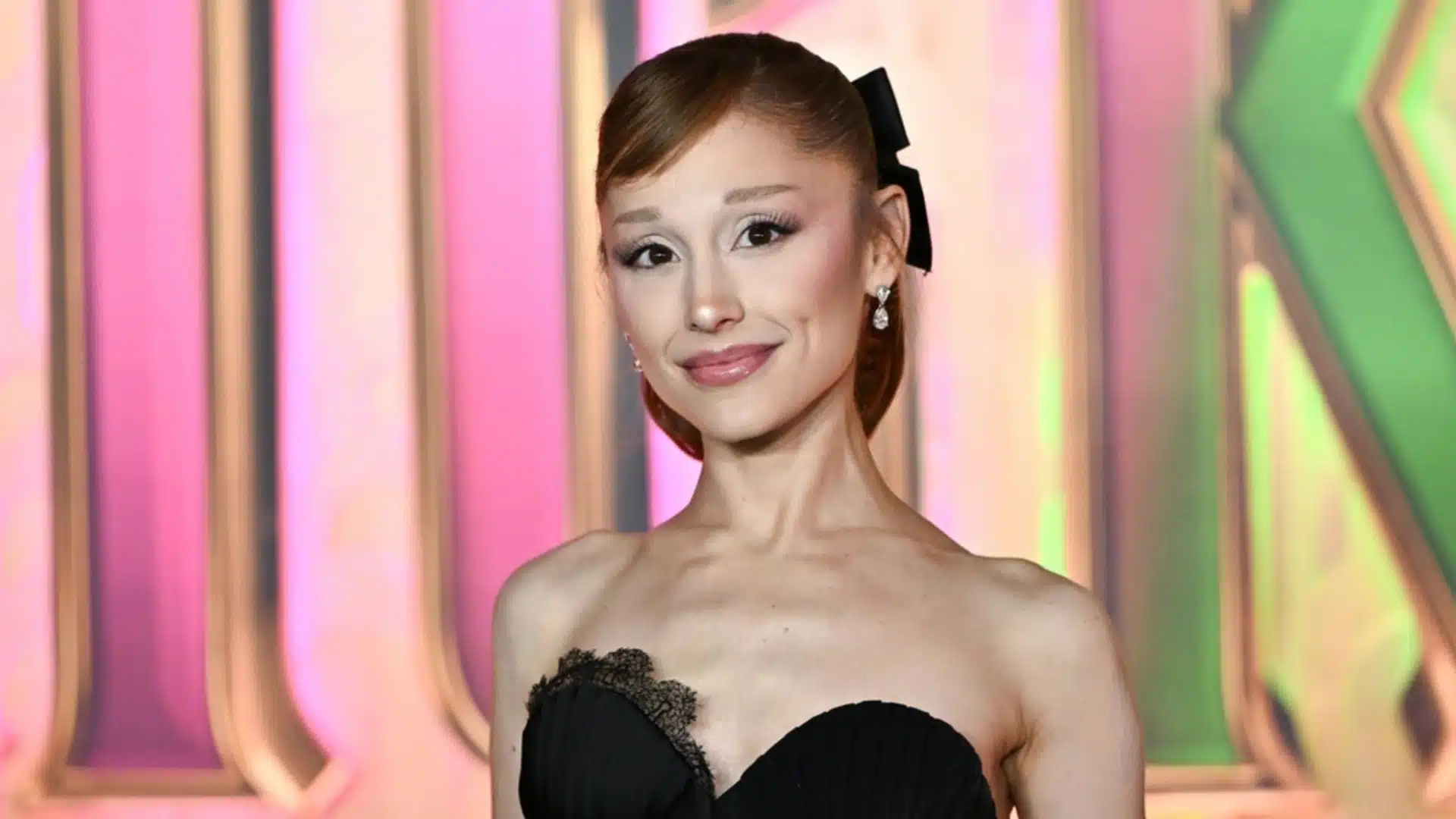
In recent years, leading up to the 2024 and 2025 releases of the Wicked films, Grande underwent another major transformation to play Glinda the Good Witch. This required her to go "Glinda Blonde." Given her past trauma with bleach, fans were concerned about a recurrence of the 2010-era damage.
However, the hair industry in 2026 is vastly different from 2010. For her role as Glinda, Grande utilized:
- Slow-Lift Processing: Instead of aggressive, high-volume peroxide, modern stylists use lower volumes over longer periods to preserve the hair's lipid layer.
- High-End Wigs: For much of the filming and subsequent press tours, Grande utilized custom-made lace-front wigs. These allow for a total color change without touching the natural hair with chemicals.
- Bond-Building Maintenance: Her beauty brand, r.e.m. beauty, while focused on makeup, has highlighted her interest in clinical-grade formulas that protect the skin and hair barrier.
Comparison of Ariana Grande’s Hair Eras
| Era | Primary Style | Color | Health Status | Primary Cause |
|---|---|---|---|---|
| Nickelodeon (2010-2013) | Half-up, curls | Bright Red | Severely Damaged | Bi-weekly bleaching for Victorious |
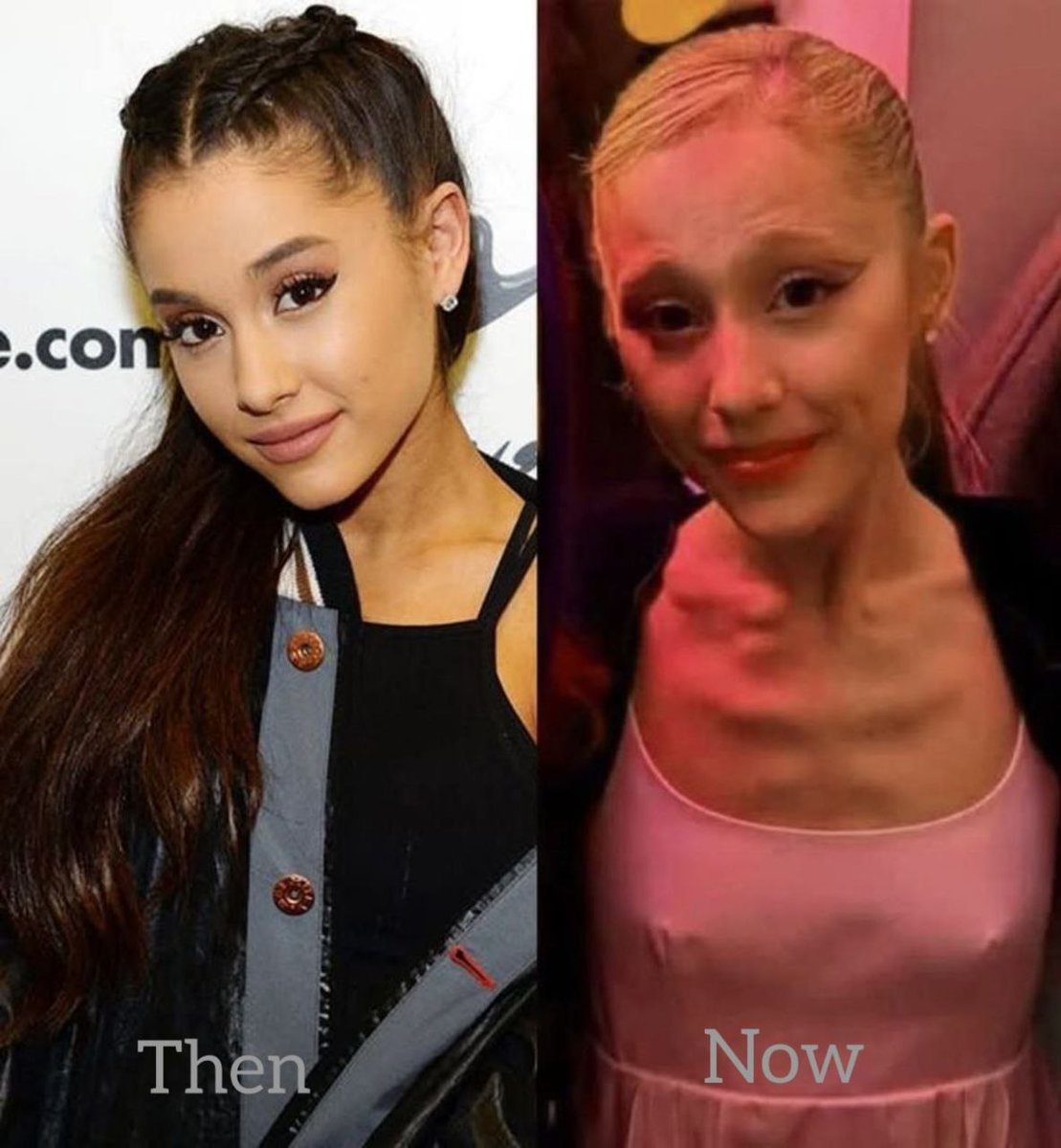
| The Ponytail Era (2014-2018) | High, sleek ponytail | Dark Brown / Ombre | Recovering/Camouflaged | Extensions used to hide breakage |
| The Platinum Era (2018-2019) | Low/High Ponytail | Platinum Grey | Moderate Stress | Chemical processing for Sweetener |
| The Natural Return (2020-2022) | Soft waves / Curls | Natural Espresso | Healthy | Significant growth and bond repair |
| The Glinda Era (2023-2026) | Classic Hollywood / Blonde | Honey Blonde | Managed | High-end wigs and professional lifting |
Understanding Traction Alopecia and Chemical Trauma
What happened to Ariana Grande is a high-profile case study in two common dermatological issues: Chemical Trauma and Traction Alopecia.
Chemical Trauma occurs when the pH balance of the hair is pushed to extremes. Natural hair has a pH of about 4.5 to 5.5. Bleach is highly alkaline, often reaching a pH of 11 or 12. This causes the hair to swell and the cuticle to "blow out." Once the cuticle is destroyed, the inner cortex is exposed to the environment, leading to rapid moisture loss and "weathering."
Traction Alopecia is the result of constant tension. When hair is pulled into a tight ponytail daily, it can cause the follicle to enter the telogen (resting) phase prematurely or, in severe cases, cause scarring that prevents future hair growth. Grande’s ability to maintain her hairline through 2026 suggests she has been using professional preventative care, such as scalp massages, topical stimulants, and "tension-free" styling during her off-hours.
Frequently Asked Questions
Why did Ariana Grande’s hair fall out?
Her hair did not "fall out" from the root in a traditional balding sense; rather, it suffered from "mechanical and chemical breakage." The constant red dyeing for her role as Cat Valentine made the hair strands so weak that they snapped off, leaving her with very short, thin, and uneven natural hair for several years.
Is Ariana Grande wearing a wig now?
As of 2026, Grande frequently uses high-quality lace-front wigs for her blonde Glinda look and for major red-carpet events. Using wigs is a strategic choice to protect her natural dark hair from the damage associated with constant styling and color changes required for her various roles and performances.
What is Ariana Grande’s natural hair texture?
Ariana Grande’s natural hair is dark brown (almost black) and has a significant curl pattern, likely falling into the 2C or 3A category. She has shared several videos on social media showing her natural curls, which are much shorter and more textured than the long, straight ponytails she is known for.
How did she fix her damaged hair?
She "fixed" it through a combination of time, patience, and professional intervention. This included stopping the bi-weekly red dye, using extensions as a protective style to let her natural hair grow undisturbed, and utilizing modern bond-building treatments like Olaplex to restore the integrity of the hair strands.
Can traction alopecia be reversed?
In its early stages, traction alopecia is reversible if the tension is removed and the follicles are allowed to recover. However, if the pulling continues for many years and causes scarring (cicatricial alopecia), the hair loss can be permanent. Grande's hair evolution suggests she intervened early enough to avoid permanent damage to her hairline.
Practical Advice for Hair Recovery
If you have experienced chemical damage similar to Ariana Grande’s Nickelodeon era, the most effective path to recovery is a "hair fast." This involves:
- Suspending all chemical treatments (bleach, relaxers, or perms) for at least 6–12 months.
- Integrating protein and moisture: Alternate between keratin-based treatments and deep-conditioning oils.
- Low-Tension Styles: Avoid tight elastics; use silk scrunchies or large clips to reduce stress on the follicle.
- Consulting a Trichologist: For those worried about thinning at the hairline, a scalp specialist can provide clinical-grade serums to stimulate blood flow to the follicles.
Ariana Grande’s hair journey serves as a reminder that even with the best stylists in the world, the biology of hair has limits. Her shift toward wigs and her natural texture in 2026 marks a broader trend in the beauty industry toward prioritizing "hair health over hair aesthetics."
Image Gallery