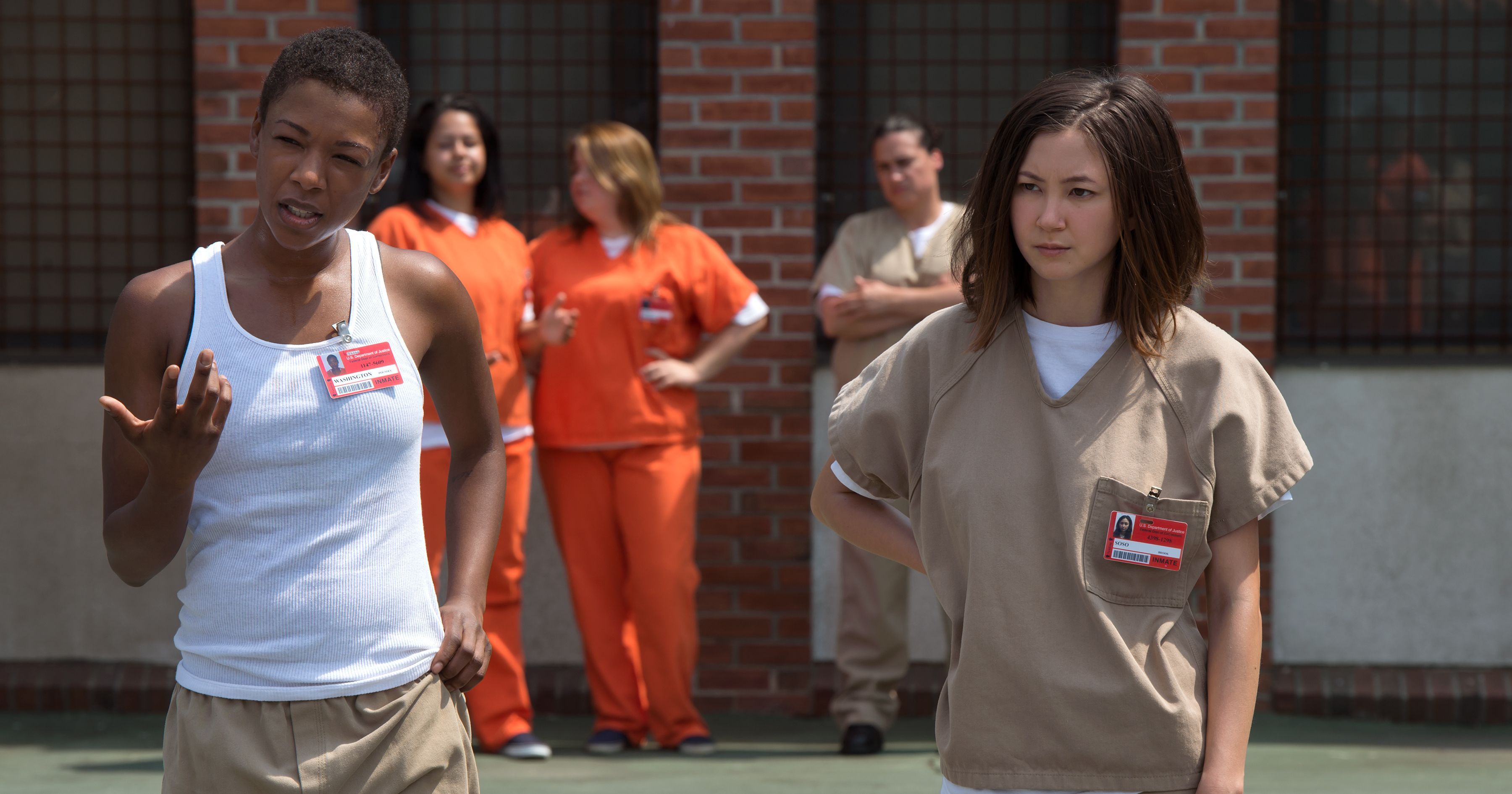
The Impact of Poussey Washington’s Death in Orange Is the New Black
The death of Poussey Washington in Orange Is the New Black serves as a critical narrative pivot point, shifting the series from a character-driven dramedy to a pointed commentary on systemic inequality and police misconduct. Her passin...
The death of Poussey Washington in Orange Is the New Black serves as a critical narrative pivot point, shifting the series from a character-driven dramedy to a pointed commentary on systemic inequality and police misconduct. Her passing functions as the emotional and structural catalyst for the show’s later seasons, sparking the Litchfield prison riot and highlighting the real-world parallels regarding racial injustice and the flaws within the American carceral system.
Contents
The Narrative Significance of Poussey’s Arc
Poussey Washington, portrayed by Samira Wiley, was widely regarded as the moral center of Litchfield Penitentiary. Her character arc—defined by her intelligence, optimism, and deep friendship with Taystee Jefferson—made her a favorite among the audience. By the time her death occurred in Season 4, Episode 12, "The Animals," she had established a clear plan for her life post-incarceration, including aspirations to move to New York City and work in a library.
When Poussey is accidentally suffocated by an untrained prison guard during a peaceful protest, the narrative weight is immediate. Unlike the deaths of other characters that may have been prompted by interpersonal conflict or health issues, Poussey’s death was an act of administrative and systemic negligence. It stripped away the show’s lighthearted facade, forcing both the characters and the audience to confront the harsh reality that, within the prison environment, their lives held little value to those in authority.
Echoing Real-World Social Justice Movements
The death of Poussey Washington was deliberately crafted by show creator Jenji Kohan and the writing team to mirror the tragic, high-profile cases of unarmed Black individuals dying at the hands of law enforcement. The scene—specifically the positioning of the guard’s knee on Poussey’s back—drew direct, unavoidable comparisons to the death of Eric Garner in 2014 and other instances of state-sanctioned violence that fueled the Black Lives Matter movement during the mid-2010s.
By placing this event in the context of a fictional series, the show creators bridged the gap between entertainment and activism. They utilized the platform to illustrate the "I can't breathe" sentiment that had become a rallying cry for activists globally. This intentional mirroring served several purposes:
- Humanization: It forced viewers who might not engage with news of police brutality to empathize with a character they had grown to love over four years.
- Critique of Oversight: It highlighted the lack of accountability for corrections officers, who were portrayed as undertrained and indifferent to the humanity of the inmates.
- Structural Critique: It moved the focus away from individual "bad actors" and toward a systemic failure where the prison industrial complex prioritizes containment over rehabilitation or safety.
The Structural Shift: From Prison Life to Resistance
Following Poussey’s death, Orange Is the New Black underwent a tonal shift. The subsequent episodes and seasons moved away from the "fish-out-of-water" comedy that defined the early series. The death became the primary motivator for the Season 5 riot, a season that took place over the course of only three days.
The riot was not merely an act of chaos; it was a demand for justice. The characters’ insistence on the guard’s name being released and the truth being told reflects the real-world advocacy for transparency in police disciplinary records. This period of the show solidified its legacy as a program that was not afraid to utilize its massive reach to advocate for systemic change, moving the conversation from the fictional confines of Litchfield to broader discussions about human rights in corrections facilities.
Comparative Impacts of Character Deaths in OITNB
| Character Death | Narrative Function | Thematic Impact |
|---|---|---|
| Poussey Washington | Catalyst for riot | Police brutality and systemic failure |
| Vee Parker | Resolution of antagonist | Cycles of toxicity and street justice |
| Tiffany Doggett | Tragic irony | Failures of mental health/education support |
| Rosa Cisneros | Symbolic liberation | Personal agency vs. terminal illness |
The Role of Samira Wiley and Character Portrayal
The impact of the death cannot be separated from the performance of Samira Wiley. Her portrayal gave Poussey a distinct interiority; she was not a stereotype of a prisoner, but a complex individual with specific interests, a sharp wit, and a capacity for deep, platonic love. When she died, the audience felt the loss of a future—the potential of a person who had simply been in the wrong place at the wrong time.
The showrunners recognized that for the message to land, the loss had to feel profound. The "Poussey Washington Fund," a real-world initiative launched by the production in partnership with various non-profits, extended the character's legacy beyond the screen. This transition from a fictional death to a tangible real-world fund provided viewers with a clear, actionable way to address the systemic issues the show raised.
Legacy and Reception
In the years since the episode aired, the death of Poussey Washington remains one of the most discussed moments in television history. It is frequently cited in critical analyses of "prestige TV" and its responsibility to address sociopolitical issues.
While some viewers argued that the show's later seasons became overly bleak, others maintained that the shift was a necessary evolution. By refusing to give Poussey a "happy ending" or a redemption arc, the show remained faithful to the grim reality of the prison industrial complex. The death solidified the series as a primary example of how serialized storytelling can act as a mirror for society’s most difficult, unresolved questions.
Frequently Asked Questions
Why was Poussey’s death considered so impactful compared to other character departures? Poussey was established as the moral center of the show, and her death was entirely preventable. Unlike other character deaths that resulted from personal choices or illness, hers resulted from systemic incompetence, which alienated the audience and mirrored real-world injustice.
Did the creators of the show acknowledge the connection to real-world police brutality? Yes, both the writers and actress Samira Wiley have acknowledged in interviews that the scene was written specifically to reflect the national conversation surrounding police misconduct and the Black Lives Matter movement during the time of production.
How did the Poussey Washington Fund help? The fund was established to support organizations dedicated to criminal justice reform, protecting immigrants' rights, and ending mass incarceration. It provided a real-world outlet for the emotions generated by the show's narrative, bridging the gap between fiction and advocacy.
What was the specific narrative consequence of her death in the show? Her death served as the direct catalyst for the riot that spanned the entirety of Season 5, shifting the show's focus from individual inmate dynamics to a collective protest against the prison's administration.
Did Poussey's character arc influence the show's final seasons? Her presence remained a guiding influence. Her name was invoked throughout the remainder of the series, and the pursuit of justice for her death remained a central thematic thread that pushed other characters toward their own growth and confrontations with authority.
Next Steps for Engaged Viewers
To further understand the systemic issues highlighted by Poussey's storyline, viewers are encouraged to research the actual conditions of the United States correctional system through non-partisan legal and sociological reports. Engaging with initiatives like the ACLU’s Prison Project or reviewing public policy papers on police training and use-of-force protocols provides necessary context to the fictionalized events depicted in Orange Is the New Black. Recognizing that these stories are rooted in systemic realities is the first step in moving from passive consumption to informed awareness.
Image Gallery