Understanding Workers Compensation Employee Statements: A Guide to Accuracy and Compliance
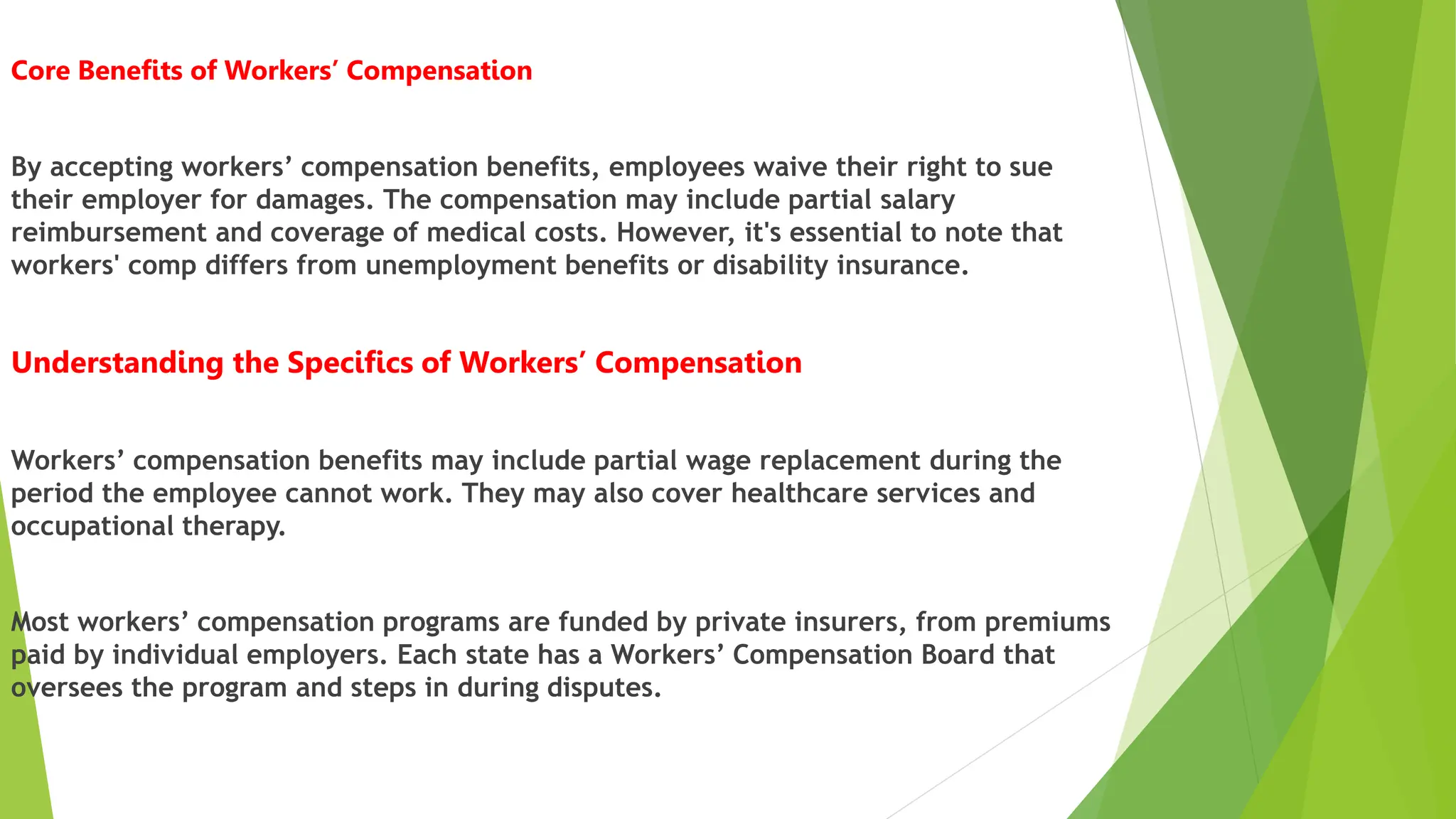
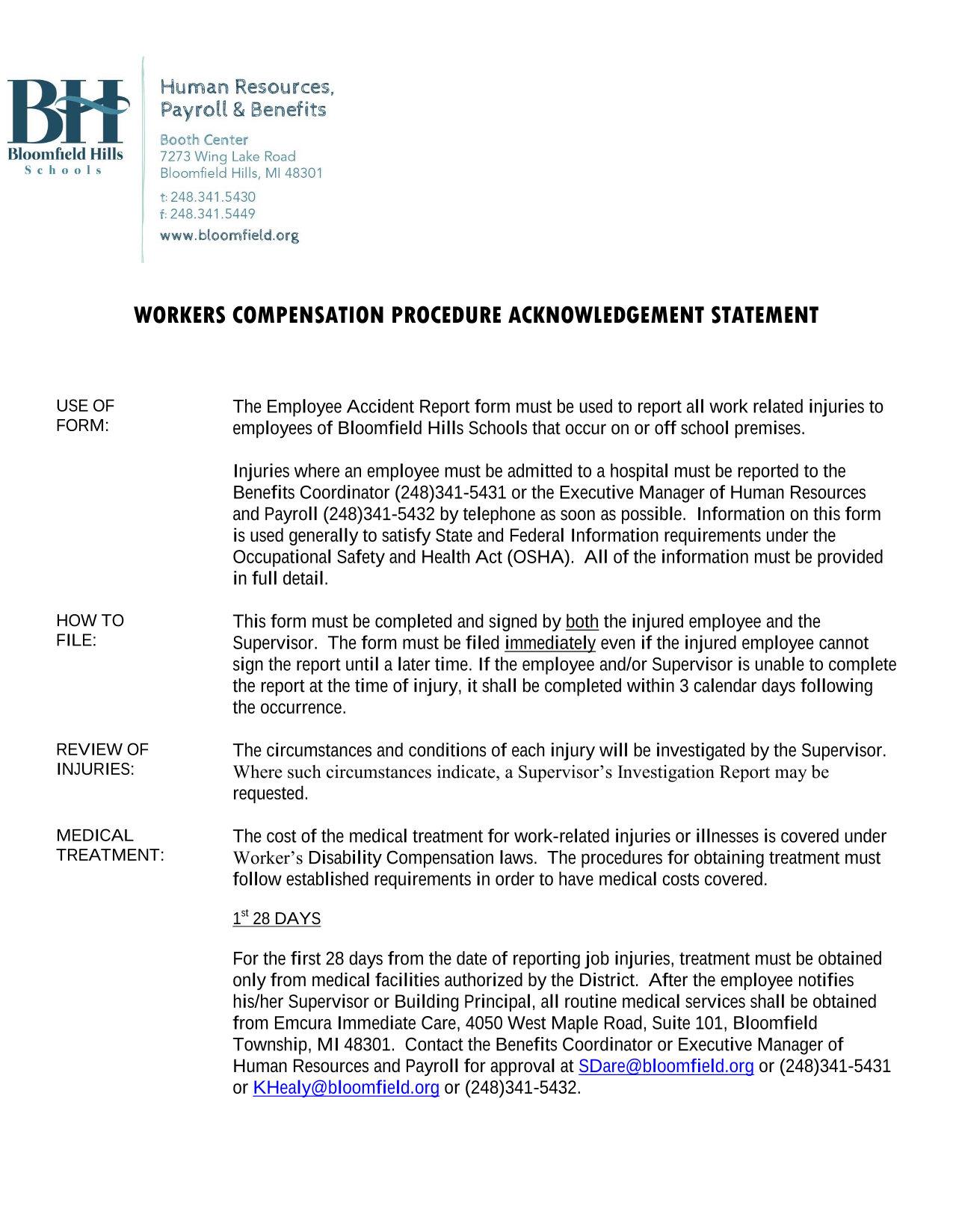
An employee statement in a workers' compensation claim is a formal, written account provided by an injured worker describing how, when, and where a work-related injury occurred. It serves as a foundational document for insurance adjust...
An employee statement in a workers' compensation claim is a formal, written account provided by an injured worker describing how, when, and where a work-related injury occurred. It serves as a foundational document for insurance adjusters to determine liability and benefit eligibility by comparing the worker's narrative against medical reports and witness testimony.
Contents
The Critical Role of the Employee Statement in 2026 Claims
In the landscape of 2026 workers' compensation, the employee statement remains the most influential non-medical document in a claim file. While digital reporting tools and real-time incident logging have become standard in many industrial and corporate settings, the narrative provided by the worker provides the "mechanism of injury"—a technical term used by adjusters and doctors to understand if the physical damage matches the described accident.
The primary purpose of this statement is to establish two legal pillars: that the injury arose out of employment (AOE) and occurred in the course of employment (COE). Without a clear statement, an insurance carrier may find grounds to "controvert" or deny the claim, citing a lack of evidence that the injury was truly work-related. In 2026, with the prevalence of remote and hybrid work models, the employee statement is even more vital for clarifying how home-office injuries or off-site accidents fall under the employer's liability.
Prerequisites: What to Gather Before Writing
Before putting pen to paper or typing into a digital claims portal, an injured worker must organize specific facts. Inconsistency is the leading cause of claim delays. If the statement given to the employer differs from the history given to the emergency room physician, the insurer may flag the file for a fraud investigation.
Essential Data Points
- Exact Chronology: Identify the precise date and time. If the injury was a "cumulative trauma" (resulting from repetitive motion), identify the period when symptoms first became debilitating.
- Environmental Factors: Note the conditions of the workspace. Was the floor wet? Was the lighting poor? Was a specific piece of machinery malfunctioning?
- Witness Identification: List anyone who saw the accident or anyone you spoke to immediately afterward. This includes supervisors, coworkers, or even clients.
- The "First Report" Sync: Review what was said during the initial verbal report to the supervisor. The written statement should expand on this but not contradict it.
Key Components of a Comprehensive Employee Statement
A well-structured statement should be factual, concise, and free of emotional conjecture. In 2026, many insurance carriers provide a standardized form (often labeled a "Claimant’s Report of Accident"), but even if writing a narrative letter, the following sections are mandatory for a thorough evaluation.
The Description of the Incident
This is the "how" of the claim. Use active verbs and specific nouns. Instead of saying "I hurt my back while working," a more effective statement would be: "I was lifting a 40-pound crate from the loading dock to the conveyor belt when I felt a sharp, stabbing pain in my lower lumbar region." This provides the adjuster with a clear mechanism—lifting and twisting—which can be verified against the physical requirements of the job description.
Immediate Post-Injury Actions
Document exactly what happened in the minutes following the injury. Who did you notify? Did you seek immediate first aid on-site, or did you go to an urgent care facility? This establishes a "notice" timeline. Most jurisdictions require that an employer be notified within a specific window (often 30 days, though this varies by state), and the employee statement is the primary record of meeting this statutory requirement.
Current Physical Limitations
While the statement is about the accident, it must also touch upon the resulting symptoms. This is not the place for a medical diagnosis—leave that to the physician—but it is the place to describe functional loss. For example: "Since the incident, I have been unable to grip objects with my right hand or sit for longer than 15 minutes without significant discomfort."
Comparing Statement Formats
Not all statements are created equal. Depending on the complexity of the claim, a worker might be asked for different types of accounts.
| Statement Type | Format | Typical Use Case | Level of Formality |
|---|---|---|---|
| Initial Incident Report | Digital or Paper Form | Immediate reporting of minor to moderate injuries. | Low to Medium |
| Formal Written Narrative | Typed Letter | Complex cases, cumulative trauma, or contested claims. | High |
| Recorded Statement | Audio/Phone Interview | Used by adjusters to "lock in" testimony early in the process. | Very High |
| Deposition Testimony | Oral Q&A with Court Reporter | Litigated cases where the worker is represented by counsel. | Maximum |
The Dangers of the Recorded Statement
Insurance adjusters often request a "recorded statement" via telephone shortly after the claim is filed. It is important to understand that in 2026, as in previous years, these recordings are discoverable evidence. Adjusters are trained to ask "closed-ended" questions that may lead a worker to inadvertently minimize their injury or admit to fault that isn't legally relevant.
For instance, an adjuster might ask, "You were having a pretty normal day before this happened, right?" A polite "Yes" could later be used to argue that the worker wasn't paying attention. Workers have the right to decline a recorded statement until they have consulted with legal counsel, especially in cases involving significant surgery or long-term disability. If a recorded statement is given, the worker should always request a copy of the transcript and the audio file for their own records.
Common Mistakes and How to Avoid Them
Writing an employee statement is a high-stakes task. Errors in this document can follow a worker through years of litigation.
- Speculating on Cause: Never guess why an accident happened. If you aren't sure why a shelf collapsed, simply state that it collapsed. Saying "I think the bolts were loose" when they weren't can damage your credibility.
- Omitting Pre-existing Conditions: If you had a previous back injury ten years ago, disclose it if asked. Workers' compensation often covers the "aggravation" of a pre-existing condition. Hiding it, however, can be characterized as insurance fraud.
- Using Absolute Language: Avoid words like "always" or "never." If you say, "I am in constant pain and can never lift my arm," but are later seen at a grocery store lifting a bag, the insurer may use surveillance to disqualify your benefits. Use qualifying language like "I struggle to lift my arm during daily activities."
- Exaggerating Symptoms: Adjusters and medical examiners look for "malingering" or symptom magnification. Be honest about what hurts, but do not embellish. The facts of a legitimate injury are usually sufficient to secure benefits.
Legal Rights and Statutory Protections
In 2026, workers continue to hold specific rights regarding their statements under state labor codes. Most notably, the Right to Representation. An employee can have an attorney present or reviewing any written statement before it is submitted to the insurance carrier.
Furthermore, many states have "anti-retaliation" laws. An employer cannot legally fire or demote an employee simply because they filed a truthful statement regarding a workplace injury. If a worker feels pressured by a supervisor to change their statement to "save the company's safety record," this constitutes a serious legal violation and should be reported to the state's Workers' Compensation Board or a labor attorney.
Consistency with Medical Evidence
The most successful claims are those where the employee statement and the Official Disability Guidelines (ODG) or other clinical standards align. When a doctor examines an injured worker, they produce a "First Report of Injury" (often a Form 5021 in California or a C-4 in New York). Insurance software in 2026 is highly adept at cross-referencing these medical notes with the employee statement.
If the employee statement mentions "neck pain" but the doctor's report only discusses "shoulder strain," the insurer may refuse to pay for neck-related treatments. It is vital that the worker is thorough in the statement, listing every body part affected, even if some symptoms seem minor at the time.
Frequently Asked Questions
Can I change my statement after I have submitted it?
Yes, you can submit a "supplemental statement." If you realize you forgot a detail or if new symptoms have developed that were not immediately apparent, you should provide an update in writing. Label it clearly as a supplement to the original report to maintain a transparent record.
What if my employer refuses to submit my statement to the insurance company?
In most jurisdictions, the employer is legally obligated to forward claim documents to their insurer. If they refuse, you can bypass the employer and file the claim directly with the state's Workers' Compensation Commission or Board.
Should I mention that the accident was my fault?
Workers' compensation is a "no-fault" system. In exchange for providing benefits, employers are protected from lawsuits, and employees are covered regardless of who caused the accident (with rare exceptions like intoxication or self-inflicted injury). You should describe the facts accurately, but you do not need to assign blame to yourself.
How long do I have to provide a written statement?
While the verbal notification should happen immediately, a formal written statement is typically required when you file the official claim form (such as a DWC-1). Statutory deadlines for filing a claim range from one to three years depending on the state, but waiting too long can make it harder to prove your case.
Does the employee statement guarantee that my bills will be paid?
No. The statement is just one piece of evidence. The insurance company will also consider the employer’s version of events, medical records, and potentially an Independent Medical Examination (IME). However, a strong statement significantly reduces the chances of an initial denial.
Next Steps for the Injured Worker
If you have been injured on the job, your immediate priority should be seeking medical attention. Once stable, your next action is to draft your employee statement while the details are still fresh.
- Draft a timeline of the 24 hours surrounding the injury.
- Request the official claim forms from your HR department.
- Write a factual narrative, focusing on the mechanism of injury.
- Review the statement for consistency with what you told your doctor.
- Keep a dated copy of everything you submit for your personal records.
For complex cases, especially those involving permanent disability or disputed liability, consulting with a qualified workers' compensation attorney is recommended before submitting final documentation.
Image Gallery