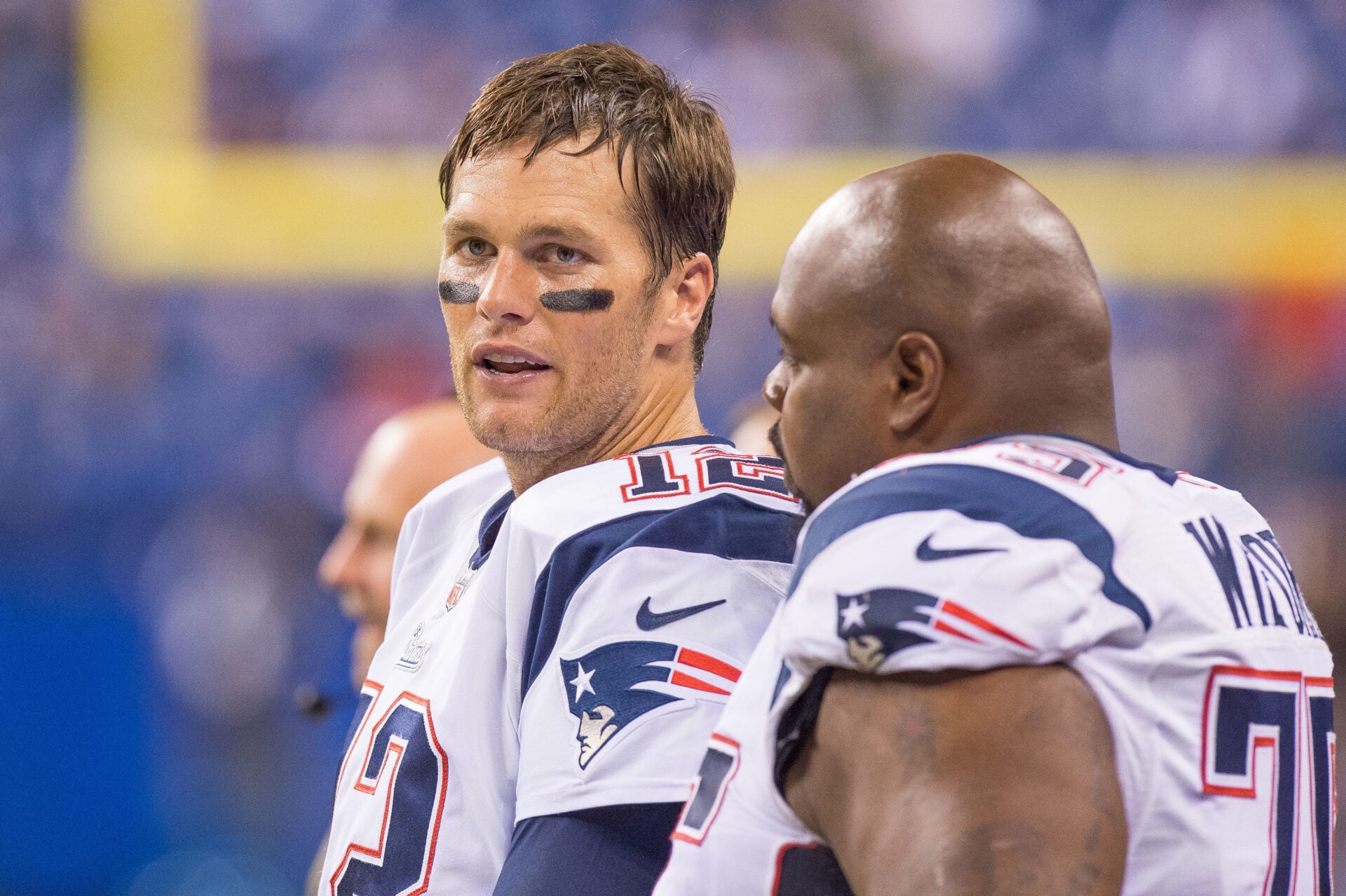
Vince Wilfork Weight Today: Analyzing the Transformation of an NFL Legend
The weight of Vince Wilfork in 2026 is no longer the subject of locker-room speculation or roster-sheet inflation that defined his twenty-year association with the gridiron. After transitioning from a dominant nose tackle for the New E...
The weight of Vince Wilfork in 2026 is no longer the subject of locker-room speculation or roster-sheet inflation that defined his twenty-year association with the gridiron. After transitioning from a dominant nose tackle for the New England Patriots and Houston Texans into a celebrated lifestyle personality and barbecue aficionado, Wilfork has settled into a sustainable, healthy retirement weight that reflects a focus on longevity and mobility rather than the sheer mass required to anchor a defensive line.
Contents
The Physicality of a Defensive Anchor: Playing Days vs. Reality
To understand why Vince Wilfork’s weight today is such a significant topic of discussion, one must first look at the astronomical physical requirements of his former profession. During his tenure in the NFL, Wilfork was officially listed at 325 pounds. However, it was an open secret among scouts and teammates that his playing weight frequently fluctuated between 350 and 380 pounds. As a nose tackle, his primary objective was to occupy space and absorb the impact of two—sometimes three—offensive linemen simultaneously.
In that era, his weight was his greatest asset. It provided the low center of gravity and immense "anchor" necessary to stop the run. Maintaining that mass required a caloric intake that would be unsustainable for a non-athlete. Wilfork’s metabolism was essentially a furnace, burning through thousands of calories during high-intensity practices and games. The "mystery" during his playing years wasn't whether he was heavy, but exactly how a man of that size could remain so incredibly athletic, possessing a vertical leap and lateral quickness that defied physics.
The Catalyst for Post-Career Weight Management
The transition from professional sports to retirement is often a perilous time for "big men" in the NFL. When the mandatory four-hour daily workouts stop, but the 6,000-calorie-per-day eating habits remain, many retired linemen face severe health crises. Wilfork, however, recognized this trap early.
By 2026, Wilfork’s weight management strategy has become a blueprint for former interior linemen. The primary driver for his transformation was the realization of the long-term strain that 350+ pounds places on the human heart and joints. Retired athletes are at a significantly higher risk for sleep apnea, hypertension, and Type 2 diabetes. For Wilfork, the goal wasn't to become "shredded" or to look like a bodybuilder—a path taken by contemporaries like Joe Thomas—but rather to reach a "functional health" weight.
Vince Wilfork Weight Today: Transparency and Consistency in 2026
In 2026, Vince Wilfork’s physique is categorized by a noticeable reduction in visceral fat and a maintenance of the foundational muscle mass he built over decades of powerlifting. While he remains a "big man" by traditional standards, the sheer bulk of his midsection and neck, which were hallmarks of his playing days, has significantly diminished.
Wilfork has been transparent about his journey, often sharing insights via social media and his various culinary ventures. He has moved away from the "forced feeding" required to stay at 350 pounds and transitioned into an intuitive eating phase. His current status is "not a mystery" because he has remained in the public eye as a brand ambassador and a staple at NFL events, showing a consistent, leaner silhouette that suggests he has dropped anywhere from 60 to 80 pounds from his peak playing weight.
Comparative Metrics: NFL Career vs. 2026 Retirement
| Metric | NFL Active Status (Peak) | 2026 Retirement Status |
|---|---|---|
| Listed Weight | 325 lbs (Official) | ~265–280 lbs (Estimated Range) |
| Actual Playing Weight | 350–380 lbs | N/A |
| Primary Activity | High-Impact Power Training | Cardiovascular Health & Low-Impact Mobility |
| Caloric Intake | 5,000+ Calories/Day | 2,500–3,000 Calories/Day |
| Physical Focus | Mass and Anchor Strength | Joint Longevity and Heart Health |
| Body Composition | High Muscle/High Adipose | Moderate Muscle/Controlled Adipose |
The Role of Nutrition and the "Barbecue King" Paradox
One might assume that a man who owns a custom-built smoker and is synonymous with world-class barbecue would struggle with weight loss. However, Wilfork has mastered the "Barbecue King" paradox. In 2026, he advocates for a high-protein, meat-centric diet that prioritizes quality over quantity.
Barbecue, when stripped of sugary rubs and heavy sides like mac and cheese or cornbread, is essentially smoked protein. Wilfork’s approach involves:
- Protein-First Consumption: Focus on brisket and smoked turkey, which provide high satiety.
- Sugar Reduction: Using spice-heavy dry rubs instead of high-fructose corn syrup-based sauces.
- Active Cooking: The process of "low and slow" cooking involves significant movement, standing, and manual labor, which Wilfork uses as a form of low-intensity steady-state (LISS) exercise.
By making barbecue a craft rather than just a meal, he has turned his passion into a tool for weight maintenance rather than a hindrance.
The Science of Weight Loss for Retired Interior Linemen
The biological process Wilfork underwent is distinct from typical weight loss. For an individual who has spent 15+ years carrying excessive mass, the body undergoes a "reset" once the inflammatory stresses of professional football are removed.
- Reduction in Systemic Inflammation: The constant "micro-trauma" of hitting other 300-pound men creates chronic inflammation, which causes the body to hold onto water and fat. Once Wilfork retired, his cortisol levels likely stabilized, allowing his body to shed "inflammation weight" relatively quickly.
- Muscle-to-Fat Ratio: Even at his heaviest, Wilfork had an immense amount of lean muscle. Muscle is metabolically active. Even as he reduced his caloric intake, his high muscle mass allowed him to burn calories more efficiently than a sedentary person of the same weight.
- Joint Protection: Every pound lost removes four pounds of pressure from the knees. For a man who spent his career in a three-point stance, losing 70 pounds equates to removing 280 pounds of pressure from his joints with every step.
Why Wilfork’s Transformation Matters for the Public
Vince Wilfork’s weight today is not just a point of curiosity for sports fans; it is a case study in mid-life health optimization. Many people struggle with the "identity" of their weight. Wilfork was the "big guy"—it was his brand, his nickname, and his paycheck. By successfully transitioning to a smaller, healthier version of himself, he demonstrates that physical identity is fluid.
In 2026, he serves as an inspiration for the "former athlete" demographic—men and women who were highly active in their youth but found themselves saddled with excess weight in their 40s. His message is one of balance: you can still love food, you can still be a large individual, but you must prioritize the "engine" (the heart) over the "chassis" (the external bulk).
Common Misconceptions About Retired Lineman Health
A frequent misconception is that all retired linemen who lose weight must be "sick" or using extreme measures. In Wilfork's case, the weight loss was a deliberate, gradual process. Unlike some players who undergo gastric bypass or turn to extreme marathoning, Wilfork appears to have followed a path of moderation.
Another myth is that these players "shrink." While Wilfork has lost significant girth, his skeletal structure remains that of a massive human being. The "mystery" of his weight often stems from how clothes fit him now; tailored suits and modern athletic wear give him a much more streamlined appearance than the oversized jerseys of the 2000s and 2010s.
Practical Steps Inspired by the Wilfork Method
For those looking to replicate the success Wilfork has seen in maintaining a healthy weight post-career or post-prime, several key takeaways emerge from his 2026 lifestyle:
- Audit Your Caloric Needs: Recognize when your lifestyle has changed. If you are no longer "blocking the run," you no longer need the "lineman lunch."
- Embrace Low-Impact Movement: Wilfork is a proponent of activities like walking and fishing, which keep the body moving without destroying the joints.
- Focus on Nutrient Density: Prioritize whole foods—like the smoked meats Wilfork loves—over processed snacks.
- Stay Socially Active: Mental health and social engagement are highly correlated with physical health. Wilfork’s constant engagement with the Patriots community and his cooking ventures keep him motivated.
Summary of the Current Status
As of 2026, Vince Wilfork stands as a testament to the possibility of a healthy second act. He has successfully shed the "armor" of his NFL career while retaining the charisma and strength that made him a fan favorite. His weight is no mystery because it is written in his mobility, his longevity, and his continued presence as one of the most beloved figures in American sports history.
FAQ
What was Vince Wilfork's heaviest weight during his NFL career? While officially listed at 325 pounds, Wilfork admitted in various interviews that he often played at weights exceeding 350 pounds. Some teammates suggested he occasionally touched 375 pounds during the off-season. This extra mass was used strategically to make him unmovable at the line of scrimmage.
How much weight has Vince Wilfork lost since retiring? Based on visual evidence and public appearances through 2026, it is estimated that Wilfork has lost between 60 and 80 pounds. He has not released a specific "scale number," but his transition from a size 4XL to more standard "Big and Tall" sizing indicates a significant reduction in total body mass.
Does Vince Wilfork follow a specific diet like Keto or Paleo? Wilfork has not labeled his diet with a specific "plan" name, but his lifestyle closely mirrors a high-protein, whole-food diet. He emphasizes quality meats—largely due to his expertise in barbecue—and has reduced the high-carb, high-sugar intake that characterized his playing-day "bulk" cycles.
Is Vince Wilfork's weight loss due to health problems? No, there have been no reported health scares. On the contrary, his weight loss appears to be a proactive measure to avoid the common health pitfalls associated with retired NFL linemen, such as heart disease and joint failure. He looks healthier and more energetic in 2026 than in his final playing years.
Does he still cook barbecue while trying to stay fit? Absolutely. Wilfork has integrated his love for barbecue into his healthy lifestyle. He focuses on the protein aspect of the meal and uses the social and physical nature of outdoor cooking to stay active. He has proven that barbecue does not have to be synonymous with poor health if managed correctly.
Final Recommendation: If you are tracking the health and weight of former athletes like Vince Wilfork, focus on functional mobility and waist-to-hip ratio rather than just the number on the scale. For a man of Wilfork's height and frame, being "thin" is not the goal; being "healthy and mobile" is the true victory.
Image Gallery