Why Taylor Lautner Doesn't Belong in the Vampire Diaries Reboot
Taylor Lautner joining a potential The Vampire Diaries reboot might seem like a clever nod to supernatural teen drama history, but his casting would fundamentally misread the tone, aesthetic, and lore of the original universe. While hi...
Taylor Lautner joining a potential The Vampire Diaries reboot might seem like a clever nod to supernatural teen drama history, but his casting would fundamentally misread the tone, aesthetic, and lore of the original universe. While his star power and association with the Twilight franchise generated decades-long pop culture crossovers, his specific brand of performance and physical archetype do not align with the narrative DNA of Mystic Falls.
Contents
The discussion surrounding a prospective Vampire Diaries reboot highlights a broader challenge in modern television: the temptation to mix distinct fantasy universes for viral marketing rather than building cohesive, immersive storytelling. To understand why Lautner's inclusion would disrupt the show's identity, it is necessary to examine the stylistic differences between rival supernatural franchises, the tonal requirements of Kevin Plec and Julie Plec's universe, and the practical demands of ensemble television.
The Franchise Clash: Twilight’s Werewolves Versus Vampire Diaries’ Vampires
The primary argument against casting Taylor Lautner in a Vampire Diaries reboot centers on franchise mythology and audience conditioning. Lautner is internationally recognized for his role as Jacob Black in the Twilight Saga, where he defined a specific archetype of cinematic shapeshifter: the muscular, jean-shorts-wearing Quileute warrior who transforms into a massive, wolf-like protector.
Dropping Lautner into The Vampire Diaries universe creates an immediate intertextual distraction. The Vampire Diaries features its own complex hierarchy of werewolves, hybrids, and tribrids, governed by distinct curses, full-moon triggers, and bloodline rules. If Lautner were cast—whether as a vampire, a hunter, or a werewolf—viewers would immediately struggle to separate the actor from his defining role in a competing franchise.
- Visual and Cultural Baggage: Fans of both franchises would view the casting as a gimmick rather than an organic creative choice.
- Lore Confusion: Twilight and The Vampire Diaries handle supernatural physics differently; viewers associate Lautner's physical presence specifically with Stephanie Meyer's universe.
- Immersive Disruption: High-stakes supernatural dramas rely on suspension of disbelief, which shatters when audiences are pulled out of the narrative by meta-casting choices.
Tonal Mismatch: Mystic Falls vs. Forks, Washington
Beyond franchise baggage, Taylor Lautner’s acting style and physical presence belong to a different cinematic atmosphere. The Twilight Saga leans into cool blue color grading, melancholic pacing, and earnest, brooding dialogue set against the misty backdrop of the Pacific Northwest. In contrast, The Vampire Diaries relies on high-octane melodrama, fast-paced plotting, razor-sharp dialogue, and a slick, nocturnal aesthetic set in a historic Virginia town.
| Attribute | The Twilight Saga (Forks) | The Vampire Diaries (Mystic Falls) |
|---|---|---|
| Primary Tone | Melancholic, atmospheric, stoic | Fast-paced, witty, deeply emotional |
| Pacing | Slow burns, lingering nature shots | Rapid plot shifts, cliffhangers, banter |
| Supernatural Rules | Rigid tribal magic, cold-climate vampires | Ancient curses, doppelgängers, witch covens |
| Ensemble Dynamics | Centralized love triangle focus | Broad ensemble casts with shifting alliances |
Lautner’s performance style—often characterized by earnest intensity and physical action—thrived in the blockbuster adventure structure of Twilight. However, The Vampire Diaries requires actors who can pivot instantly between centuries-old trauma, sharp sarcastic banter, and high-society manipulation. The performance demands of Damon Salvatore or Klaus Mikaelson require a theatrical, subversive charm that contrasts sharply with Lautner’s traditional action-hero cadence.
Ensemble Balance and Character Archetypes
The Vampire Diaries operates as an ensemble piece where chemistry and shifting relationship webs drive the narrative forward. The original series succeeded because its cast featured actors who could play multifaceted, morally ambiguous characters capable of sliding between villainy and heroism across multiple seasons.
Bringing in a legacy star like Taylor Lautner risks upsetting the delicate balance of an ensemble. High-profile casting often shifts the gravity of a production toward a single marquee name, altering the writers' room focus. Instead of organic character development, scripts can become engineered around showcasing the star's specific physical or dramatic strengths.
Furthermore, the character archetypes in The Vampire Diaries are deeply established. Whether the reboot follows a new generation of students at the Salvatore Boarding School or revisits the founding families, the roles demand performers who can embody the gothic romance and psychological complexity unique to L.J. Smith’s literary adaptation and its television translation.
| Production Factor | Original TVD Approach | Risk of Marquee Casting (e.g., Lautner) |
|---|---|---|
| Casting Strategy | Emerging talent and fresh faces | Star power to drive initial algorithmic interest |
| Character Focus | Ensemble-driven relationship webs | Plotlines centered around the marquee star |
| Fan Expectations | Lore fidelity and emotional stakes | Meta-commentary and cross-franchise novelty |
| Longevity | Sustainable multi-season growth | High initial buzz followed by creative fatigue |
What a Successful Reboot Actually Requires
If network executives and showrunners intend to revive The Vampire Diaries franchise successfully, the focus must rest on world-building authenticity rather than stunt casting. The original series thrived because it embraced its soap-opera roots while delivering high-stakes supernatural mythology.
Casting decisions for any modern iteration should prioritize:
- Thematic Alignment: Actors who fit the gothic, romantic, and dangerous tone of Mystic Falls without carrying baggage from rival fantasy properties.
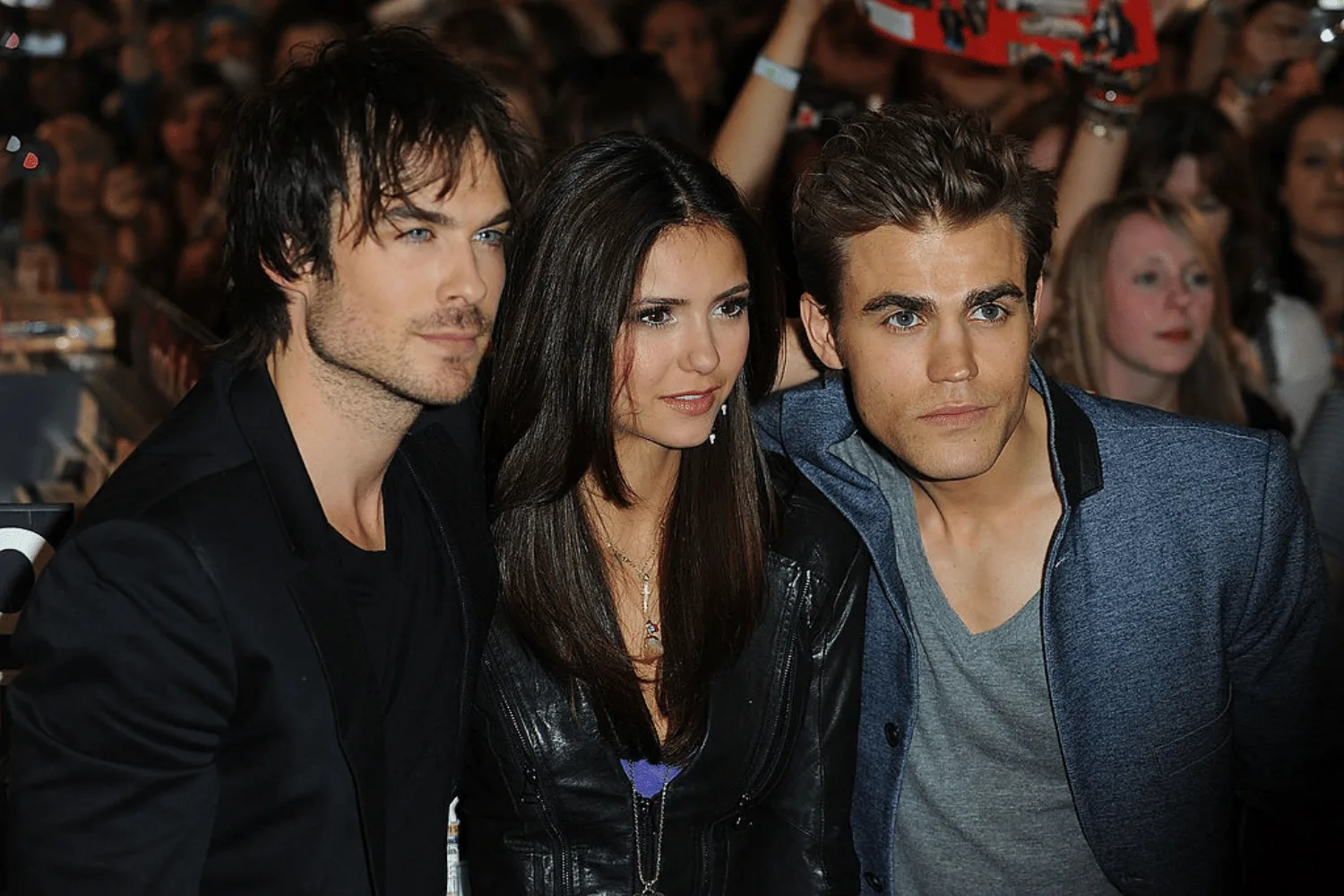
- Chemistry-Driven Auditions: As proven by the original casting process for Nina Dobrev, Paul Wesley, and Ian Somerhalder, interpersonal chemistry among the lead trio dictates the show's success far more than individual star power.
- Fresh Faces: Introducing new talent allows the audience to project themselves onto the characters without preconceived notions formed by a decade of blockbuster film history.
Frequently Asked Questions
Is there an official Vampire Diaries reboot currently in production?
As of 2026, no official The Vampire Diaries reboot has been greenlit by Warner Bros. Television or network executives. While rumors frequently circulate online regarding spin-offs or total revamps of the universe, the original franchise remains concluded following the end of Legacies.
Why do fans frequently link Taylor Lautner to supernatural teen dramas?
Taylor Lautner is inextricably linked to the late-2000s and early-2010s peak of supernatural teen media due to his role as Jacob Black in the Twilight Saga. This association makes him a frequent subject of fan speculation and hypothetical casting lists for any vampire or werewolf-related television project.
How did the original Vampire Diaries handle werewolf mythology compared to Twilight?
The Vampire Diaries treated werewolves as part of an ancient bloodline cursed by the witch Dahlia or Inadu (the Hollow), involving triggers like taking a human life, full moon transformations without control, and fatal venom to vampires. Twilight portrayed its shapeshifters as descendants of the Quileute tribe who phase into wolves voluntarily to protect their territory from cold ones.
What made the casting of the original series successful?
The original series succeeded by casting a mix of classically trained stage actors and fresh faces who could deliver heightened dramatic dialogue with sincerity. The chemistry between the central leads created a dedicated fanbase that sustained the show across eight seasons and two spin-offs (The Originals and Legacies).
Could Taylor Lautner ever appear in a supernatural show successfully?
Yes, Lautner has proven his ability to adapt to television comedy and satire through roles in shows like Scream Queens and Cuckoo. However, dropping into a dramatic fantasy reboot of The Vampire Diaries would require navigating steep creative and tonal hurdles that make alternative casting choices much safer for the production.
Conclusion
The appeal of casting a major name like Taylor Lautner in a The Vampire Diaries reboot lies entirely in marketing novelty and inter-franchise nostalgia. Yet, sustainable television requires narrative cohesion, tonal consistency, and ensemble chemistry. Inserting a defining face of the Twilight franchise into Mystic Falls would trade long-term world-building integrity for a fleeting headline, proving that some supernatural crossovers belong strictly in fan fiction rather than studio boardrooms.
Image Gallery