Complete Guide to Finding and Using Rate Your Professor TCC for 2026
Navigating student feedback platforms like Rate My Professor for Tarrant County College (TCC) helps students make informed enrollment decisions, balance workloads, and select instructors whose teaching styles align with their academic...
Navigating student feedback platforms like Rate My Professor for Tarrant County College (TCC) helps students make informed enrollment decisions, balance workloads, and select instructors whose teaching styles align with their academic needs. Tarrant County College operates multiple major campuses across Texas, including Northeast, Northwest, South, Southeast, and Trinity River, making localized and campus-specific faculty evaluation critical for accurate course planning.
Contents
Understanding TCC Faculty Evaluation Ecosystems
Students searching for instructor feedback at Tarrant County College typically look for insights into grading leniency, attendance policies, homework load, exam difficulty, and overall teaching effectiveness. Because TCC functions as a massive multi-campus community college district with thousands of concurrent faculty members spanning dual credit, vocational, and core transfer pathways, generalized reviews often lack the granular detail required for specific campus locations.
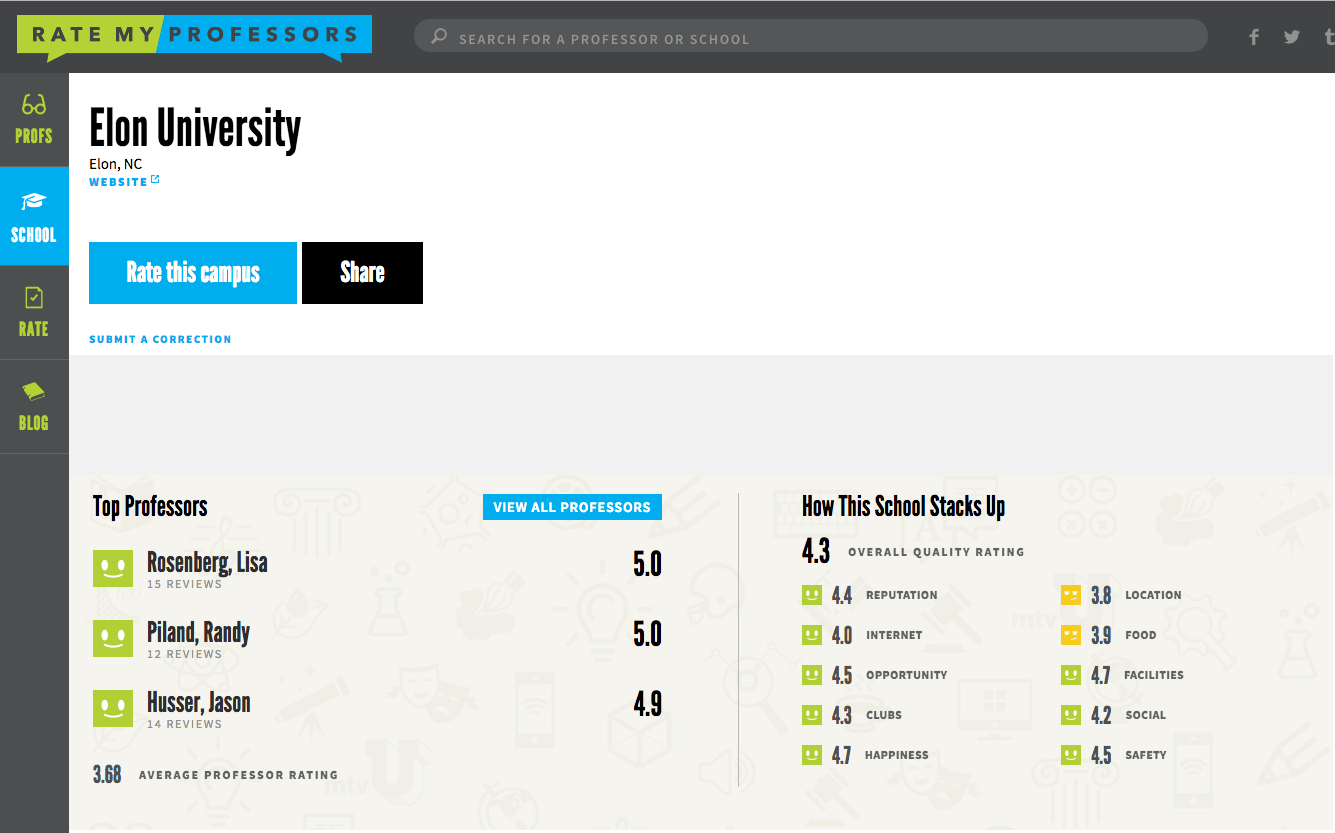
The primary platform used by students remains RateMyProfessors.com, supplemented by internal institutional tools such as the official TCC student course evaluations administered at the end of each semester. While official institutional evaluations remain private and are primarily utilized by department chairs and deans for faculty retention and tenure reviews, third-party public platforms offer real-time qualitative feedback directly from peers.
Core Metrics Tracked on Student Review Platforms
- Helpfulness: Measures how accessible the professor is during office hours, whether they answer emails promptly, and their willingness to explain difficult concepts.
- Clarity: Evaluates lecture organization, transparency of the syllabus, and how well exam questions reflect covered material.
- Easiness: Reflects the perceived grade distribution and workload intensity rather than just academic rigor.
- Overall Quality: A composite score combining student satisfaction, engagement, and perceived learning value.
How to Find and Filter TCC Instructors Effectively
Searching for a Tarrant County College professor requires precise filtering to avoid confusing instructors with identical names across different community college systems nationwide. Follow these structured steps to locate accurate instructor profiles.
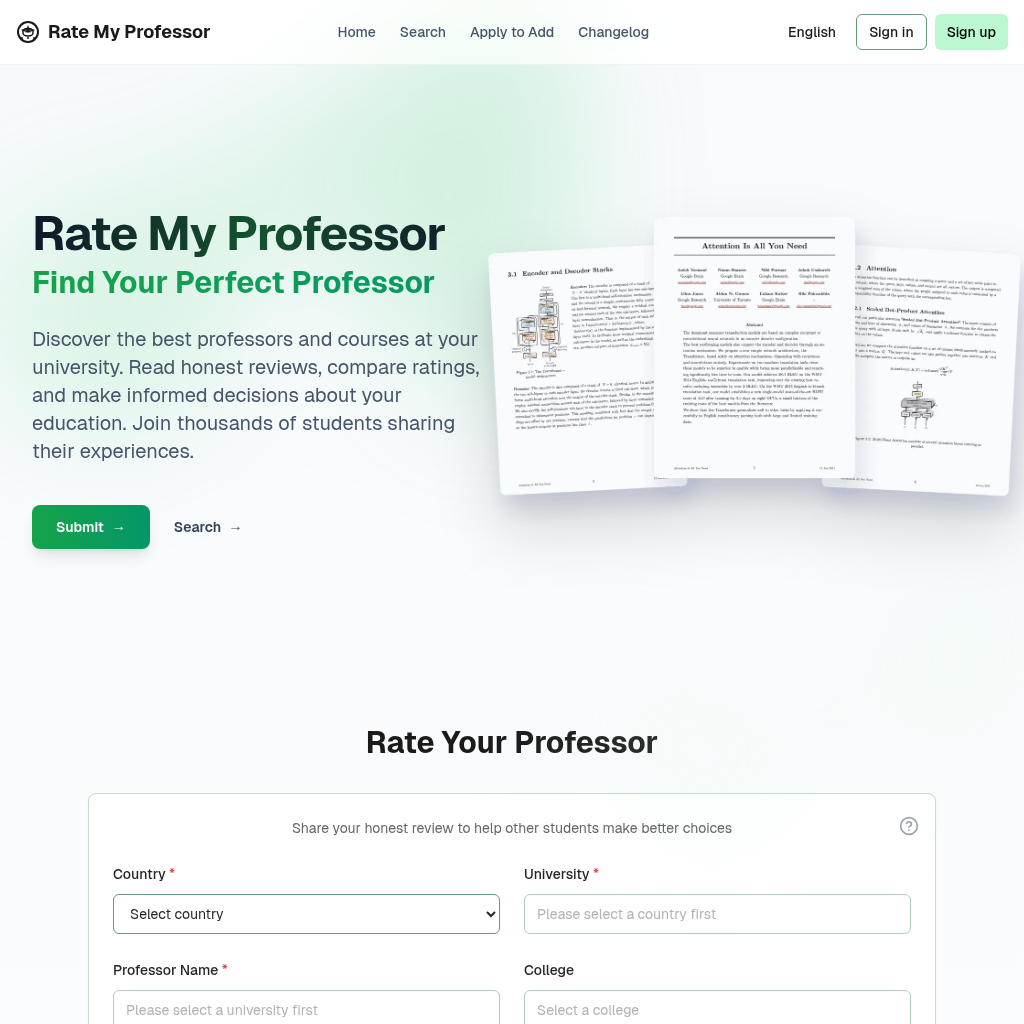
- Navigate to the Platform: Open RateMyProfessors.com or utilize the internal TCC WebAdvisor/Colleague directory to cross-reference legal names and department assignments.
- Apply Institution Filters: Type "Tarrant County College" into the school filter. Ensure you select the correct variant if multiple listings appear, and note the specific campus (e.g., TCC Northeast Campus vs. TCC Southeast Campus).
- Verify Department Codes: Match the professor's listed department with your specific course prefix (e.g., ENGL 1301, MATH 1314, HIST 1301) to ensure the feedback pertains to the exact subject you intend to take.
- Examine Review Timestamps: Prioritize reviews written within the last 12 to 24 months. Academic policies, textbook requirements, and teaching modalities often shift rapidly.
- Cross-Reference Modality: Check whether the reviews evaluate face-to-face (F2F), hybrid, or asynchronous online (Internet) sections, as a professor's organizational style can vary drastically between formats.
Comparing TCC Faculty Evaluation Methods
Evaluating a professor requires balancing informal public reviews against structured institutional metrics. The table below outlines the differences between public student review platforms and official TCC internal evaluations.
| Evaluation Dimension | Rate My Professor (Public) | TCC Official Student Evaluations |
|---|---|---|
| Accessibility | Publicly accessible to anyone on the internet at no cost. | Restricted strictly to currently enrolled TCC students via MyTCC portal. |
| Anonymity | Completely anonymous for student reviewers; prone to self-selection bias. | Anonymous to professors until final grades are submitted and posted. |
| Data Scope | Focuses on subjective student sentiment, workload, and personality traits. | Focuses on pedagogical effectiveness, syllabus adherence, and learning outcomes. |
| Administrative Impact | Zero direct impact on institutional hiring, pay, or retention decisions. | Directly reviewed by department chairs, deans, and academic committees. |
| Timing of Feedback | Submitted at any point, often heavily skewed toward extreme experiences. | Standardized collection window during the final weeks of the semester. |
Pros and Cons of Using Student Review Platforms for TCC Courses
Relying exclusively on third-party professor ratings carries inherent advantages and disadvantages. Understanding these trade-offs ensures students build balanced schedules.
Strategic Evaluation Warning Avoid Extremes: Reviews on public forums tend to represent the vocal minority—either exceptionally frustrated students who received poor grades or highly enthusiastic supporters. Read through the narrative comments rather than relying solely on numerical scores to determine whether a professor's teaching style matches your learning preferences.
Advantages of Public Review Platforms
- Peer Perspectives: Gain unfiltered insights into daily classroom dynamics, assignment structures, and textbook utilization before the tuition drop/add deadline.
- Workload Transparency: Identify heavy research paper requirements, mandatory group projects, or strict attendance penalties that could conflict with your work schedule.
- Accessibility Indicators: Learn whether professors utilize open educational resources (OER) or expensive proprietary homework software codes.
Disadvantages and Limitations
- Sample Size Bias: Part-time adjunct professors often have very few reviews, making a single negative or positive rating disproportionately influential.
- Subjectivity: A student struggling with foundational math concepts may rate a rigorous professor poorly, whereas an advanced student might thrive under the same instructor.
- Curriculum Updates: Older reviews may reference outdated syllabi, obsolete grading scales, or former textbook editions no longer in use.
Alternative Resources for TCC Course and Professor Research
When public instructor rating sites provide insufficient data, students can utilize institutional resources to evaluate course sections and graduation requirements effectively.
- TCC Syllabus Library: Tarrant County College maintains public access to master syllabi and specific faculty course syllabi via the campus website, allowing students to inspect official grading policies and required reading materials prior to registration.
- Department Chairs: Contacting the academic department chair for specific inquiries regarding course availability, rigor, and teaching philosophy is an underutilized strategy for incoming transfer students.
- Student Study Groups and Discord Servers: Many TCC campuses maintain active student-run communication channels where peers share real-time experiences regarding specific professors and class dynamics.
Frequently Asked Questions About TCC Professor Ratings
How do I find my specific TCC professor if they have a common name?
Filter your search by typing "Tarrant County College" and checking the specific department listed in the TCC course schedule for your semester. Cross-referencing the department code (such as GOVT, BIOL, or ACCT) prevents confusion with instructors from other colleges.
Are Rate My Professor reviews for TCC legally binding or monitored by the college?
No. Tarrant County College administration does not monitor, moderate, or utilize third-party public review websites for official faculty evaluations, tenure tracking, or employment decisions.
Why do some TCC professors have zero reviews online?
TCC employs a large contingent of adjunct and part-time instructors who teach specialized or low-enrollment sections. These educators may not accumulate enough student volume to generate public profiles or ratings on external platforms.
How much weight should I give to "easiness" ratings?
Prioritizing "easiness" over clarity or helpfulness often harms long-term academic progress, especially for core transfer courses and STEM prerequisites required for university admission. Focus primarily on clarity and overall helpfulness ratings.
Can I change my review if my experience with a TCC professor changes?
Most public review platforms allow users to update or delete their feedback, though platform-specific account guidelines and moderation policies dictate the exact procedure for modifying submitted entries.
How do I access official TCC course evaluations?
Official TCC student course evaluations are completed near the end of each term through the MyTCC student portal, but aggregate results are generally restricted to internal administrative review and are not published for public student viewing.
Maximizing your academic success at Tarrant County College requires combining public peer feedback from platforms like Rate My Professor with official institutional resources, careful syllabus reviews, and strategic academic advising.
Image Gallery