How to Draft a Confidentiality Notice for Fax
To draft a confidentiality notice for a fax, include a clear statement identifying the information as privileged, the name of the intended recipient, and a warning that unauthorized disclosure is prohibited. Provide specific instructio...
To draft a confidentiality notice for a fax, include a clear statement identifying the information as privileged, the name of the intended recipient, and a warning that unauthorized disclosure is prohibited. Provide specific instructions for the unintended recipient to notify the sender and destroy the document immediately to maintain legal and regulatory compliance.
Contents
Faxing remains a staple in highly regulated industries such as healthcare, law, and finance due to its perceived security and established audit trails. However, because faxed documents often sit on shared machines or are misdialed, a confidentiality notice—often referred to as a fax disclaimer—is a critical administrative safeguard. As of 2026, while digital faxing (eFax) has largely replaced physical machines, the legal requirement to protect sensitive data during transmission remains as stringent as ever.
Understanding the Role of a Fax Confidentiality Notice
A fax confidentiality notice serves as a legal "stop sign." It is the first thing a recipient sees, ideally placed prominently on the cover sheet. Its primary function is to establish that the information following the cover page is not for public consumption. While a notice alone cannot physically prevent a data breach, it provides a layer of legal protection by establishing the sender’s intent to keep the communication private.
In the event of a misdirected fax, the notice provides the recipient with an immediate set of instructions. Without these instructions, an unintended recipient might read, copy, or distribute the information, unaware of its sensitive nature. By clearly labeling the document as "Confidential" or "Attorney-Client Privileged," the sender asserts their rights and the recipient's obligations under various privacy laws.
Furthermore, these notices are essential for maintaining professional standards. In the legal field, failing to include a disclaimer could potentially complicate claims of "inadvertent waiver" of privilege. In healthcare, it is a component of the "reasonable safeguards" required under the Health Insurance Portability and Accountability Act (HIPAA).
Legal and Regulatory Frameworks
When drafting your notice, it is important to understand the specific regulations that govern your industry. Different sectors have different "magic words" and requirements that should be reflected in the disclaimer.
HIPAA and Healthcare Privacy
The U.S. Department of Health and Human Services (HHS) requires covered entities to implement administrative, physical, and technical safeguards to protect Protected Health Information (PHI). Under HHS HIPAA Security Rules, faxing PHI is permissible, but it must be done with caution. A confidentiality notice is a standard administrative safeguard. It should explicitly state that the information is "Health Care Information" and is protected by federal law.
Legal Privilege and Work Product
For law firms, the notice often centers on "Attorney-Client Privilege" and the "Work Product Doctrine." These are legal protections that keep communications between a lawyer and their client confidential. If a privileged document is accidentally sent to opposing counsel or an unrelated third party, the disclaimer helps the firm argue that the privilege was not intentionally waived. The American Bar Association (ABA) provides various ethics opinions regarding the inadvertent disclosure of confidential information.
Financial Privacy (GLBA)
Financial institutions must comply with the Gramm-Leach-Bliley Act (GLBA), which protects "nonpublic personal information" (NPI) of consumers. Disclaimers in this sector often emphasize the prohibited use of financial data and the penalties associated with violating privacy statutes.
Essential Elements of a Professional Fax Disclaimer
A robust confidentiality notice is not just a sentence; it is a structured block of information. To draft an effective notice, you must include the following five components:
- Clear Identification of Confidentiality: Start with a bold heading. Use terms like CONFIDENTIALITY NOTICE or PRIVILEGED AND CONFIDENTIAL. This ensures the recipient knows the nature of the document before reading any further.
- The Intended Recipient Clause: Clearly state that the information is intended only for the use of the individual or entity named on the cover sheet. This narrows the scope of authorized access.
- Prohibition of Unauthorized Use: Include a sentence that explicitly prohibits the review, dissemination, distribution, or duplication of the communication by anyone other than the intended recipient.
- Instructions for Erroneous Delivery: This is the most "actionable" part of the notice. Tell the recipient exactly what to do if they are not the intended party. Usually, this involves a request to notify the sender via telephone and a directive to destroy the original message.
- Reference to Legal Penalties (Optional but Recommended): In some jurisdictions and industries, mentioning that the unauthorized disclosure of the information may result in civil or criminal penalties adds a layer of deterrence.
Step-by-Step Guide to Drafting the Notice
Drafting the notice requires a balance between being legally thorough and concisely readable. Follow these steps to create a custom notice for your organization in 2026.
Step 1: Define the Scope of Information
Determine what kind of data you most frequently transmit. Is it medical records? Litigation files? Personal financial statements? Tailor the language to reflect the highest level of sensitivity your firm handles.
Step 2: Write the Primary Disclaimer Paragraph
This is the core of the notice. A standard version for general business use might look like this: "The information contained in this facsimile message is legally privileged and confidential information intended only for the use of the individual or entity named above. If the reader of this message is not the intended recipient, you are hereby notified that any dissemination, distribution, or copy of this facsimile is strictly prohibited."
Step 3: Add the Return/Destruction Instructions
Specify how the recipient should handle a mistake. "If you have received this facsimile in error, please immediately notify us by telephone at [Insert Phone Number] to arrange for the return or destruction of the original documents. Thank you."
Step 4: Formatting for Maximum Visibility
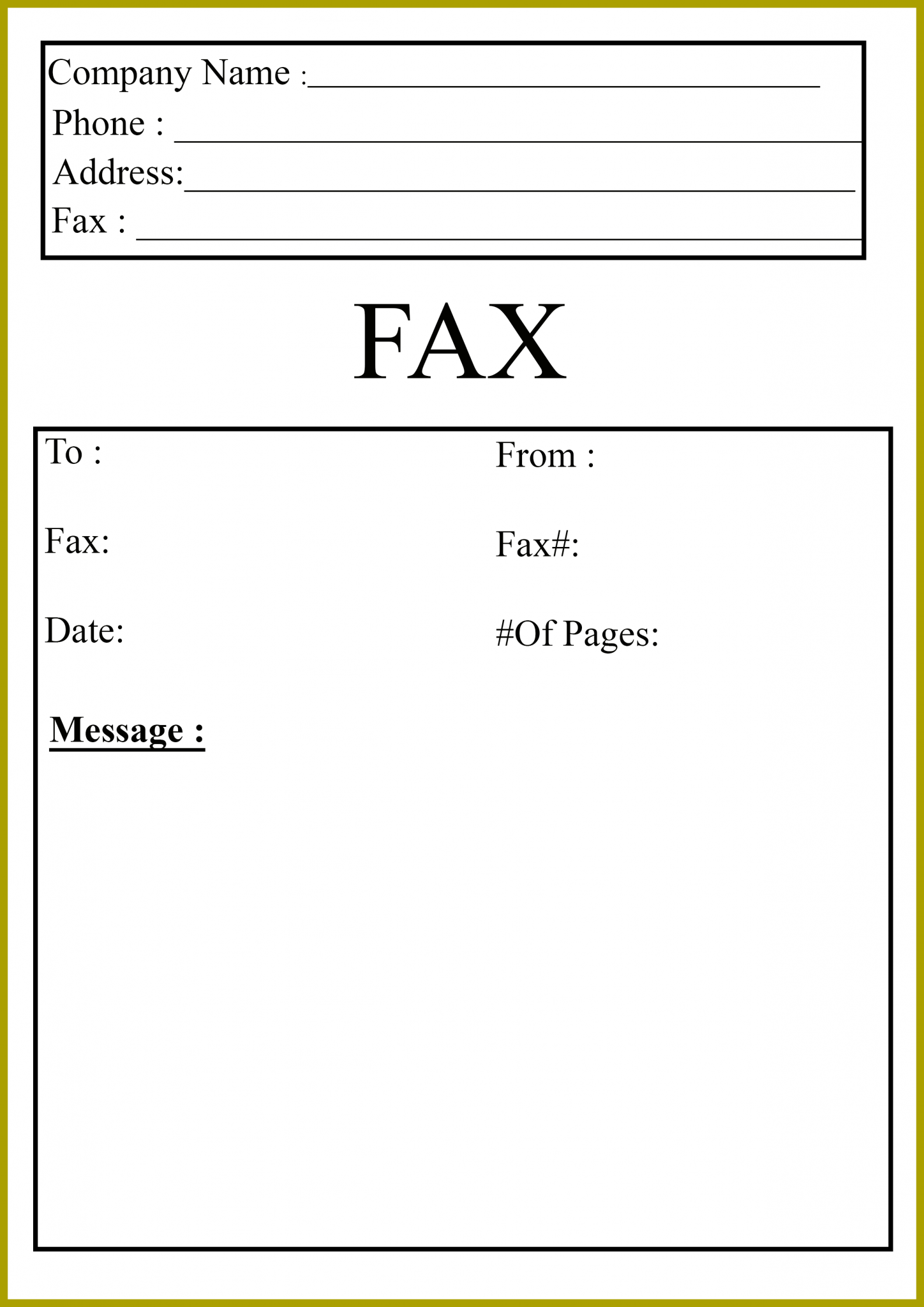
The notice should not be in the smallest font possible at the bottom of the page. It should be located near the top or middle of the cover sheet, in a font size that is easily legible (at least 10 or 12 point). Using bold text for the most critical warnings is highly effective.
Step 5: Review for Compliance
Ensure your language aligns with current 2026 standards for data privacy. For example, if you are sending faxes to individuals in the European Union, you may need to reference GDPR compliance regarding the handling of personal data.
Standard Industry Templates
Depending on your field, the tone and specific citations within your notice will vary. Below are three common templates used in professional environments.
| Industry | Primary Focus | Recommended Key Phrase |
|---|---|---|
| Medical/Healthcare | HIPAA Compliance | "Protected Health Information (PHI) - Federal Law Prohibits Unauthorized Disclosure" |
| Legal Services | Privilege Preservation | "Attorney-Client Privileged & Attorney Work Product" |
| Financial Services | Consumer Privacy (GLBA) | "Nonpublic Personal Information - Subject to Financial Privacy Act" |
| General Corporate | Proprietary Info | "Confidential Business Information - Proprietary and Trade Secret" |
The Healthcare Template (HIPAA-Centric)
"CONFIDENTIALITY NOTICE: The documents accompanying this facsimile transmission contain confidential health information that is legally privileged. This information is intended only for the use of the individual or entity named above. The authorized recipient of this information is prohibited from disclosing this information to any other party unless required to do so by law or regulation and is required to destroy the information after its stated need has been fulfilled. If you are not the intended recipient, you are hereby notified that any disclosure, copying, distribution, or action taken in reliance on the contents of these documents is strictly prohibited. If you have received this information in error, please notify the sender immediately and arrange for the destruction of these documents."
The Legal Template (Privilege-Centric)
"ATTORNEY-CLIENT PRIVILEGED: This transmission is intended only for the use of the addressee and may contain information that is privileged, confidential, and exempt from disclosure under applicable law. If you are not the intended recipient, or the employee or agent responsible for delivering the message to the intended recipient, you are hereby notified that any dissemination, distribution, or copying of this communication is strictly prohibited. If you have received this communication in error, please notify us immediately by telephone and delete/destroy the original message. Thank you."
Common Mistakes to Avoid
When drafting and implementing these notices, certain pitfalls can undermine their effectiveness.
- Using Overly Complex Legalese: If the recipient cannot understand the instructions because they are buried in archaic Latin or complex sentence structures, they are less likely to follow them. Keep the instructions simple.
- Small Font Size: A disclaimer that is unreadable due to low resolution or tiny font size will not hold up well if a dispute arises regarding "reasonable notice."
- Static Templates: Organizations often use the same cover sheet for decades. In 2026, it is vital to update your notice to reflect current contact information and any changes in state or federal privacy statutes.
- Ignoring Digital Fax Settings: If you use a digital fax service, ensure the disclaimer is integrated into the automated cover sheet generation. Sometimes, these services have "default" notices that are too generic for specialized industries.
Technological Context in 2026
By 2026, the "fax" is almost exclusively a digital packet sent via Transport Layer Security (TLS) or other encrypted methods. However, the end-point of a fax is often a printed page or an unencrypted email inbox. This "analog gap" is where the confidentiality notice remains vital.
Even with modern eFax systems, you should ensure that your metadata (the information shown on the machine's log or the email subject line) does not contain sensitive information. The confidentiality notice should be the first page of the actual attachment or the body of the cover page, ensuring it is the first item processed by the recipient.
Frequently Asked Questions
Does a fax confidentiality notice make me legally immune to data breaches?
No. A notice is a "reasonable safeguard" and a deterrent, but it does not replace the need for secure transmission methods. If you fax highly sensitive data to the wrong number, you may still be liable for a data breach under HIPAA or other privacy laws, though having a notice may demonstrate a "good faith" effort to protect the data.
Should I include the notice on every page or just the cover sheet?
Standard practice is to include the full notice on the cover sheet. However, many professional organizations include a small footer on every subsequent page that reads "Confidential" or "Privileged" to ensure that if pages are separated, the recipient is still alerted to the sensitive nature of the content.
Is it necessary to ask the recipient to "return" the fax?
While older notices often asked for the physical return of documents via mail, in 2026, it is more practical to ask the recipient to "shred" or "permanently destroy" the document and provide a written or verbal confirmation that they have done so.
Can a confidentiality notice be used for international faxes?
Yes, but you should be aware of international data transfer laws. If you are faxing from the U.S. to the EU, your notice should ideally align with GDPR requirements, emphasizing the rights of the data subject and the specific restrictions on processing personal data without a lawful basis.
What should I do if a recipient ignores the notice and uses the information?
If the information was privileged (like an attorney-client communication), you should immediately file a motion with the court to "claw back" the document and prevent its use in evidence. If it involved PHI, you must follow the mandatory breach notification protocols required by HHS.
Final Recommendation
When drafting your fax confidentiality notice, prioritize clarity and industry-specific requirements. Start with a bold header, explicitly define the intended recipient, and provide a clear phone number for reporting errors. Once drafted, have your legal counsel review the language to ensure it meets the specific statutory requirements of your jurisdiction in 2026. Regularly audit your fax cover sheets to ensure the contact information remains accurate and the formatting remains legible for all recipients.
Image Gallery