Flu Vaccine Cost in 2026: Cash Prices, Insurance Coverage, and Free Options
For most insured individuals, Medicare beneficiaries, and Medicaid enrollees, the out-of-pocket cost for an annual flu vaccine is $0. For uninsured individuals purchasing a flu shot in 2026, standard quadrivalent vaccines generally cos...
For most insured individuals, Medicare beneficiaries, and Medicaid enrollees, the out-of-pocket cost for an annual flu vaccine is $0. For uninsured individuals purchasing a flu shot in 2026, standard quadrivalent vaccines generally cost between $25 and $55 at retail pharmacies, while specialized formulations—such as high-dose or adjuvanted shots for seniors—range from $80 to $130.
Contents
Out-of-Pocket Retail Cash Prices for Flu Vaccines
Retail pharmacy chains, supermarket clinics, and big-box store immunizers set annual cash prices for self-pay customers who do not have commercial insurance or choose not to file a claim. Cash pricing varies depending on the vaccine formulation required, the patient's age, and the dispensing facility.
Standard-dose quadrivalent vaccines protect against four distinct influenza strains (two influenza A strains and two influenza B strains). These represent the baseline immunization standard for individuals aged 6 months through 64 years who do not require egg-free or high-potency alternatives. Enhanced formulations—including Fluzone High-Dose, Fluad, and Flublok—utilize specialized manufacturing processes or higher antigen counts, raising production costs and retail prices.
The following table details the average self-pay pricing across major U.S. retail channels for the 2026 immunization season:
| Retailer / Health Provider | Standard Quadrivalent (Ages 6 Months–64 Years) | High-Dose / Adjuvanted (Seniors 65+) | Recombinant / Egg-Free (Flublok) | Billing & Network Status Notes |
|---|---|---|---|---|
| Costco Wholesale | $19.99 – $29.99 | $75.00 – $85.00 | $65.00 – $75.00 | Membership not required to use the pharmacy in most states. |
| Walmart Pharmacy | $25.00 – $38.00 | $78.00 – $88.00 | $70.00 – $82.00 | Accepts most major commercial, Medicare, and Medicaid plans. |
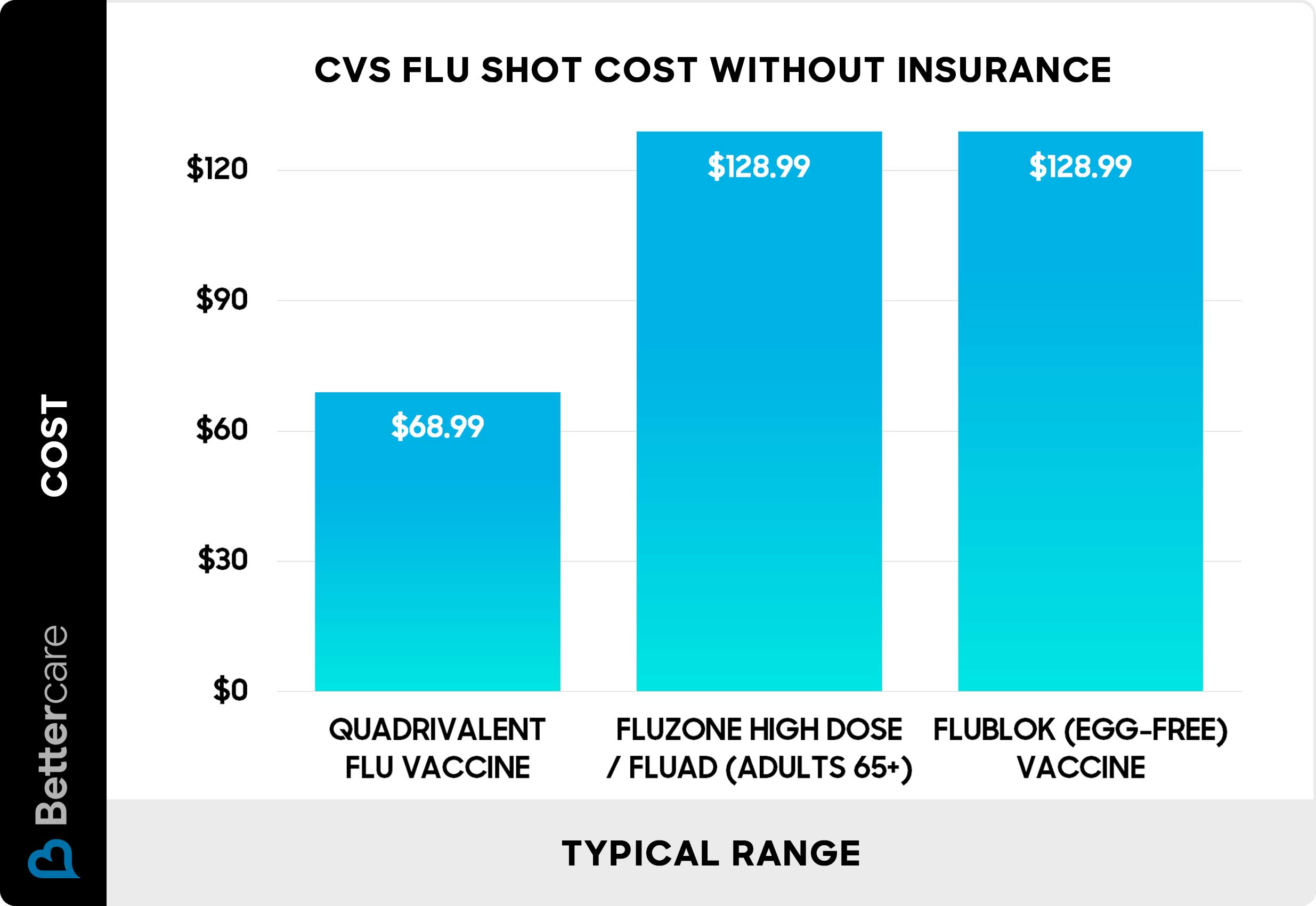
| CVS Pharmacy | $44.99 – $54.99 | $94.99 – $115.00 | $89.99 – $99.99 | Includes MinuteClinic locations; in-clinic consultation fees apply without insurance. |
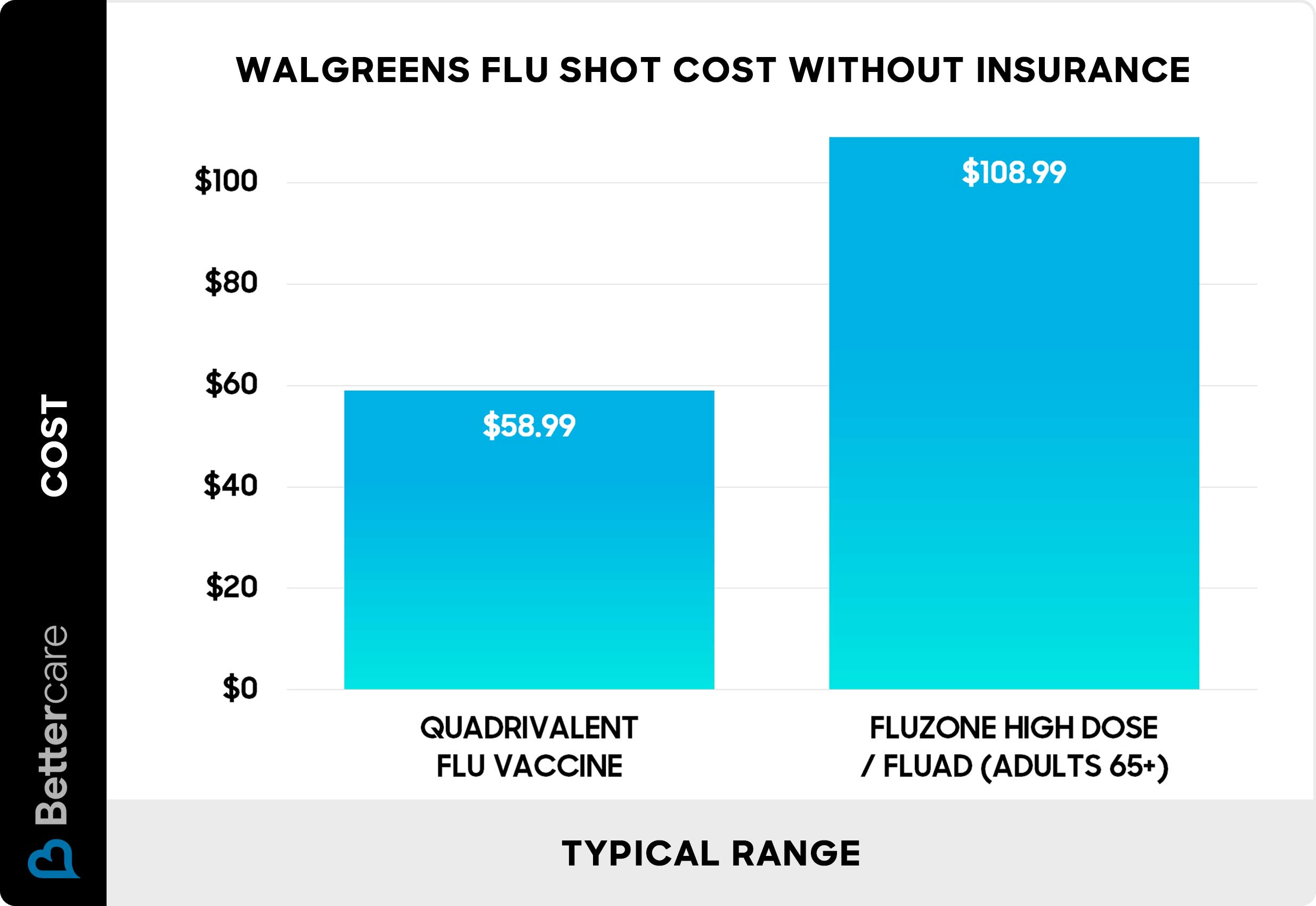
| Walgreens | $44.99 – $54.99 | $94.99 – $115.00 | $89.99 – $99.99 | Offers integrated digital appointment scheduling and mobile savings passes. |
| Kroger / Regional Grocery | $32.00 – $45.00 | $85.00 – $95.00 | $75.00 – $88.00 | Loyalty card programs may provide modest automatic cash discounts. |
| Community Health Clinics / FQHCs | $0.00 – $20.00 | $0.00 – $45.00 | $0.00 – $40.00 | Sliding-fee scale based on Federal Poverty Guidelines (FPL). |
How Health Insurance Regulates Flu Shot Costs
Under federal legislative mandates, the majority of Americans enrolled in comprehensive health coverage pay nothing out-of-pocket for an annual flu vaccination, provided the service is delivered by an in-network provider.
The Affordable Care Act (ACA) Mandate
Section 2713 of the Patient Protection and Affordable Care Act requires non-grandfathered private commercial health plans—including individual marketplace plans, small group policies, and large employer-sponsored group health plans—to cover preventive health services without cost-sharing.
The Advisory Committee on Immunization Practices (ACIP), operating under the Centers for Disease Control and Prevention, maintains routine annual recommendations for influenza immunization. Because ACIP includes the flu vaccine on its recommended immunization schedule, insurers must cover 100% of the cost.
- Copayments: $0 (In-Network)
- Coinsurance: 0% (In-Network)
- Deductible Requirements: Exempt (The policyholder does not need to satisfy an annual deductible before receiving coverage).
Out-of-Network Exception Warning
If an insured individual receives a flu shot at an out-of-network clinic, urgent care center, or out-of-network pharmacy, the insurer is not legally bound to cover the full expense. The provider may balance-bill the patient for the full retail cost of the dose plus administrative fees.
Medicare Coverage Rules (Part B vs. Part D)
Influenza immunization for Medicare beneficiaries falls under Medicare Part B (Medical Insurance), not Medicare Part D (Prescription Drug Coverage).
- Original Medicare (Part B): Medicare covers one flu shot per flu season for 100% of the Medicare-approved amount. Beneficiaries face $0 deductible and $0 coinsurance when visiting any physician, clinical laboratory, or pharmacy participating in Medicare assignment.
- Medicare Advantage (Part C): Medicare Advantage plans are contractually obligated to offer benefits equal to or better than Original Medicare. Consequently, Part C plans must provide $0 copays for annual flu shots administered by in-network providers.
- High-Dose Priority Coverage: For adults aged 65 and older, ACIP preferentially recommends higher-potency formulations (Fluzone High-Dose Quadrivalent, Fluad Quadrivalent, or Flublok Quadrivalent). Medicare Part B covers these higher-cost vaccines at 100% full allowance without extra fees.
Detailed benefit guidelines and provider network definitions are published directly by the Centers for Medicare & Medicaid Services.
Medicaid and Children’s Health Insurance Program (CHIP)
Medicaid coverage for flu immunizations varies slightly by state administrative structure, but universally protects pediatric and low-income populations:
- Children (Ages 0–18): Under the federal Vaccines for Children (VFC) program, children enrolled in Medicaid or CHIP, as well as uninsured or underinsured youth, receive federally funded vaccines at no cost for the dose itself. Providers may charge a small administrative fee, which Medicaid covers entirely.
- Adult Enrollees: Under provisions enhanced by the American Rescue Plan and expanded under current federal health guidelines, state Medicaid programs cover ACIP-recommended adult immunizations with zero copayments for standard beneficiaries.
Breakdown of Flu Vaccine Formulations and Pricing Drivers
The price of a flu vaccine is largely determined by its biological manufacturing methodology, antigen concentration, and targeted demographics. Understanding these distinctions helps clarify why retail prices vary significantly across options.
| Vaccine Formulation | Details |
|---|---|
| Standard Quadrivalent | • Cost: $25 - $55 (Cash)• 15 mcg antigen per strain• Ages 6 months to 64 years |
| High-Dose & Adjuvanted | • Cost: $80 - $130 (Cash)• 60 mcg antigen per strain (4x payload)• Specifically for Seniors (Ages 65+) |
| Egg-Free Recombinant (Flublok) | • Cost: $70 - $100 (Cash)• Insect-cell culture technology• Ideal for severe egg allergies |
| Nasal Spray (FluMist) | • Cost: $40 - $70 (Cash)• Live attenuated virus (LAIV4)• Needle-free option (Ages 2 to 49) |
Standard Quadrivalent (Egg-Based and Cell-Based)
Standard inactivated influenza vaccines (IIV4) contain four killed viral strains. Traditional production relies on propagating the virus in candidate egg cultures, while cell-based vaccines (such as Flucelvax Quadrivalent) grow the candidate viruses in cultured animal cells. Cell-based manufacturing avoids egg-adapted mutations, offering slightly higher fidelity to circulating strains.
- Manufacturing Cost Factor: Moderate, highly optimized global supply chains.
- Average Cash Price: $25 to $55.
High-Dose and Adjuvanted Formulations (Adults 65+)
Older adults experience immunosenescence—a natural weakening of the immune response system over time. To generate a robust protective antibody response, two primary enhanced vaccines are utilized:
- Fluzone High-Dose Quadrivalent: Contains 60 micrograms of hemagglutinin (HA) antigen per strain, four times the standard dose of 15 micrograms per strain.
- Fluad Quadrivalent: Contains a standard antigen volume combined with an adjuvant (MF59, an oil-in-water emulsion of squalene) to amplify the immune system’s local and systemic response.
Because these formulations require higher biological ingredient volumes and specialized production licensing, their base manufacturing costs are higher.
- Manufacturing Cost Factor: High.
- Average Cash Price: $80 to $130.
Recombinant / Egg-Free Vaccines (Flublok Quadrivalent)
Recombinant technology (exemplified by Flublok) manufactures flu vaccines completely independent of the influenza virus or chicken eggs. Developers isolate the genetic code for the target hemagglutinin protein and express it inside insect cell lines.
This process yields a protein-only vaccine with three times the antigen load of standard shots without utilizing antibiotics, eggs, or live viruses.
- Manufacturing Cost Factor: High.
- Average Cash Price: $70 to $100.
Live Attenuated Nasal Spray (FluMist Quadrivalent)
FluMist is a live attenuated influenza vaccine (LAIV4) delivered via an intranasal sprayer rather than an intramuscular injection. It is approved for non-pregnant individuals aged 2 through 49 years.
- Manufacturing Cost Factor: Moderate-High.
- Average Cash Price: $40 to $70.
Where to Get Free or Low-Cost Flu Shots Without Insurance
Uninsured and underinsured individuals can access free or low-cost vaccinations through several safety-net programs and community resources.
Local County Health Departments and FQHCs
Public health agencies prioritize community-wide immunization to preserve local epidemiological protection.
- Federally Qualified Health Centers (FQHCs): FQHCs receive federal grant funding under Section 330 of the Public Health Service Act to deliver comprehensive care to underserved populations. They offer vaccines using a sliding-fee schedule tied to income relative to the Federal Poverty Level (FPL). Individuals below 100% FPL often pay $0 or a nominal fee ($5 to $10).
- County Health Departments: Municipal public health offices frequently host seasonal pop-up walk-in immunization clinics offering free or low-cost ($10–$15) vaccinations during peak autumn months.
The Vaccines for Children (VFC) Program
Parents without health insurance coverage can secure zero-cost flu immunizations for their pediatric dependents through the VFC program. Managed nationally by the CDC and administered locally by state health departments, the VFC program distributes free vaccines to participating pediatric offices, rural health clinics, and retail providers.
- Eligibility: Children under 19 years old who are uninsured, underinsured, Medicaid-eligible, or American Indian/Alaska Native.
- Vaccine Cost: $0. (A maximum state-regulated administrative fee may apply, but providers cannot deny service if a family cannot afford the administrative charge).
Retail Prescription Discount Cards and Vouchers
Uninsured individuals purchasing vaccines at retail drugstores can significantly reduce costs using pharmacy savings tools:
- Prescription Discount Programs: Services such as GoodRx, SingleCare, and RxSaver negotiate bulk rates with pharmacy benefit managers (PBMs). Presenting a digital coupon card at retail counters like CVS or Walgreens can lower standard vaccine cash prices by 20% to 40% (bringing $50 retail prices down to roughly $30–$35).
- Employer and Municipal Voucher Programs: Many municipal health coalitions, university public health departments, and local non-profits distribute single-use pharmacy vouchers for seasonal flu shots.
Medical Billing and CPT Codes for Flu Immunization
Healthcare providers submit medical claims for flu vaccinations using standardized coding systems established by the American Medical Association (AMA) and CMS. Understanding these Current Procedural Terminology (CPT) and Healthcare Common Procedure Coding System (HCPCS) codes can help prevent unexpected billing errors or improper co-pay assessments.
To complete a valid medical claim for a flu shot, providers must bill two distinct elements:
- The Specific Vaccine Product CPT Code (identifies the physical biological product).
- The Administration CPT/HCPCS Code (identifies the clinical labor, needle usage, and time spent giving the shot).
| Product Code (CPT) | Administration Code (CPT/HCPCS) |
|---|---|
| Example: 90686 (Standard Quadrivalent) | Example: 90471 (Standard Private Admin) |
| Example: 90662 (Fluzone High-Dose) | Example: G0008 (Medicare Part B Admin) |
Primary Vaccine Product CPT Codes
- CPT 90686: Influenza virus vaccine, quadrivalent (IIV4), split virus, preservative free, 0.5 mL dosage, for intramuscular use. (Standard commercial shot)
- CPT 90688: Influenza virus vaccine, quadrivalent (IIV4), split virus, containing preservative, 0.5 mL dosage, for intramuscular use.
- CPT 90662: Influenza virus vaccine, split virus, preservative free, enhanced immunogenicity via high dose formulation, for intramuscular use. (Fluzone High-Dose)
- CPT 90653: Influenza virus vaccine, inactivated (IIV), subunit, adjuvanted, for intramuscular use. (Fluad)
- CPT 90674: Influenza virus vaccine, quadrivalent (ccIIV4), derived from cell cultures, preservative free, 0.5 mL dosage, for intramuscular use. (Flucelvax)
- CPT 90672: Influenza virus vaccine, quadrivalent, live (LAIV4), for intranasal use. (FluMist)
Vaccine Administration Billing Codes
- CPT 90471: Immunization administration (includes percutaneous, intradermal, subcutaneous, or intramuscular injections); 1 vaccine single or combination.
- HCPCS Code G0008: Administration of influenza virus vaccine. (Exclusively utilized for billing Medicare Part B direct claims).
Billing & Claims Resolution Tip
If an insurer mistakenly imposes a copay or applies a flu shot charge toward your deductible, contact the billing department and confirm that the administration code was billed under preventive service parameters (e.g., linked to ICD-10 Diagnosis Code Z23 for encounter for immunization) alongside administrative code 90471 or G0008.
Step-by-Step Guide: How to Get Your Flu Shot at the Lowest Possible Cost
Step 1: Verify Your Insurance Plan's Preventive Care Rules
If insured, check your insurer's online portal or call the customer service line listed on your ID card. Ask for a list of "in-network retail pharmacies" or "in-network urgent care clinics." Avoid visiting an out-of-network provider to ensure 100% preventive coverage with zero balance-billing.
Step 2: Determine Which Vaccine Formulation You Need
- Ages 6 Months to 64 Years: Request a standard quadrivalent vaccine (egg-based or cell-based).
- Severe Egg Allergies: Ask specifically for a recombinant vaccine (Flublok).
- Seniors Aged 65+: Request high-dose (Fluzone High-Dose) or adjuvanted (Fluad) options. Confirm in advance that your pharmacy has senior-specific stock available.
Step 3: Choose the Most Cost-Effective Location
If you lack insurance:
- Costco offers some of the lowest out-of-pocket cash prices nationwide for self-pay patients, and non-members can access the pharmacy in most states.
- Check your city or county health department website for upcoming free neighborhood flu clinics.
- Contact a local Federally Qualified Health Center (FQHC) to schedule an appointment on a sliding-fee scale based on your household income.
Step 4: Avoid Unnecessary Office Visit Fees
If your main goal is simply getting an annual flu vaccine, receive it at a retail pharmacy or dedicated immunization clinic. Scheduling a standalone appointment with a primary care physician may incur an extra "Evaluation and Management" (E/M) office visit fee if other health concerns are discussed during the visit.
Frequently Asked Questions About Flu Vaccine Costs
How much does a flu shot cost without insurance at CVS or Walgreens?
At CVS and Walgreens, a standard quadrivalent flu shot for adults under 65 costs approximately $45 to $55 out-of-pocket. High-dose flu shots for seniors aged 65 and older cost between $95 and $115 at these locations.
Does Medicare Part B fully cover high-dose flu shots for seniors?
Yes. Medicare Part B covers 100% of the cost for high-dose (Fluzone High-Dose) and adjuvanted (Fluad) flu vaccines for eligible seniors aged 65 and older. Beneficiaries face $0 copays and $0 deductibles when seeing a provider that accepts Medicare assignment.
Can I get a flu shot for free if I am uninsured?
Yes. Uninsured individuals can often get free flu shots through local county health department drives, community health fairs, or federally supported clinics. Additionally, children under 19 can receive free flu vaccines through the federally funded Vaccines for Children (VFC) program.
Why do high-dose flu shots cost more than standard flu shots?
High-dose flu shots cost more because they contain four times the amount of antigen found in standard doses. This requires specialized bio-manufacturing processes to help older adults build a stronger immune response.
Will I be charged an office visit fee if I get a flu shot at my doctor's office?
If you receive a flu shot during a routine preventive physical, you should not incur an extra office visit fee. However, if you schedule an appointment solely for a vaccine, or if non-preventive medical conditions are evaluated during the same visit, your physician may bill an Evaluation & Management (E/M) office visit code, which may trigger a copay or deductible charge.
Final Recommendations for Affordable Influenza Protection
Maintaining annual influenza protection is vital for personal health and community protection. To keep costs as low as possible:
- If Insured: Visit an in-network retail pharmacy or in-network clinic to receive your shot for $0 out-of-pocket.
- If Enrolled in Medicare: Request a recommended high-dose formulation at a participating provider for 100% coverage under Part B.
- If Uninsured: Compare cash prices across local providers, utilize prescription discount programs at warehouse pharmacies like Costco, or contact your local health department to find free community vaccination clinics.
Reviewing your coverage details before making an appointment ensures you receive the correct vaccine formulation for your age group without facing unexpected out-of-pocket fees.
Image Gallery