Putting a Lien on a Car for a Loan: A Comprehensive Guide for Creditors
Putting a lien on a car for a loan involves legally registering a security interest in a vehicle title to ensure that a borrower fulfills their repayment obligations. By placing a lien, the lender—which can be a financial institution,...
Putting a lien on a car for a loan involves legally registering a security interest in a vehicle title to ensure that a borrower fulfills their repayment obligations. By placing a lien, the lender—which can be a financial institution, a private investor, or an individual—gains a legal claim to the vehicle, allowing them to initiate repossession procedures if the loan terms are breached. This process serves as a vital risk-mitigation tool for secured lending, where the vehicle acts as collateral against the borrowed funds.
Contents
Understanding the Concept of a Vehicle Lien
A vehicle lien is a legal document recorded with the state’s Department of Motor Vehicles (DMV) or the equivalent agency responsible for vehicle titles. When a lien is active, the vehicle title is typically "encumbered." This means the owner cannot legally sell, trade, or transfer the title without first satisfying the debt or obtaining the lender’s written consent.
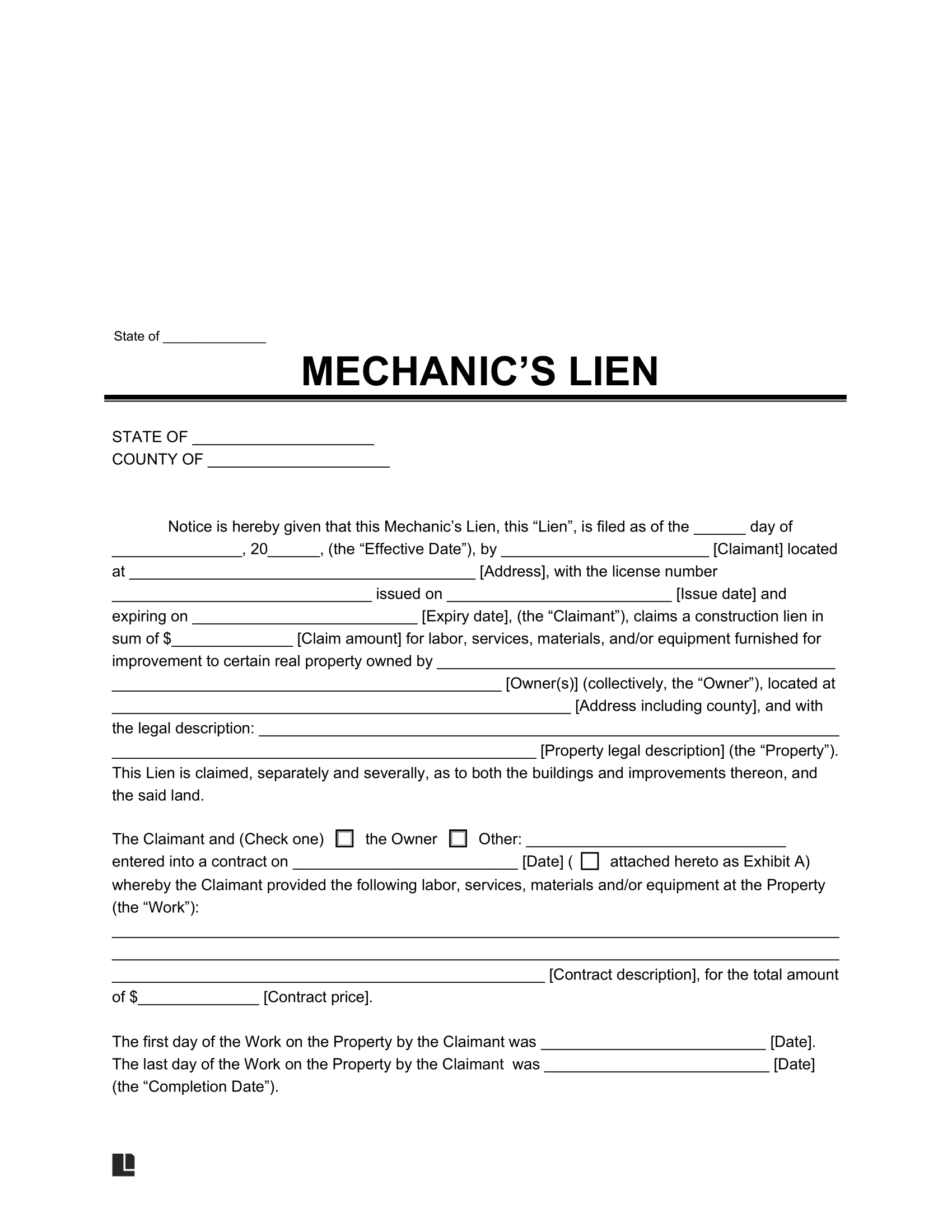
For a lender, the lien acts as an insurance policy. If the borrower defaults on the loan, the lien gives the creditor the legal standing to seize the collateral—in this case, the car—to recover the outstanding balance. It is important to distinguish between a consensual lien (which occurs during a loan agreement) and a mechanic’s or judgment lien (which can be placed on a vehicle by a repair shop or a court for unpaid debts). This guide focuses primarily on the consensual lien created for the purpose of securing a private or commercial loan.
Prerequisites and Eligibility Requirements
Before placing a lien on a car, you must establish the legal basis for the security interest. You cannot unilaterally place a lien on a vehicle you do not have an agreement with the owner to secure.
- Loan Agreement: A formal, written contract between the borrower and the lender is mandatory. This document should detail the principal amount, interest rate, repayment schedule, and the specific terms regarding the collateral vehicle.
- Vehicle Ownership: The borrower must hold a clear title to the vehicle or have sufficient equity in it. If there is already an existing lien on the car (e.g., from an original auto manufacturer financing), that lender holds the primary security interest. You would only be a secondary or "junior" lienholder, which significantly increases your risk.
- Jurisdictional Compliance: Lien laws are established at the state level. In the United States, each state has specific statutes governing how a security interest is "perfected." You must research the specific requirements of the state where the vehicle is titled.
The Process of Perfecting a Lien
"Perfecting" a lien is the formal process of making your security interest visible to the public and legally enforceable. Without perfection, your claim may not hold up against other creditors or in bankruptcy court.
- Step 1: Drafting the Security Agreement: Ensure the security agreement specifically identifies the vehicle by its Vehicle Identification Number (VIN), make, model, and year. The agreement must explicitly state that the vehicle is collateral for the specific loan.
- Step 2: Filing the UCC-1 Financing Statement: In many commercial lending scenarios, a Uniform Commercial Code (UCC-1) financing statement must be filed with the Secretary of State. This notifies other potential creditors that you have a claim on the borrower's assets.
- Step 3: Updating the Certificate of Title: This is the most critical step for individual vehicle loans. You must apply to the DMV to have your name added to the vehicle’s title as a "Lienholder." The state will issue a new title reflecting your status. The DMV will generally mail this updated title to the lienholder or hold it in their database depending on state-specific digital title protocols.
- Step 4: Verification: Once the DMV processes the request, they will provide a confirmation or a copy of the new title certificate listing you as the lienholder. Keep this documentation in a secure location.
Comparing Lienholder Positions
When evaluating a loan, the position of your lien determines your priority in the event of liquidation.
| Lien Position | Priority | Risk Level | Recovery Likelihood |
|---|---|---|---|
| First Lien | Primary | Lowest | High (First right to collateral) |
| Second Lien | Subordinate | High | Low (Dependent on primary payoff) |
| Judgment Lien | Variable | Highest | Subject to court delays |
Costs and Administrative Fees
The costs associated with putting a lien on a car vary by jurisdiction. You should be prepared for the following expenses:
- DMV Title Update Fee: Most states charge a nominal fee (typically $20 to $150) to process a title application and issue a new certificate.
- Notary Fees: Loan agreements and specific DMV forms often require notarization to ensure their authenticity.
- Filing Fees: If a UCC-1 statement is required, state filing offices charge a processing fee.
- Professional/Legal Fees: If you hire a legal professional to draft the security agreement to ensure it is ironclad, these costs will reflect the attorney's hourly rate.
Risks and Operational Limitations
While a lien provides security, it is not a guarantee of full recovery. Several factors can diminish the value of your collateral:
- Depreciation: Vehicles lose value rapidly. A car that is worth enough to cover the loan today may be worth significantly less in two years.
- Vehicle Condition: The borrower may fail to maintain the vehicle or may be involved in an accident. If the car is totaled and the owner lacks "gap insurance" or comprehensive coverage, your collateral could essentially vanish.
- Hidden Liens: If you fail to perform a thorough title search before lending, you might discover that the vehicle is already encumbered by unpaid taxes or child support liens, which often take precedence over private loan liens.
- Repossession Logistics: Repossessing a car is subject to strict state laws. You generally cannot "breach the peace" during repossession. If a borrower refuses to surrender the vehicle, you may be forced to pursue legal action, which can be time-consuming and expensive.
Troubleshooting and Common Pitfalls
- Missing Title Information: Always obtain a physical inspection of the title before providing funds. Relying on a borrower’s word regarding the status of the title is a common point of failure.
- Incomplete Documentation: If the lienholder’s name is misspelled or the VIN is entered incorrectly on the DMV form, the lien may be considered unperfected and invalid in a court of law.
- Ignoring Insurance Requirements: As a lienholder, you should require the borrower to maintain full coverage insurance on the vehicle, with you listed as a "Loss Payee." This ensures that if the car is damaged, the insurance payout covers the repair or the loan balance, protecting your interest.
Frequently Asked Questions
Can I put a lien on a car if I’m just lending a friend money? Yes, but you must formalize the arrangement. You need a signed security agreement and must register the lien with the DMV. Informal "handshake" deals do not provide you with legal title-holding status, meaning you would have no legal recourse if the borrower refuses to return the car.
What happens if the borrower moves the car to another state? Vehicle liens generally remain valid when a car moves across state lines due to reciprocal legal agreements. However, you may need to file documentation in the new state to ensure your status as a lienholder is recognized in that jurisdiction’s DMV database.
What is the difference between a lien and a title loan? A lien is the legal status recorded on the title, whereas a "title loan" is a specific type of short-term, high-interest loan that uses the vehicle as collateral. In a title loan, the lender essentially creates a lien as a standard part of the transaction.
How do I remove the lien once the loan is paid off? Once the borrower has satisfied the debt, you are legally obligated to issue a "Lien Release." You must submit a release form to the DMV so the owner can receive a clean title, confirming they hold full ownership of the vehicle without encumbrances.
Does a lien expire? Yes, most liens have a statutory expiration period, often coinciding with the maturity date of the loan or a set number of years (e.g., 5 to 10 years). If the loan is not satisfied by the expiration date, you may need to file a renewal to maintain your priority status.
Professional Guidance
This information is provided for educational purposes and does not constitute legal or financial advice. Because vehicle title laws are highly specific to your state of residence, consult with a qualified attorney or a title expert before attempting to file a lien. Always ensure that your security agreement is drafted by a professional to protect your rights as a creditor.
Image Gallery