Navigating the Advantages and Disadvantages of Hydroelectric Energy
Hydroelectric energy is a reliable, renewable power source generated by capturing the kinetic and potential energy of flowing or falling water, typically through large-scale dams and civil engineering infrastructure. While it provides...
Hydroelectric energy is a reliable, renewable power source generated by capturing the kinetic and potential energy of flowing or falling water, typically through large-scale dams and civil engineering infrastructure. While it provides substantial baseload power and lower operational carbon emissions than fossil fuels, it also entails complex ecological disruption, displacement risks, and high capital costs.
Contents
The global energy landscape relies heavily on diverse generation sources to maintain grid stability, meet fluctuating demand, and reduce greenhouse gas emissions. Among renewable energy technologies, hydroelectric power stands as one of the oldest and most mature methods of electricity generation. By harnessing the natural water cycle, hydroelectric facilities convert gravitational forces into electrical energy on a massive scale. However, this energy source involves a complex balance between clean electricity production and significant environmental and social footprints. Understanding these dynamics is essential for policymakers, engineers, and communities evaluating future energy investments.
The Mechanics of Hydroelectric Power Generation
Hydroelectric energy generation relies on fundamental principles of physics, specifically converting the mechanical energy of moving water into electrical energy. Water held behind a dam possesses potential energy due to its elevated position relative to the turbines below. When intake gates open, gravity pulls the water downward through massive steel pipes known as penstocks.
As the water rushes through the penstocks, its potential energy transforms into kinetic energy, creating immense pressure and velocity. This high-pressure stream strikes the blades of a turbine, causing it to spin rapidly. The turbine connects to a generator via a rotating shaft. Inside the generator, a rotor spins inside a stator, creating a magnetic field that induces an electrical current according to Faraday’s law of induction. Transformers then step up the voltage of this electricity for efficient transmission across long-distance power lines to urban and industrial centers.
Engineers classify hydroelectric systems into several distinct categories based on their design and operational scale:
- Impoundment Facilities: The most common type, utilizing a dam to store water in a reservoir. Operators release water on demand to meet electricity needs.
- Diversion (Run-of-River) Facilities: Channels a portion of a river through a canal or penstock to utilize natural water flow and elevation drop without constructing massive reservoirs.
- Pumped Storage Facilities: Operates like a giant battery. During periods of low electricity demand, excess grid energy pumps water from a lower reservoir to an upper reservoir. During peak demand, the water flows back down to generate power.
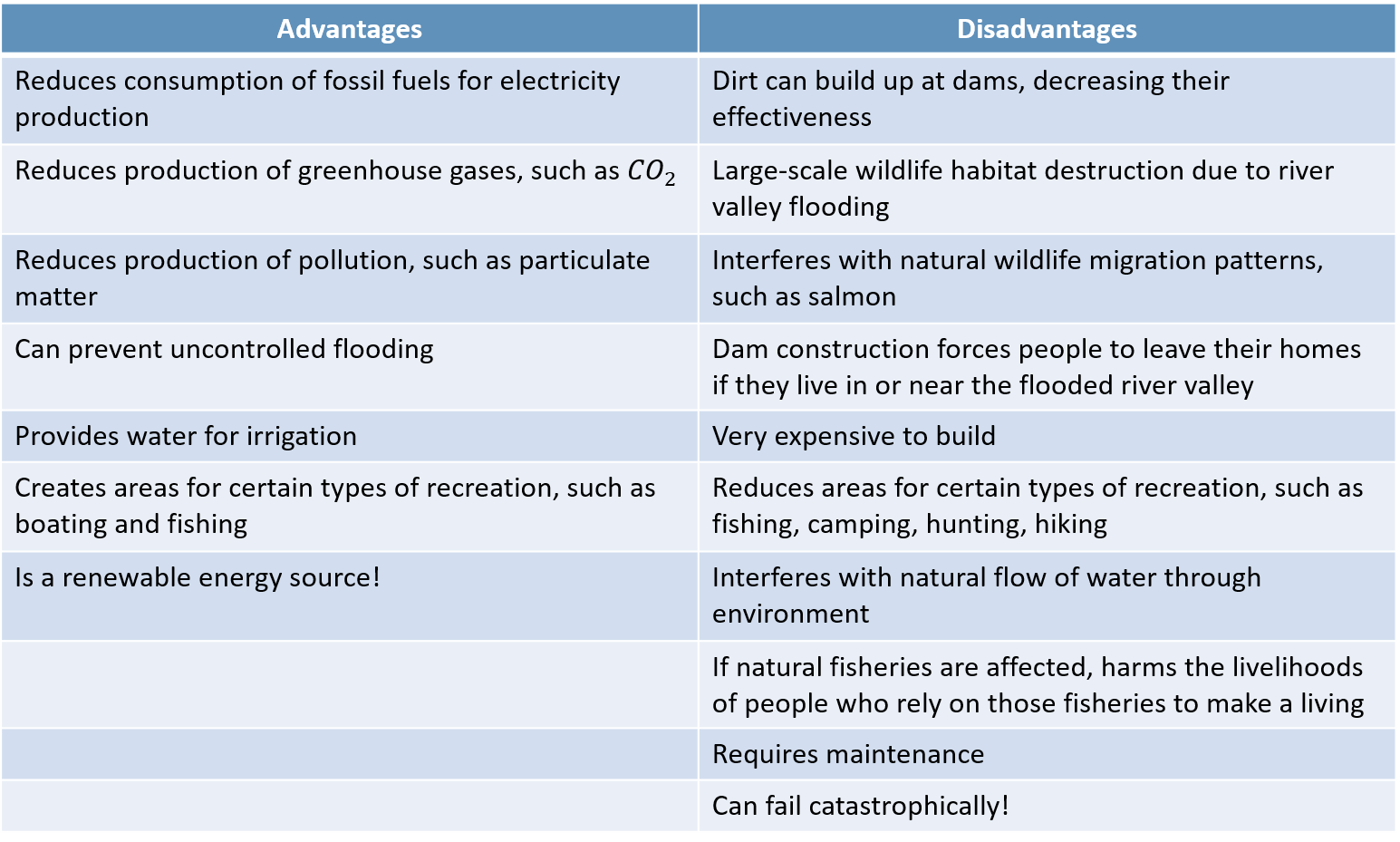
Key Advantages of Hydroelectric Energy
Hydroelectric power remains a cornerstone of global renewable energy portfolios because it offers unique operational and economic benefits that intermittent sources like wind and solar cannot always replicate.
High Reliability and Baseload Capacity
Unlike photovoltaic solar arrays or wind turbines, which depend entirely on weather conditions, hydroelectric facilities can adjust generation rapidly to match grid demand. Impoundment dams store water like a battery, allowing operators to ramp up generation within minutes. This capability makes hydroelectric power an ideal source of baseload and peak-load electricity, ensuring continuous grid stability.
Low Operational Greenhouse Gas Emissions
Once constructed, hydroelectric plants generate electricity without burning fossil fuels. Their direct operational emissions are minimal compared to coal, oil, or natural gas power plants. This characteristic helps countries reduce their carbon footprints and meet international climate agreements.
Longevity and Low Operating Costs
Hydroelectric infrastructure is renowned for its durability. Dams, penstocks, and turbine houses often operate efficiently for 50 to 100 years with proper maintenance. While initial capital expenditure is exceptionally high, the long operational lifespan combined with low ongoing fuel and maintenance costs results in a favorable levelized cost of energy over decades.
Water Resource Management and Multiple Benefits
Dams and reservoirs are frequently engineered for multiple purposes beyond electricity generation. They provide reliable water supplies for municipal consumption and agricultural irrigation, help control devastating downstream floods, and create deepwater lakes that support recreational activities such as boating, fishing, and tourism.
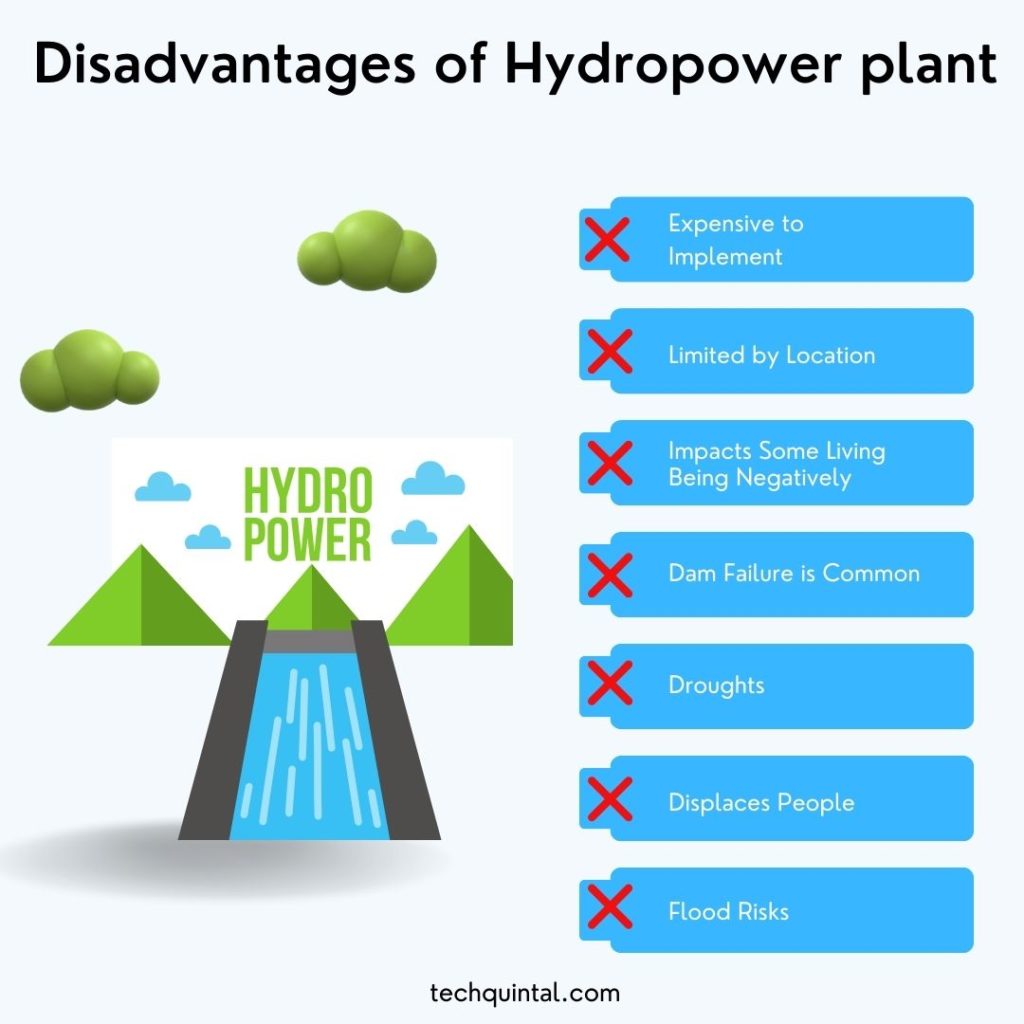
Significant Disadvantages of Hydroelectric Energy
Despite its renewable nature and reliability, hydroelectric energy presents severe ecological, social, and economic drawbacks that demand careful mitigation.
Environmental Degradation and Ecosystem Disruption
Constructing a dam fundamentally alters river ecosystems. A free-flowing river is transformed into an artificial lake, submerging terrestrial forests, wetlands, and agricultural land. This inundation destroys local habitats and threatens biodiversity. Furthermore, dams block the natural migration routes of freshwater fish species, such as salmon and trout, preventing them from reaching upstream spawning grounds.
Displacement of Human Communities
Large-scale hydroelectric projects often require flooding vast tracts of land, forcing the relocation of local populations, indigenous communities, and rural villages. This displacement disrupts cultural heritage, traditional livelihoods, and local economies. While resettlement programs are legally mandated in many jurisdictions, historical and ongoing projects frequently face criticism over inadequate compensation and social disruption.
Methane Emissions from Reservoirs
While operational emissions are low, decomposing organic matter—such as submerged vegetation and soil carbon—trapped within tropical and temperate reservoirs can release significant quantities of methane and carbon dioxide. In shallow tropical reservoirs with high organic loads, greenhouse gas emissions can approach or even exceed those of fossil-fuel-fired power plants over a short-term horizon.
High Initial Capital Cost and Long Construction Timelines
Building a major hydroelectric dam requires monumental financial investments and complex civil engineering work. Projects frequently suffer from severe budget overruns, lengthy permitting processes, and construction delays spanning a decade or more. These financial hurdles can strain national economies and deter private investors.
| Feature / Metric | Hydroelectric Energy | Solar Photovoltaic Energy | Wind Energy |
|---|---|---|---|
| Grid Reliability | High (Baseload & Peak capability) | Intermittent (Weather dependent) | Intermittent (Wind dependent) |
| Operational Lifespan | 50 to 100+ years | 25 to 30 years | 20 to 25 years |
| Initial Capital Cost | Exceptionally High | Moderate and Decreasing | Moderate and Decreasing |
| Direct Land Footprint | Very High (Submerged reservoirs) | Moderate to High (Solar farms) | Low to Moderate (Turbine bases) |
| Ecosystem Impact | Severe (Blocks fish, alters flow) | Low to Moderate (Habitat fragmentation) | Low to Moderate (Bird/bat collisions) |
Evaluating Comparative Alternatives and Modern Mitigations
As energy planners weigh the pros and cons of hydroelectric power, modern engineering focuses on mitigating environmental damage while maximizing efficiency. Low-impact hydro designs, fish ladders, and catch-and-haul programs help aquatic wildlife bypass physical barriers. Additionally, retrofitting existing non-powered dams with generating equipment allows communities to capture clean energy without constructing new reservoirs.
When compared to solar and wind energy, hydroelectric power provides unmatched inertia and grid stability. However, the ideal modern energy mix integrates all three technologies, utilizing hydro storage and baseload capacity to balance the intermittent generation profiles of solar and wind farms.
Frequently Asked Questions
Is hydroelectric energy considered a renewable resource?
Yes, hydroelectric energy is classified as renewable because it relies on the Earth's natural hydrological cycle. Precipitation continually replenishes river systems and reservoirs through evaporation, condensation, and runoff, ensuring the water supply is not permanently depleted by power generation.
How do hydroelectric dams affect local fish populations?
Dams act as physical barriers that block migratory fish from traveling upstream to spawn and downstream to reach the ocean. Additionally, the altered water temperatures, reduced dissolved oxygen levels, and turbine blade strikes during downstream passage can cause high mortality rates among aquatic species.
Can existing dams be retrofitted to generate electricity?
Yes, thousands of existing flood-control, navigation, and water-supply dams currently lack power generation equipment. Retrofitting these structures with turbines provides a cost-effective way to generate clean energy without incurring the environmental damage of flooding new land.
What is pumped storage hydroelectricity and why is it important?
Pumped storage acts as a giant grid-scale water battery. It utilizes two water reservoirs at different elevations. During times of low electricity demand and low cost, surplus grid energy pumps water upward. When electricity demand spikes, water is released downward through turbines to generate immediate power, stabilizing grid fluctuations.
Do hydroelectric plants emit greenhouse gases?
Direct emissions from running water through turbines are virtually zero. However, reservoirs created by dams flood organic matter, which decays anaerobically and produces methane and carbon dioxide. The scale of these emissions varies widely based on local climate, reservoir depth, and the amount of submerged vegetation.
Conclusion and Strategic Next Steps
Hydroelectric energy remains a powerful tool in the global transition toward sustainable power generation, offering unmatched reliability, longevity, and baseload capacity. However, these benefits are counterbalanced by substantial ecological disruption, high upfront capital costs, and community displacement risks. For energy developers, planners, and policymakers, future deployments require rigorous environmental impact assessments, community engagement, and a focus on retrofitting existing infrastructure to balance energy needs with ecological preservation.
Image Gallery