Comprehensive Guide to Birth Chart Love Compatibility in 2026: Decoding Synastry and Relational Dynamics
Birth chart love compatibility, technically known as Synastry, is the astrological study of how two individuals' planetary placements interact to determine emotional resonance, physical chemistry, and long-term viability. By overlaying...
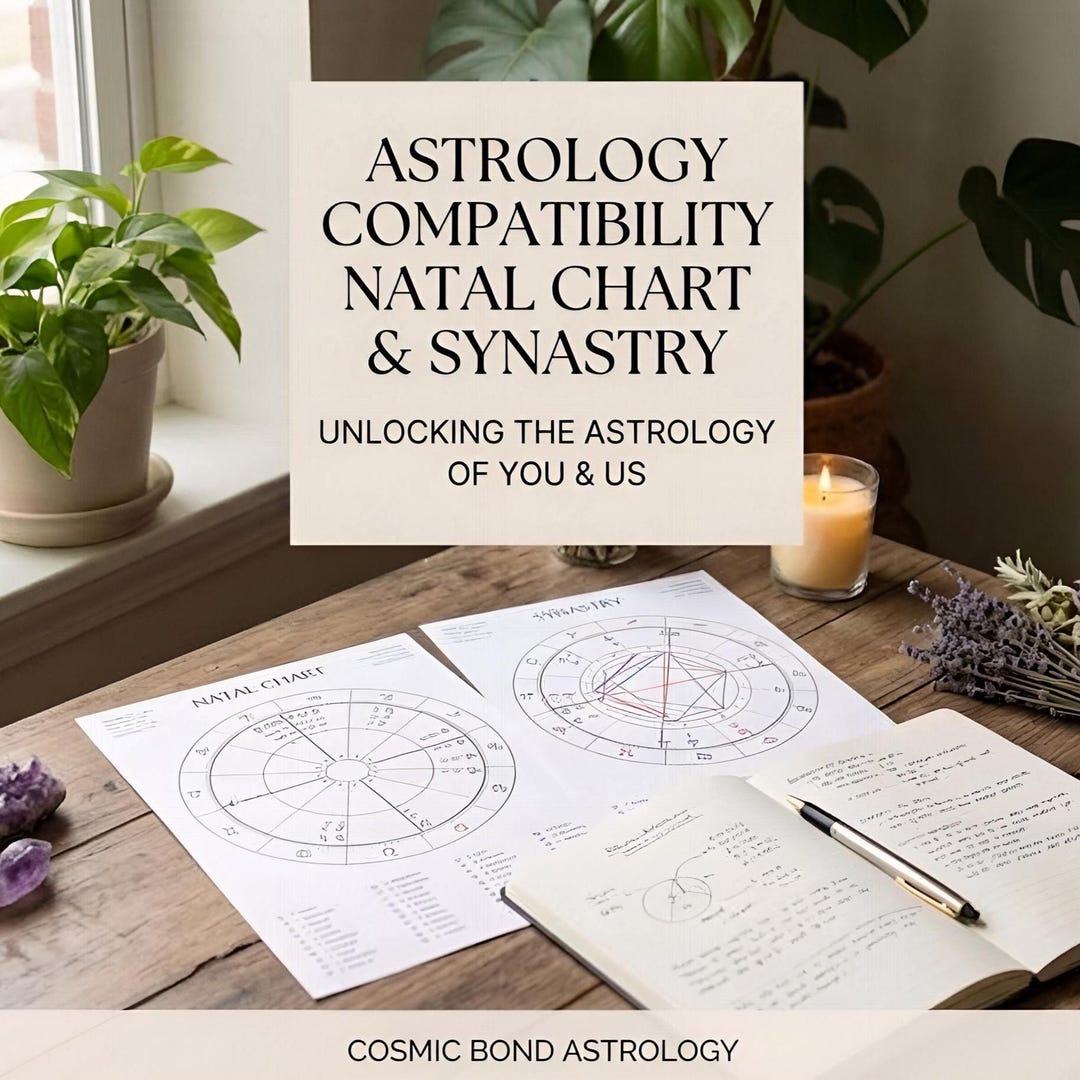
Birth chart love compatibility, technically known as Synastry, is the astrological study of how two individuals' planetary placements interact to determine emotional resonance, physical chemistry, and long-term viability. By overlaying one person's natal chart onto another's, astrologers identify harmonic aspects that foster connection and challenging configurations that necessitate conscious growth within the partnership.
Contents
As we navigate the astrological landscape of 2026, the demand for deeper relational insights has moved beyond simple "Sun Sign" matching into the sophisticated realm of full-chart synthesis. Understanding compatibility today requires a technical look at the Moon, Venus, Mars, and the specific house overlays that define how two souls occupy the same space. Whether you are using advanced AI-driven astrological software or consulting with a professional, the underlying mechanics of celestial mechanics remains the gold standard for predicting relational health.
The Technical Foundation: Synastry vs. Composite Charts
To understand birth chart love compatibility, one must first distinguish between the two primary methods used by practitioners in 2026: Synastry and the Composite Chart. While both offer insights, they serve different diagnostic purposes.
Synastry: The Chemistry of Interaction
Synastry is the process of comparing the planets in Person A’s birth chart to the planets in Person B’s birth chart. It describes the "spark" and the immediate reaction between two people. For example, if your Venus is conjunct your partner's Mars, the physical attraction is often instantaneous and high-voltage. Synastry explains how you trigger one another and where your natural flows of energy exist.
Composite Charts: The Relationship as an Entity
A Composite Chart is calculated by finding the mathematical midpoints between two people's planets to create a third, singular chart. This chart represents the relationship itself—the "we" rather than the "you and me." It describes the destiny and functional reality of the couple as a unit. In 2026, many professional analysts use the Composite Chart to determine if a couple can actually manage a mortgage, a business, or a family together, regardless of how much "chemistry" is found in the Synastry.
The "Big Three" of Relational Harmony
While every planet plays a role, three specific points in the birth chart form the bedrock of any sustainable love compatibility analysis. If these three are in conflict, the relationship will require significant effort to maintain.
1. The Moon: Emotional Safety and Habitual Needs
The Moon is arguably the most critical factor for long-term cohabitation. It governs our subconscious, our "gut" reactions, and what makes us feel safe. In 2026, relationship experts emphasize that while Sun signs represent the ego, Moon signs represent the home. If two people have incompatible Moon signs (e.g., an Aries Moon with a Scorpio Moon), they may struggle to find a shared rhythm in their daily private lives.
2. Venus: Values, Affection, and Romance
Venus dictates how we express love and what we find beautiful. It governs our "love language." Compatibility between Venus placements ensures that both partners feel appreciated. When Venus signs are in a trine or sextile aspect, the flow of affection is natural. When they are in a square, partners may feel that their way of giving love is not recognized or returned by the other.
3. The Ascendant (Rising Sign): The Social Interface
The Ascendant determines how we present ourselves to the world. In compatibility, the Ascendant-Descendant axis is vital. Often, we are attracted to people who embody the qualities of our Descendant (the sign opposite our Rising sign). This "opposites attract" dynamic provides a sense of completion, though it requires balancing different perspectives.
Elemental Compatibility Matrix for 2026
The elements (Fire, Earth, Air, Water) provide a foundational "vibe" check. In 2026, professional readings still utilize this matrix to quickly assess the energetic temperament of a pairing.
| Element | Fire (Aries, Leo, Sag) | Earth (Taurus, Virgo, Cap) | Air (Gemini, Libra, Aqua) | Water (Cancer, Scorpio, Pisces) |
|---|---|---|---|---|
| Fire | High Passion; potential for burnout. | Practical but can feel restrictive to Fire. | High Inspiration; fuels excitement and growth. | High Steam; emotionally volatile and draining. |
| Earth | Grounding but may stifle Fire's spirit. | Maximum Stability; focuses on material security. | Logical and practical; lacks emotional depth. | Highly Nurturing; "The Garden" dynamic (fertile). |
| Air | Constant Stimulation; intellectual sparks. | Logical; can become overly dry or detached. | Intellectual Harmony; social and communicative. | Mist/Fog; communication can be unclear. |
| Water | High Intensity; prone to "hissing" conflict. | Deep Security; provides the vessel for emotion. | Can feel cold; Air may blow away Water’s feelings. | Deepest Intimacy; potential for codependency. |
Advanced Analysis: House Overlays and Karmic Ties
Deep birth chart love compatibility looks at where your partner's planets fall in your specific astrological houses. This determines the area of life that the partner activates for you.
The Seventh House: The House of Partnership
When a partner’s Sun, Moon, or Venus falls in your 7th house, they fit the "template" of your ideal partner. This is a classic indicator of marriage or long-term committed unions. In 2026, software like Astro-Gold and specialized AI synastry tools prioritize 7th-house activations as primary "Green Flags."
The Eighth House: Intimacy and Shared Resources
This house governs deep psychological bonding, sex, and shared finances. If a partner has planets here, the connection is often "all or nothing." It creates a magnetic, sometimes obsessive, pull that can lead to profound transformation or significant power struggles.
The Twelfth House: Spiritual and Hidden Connections
Twelfth-house overlays are often described as "karmic." You may feel you have known this person in a past life. However, this house also rules the "hidden," which can lead to misunderstandings or a feeling of being "lost" in one another.
Identifying Relational "Glue" and Longevity
Chemistry is easy; longevity is difficult. To determine if a relationship can withstand the transits of 2026 and beyond, astrologers look for "Saturn Glue."
- Saturn Aspects: While Saturn is often feared, in synastry, it is the planet of commitment. A positive aspect between one person’s Saturn and another’s Sun or Moon suggests a relationship that can endure hardships. Without Saturn, a relationship may be fun but lack the "stickiness" required for long-term building.
- The North Node: If one person’s planet touches the other’s North Node, the relationship feels destined. It suggests that being together helps both individuals move toward their soul’s purpose.
- Jupiter Aspects: Jupiter provides the "growth factor." It brings luck, expansion, and a sense of shared adventure to the couple.
Pros and Cons of Astrological Compatibility Analysis
Using birth charts to navigate romance offers significant benefits but comes with caveats that every 2026 seeker should acknowledge.
The Benefits
- Objective Understanding: It helps you realize that your partner’s "annoying" trait might just be their basic energetic makeup, not a personal slight.
- Timing Awareness: Knowing your shared transits allows you to predict periods of stress (like a shared Saturn return) and prepare accordingly.
- Validation: It provides a framework for understanding why some connections feel "meant to be" despite logic.
The Limitations
- The "Fatalism" Trap: Thinking a relationship is doomed because of a "bad" square can lead to self-fulfilling prophecies.
- Ignoring Free Will: Astrology shows the weather, but you still choose how to drive the car. Human consciousness can overcome difficult aspects.
- Data Accuracy: An incorrect birth time (even by 15 minutes) can completely change the house overlays and Ascendant, rendering the compatibility report inaccurate.
Step-by-Step Guide to Analyzing Your Compatibility in 2026
If you are looking to perform your own analysis, follow this structured workflow used by modern technical astrologers.
- Gather Precise Data: Obtain the birth date, exact birth time (from a birth certificate), and birth city for both individuals.
- Generate a Synastry Grid: Use a reliable engine (such as those provided by Astrodienst or professional 2026 AI platforms) to create an aspect grid.
- Prioritize the Moon: Check the aspect between the two Moons. If they are in the same element or complementary elements (Earth/Water or Fire/Air), the foundation is strong.
- Analyze Personal Planet Overlays: Look at where Person A's Venus and Mars fall in Person B's houses. Focus on activations in the 1st, 5th, 7th, and 8th houses.
- Check for "Hard" Aspects to Outer Planets: Look for squares or oppositions from Pluto, Uranus, or Neptune to the personal planets. These indicate where the relationship will face its greatest external and internal tests.
- Assess the Composite Chart: Look at the Composite Sun and Ascendant to see how the world perceives you as a couple and what your "mission" is together.
Expert Insight: The Evolution of Compatibility in 2026
In 2026, the focus has shifted away from "Who is my soulmate?" to "How do we grow together?" The influence of the outer planets—specifically the movement of Pluto through Aquarius—has highlighted the importance of intellectual freedom and non-traditional structures within partnerships.
Compatibility is no longer just about "getting along"; it is about whether two people can support each other's individual evolution while maintaining a shared core. High-level synastry now accounts for "conscious uncoupling" potential and the ability of a couple to transition from lovers to co-parents or friends if the romantic cycle completes.
Technical Tip for 2026: Pay close attention to "Vertex" connections. The Vertex is a mathematical point in the chart often referred to as the "Destiny Gate." In 2026, more practitioners are using Vertex-to-Planet conjunctions in synastry to identify life-altering encounters that feel completely beyond the control of the individuals involved.
Frequently Asked Questions
Can a relationship work if the birth charts are "incompatible"?
Yes. No two charts are 100% "compatible." Hard aspects (squares and oppositions) provide the friction necessary for growth and sexual tension. A chart with only "easy" aspects (trines and sextiles) can often lead to boredom or a lack of motivation to evolve. The key is how the individuals use their consciousness to manage the tensions shown in the charts.
What is the most important planet for love compatibility?
While Venus is the planet of love, the Moon is the most important for compatibility. You can date someone with a different Venus and have fun, but living with someone who has an incompatible Moon is a constant emotional drain. The Moon determines your "emotional safety language," which is the bedrock of any long-term partnership.
How accurate are online compatibility percentages?
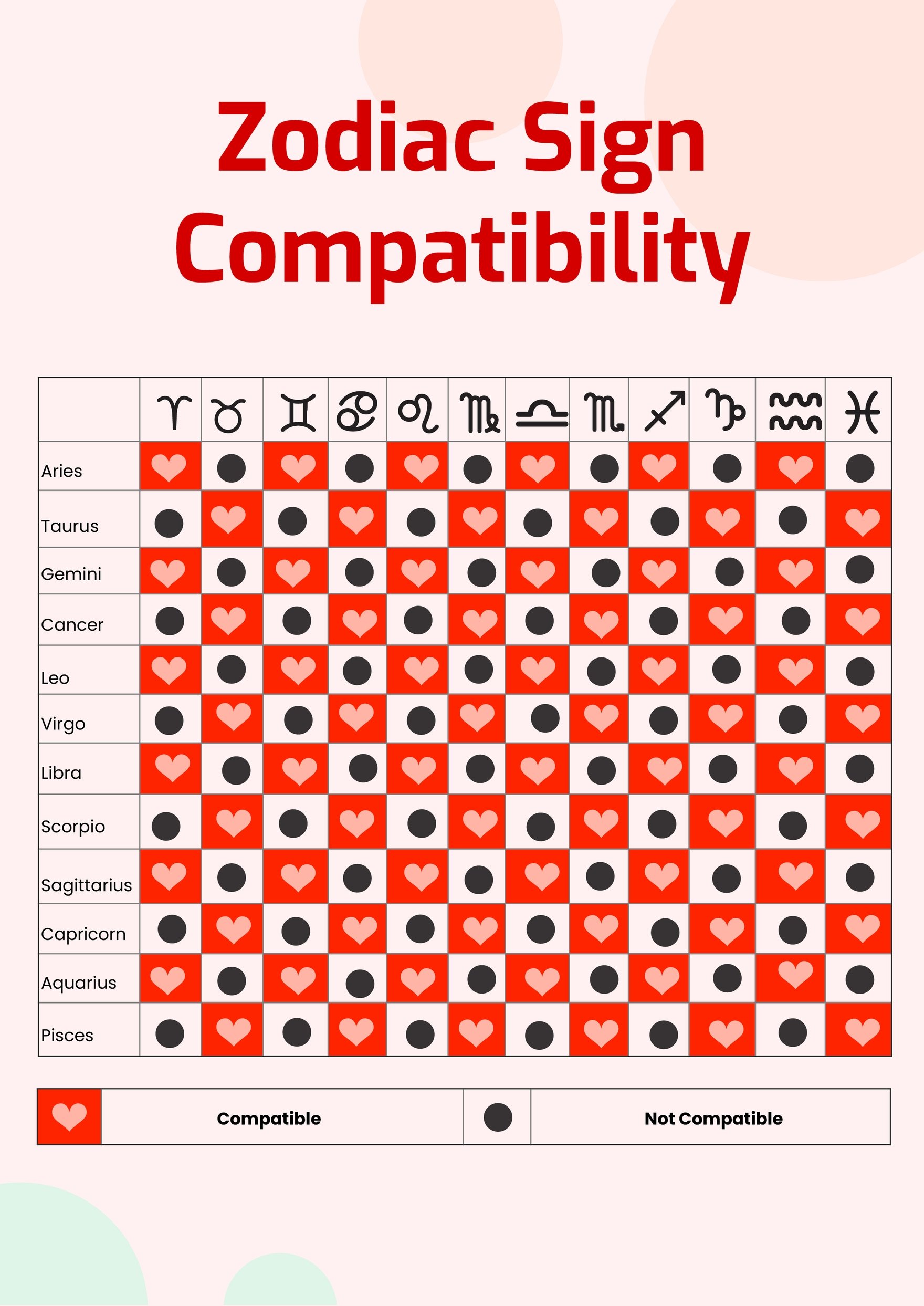
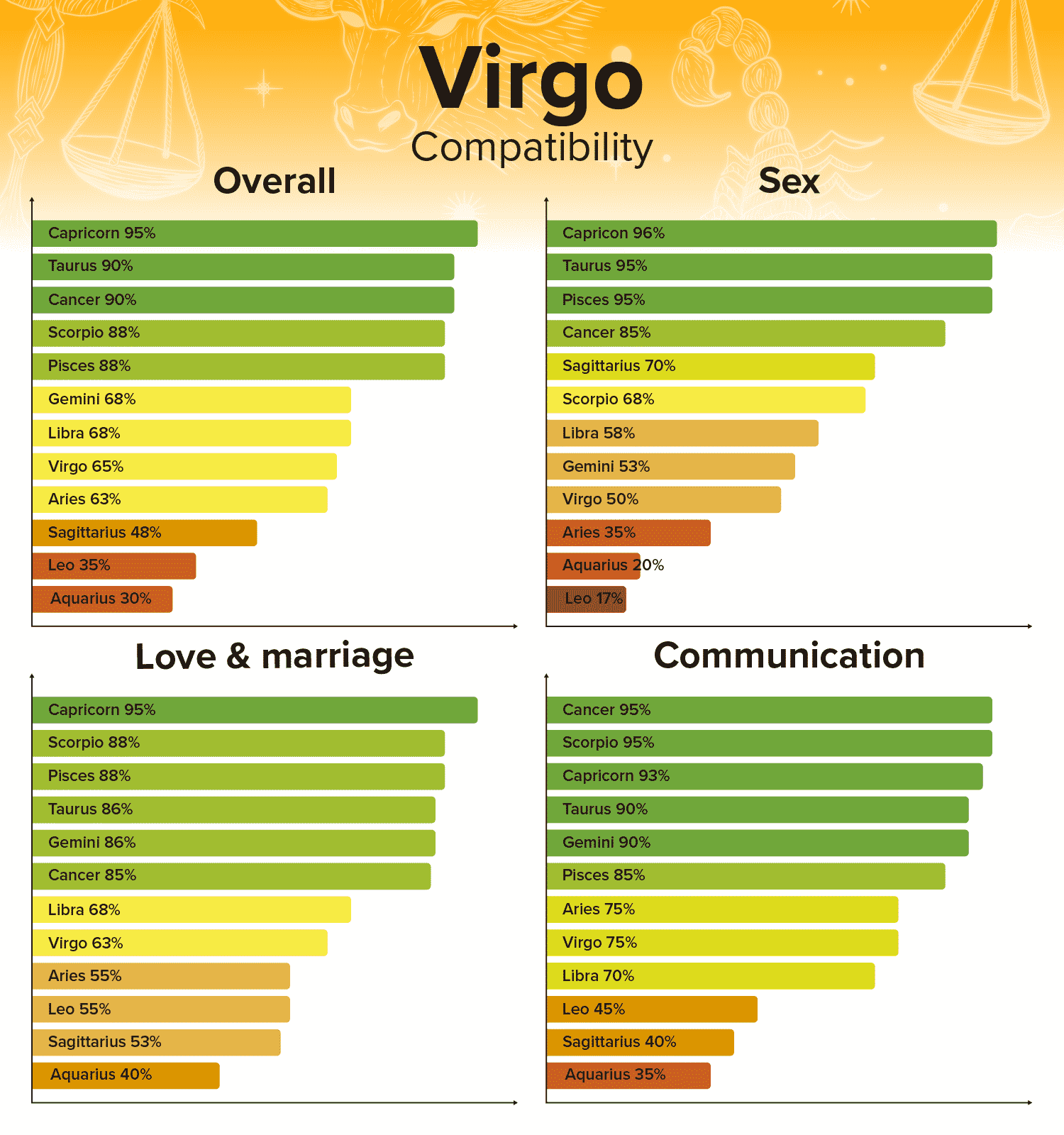
Most "compatibility scores" or percentages (e.g., "You are 85% compatible") are based on simplified algorithms that over-weight Sun signs. They are rarely accurate. A true birth chart love compatibility analysis requires a nuanced look at house overlays and planetary degrees (orbs), which a simple percentage cannot capture.
Does a "bad" synastry mean we should break up?
Absolutely not. Astrology is a tool for awareness, not a command. A "bad" synastry simply highlights where you will have to work harder. For example, if you have Saturn squaring your partner’s Moon, you may naturally feel a bit cold or critical toward their emotions. Knowing this allows you to consciously choose to be softer and more supportive.
What if we don't know our exact birth times?
Without a birth time, you cannot determine the Ascendant or the House placements, which are 50% of the compatibility picture. You can still look at "Planet-to-Planet" aspects (like Venus trine Mars), but you will miss the context of where those energies play out in your life.
CTA: Ready to dive deeper into your cosmic connection? Consult a certified professional astrologer to move beyond the basics of birth chart love compatibility and unlock the specific growth roadmap for your unique partnership in 2026.
Image Gallery