Are Mugshots Available to the Public? Legal Rules, State Laws, and Removal Rights
Mugshots are generally considered public records in the United States, but their public availability depends heavily on the jurisdiction, law enforcement agency, and state law. While federal agencies rarely release booking photos under...
Mugshots are generally considered public records in the United States, but their public availability depends heavily on the jurisdiction, law enforcement agency, and state law. While federal agencies rarely release booking photos under privacy exemptions, state laws range from full public access under open records statutes to strict bans on commercial distribution.
Contents
Federal vs. State Jurisdictional Rules for Booking Photos
The legal framework governing whether an arrest photo is a matter of public record is divided between federal law and individual state statutes. Because there is no single uniform law across the United States, the accessibility of a booking photo depends entirely on which agency made the arrest and where the booking occurred.
Federal Law Enforcement and FOIA Regulations
At the federal level, obtaining a mugshot through the Freedom of Information Act (FOIA) is extremely difficult. The United States Marshals Service (USMS), the Federal Bureau of Investigation (FBI), and the Drug Enforcement Administration (DEA) maintain strict privacy controls regarding arrest records.
Federal courts have established clear precedents protecting booking photos under FOIA Exemption 7(C), which shields personal privacy in law enforcement records. In landmark rulings such as Detroit Free Press v. Department of Justice and Karantsalis v. U.S. Department of Justice, federal appeals courts determined that unconvicted defendants retain a significant privacy interest in their booking photographs. Consequently, federal law enforcement agencies routinely deny FOIA requests for mugshots unless releasing the image directly serves a critical law enforcement purpose, such as locating a dangerous fugitive.
State Open Records Acts and Public Transparency Laws
State law enforcement agencies—including county sheriff departments, municipal police forces, and state highway patrols—operate under state-level open record laws, commonly referred to as Sunshine Laws or Freedom of Information Acts.
In many states, booking records, arrest logs, and booking photographs are classified as public records the moment an individual is processed into a county jail or detention facility. Transparency statutes dictate that because an arrest is an official action taken by a government entity, citizens have a Constitutional and statutory right to inspect public law enforcement activities. However, state legislatures have increasingly modified these statutes to prevent public harm, extortion, and perpetual online public shaming.
Key Factors Determining Whether a Mugshot Is Publicly Accessible
Even within jurisdictions where arrest records are generally open, several specific criteria dictate whether a booking photo can be inspected or released to news organizations, private entities, or the general public.
- Status of Criminal Charges: Photos of individuals whose charges were dropped, dismissed, or resolved via pre-trial diversion are often restricted from public distribution, whereas photos connected to active felony indictments or convictions remain widely accessible.
- Age of the Offender: Booking photographs of minors (juveniles under 18 years of age) are universally protected across nearly all states and cannot be released to the public unless the juvenile is tried as an adult for a serious capital offense.
- Nature of the Offense: Many state statutes differentiate between violent felonies and non-violent misdemeanors. Certain jurisdictions permit booking photo disclosures only when the suspect poses an ongoing threat to public safety.
- Law Enforcement Purpose: Agencies frequently retain discretion to withhold images if releasing them would jeopardize an active criminal investigation, compromise a witness line-up, or violate a court-ordered gag instruction.
State-by-State Regulatory Framework Governing Mugshot Access
State laws governing mugshot accessibility vary widely. The table below outlines how key jurisdictions regulate booking photo disclosure, commercial distribution, and mandatory removal rights.
| Jurisdiction | Statute / Public Record Framework | Public Accessibility Level | Commercial Extortion & Social Media Restrictions |
|---|---|---|---|
| Federal System | Freedom of Information Act (5 U.S.C. § 552, Exemption 7C) | Strictly Restricted | Federal agencies do not sell or publicize booking photos for commercial gain. |
| California | Cal. Penal Code § 13650 / AB 1475 & SB 1048 | Heavily Restricted | Prohibits law enforcement from posting non-violent mugshots on social media; requires removal upon non-conviction. |
| Florida | Fla. Stat. § 119.07 & § 901.43 | Publicly Accessible with Caveats | Booking records are public, but commercial sites are legally prohibited from charging removal fees. |
| Georgia | O.C.G.A. § 35-1-19 | Restricted Distribution | Sheriff departments cannot release photos to commercial websites; mandates free removal for cleared individuals. |
| New York | Public Officers Law § 87(2)(p) (FOIL) | Restricted | N.Y. law explicitly exempts booking photos from FOIL unless release serves a specific law enforcement purpose. |
| Texas | Tex. Gov't Code Ch. 552 (Public Information Act) | Publicly Accessible | Booking photos are public records; state law prohibits commercial entities from demanding payment to remove photos. |
The Rise of Anti-Mugshot Legislation and Digital Privacy Laws
Over the past decade, the rapid indexation of public booking records by private, fee-based website operators created a multi-million-dollar online extortion industry. Commercial mugshot operators automatically scraped county jail booking portals, indexed arrest photos on major search engines, and demanded exorbitant removal fees ranging from hundreds to thousands of dollars from individuals seeking employment or housing.
To combat this predatory practice, dozens of states enacted targeted legislation aimed at severing the commercial exploitation of arrest records:
State Legislative Trends in Mugshot Privacy
Legislative bodies have largely focused on two main interventions: restricting police department publishing practices and criminalizing pay-for-removal business models.
Social Media Publishing Bans: Laws in states such as California, Oregon, and Illinois explicitly forbid law enforcement agencies from posting booking photos of individuals arrested for non-violent crimes onto public social media channels like Facebook or Instagram, where public shaming and viral harassment frequently occur.
Anti-Extortion Commercial Bans: Statutes in Texas, Florida, Georgia, and Ohio make it an unlawful business practice or misdemeanor crime for private websites to charge a fee to remove or suppress a booking photo. Under these laws, webmasters who fail to remove a mugshot within a specified statutory window (typically 30 days) after receiving written proof of dismissal or expungement face severe financial penalties and civil lawsuits.
How to Locate, Access, or Inspect Public Booking Records
If you are attempting to locate an official arrest record or booking photo for legitimate legal, investigative, or background-checking purposes, law enforcement agencies provide several official channels to review these documents.
Step 1: Identify the Arresting Entity and Facility
Determine whether the arrest was executed by a municipal police department, county sheriff office, state highway patrol, or federal law enforcement agency. The physical facility where the individual was processed and booked maintains the primary intake log.
Step 2: Search County Sheriff Inmate Roster Portals
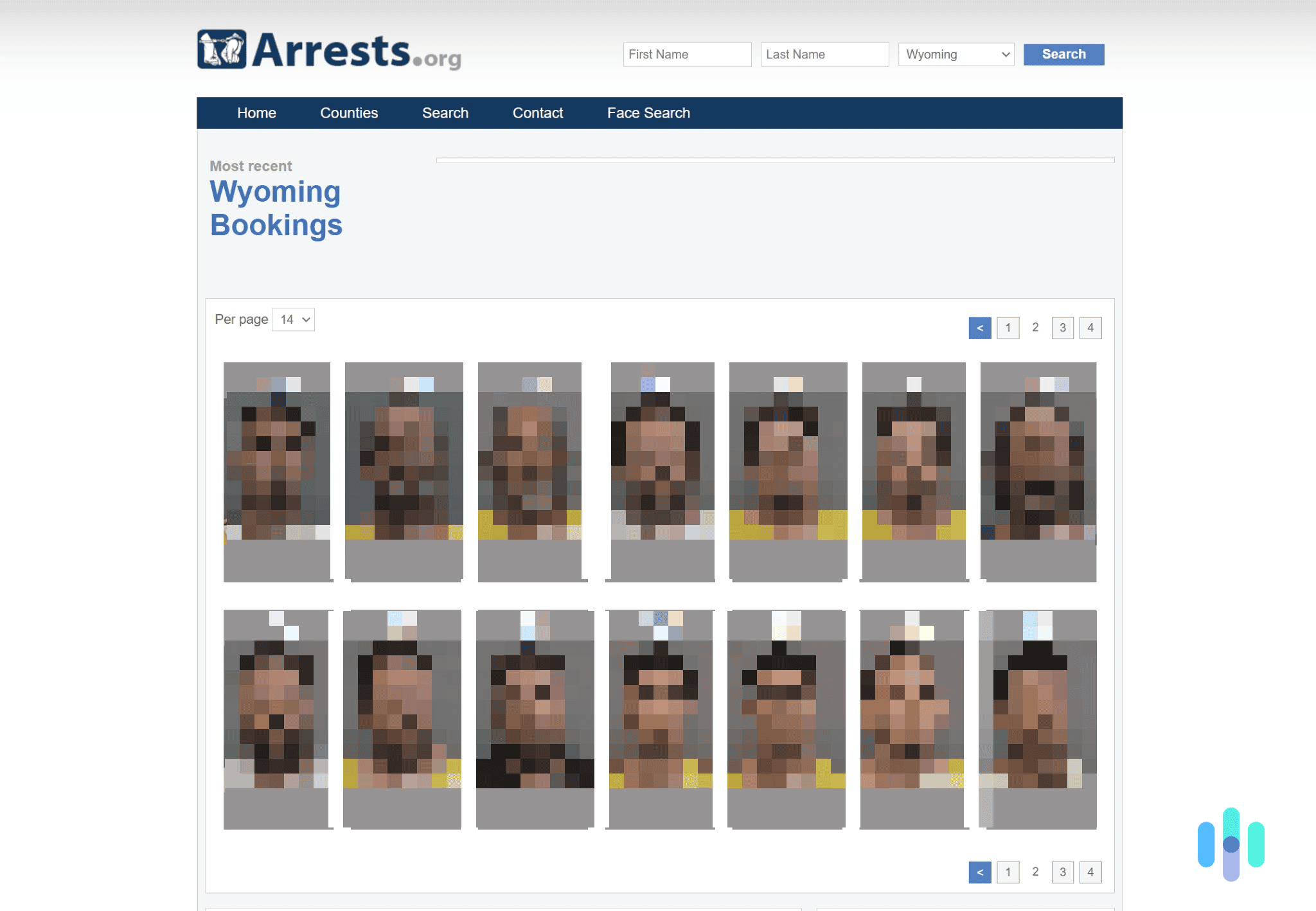
Most county sheriff departments operate online inmate lookups or jail intake rosters. These portals frequently contain basic public details, including the arrestee's full legal name, date of birth, booking identification number, current criminal charges, bail amount, and, in open-access states, a thumbnail booking image.
Step 3: Check Official Judicial and Department of Corrections Databases
For individuals who have already been convicted or transferred to state or federal prisons, booking photos are maintained by state Departments of Corrections (DOC) or national victim notification networks such as VINElink. Court clerk portals also archive official charging documents, though mugshots are rarely attached to judicial case dockets.
Step 4: Submit a Formal State Open Records Request
If an arrest photo is not published on a public web portal, submit a formal written request under your state's public records act to the record custodian of the arresting agency. Ensure your request includes:
- The full legal name and date of birth of the subject.
- The specific date and approximate location of the arrest.
- The booking or case file number (if known).
- A clear statement requesting access to public law enforcement intake records under the applicable state statute.
Legal Strategies for Removing or Sealing a Public Mugshot
If your mugshot appears online following an arrest, traffic stop, or criminal charge, several legal mechanisms exist to compel websites and search engines to remove the image.
Mugshot Removal Pathway
- Step 1: Legal Case Resolution
- Obtain Dismissal, Acquittal, or Expungement Order
- Step 2 Options:
- Step 2A: Official Takedown: Serve Written Demand Letter under State Anti-Extortion Law
- Step 2B: Search Engine: Submit Removal Request to Google / Bing / DuckDuckGo
- Step 3: Permanent Reputation Clearing
- Monitor Digital Footprint & Audit Data Brokers
Official Record Expungement and Sealing Orders
The most permanent solution for eliminating public access to booking photos is securing a court-ordered expungement or record sealing. When a judge grants an order to seal or expunge an arrest record:
- All state and local government agencies are legally mandated to destroy, seal, or erase all records of the arrest, including booking photos.
- Private background check databases and public data aggregators must update their registries to remove the expunged information.
- You are legally permitted in most jurisdictions to state that you were never arrested for the sealed offense.
Formal Statutory Takedown Demands
In states with active anti-mugshot laws, you or your legal representative can send a certified statutory demand letter directly to website operators, publishers, or digital data brokers hosting your photo. The letter should include an official copy of your case dismissal, non-filing notice, or expungement order. Under state laws, commercial sites must remove the photo within a specified timeline without requiring payment.
Search Engine De-indexing Requests
Major search engines maintain strict policies regarding personal privacy, non-consensual imagery, and predatory online publishing practices. If a mugshot website demands payment for removal or publishes personal identifying information alongside your booking photo, you can file a direct de-indexing request with major search providers.
When filing a search engine removal request, select categories related to "Involuntary synthetic or non-consensual personal imagery," "Content about me on sites with exploitative removal practices," or "Personal Identifiable Information (PII) exposure." Once approved, search engines remove the page link from public search results, making the content invisible to standard web queries.
Frequently Asked Questions About Public Mugshot Availability
Are mugshots public record in every state?
No, mugshots are not automatically public record in every state. While many states classify booking photos as public law enforcement records under open records acts, states like California, New York, and Georgia restrict their public disclosure, banning commercial exploitation or limiting public releases to active law enforcement investigations.
Can a private website legally charge money to remove my mugshot?
In a growing majority of US states, it is illegal for commercial websites to charge fees to remove or suppress a booking photo. States including Florida, Texas, Ohio, Georgia, and Utah have passed anti-extortion statutes that criminalize pay-for-removal websites and allow individuals to sue operators who fail to take down photos for free upon request.
How long does a booking photo remain visible on a county jail website?
Public availability on county jail websites varies by local law enforcement policy. Many sheriff departments remove mugshots from active online rosters automatically after 30 to 90 days, or once the detainee is released, transferred, or sentenced, though third-party data aggregators may continue to mirror the photos unless legally challenged.
Are federal arrest mugshots accessible to the public under FOIA?
Federal mugshots are rarely accessible to the public under the Freedom of Information Act (FOIA). Federal court rulings have established that individuals held on federal charges retain a personal privacy interest under FOIA Exemption 7(C), prohibiting agencies like the US Marshals or FBI from releasing booking photos without a compelling public safety justification.
How do I get my mugshot removed from search engines if my charges were dropped?
To remove a mugshot after charges are dropped, first obtain an official court document proving dismissal or non-prosecution. Next, submit a formal statutory removal request to the hosting website under your state's public record laws, and submit a direct search engine de-indexing request citing exploitative removal practices or privacy violations.
Taking Action to Protect Your Digital Privacy
Navigating public record access, state privacy laws, and online reputation management requires a clear understanding of your legal rights. If a booking photo from an arrest, dismissed charge, or sealed record is unfairly impacting your personal reputation or professional opportunities, consult a licensed attorney specializing in criminal defense, record expungement, or digital privacy law in your state to execute a formal legal takedown.
Image Gallery