Understanding Napoleon Dynamite: A Fictional Character in Pop Culture
Napoleon Dynamite is a fictional character and the titular protagonist of the 2004 independent comedy film Napoleon Dynamite, directed by Jared Hess and portrayed by actor Jon Heder. As a uniquely awkward, socially inept high school st...
Napoleon Dynamite is a fictional character and the titular protagonist of the 2004 independent comedy film Napoleon Dynamite, directed by Jared Hess and portrayed by actor Jon Heder. As a uniquely awkward, socially inept high school student in rural Preston, Idaho, the character quickly transcended his cinematic origins to become a defining pop-culture icon of the 2000s.
Contents
The Cinematic Origins of Napoleon Dynamite
The genesis of Napoleon Dynamite can be traced back to Jared Hess’s 2002 short film, Peluca, which also starred Jon Heder as a similarly quirky high-schooler named Seth. Recognizing the comedic potential and distinct visual aesthetic of the character, Hess expanded the concept into a full-length feature film. Released in 2004 by Searchlight Pictures, Napoleon Dynamite was shot on a modest budget of approximately $400,000 in Preston, Idaho, and went on to gross over $46 million worldwide, transforming its central fictional figure into a phenomenon.
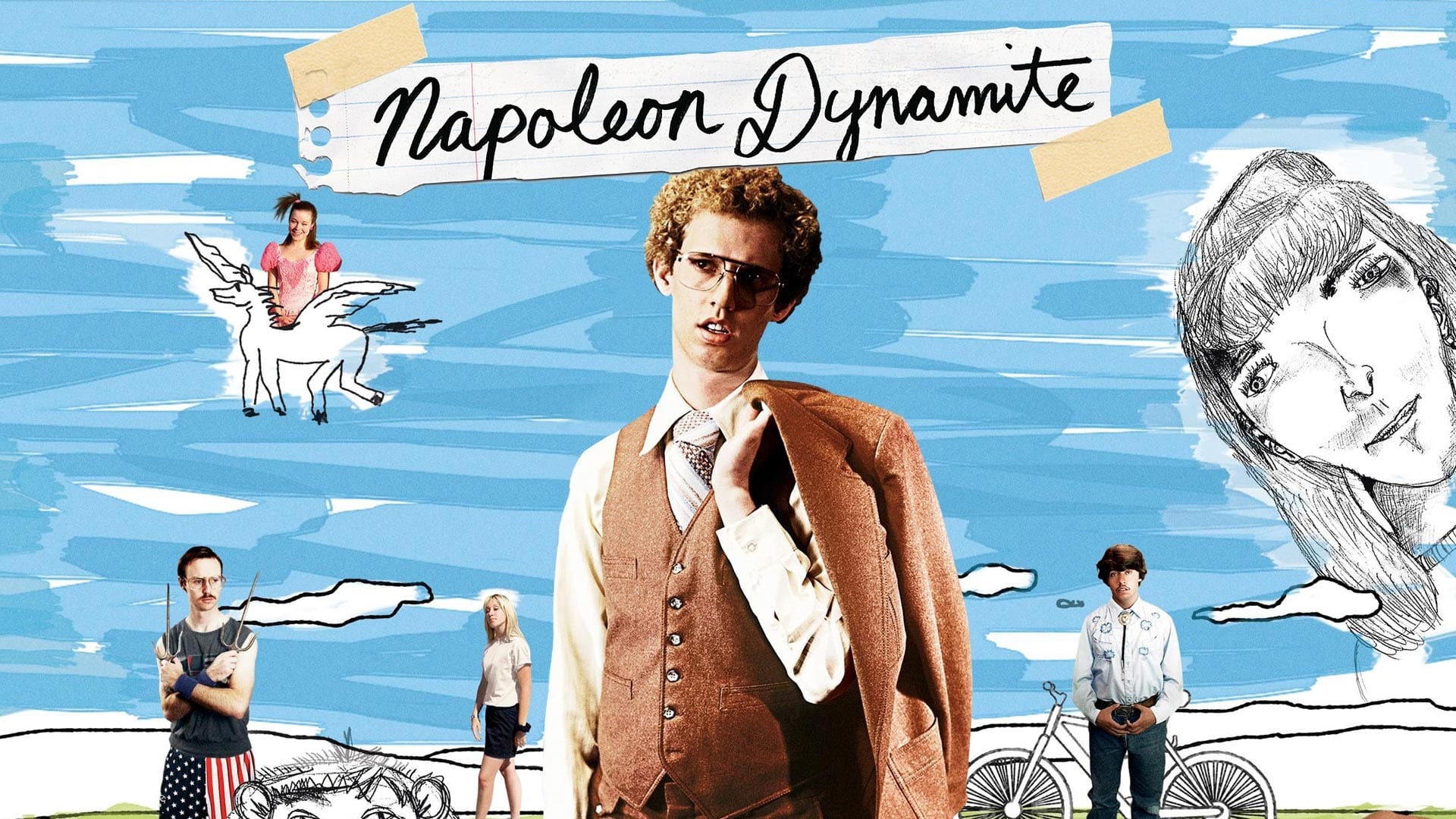
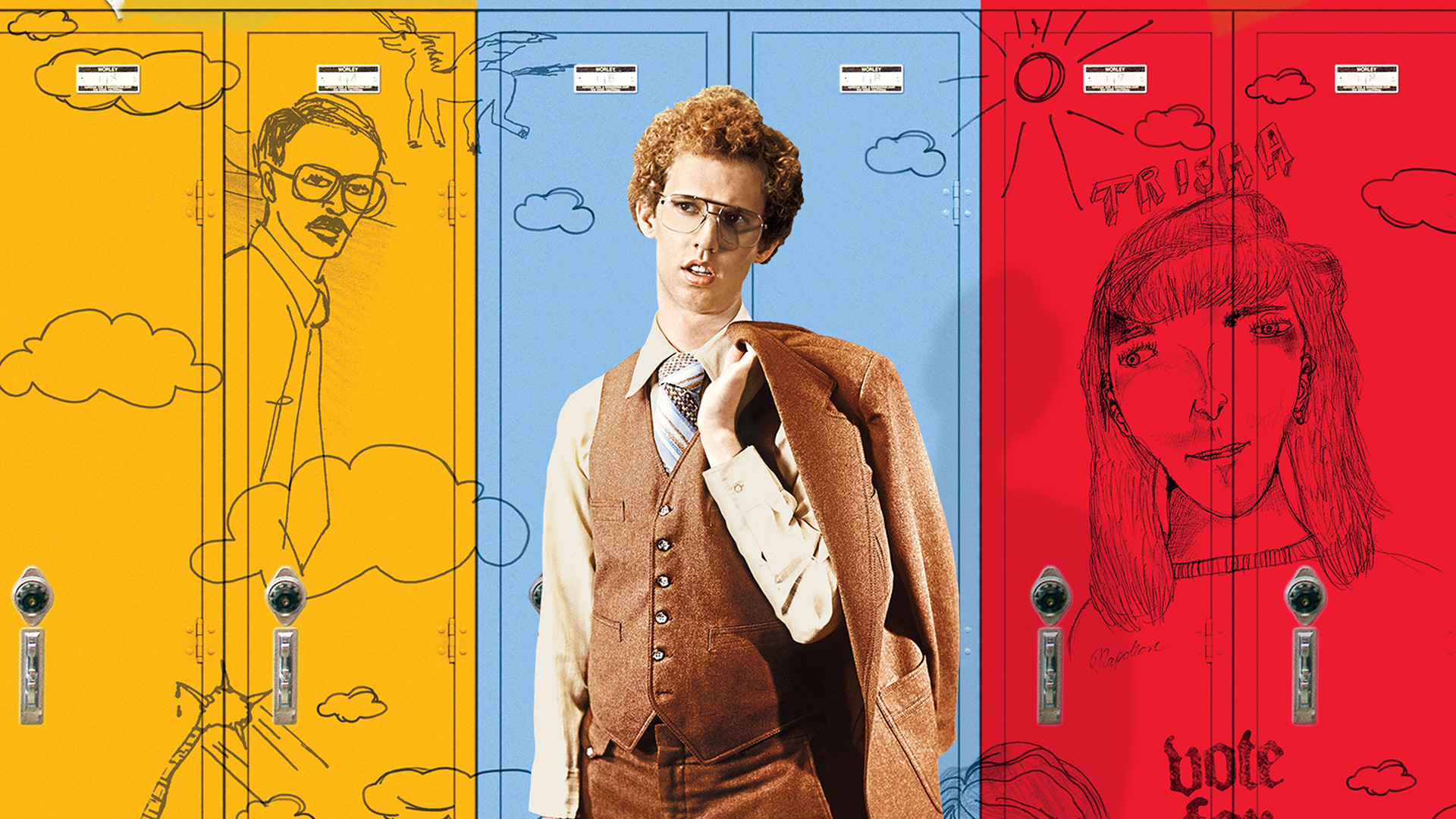
The character’s appeal relies heavily on his specific stylistic choices and eccentric behavior. Sporting a voluminous Afro, heavily tinted wire-rimmed glasses, moon boots, and graphic T-shirts featuring ligers and horses, Napoleon’s appearance immediately set him apart from conventional cinematic teenagers. His dialogue is characterized by deadpan delivery, exaggerated boasts about imaginary skills—such as being good with "nunchuck skills, bowhunting skills, computer hacking skills"—and a general disdain for authority and social norms.
Beyond his aesthetic, Napoleon’s daily life captures a specific brand of suburban and rural isolation. He lives with his grandmother and his older brother, Kip, while frequently interacting with his eccentric Uncle Rico. His high school existence is defined by cafeteria isolation, awkward attempts to befriend fellow outcasts like Pedro Sánchez, and run-ins with school bullies like Don. Through these relationships, the character grounds a surreal comedic tone in recognizable adolescent insecurity.
Character Traits, Style, and Cultural Footprint
As a fictional entity, Napoleon Dynamite represents a departure from the polished, glamorous teenagers typically depicted in Hollywood teen comedies of the era. Instead of striving for social status or athletic prowess, Napoleon remains unapologetically committed to his niche interests, which include drawing mythical creatures, playing solo video games, and practicing elaborate dance routines.
Key Characteristics of the Character
- Distinctive Aesthetic: Marked by retro thrift-store fashion, oversized boots, and signature hair.
- Unflinching Confidence: Despite frequent social rejection, Napoleon maintains an unshakeable belief in his own unique talents.
- Deadpan Humor: Interactions are delivered with flat, unexpressive vocal tones that heighten the absurdity of everyday high school scenarios.
- Loyalty to Outcasts: His friendship with Pedro Sánchez drives the narrative climax of the film, culminating in a supportive campaign for class president.
The cultural footprint of the character expanded rapidly following the film's release. Quote-filled dialogue, including lines like "Vote for Pedro" and "Your mom goes to college," permeated youth culture, Halloween costumes, and internet forums. The character's climactic dance sequence—choreographed by Jon Heder and Jared Hess to Jamiroquai's "Canned Heat"—became an enduring cinematic moment, cementing Napoleon Dynamite not just as a movie character, but as a recognized archetype of cinematic awkwardness.
Comparative Analysis of Cult-Classic Protagonists
To understand Napoleon Dynamite's place in cinematic history, it is useful to examine how he compares to other notable fictional outcasts in comedy and drama. While many teen comedies rely on archetypes of transformation or redemption, Napoleon remains static, forcing his environment to adjust to him rather than the other way around.
| Character | Portrayed By | Primary Setting | Defining Trait | Narrative Arc |
|---|---|---|---|---|
| Napoleon Dynamite | Jon Heder | Preston, Idaho | Unflinching eccentricity | Unchanged; wins social acceptance through absolute authenticity |
| Wayne Campbell | Mike Myers | Aurora, Illinois | Music-obsessed suburbanite | Navigates media expansion while retaining basement-party roots |
| Harold Chasen | Bud Cort | Pittsburgh, Pennsylvania | Morbid fascination with death | Transforms an older companion's worldview before his own departure |
| Fletcher Reede | Jim Carrey | Los Angeles, California | Compulsive professional liar | Forced into total honesty by a birthday wish |
This comparison highlights that Napoleon’s narrative arc is remarkably flat by traditional storytelling standards. He does not undergo a profound moral awakening or a physical makeover to win popularity. His ultimate triumph—helping Pedro win the school presidency through his unorthodox dance—succeeds precisely because he refuses to compromise his bizarre identity.
Expansion of the Franchise and Later Appearances
While the 2004 feature film remains the definitive source material for the character, the fictional world of Napoleon Dynamite did not end with the credits. Jon Heder reprised his role in subsequent media, ensuring the character’s presence endured across different platforms.
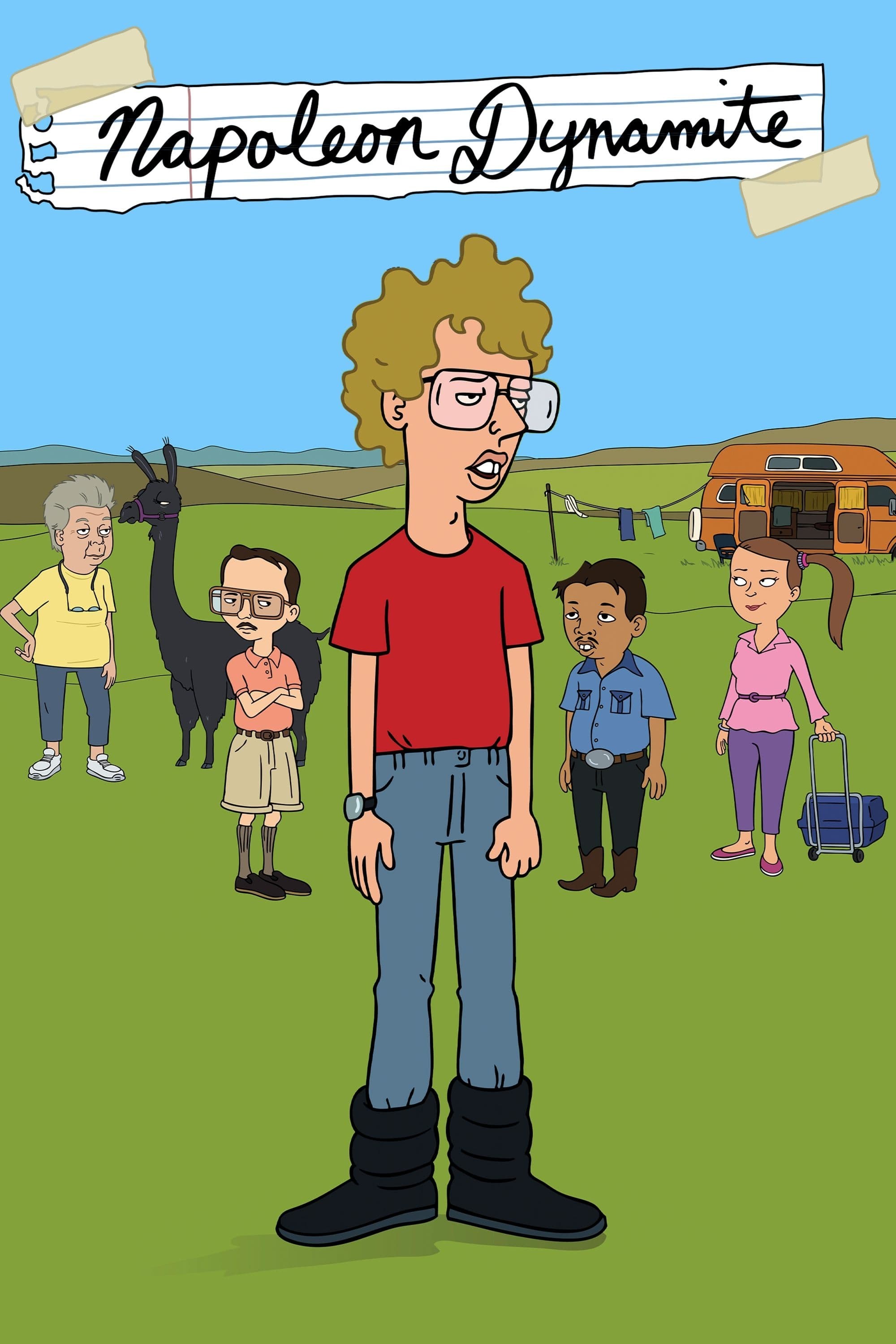
In 2012, Fox broadcasting network launched an animated television series titled Napoleon Dynamite. The show featured the original film cast voicing their respective characters, including Jon Heder as Napoleon, Efren Ramirez as Pedro, and Jon Gries as Uncle Rico. Although the animated adaptation was short-lived—running for only six episodes before cancellation—it further solidified the character's status as an adaptable cartoon icon capable of sustaining episodic storytelling.
Additionally, the character has appeared in various promotional campaigns, commercials, and retrospective anniversary events. These appearances demonstrate the enduring commercial and cultural viability of the fictional figure, proving that audiences continue to resonate with the character's unapologetic embrace of weirdness.
Frequently Asked Questions
Is Napoleon Dynamite based on a real person?
No, Napoleon Dynamite is a completely fictional character created by director Jared Hess and co-writer Jerusha Hess. While Jared Hess drew loose inspiration from eccentric people he encountered growing up in Idaho, the character and his specific traits are fictional constructs.
Who plays Napoleon Dynamite?
The character is portrayed by actor Jon Heder. Heder was a film student at Brigham Young University when he was cast in the original short film Peluca, which paved the way for the 2004 feature film.
What kind of animal is drawn on Napoleon's favorite shirt?
Napoleon frequently wears a shirt featuring a liger—a cross between a lion and a tiger—which he proudly notes is "bred for its skills in magic." He also draws ligers and other mythical creatures throughout the film.
Does Napoleon Dynamite appear in any other media besides the 2004 film?
Yes. Jon Heder reprised the role to voice the character in a 2012 animated television series on Fox, and the character has occasionally appeared in promotional advertisements and media tie-ins.
Where was the original Napoleon Dynamite film shot?
The film was shot on location in Preston, Idaho, which heavily influenced the rural aesthetic, local high school setting, and overall atmosphere surrounding the character's daily life.
Conclusion and Cultural Legacy
Napoleon Dynamite endures as a masterclass in character-driven comedy. By resisting traditional Hollywood tropes of reinvention and popularity, the fictional protagonist carved out a permanent space in modern cinematic history. Whether analyzed through his distinctive fashion, his deadpan delivery, or his steadfast loyalty to friends, the character remains a defining symbol of uncompromised individuality in pop culture.
Image Gallery