CHP Incident Reports by Date Today: Real-Time Traffic Cad and Collision Records Guide
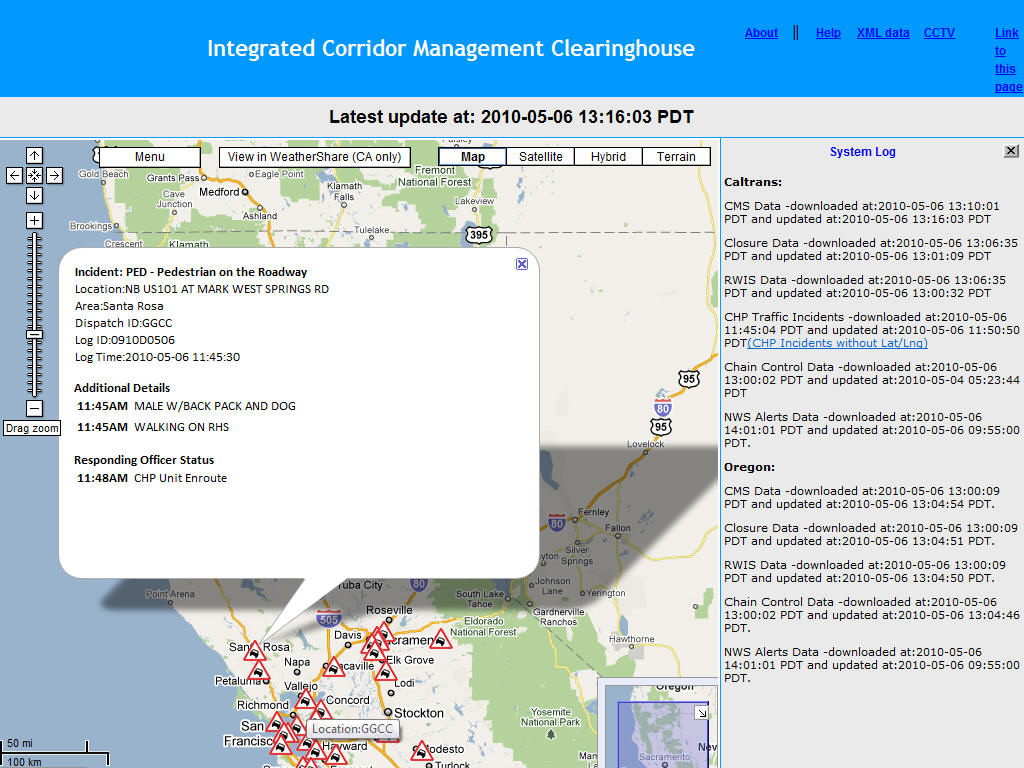
To check California Highway Patrol (CHP) incident reports by date today, access the official CHP CAD (Computer-Aided Dispatch) Media Web portal. This live public dispatch system lists active traffic collisions, road hazards, SigAlerts,...
To check California Highway Patrol (CHP) incident reports by date today, access the official CHP CAD (Computer-Aided Dispatch) Media Web portal. This live public dispatch system lists active traffic collisions, road hazards, SigAlerts, and enforcement stops across all California dispatch Communications Centers in real time, updating continuously throughout the day.
Contents
Understanding the California Highway Patrol Dispatch System
The California Highway Patrol oversees thousands of miles of state routes, interstate freeways, and unincorporated county roads. When an incident occurs—ranging from a minor non-injury stall on Interstate 5 to a major multi-vehicle collision on Highway 101—the call is routed directly to one of CHP's regional dispatch hubs.
The data generated from these events exists in two distinct formats:
- Real-Time CAD Logs: Dynamic, unverified operational notes published instantaneously for public safety, media monitoring, and traffic management.
- Official Collision Reports (Form CHP 190 / CHP 555): Formal, legally binding investigative documents finalized days or weeks after an incident occurs.
Understanding this distinction prevents confusion. If you are searching for an accident that happened earlier today, you are seeking the CAD dispatch log. If you need official documentation for an insurance claim or personal injury litigation, you must request an official collision record once the investigating officer completes and approves the file.
How to Access Real-Time CHP Incident Reports Today
The primary public gateway for same-day traffic data is the California Highway Patrol CAD Media Web platform. The portal allows drivers, commercial fleets, and news organizations to view unfiltered dispatch updates as radio operators type them.
Step-by-Step Guide to Accessing Today’s Live Dispatch
- Navigate to the Official Portal: Access the CHP CAD Media Information System.
- Select Your Communications Center: The landing page requires selecting a regional dispatch center from the dropdown menu. California is divided into regional jurisdictions:
- Northern Division: Redding, Susanville, Ukiah, Yreka.
- Valley Division: Sacramento, Chico, Stockton.
- Golden Gate Division: Golden Gate Communications Center (covering San Francisco, Oakland, San Jose, Marin, Contra Costa, and surrounding Bay Area counties).
- Central Division: Fresno, Bakersfield, Merced.
- Southern Division: Los Angeles Communications Center (LACC).
- Border Division: San Diego, Border Communications (Orange County, San Diego County, Imperial County).
- Coastal Division: Monterey, San Luis Obispo.
- Inland Division: Inland Empire (San Bernardino, Riverside).
- Filter by Incident Type: Once the region loads, use your browser's search function or the page controls to filter by date and active status. By default, the system shows all active calls from the last several hours.
- Interpret the Call Details: Clicking an individual Incident ID expands the raw dispatch log, revealing the timeline, assigned patrol units, tow truck dispatches, and Caltrans notifications.
Operational Notice for Real-Time CAD Data
Entries appearing on the public CAD log represent raw, unconfirmed radio and 911 caller data. Early entries often contain inaccuracies regarding vehicle counts, injuries, or exact post-mile markers. As patrol units arrive on scene, updates reflect actual conditions. Once a scene clears, the entry typically drops off the public web view within several hours.
Decoding CHP CAD Dispatch Codes and Terminology
CHP dispatchers rely on standardized California Penal Code, Vehicle Code, and internal radio codes. Reading today's incident report requires decoding these shorthand entries.
| Dispatch Code / Abbreviation | Official Definition | Practical Meaning on the Road |
|---|---|---|
| 1179 | Traffic Collision with Ambulance Responding | Collision involving reported injuries; emergency medical services are en route. |
| 1180 | Traffic Collision with Major Injury | Severe collision requiring advanced life support, trauma transport, or extrication. |
| 1182 | Property Damage Only (Non-Injury) | Minor accident; vehicles generally moved to the right shoulder or center divider. |
| 1183 | Traffic Collision, Details Unknown | Initial 911 report; officers have not yet arrived on scene to assess severity. |
| 20001 VC | Hit and Run Involving Injury or Death | Felony hit-and-run investigation initiated under California Vehicle Code § 20001. |
| 20002 VC | Hit and Run: Property Damage Only | Misdemeanor hit-and-run involving unattended or attended property under CVC § 20002. |
| SigAlert | Major Lane Blockage | An unplanned closure of two or more lanes for 30 minutes or longer, per CHP definition. |
| 1125 | Traffic Hazard | Debris, ladders, blown tires, or lost cargo obstructing the roadway lanes. |
| 1039 | Message Delivered / Contact Made | Dispatcher has notified a party, such as a tow company, local police, or Caltrans. |
| CT / DOT | Caltrans (Department of Transportation) | State road maintenance crews called for lane closures, sand trucks, or barrier repairs. |
| JNO / SNO / ENO / WNO | Just North Of / South Of / East Of / West Of | Positional markers indicating location relative to an interchange or exit ramp. |
| TC | Traffic Collision | Standard shorthand used inside the notes section of the dispatch log. |
Real-Time CAD Logs vs. Official Collision Reports (CHP 555)
Drivers involved in an accident today often mistakenly believe the online CAD printout serves as their legal accident report. Insurance carriers and courts do not accept CAD media logs as definitive proof of liability.
Comparison: Live Dispatch Logs vs. Official CHP Collision Investigation Reports
| Operational Dimension | Real-Time CAD Media Log | Official Collision Report (CHP 555) |
|---|---|---|
| Availability | Instantaneous; accessible the same day as the incident. | Typically requires 8 to 15 business days for approval and entry. |
| Primary Audience | Media, motorists, tow operators, emergency responders. | Drivers, registered owners, insurance adjusters, attorneys. |
| Cost | Free public web access. | Standard administrative fee (typically $10–$40 depending on page count). |
| Level of Evidence | Unverified hearsay; inadmissible in California courts to prove fault. | Official investigative record; contains officer analysis, sketches, and fault citations. |
| Retention Window | Visible online for a few hours up to 24–48 hours maximum. | Archived permanently or retained for multiple years per statutory guidelines. |
| Identifying Data | Redacted; no driver names, phone numbers, or residential addresses. | Unredacted for "interested parties" (names, DL numbers, insurance policies, VINs). |
How to Secure an Official Copy of a CHP Collision Report
If you were involved in an accident handled by the California Highway Patrol today, the real-time record will soon vanish from the CAD board. To obtain the permanent record for your insurance claim or legal representation, follow the statutory request procedure.
Step 1: Confirm Jurisdiction
The CHP only writes reports for accidents occurring on California freeways, state highways, or unincorporated county roads. If the collision occurred on a surface street inside an incorporated city (for example, within the city limits of Los Angeles, San Diego, or San Jose), the local municipal police department handles the report, not the CHP.
Step 2: Allow for Processing Time
Investigating officers must complete field sketches, interview records, and Vehicle Code violation assessments before submitting Form CHP 555 to an Area Office supervisor. This internal review generally takes 8 to 15 business days. Serious collisions involving specialized Multidisciplinary Accident Investigation Teams (MAIT) can take several months.
Step 3: Complete Form CHP 190
California law restricts release of accident reports to "interested parties" pursuant to California Vehicle Code § 20012. Eligible parties include:
- Drivers involved in the collision.
- Registered owners of damaged vehicles.
- Parents or legal guardians of minor victims.
- Authorized insurance carriers or attorneys representing an involved party.
- Persons suffering bodily injury or direct property damage.
Download and complete Form CHP 190 (Application for Release of Information). You must provide:
- The date and approximate time of the collision.
- The exact location (freeway name, nearest cross-street or Caltrans post-mile marker).
- Full legal names of the parties involved.
- Your qualifying interest in the collision.
Step 4: Submit the Request to the Appropriate CHP Area Office
Deliver or mail the completed Form CHP 190 along with a copy of your government-issued photo ID and the applicable processing fee to the specific CHP Area Office that responded to the scene. The office handling your crash matches the geographical command where the collision took place.
Alternative Tools for Same-Day Traffic and Incident Intelligence
If the regional CHP CAD page does not provide sufficient operational clarity, state infrastructure tools provide cross-referenced data:
Caltrans QuickMap
The California Department of Transportation operates Caltrans QuickMap, an interactive map consolidating live CHP dispatch data, Caltrans highway cameras, electronic message signs (CMS), lane closures, and speed sensors. Using the QuickMap filter, check the CHP Reports toggle to see geographical pin drops of all active CAD events overlaid onto live roadway conditions.
Caltrans Road Information System (CHRIS)
For statewide highway closures caused by weather, mudslides, or major hazardous material spills, call 1-800-427-7623 or check the Caltrans Highway Information Network. This provides automated, up-to-the-minute updates categorized by specific state and interstate route numbers.
Troubleshooting Common Issues with Today’s CHP Reports
Incident Disappeared from the CAD Screen
The public CAD server drops incidents once they shift to "closed" status and patrol cars clear the scene. If an incident occurred earlier this morning and is no longer visible, the initial roadway clearance phase is complete. You must wait for the formal CHP 555 report to be processed by the local office.
Cannot Locate the Crash on the Selected Dispatch Center
Call transfers frequently happen along county borders. If an incident occurred near a regional boundary—such as the boundary between the Golden Gate Division and Valley Division on Interstate 80—check both communications centers. A crash near Solano and Yolo counties may momentarily appear under Golden Gate before transferring to Valley Dispatch.
Post-Mile Markers Confusing the Location
CHP dispatchers pinpoint locations using Caltrans "Post-Mile" markers rather than commercial street addresses. A note reading NB I-5 PMM 14.2 refers to Northbound Interstate 5 at Post-Mile Marker 14.2 within that specific county. Caltrans places small white paddle markers with black lettering alongside the shoulder every tenth of a mile, which officers reference on scene.
Frequently Asked Questions
How fast do accidents show up on the CHP CAD system?
Calls appear on the public CHP CAD site within 60 to 120 seconds after a 911 dispatcher logs the emergency call. The incident generates a computer-assigned incident number immediately upon telephone intake.
Initial details reflect caller perceptions rather than officer determinations. Updates are posted chronologically as dispatchers communicate with units on the road.
Can I look up a driver's name on today's CHP incident log?
No, the public CHP CAD website redacts all personal identifiable information (PII) to protect civilian privacy. Names, phone numbers, home addresses, and license plate characters are withheld from live public logs.
To view identifying party information, you must qualify as an authorized "interested party" under California Vehicle Code § 20012 and request the finalized official accident report (Form CHP 555) through the local CHP Area Office.
How do I know which CHP Area Office has my accident report?
Look at the header or operational area of the CAD record, or check the geographical boundaries of the CHP Area Office covering the stretch of road where the incident occurred.
The California Highway Patrol maintains over 100 individual Area Offices across eight field divisions. Contact the communications center closest to the accident scene if you are unsure which specific Area Office holds administrative jurisdiction over that stretch of highway.
What is the fee to obtain an official CHP collision report?
The base fee for an official CHP collision report typically starts at $10.00 for reports between 1 and 25 pages. Fees increase based on document length and whether specialized photography or technical reconstruction packages are requested.
Payment must be submitted alongside the completed Form CHP 190. Exact pricing should be confirmed directly with the specific Area Office handling the records request, as municipal and state rate schedules may be adjusted.
Moving Forward with Your Accident Record
If you are tracking an active incident for transit or safety, keep the regional CAD portal refreshed alongside Caltrans QuickMap to monitor lane openings and clearing operations.
If you were involved in an accident, document the date, time, approximate freeway post-mile, and responding officer's badge number before leaving the scene. Once the clearing phase ends, contact the corresponding CHP Area Office after 8 to 10 business days with a completed Form CHP 190 to secure your official documentation for insurance claims and legal recovery.
Image Gallery