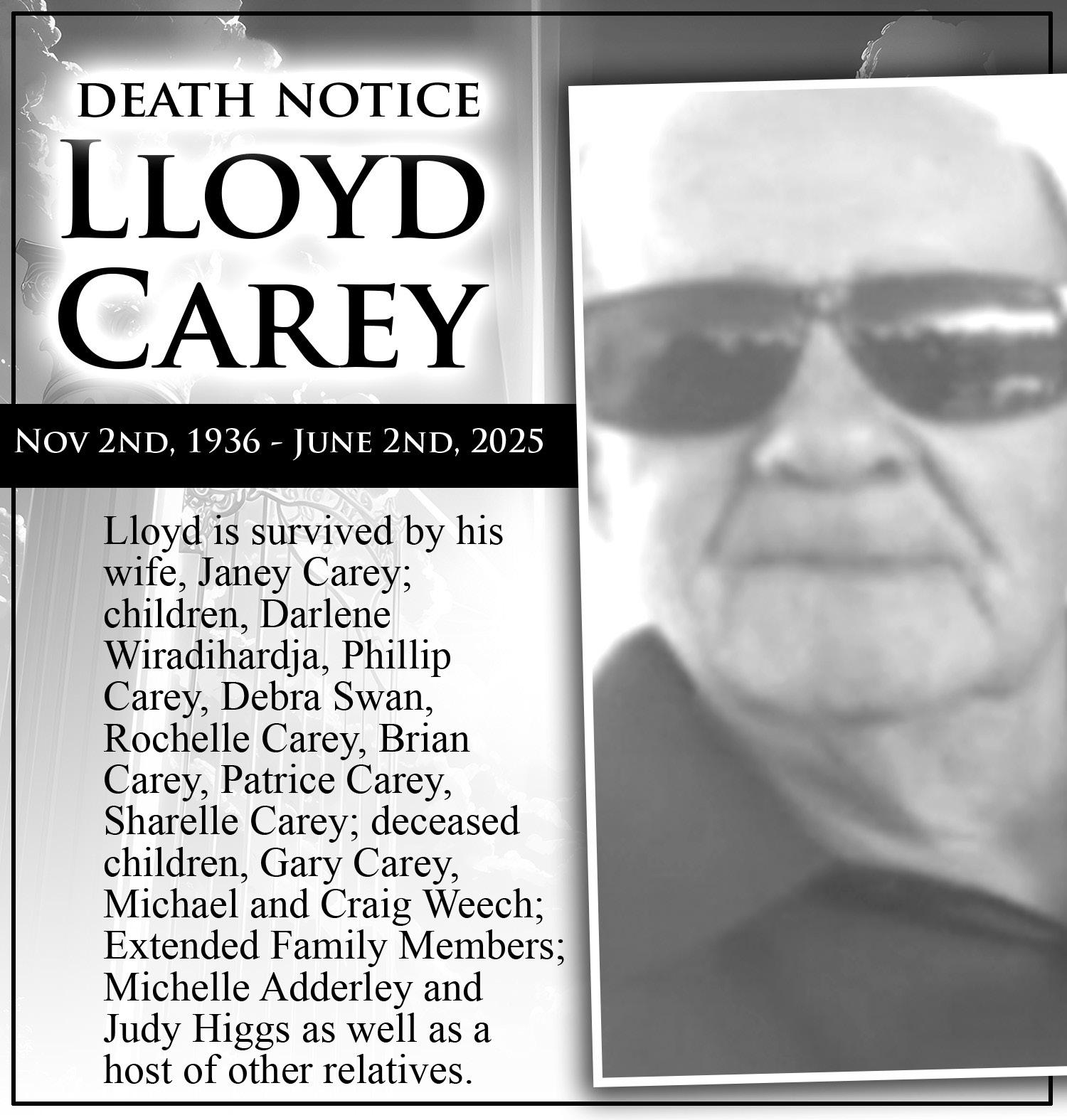
Navigating Post-Tribune Obituaries: A Guide to Locating Notices in 2026
Locating obituaries in the Post-Tribune—the primary news publication serving Northwest Indiana and the Chicago metropolitan area—requires navigating their official digital archive and legacy print submission protocols. As of 2026, the...
Locating obituaries in the Post-Tribune—the primary news publication serving Northwest Indiana and the Chicago metropolitan area—requires navigating their official digital archive and legacy print submission protocols. As of 2026, the Post-Tribune centralizes death notices through an integrated digital portal, allowing families to publish tributes and the public to search for records by name, date, or location.
Contents
Understanding the Post-Tribune Obituary Ecosystem
The Post-Tribune maintains a long-standing historical presence in Lake County and Porter County, Indiana. When searching for obituaries, it is essential to recognize that the publication has transitioned from a traditional print-first model to a digital-forward distribution strategy. This shift ensures that obituaries remain searchable for years, providing a permanent digital record for genealogical research and legal verification.
When you look for a notice, you are interacting with a system that manages three distinct types of announcements:
- Paid Obituaries: Detailed, long-form life stories submitted by funeral homes or families, often featuring photographs and specific service arrangements.
- Death Notices: Brief, factual announcements detailing the name, date of death, and service times, often provided for essential documentation.
- In Memoriam: Annual anniversary tributes placed by family members to honor the deceased.
Step-by-Step Guide to Finding a Specific Obituary
To efficiently locate a record in 2026, utilize the official digital obituary portal associated with the publication. Follow these steps to ensure you find the correct entry, especially when dealing with common names.
- Navigate to the Official Portal: Access the Post-Tribune’s dedicated obituary section through the main news website. Avoid third-party "tribute" sites that may require payment to view public information.
- Use Advanced Search Filters: Enter the first and last name of the deceased. If you are uncertain about the spelling, use a partial search or narrow the results by selecting a specific date range.
- Cross-Reference with Funeral Home Websites: Many funeral homes in Northwest Indiana host mirror copies of the obituary. If the Post-Tribune link is inaccessible or the record is pending, checking the funeral home's website is the most reliable secondary source.
- Verify Service Details: Always confirm the date, time, and location of the funeral or memorial service on the official notice, as these are subject to change due to family scheduling needs.
Comparison of Obituary Publication Methods
Understanding the differences between digital-only and print-inclusive notices is vital for families planning a funeral or researchers looking for data.
| Feature | Digital-Only Notice | Print & Digital Hybrid |
|---|---|---|
| Visibility | Online search portals only | Both physical newspaper and online |
| Longevity | Permanent archive | Limited to the day of issue |
| Multimedia | Supports photo galleries/video | Typically limited to one portrait |
| Cost | Generally lower baseline cost | Premium pricing based on column inches |
| Updates | Real-time edits possible | Fixed upon printing |
Strategic Considerations for Families
When submitting an obituary in 2026, consider the audience you are trying to reach. For local communities in Northwest Indiana, a hybrid approach remains the standard, as it provides both a tangible keepsake for the print edition and a shareable digital link for social media and email dissemination. Always ensure that the information submitted matches the legal death certificate to avoid confusion during estate settlement processes.
Technical Requirements for Submission
Submitting an obituary to the Post-Tribune in 2026 follows strict journalistic and advertising standards. Families typically work through a licensed funeral home, which handles the formatting and data transmission to the publication’s advertising desk.
If you are drafting an obituary independently, you must adhere to the following technical requirements:
- File Formats: Photographs must be high-resolution (at least 300 DPI) to ensure clarity when rendered in print.
- Verification: The publication may require the funeral home’s contact information or a copy of the death certificate to verify the authenticity of the submission, preventing fraudulent notices.
- Submission Deadlines: To meet the daily print production schedule, notices must typically be received by the editorial department at least 48 hours prior to the desired publication date.
Frequently Asked Questions
How long are obituaries available on the Post-Tribune website? Obituaries published in the Post-Tribune are stored in a permanent digital archive. You can access these records indefinitely through the publication's online search portal, making them a reliable resource for long-term genealogical tracking.
Is there a fee to search for an obituary? Searching the official Post-Tribune obituary archive is free. While some third-party aggregator sites may attempt to charge for access to public information, the primary portal provided by the newspaper ensures that the public can search, view, and share notices without financial barriers.
Can I correct an error in a published obituary? Yes, you should contact the Post-Tribune obituary desk or the funeral home that handled the submission as soon as you identify an error. While print editions cannot be corrected once they have gone to press, the digital archive entry can be updated to reflect accurate information.
How do I submit an obituary if I am not using a funeral home? While most notices are processed via funeral directors, private individuals can contact the Post-Tribune advertising department directly. You will need to provide proof of death and payment for the notice based on the chosen length and inclusion of photos.
Are there differences between a death notice and an obituary? Yes. A death notice is a brief, factual announcement of a person's passing, usually containing basic biographical data and service information. An obituary is a more detailed narrative that provides a life summary, personal achievements, and family history, often written by the family.
Ensuring Accuracy and Sensitivity
When navigating these records, remain aware that the information is provided by families and may occasionally contain clerical errors. If you are using these records for legal purposes—such as verifying a date of death for probate or insurance claims—always prioritize the official death certificate issued by the county health department over the newspaper record. The Post-Tribune serves as a primary source for community awareness, but official government documentation remains the legal standard for all administrative and financial matters in 2026.
For families in the process of drafting a notice, prioritize clarity regarding the service arrangements. Include the full name of the deceased, the date of passing, and specific instructions for those wishing to send flowers or make memorial contributions to charitable organizations. These details provide necessary guidance for the community and help ensure that the legacy of the departed is documented with dignity.
Image Gallery