Is Snoop Dogg a Crip? Unraveling the West Coast Legend's Gang Affiliations
Snoop Dogg is an officially affiliated member of the Rollin' 20s Crips, a notorious street gang from the East Side of Long Beach, California. While his modern global status spans multi-platinum albums, mainstream television hosting, co...
Snoop Dogg is an officially affiliated member of the Rollin' 20s Crips, a notorious street gang from the East Side of Long Beach, California. While his modern global status spans multi-platinum albums, mainstream television hosting, cooking shows, and corporate partnerships, his deep-rooted ties to West Coast gang culture remain a foundational element of his historical identity and public persona.
Contents
The Origins of Snoop Dogg's Gang Ties in Long Beach
Long Beach, California, functioned as a distinct cultural and socioeconomic environment during the late 1970s and 1980s. Born Calvin Cordozar Broadus Jr. in October 1971, the future icon grew up navigating neighborhoods heavily impacted by urban poverty, systemic neglect, and the rapid expansion of street gangs.
The Rollin' 20s Crips, also known as the Long Beach Rollin' Twenties, operate primarily on the East Side of the city. During his teenage years and early adulthood, Broadus became integrated into this specific set. This local affiliation predated his commercial music career and heavily influenced the thematic content of his early artistic output.
Street culture in Southern California during this period was characterized by territorial lines, distinct dress codes, and intense rivalries with neighboring Neighborhood Crips, Hoover Criminals, and various Blood sets. For Snoop Dogg, these associations were not merely casual acquaintanceships; they represented a survival mechanism and a social network within his immediate community.
The Rise of West Coast Hip-Hop and Gang Authenticity
When Dr. Dre launched his solo career following the dissolution of N.W.A and released the landmark album The Chronic in 1992, Snoop Dogg emerged as the breakout star. His signature laid-back vocal delivery, combined with unfiltered narratives of street life, resonated deeply with listeners across the United States.
During the early 1990s, major record labels recognized the commercial viability of gangsta rap. However, Snoop Dogg’s authenticity was never seriously questioned by contemporaries because his real-world associations with the Rollin' 20s Crips were well-documented within the community. Songs like "Gin and Juice" and "Who Am I (What's My Name)?" frequently incorporated Crip nomenclature, slang, and blue bandanas, solidifying his status as a cultural ambassador for West Coast street life.
This authenticity proved to be a double-edged sword. While it provided immense credibility within the hip-hop community, it also drew intense scrutiny from law enforcement agencies, politicians, and moral watchdogs who accused rap artists of glorifying urban violence.
The 1993 Legal Trial and High-Profile Acquittal
The intersection of Snoop Dogg's real-world associations and his celebrity status culminated in a dramatic legal battle in 1993. Snoop Dogg and his former bodyguard, McKinley Lee, were charged with the murder of Philip Woldemariam, a member of a rival gang who was shot and killed in a Los Angeles park.
The high-profile trial lasted for months and thrust the realities of Los Angeles gang dynamics into the national spotlight. The defense successfully argued that the shooting was an act of self-defense, noting that Woldemariam had pursued them while reaching for a firearm. In February 1996, a jury acquitted both Snoop Dogg and McKinley Lee of murder charges.
This trial marked a pivotal turning point in the artist's life. Although he was exonerated, the harrowing experience prompted a profound personal and spiritual reevaluation. In subsequent interviews, he reflected on the toll that violence, criminal trials, and the constant threat of incarceration were taking on his family and his career.
Evolution from Gang Affiliation to Cultural Elder Statesman
Decades after his initial rise to fame, Snoop Dogg's relationship with his Crip background has evolved significantly. While he has never renounced his roots or turned his back on the community that raised him, he has transitioned into a global mainstream entertainer, entrepreneur, and peace advocate.
| Era / Phase | Primary Focus | Relationship with Gang Culture | Public Perception |
|---|---|---|---|
| Late 1980s - Early 1990s | Local Survival & Early Music | Active integration with the Rollin' 20s Crips | Local street figure / emerging rapper |
| Mid 1990s | Commercial Stardom & Legal Battles | Symbol of West Coast gangsta rap authenticity | Controversial public figure facing legal scrutiny |
| 2000s - 2010s | Diversification & Crossover Success | Cultural icon maintaining historical ties | Mainstream entertainer, actor, and coach |
| 2020s - Present | Legacy Building & Community Leadership | Elder statesman emphasizing unity and mentorship | Global brand, Olympic torchbearer, and community philanthropist |
This evolution is reflected in numerous high-profile initiatives. Snoop Dogg has frequently used his platform to mediate disputes within the entertainment industry and urban communities. His work with youth football leagues through the Snoop Youth Football League (SYFL) has provided thousands of at-risk children in Los Angeles and surrounding areas with athletic opportunities, mentorship, and a safe alternative to gang involvement.
Furthermore, his public displays of unity—such as performing alongside fellow West Coast artists with diverse historical affiliations during the 2022 Super Bowl Halftime Show—demonstrated a deliberate shift toward reconciliation, maturity, and cultural celebration.
Frequently Asked Questions
Is Snoop Dogg still an active member of a gang?
Snoop Dogg maintains lifelong historical ties to the Rollin' 20s Crips, but he is no longer an active participant in street-level gang activities. He has successfully transitioned into a mainstream entertainer, businessman, and community philanthropist while honoring his roots.
Which specific set does Snoop Dogg claim?
Snoop Dogg is associated with the Rollin' 20s Crips, which operates on the East Side of Long Beach, California. This specific neighborhood affiliation heavily influenced his early lyrics, imagery, and community identity.
Did Snoop Dogg's gang affiliation affect his legal record?
Yes, his most notable legal challenge occurred in 1993 when he and his bodyguard were charged with murder following a shooting in a Los Angeles park. Both men were ultimately acquitted in 1996 after a jury accepted the defense of self-defense.
How has Snoop Dogg's public image changed regarding his past?
Over the decades, Snoop Dogg has evolved from a controversial gangsta rap artist into a beloved global pop culture icon, entrepreneur, and youth mentor. While he does not hide his past, he actively promotes community unity, youth sports, and peace.
Does Snoop Dogg still wear blue or reference Crip culture?
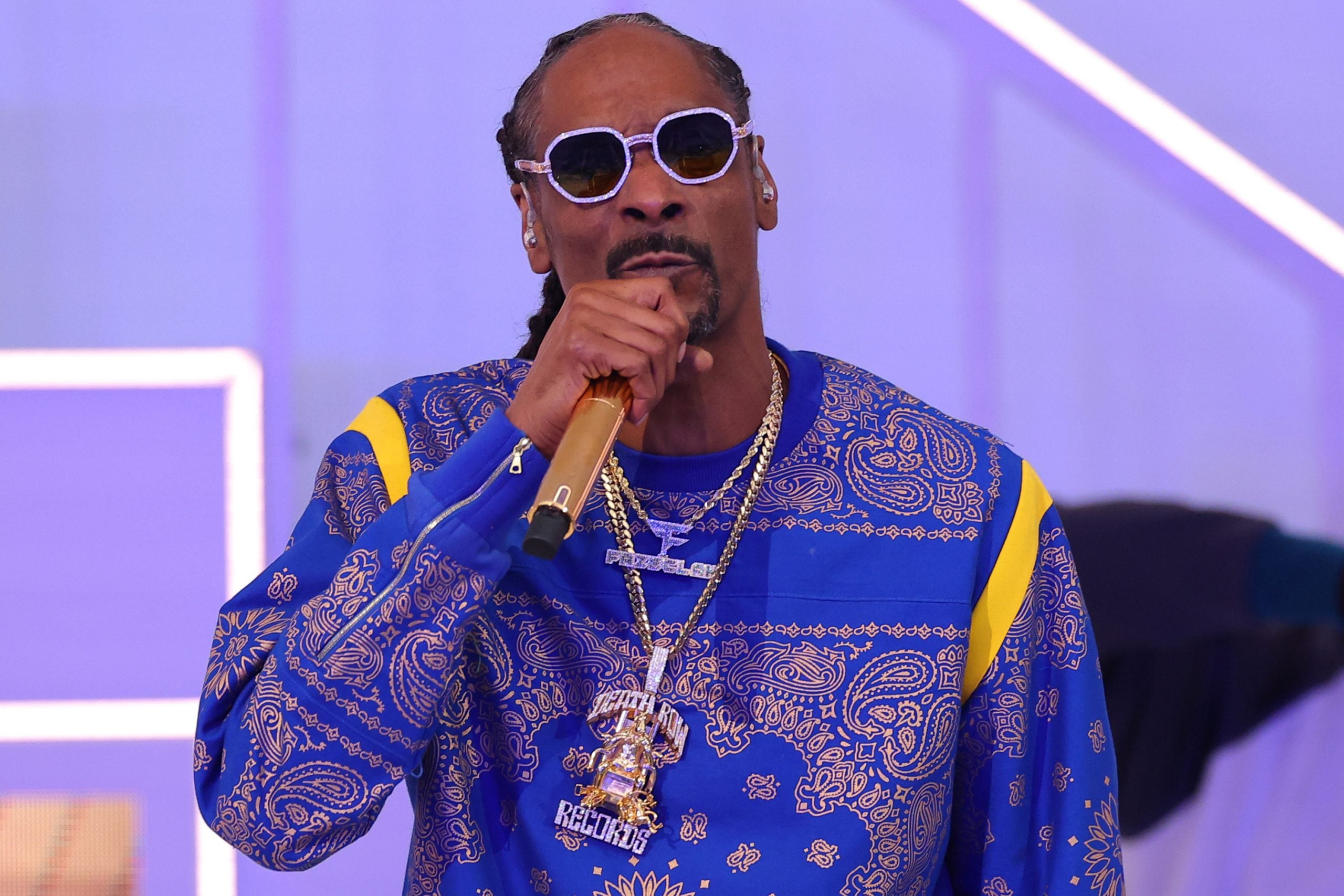
While he occasionally incorporates blue elements into his wardrobe or stage presence as a nod to his history, his primary focus is on his diverse business ventures, music career, and media projects.
Conclusion and Final Perspective
Snoop Dogg's connection to the Rollin' 20s Crips is an undeniable chapter of his personal history and the broader narrative of West Coast hip-hop. Understanding this background provides crucial context for his music, his legal struggles, and his eventual transformation into an American cultural institution. Rather than letting his past define the limits of his life, Snoop Dogg leveraged his authenticity to build a multi-faceted empire, proving that personal evolution and cultural roots can coexist on a global stage.
Image Gallery