Who Owns Chevy: Understanding the Corporate Structure Behind the Brand
Chevrolet, commonly referred to as Chevy, is owned by General Motors (GM), an American multinational automotive manufacturing corporation headquartered in Detroit, Michigan. Founded in 1911 and acquired by GM in 1918, Chevrolet serves...
Chevrolet, commonly referred to as Chevy, is owned by General Motors (GM), an American multinational automotive manufacturing corporation headquartered in Detroit, Michigan. Founded in 1911 and acquired by GM in 1918, Chevrolet serves as the flagship mass-market division for the parent company, operating as one of the primary pillars within GM’s global portfolio of automotive brands.
Contents
The Corporate Lineage of Chevrolet
The question of who owns Chevrolet is answered by tracing the history of the brand back to its inception. Chevrolet was founded on November 3, 1911, by Louis Chevrolet and William C. Durant. Durant, who had previously been pushed out of the company he founded—General Motors—used the success of the Chevrolet Motor Company to regain control of GM. By 1918, the two entities were merged, with Chevrolet becoming a division of General Motors.
Since that time, Chevrolet has remained a cornerstone of General Motors. While other GM brands have come and gone over the decades—such as Oldsmobile, Pontiac, and Saturn—Chevrolet has consistently maintained its position as the high-volume, global brand for the corporation. In the modern era of 2026, GM manages Chevrolet as a primary manufacturer of passenger cars, commercial trucks, and electric vehicles (EVs), benefiting from the shared engineering, manufacturing, and supply chain resources that the parent company leverages across its entire brand ecosystem.
General Motors: The Parent Organization
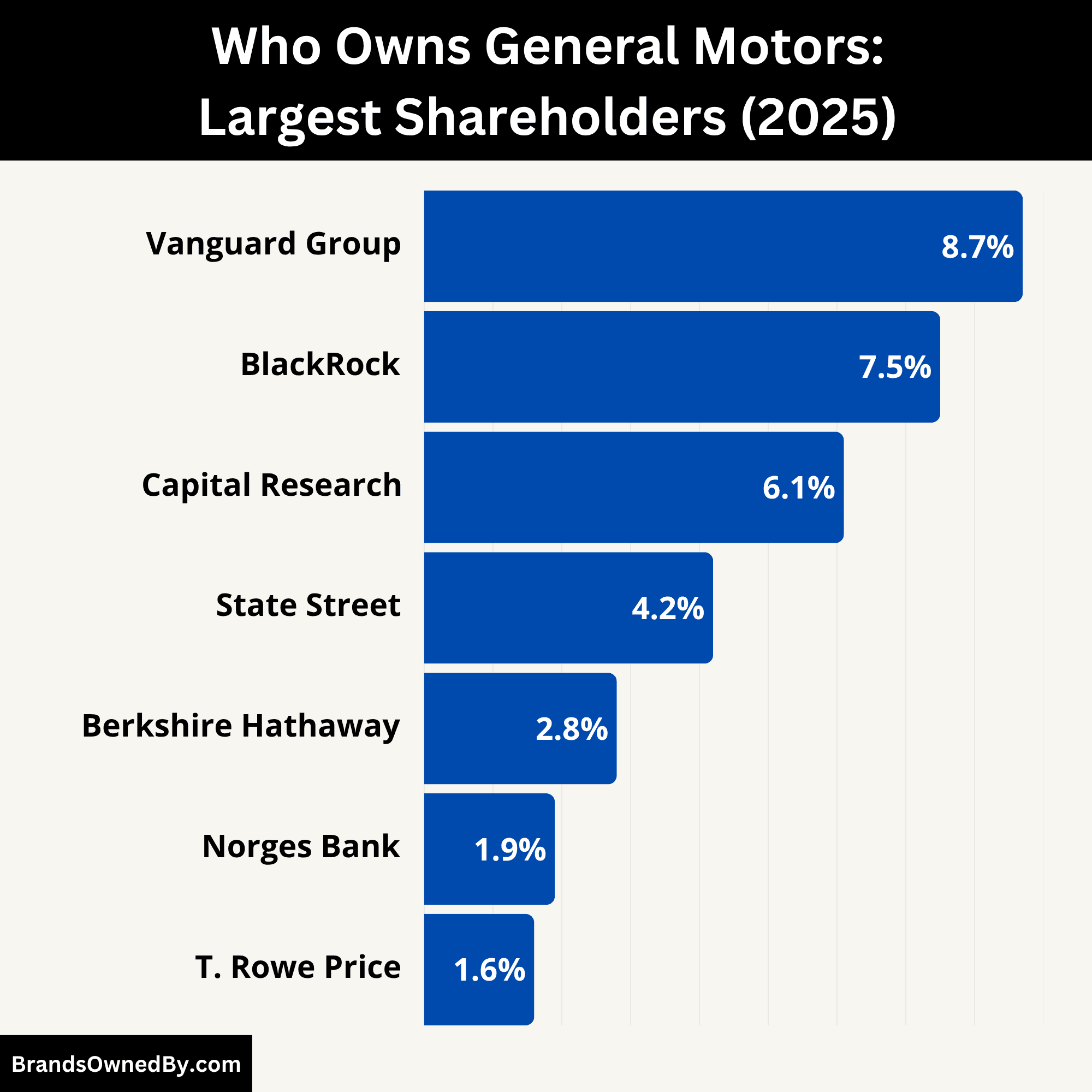
General Motors is a publicly traded company listed on the New York Stock Exchange under the ticker symbol GM. Because it is a publicly held corporation, it does not have a single "owner" in the private sense. Instead, it is owned by a diverse group of shareholders, including institutional investors, mutual funds, and individual retail investors.
The governance of General Motors is handled by a board of directors, which oversees the company's strategic direction, including the operations of the Chevrolet division. As an organization, GM operates under several distinct pillars to ensure it remains competitive in the evolving automotive landscape:
- Global Operations: GM coordinates manufacturing across multiple continents, allowing Chevrolet models to be built to local market specifications while utilizing global platforms.
- Research and Development: Investments in Battery Electric Vehicle (BEV) architecture, such as the Ultium platform, are managed at the corporate level, with Chevrolet serving as the primary vehicle for rolling these technologies out to the mass market.
- Financial Services: GM Financial provides lending, leasing, and insurance support to Chevrolet customers, functioning as a subsidiary that supports the sales operations of the automotive brands.
Chevrolet’s Place in the GM Portfolio
General Motors utilizes a "brand ladder" strategy, positioning its various nameplates to appeal to different consumer segments and price points. Chevrolet is strategically positioned as the "value-driven" brand. This does not mean it lacks sophistication; rather, it is designed to offer a balance of utility, performance, and accessibility to a broad demographic.
Compared to other brands within the GM ecosystem, such as GMC (focused on trucks and SUVs) or Cadillac (focused on luxury), Chevrolet serves the widest range of consumer needs. Below is a comparison of how the Chevrolet brand aligns with other notable GM entities:
| Brand | Primary Focus | Market Positioning |
|---|---|---|
| Chevrolet | Mass Market / Utility | Accessible innovation and reliability |
| GMC | Professional Grade Trucks/SUVs | Premium utility and heavy-duty focus |
| Cadillac | Luxury Vehicles | High-end performance and prestige |
| Buick | Premium Mid-Market | Comfort and near-luxury features |
This tiered structure allows General Motors to capture market share across all segments without creating direct internal competition between its brands. For instance, a buyer looking for a budget-friendly compact car or a high-volume crossover will likely be directed toward a Chevrolet, whereas a buyer seeking higher-tier interior materials and brand prestige would be guided toward a Cadillac dealership.
Shared Engineering and Supply Chain Logistics
The "ownership" of Chevrolet by General Motors extends far beyond branding; it is defined by a massive integration of engineering and supply chain logistics. Chevrolet vehicles frequently share "platforms"—the fundamental architecture including the chassis, drivetrain components, and electrical systems—with other GM brands.
This shared architecture is a standard practice in the modern automotive industry, designed to reduce costs and increase quality control. For example, the same battery modules used in high-end luxury electric vehicles may be configured into a more utilitarian package for a Chevrolet electric vehicle. This economies-of-scale approach is how GM maintains competitive pricing for Chevrolet while still funding the extensive research required to develop new automotive technologies.
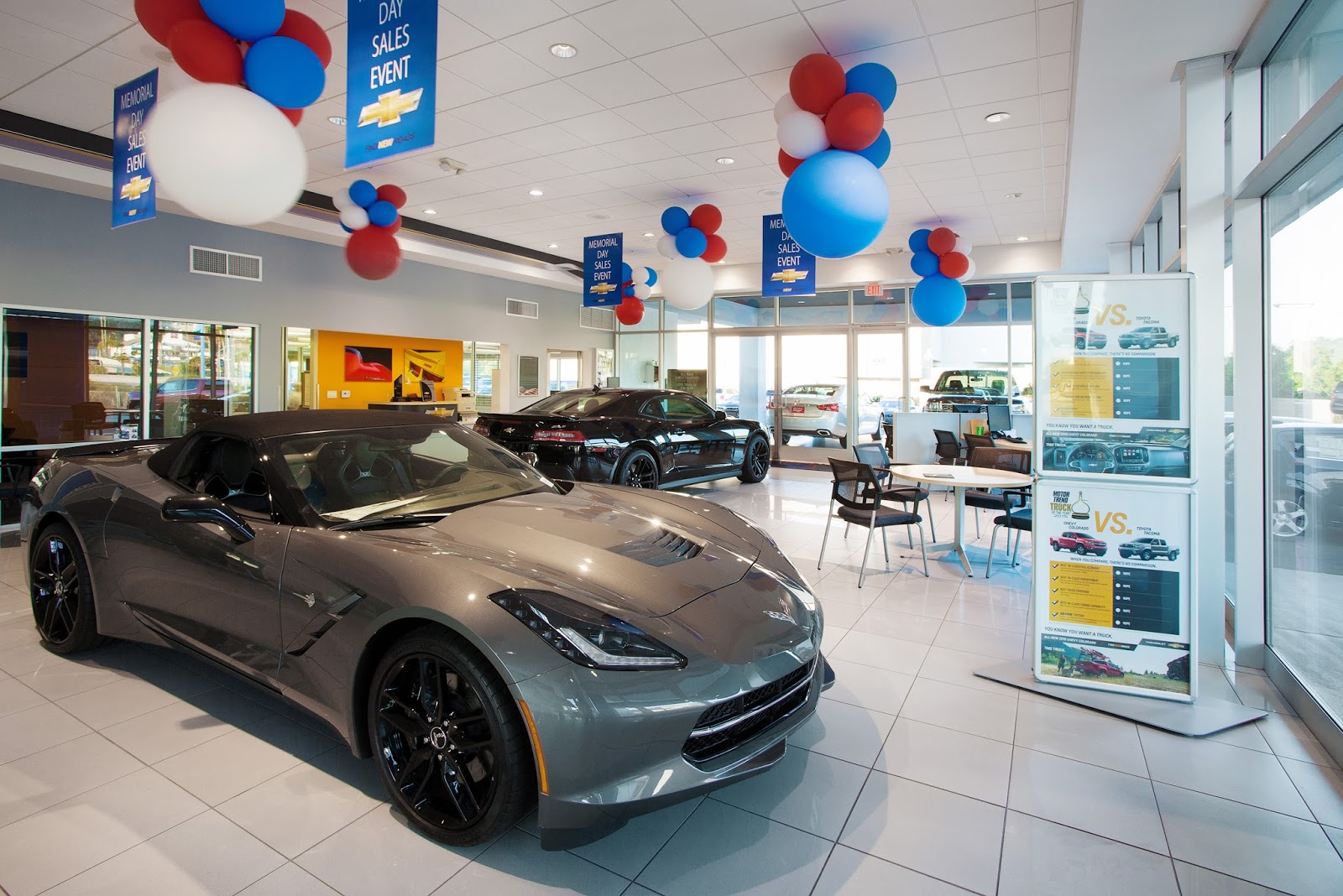
When you purchase a vehicle from a Chevrolet dealership, you are essentially buying a product that represents the culmination of corporate-wide engineering efforts, refined through decades of experience under the General Motors umbrella.
Understanding Shareholder Value and Corporate Governance
Because General Motors is a publicly traded company, the "owners" of Chevrolet are, in effect, the shareholders of General Motors. Institutional investors—such as large asset management firms—typically own a significant percentage of GM stock. These entities exert influence over corporate strategy, board appointments, and long-term goals.
For the average consumer, this ownership structure is transparent. Decisions made at the corporate headquarters in Detroit regarding model lineups, environmental policies, and electric vehicle adoption directly affect the availability and cost of Chevrolet vehicles. In 2026, the primary corporate directive is the transition toward a zero-emissions future. Consequently, Chevrolet is at the forefront of this shift, with the corporation prioritizing the electrification of its most popular, high-volume models.
Frequently Asked Questions (FAQ)
Does Chevrolet operate as an independent company?
No, Chevrolet is not an independent entity. It is a wholly-owned division of General Motors. While it has its own brand identity, marketing team, and dealer network, it operates under the corporate governance and financial strategy of GM.
Is Chevrolet a subsidiary of General Motors?
Yes, Chevrolet is one of the primary divisions of General Motors. In legal and corporate documentation, it is treated as a component of the overarching GM business, sharing human resources, manufacturing facilities, and R&D budgets with the parent company.
Can I buy stock in Chevrolet?
You cannot buy stock specifically in the Chevrolet brand because it is not a standalone publicly traded company. However, if you wish to invest in the success of the Chevrolet brand, you can purchase common stock in General Motors (ticker: GM), which represents an ownership stake in the entire corporate family, including Chevrolet, GMC, Buick, and Cadillac.
Who makes the final decisions on Chevrolet vehicle designs?
While Chevrolet has its own design centers and brand managers, major strategic decisions—such as the transition to an all-electric lineup or the approval of new platform development—are made by the executive leadership and the board of directors at General Motors.
Does GM own all Chevrolet dealerships?
No, most Chevrolet dealerships are independently owned and operated businesses that enter into a franchise agreement with General Motors. This means that while GM owns the brand and the manufacturing operations, the local dealership acts as a separate legal entity authorized to sell and service Chevrolet products.
Next Steps for Consumers
If you are currently evaluating a Chevrolet vehicle for purchase or lease, your primary point of interaction will be through an authorized Chevrolet dealership. When verifying information about warranty coverage, financing, or technical support, always utilize the official Chevrolet website or the GM corporate portal.
Because ownership is centralized under General Motors, you can be confident that the service and support you receive are backed by a major international corporation. Should you have concerns regarding vehicle safety or technical recalls, these are managed centrally by the parent company, ensuring that the same safety standards apply across the entire brand portfolio. For those interested in the future of the brand, monitoring the General Motors investor relations page provides the most accurate, up-to-date information on corporate strategy, including production goals and future technology rollouts.
Image Gallery