What Makes a Bully a Bully? Understanding the Roots of Aggressive Behavior
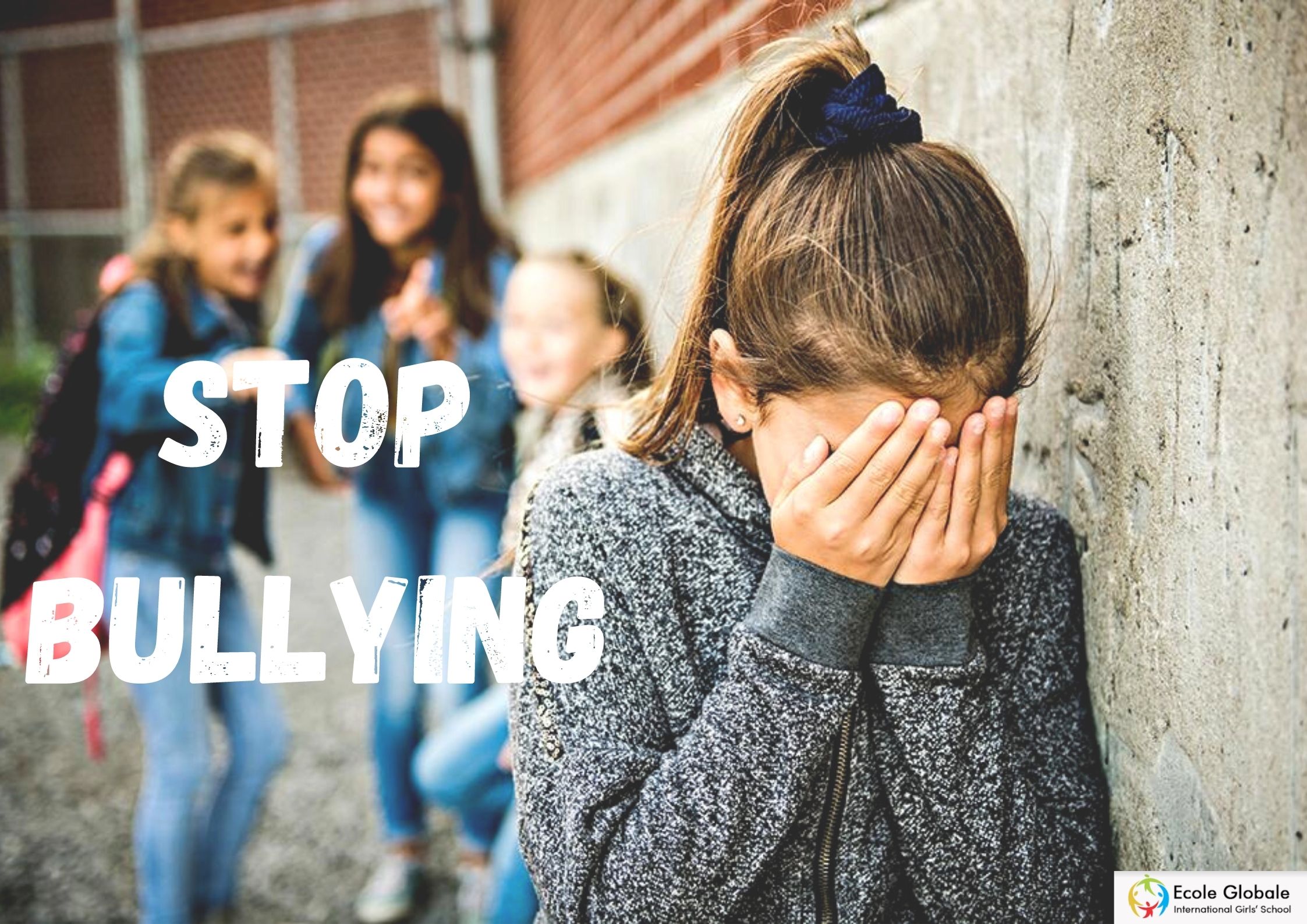
A bully is shaped by a complex intersection of psychological traits, environmental influences, and social dynamics. Most bullying behavior stems from a desire for power or social status, a lack of emotional regulation, or a history of...
A bully is shaped by a complex intersection of psychological traits, environmental influences, and social dynamics. Most bullying behavior stems from a desire for power or social status, a lack of emotional regulation, or a history of being mistreated themselves. These individuals often use repetitive, intentional aggression to manage their own insecurities or navigate social hierarchies.
Contents
To understand the etiology of a bully, one must look beyond the surface-level behavior. It is rarely a single event or a "bad seed" scenario; rather, it is the result of developmental paths where aggression was either modeled, rewarded, or used as a survival mechanism. As of 2026, psychologists and educators emphasize that identifying these root causes is essential for effective intervention and breaking the cycle of victimization.
The Definitive Characteristics of Bullying
Before examining why someone becomes a bully, it is necessary to define what the behavior entails. Bullying is distinct from general peer conflict or occasional rudeness. According to established clinical guidelines, bullying must involve three specific criteria: an imbalance of power, intent to cause harm, and repetition over time.
The imbalance of power can be physical, such as strength or size, or social, such as popularity or access to embarrassing information. The intent to harm differentiates bullying from accidental slights; the bully actively seeks to cause physical or emotional distress. Finally, repetition ensures the victim remains in a state of perpetual fear or anxiety, which grants the bully continued control.
Understanding these mechanics helps clarify that a bully is not just someone who is "mean." They are individuals utilizing a specific strategy—whether consciously or subconsciously—to achieve a desired social or emotional outcome.
Psychological Drivers: Inside the Mind of the Aggressor
The psychological profile of a bully is often more nuanced than the "low self-esteem" stereotype suggests. While some bullies do suffer from deep-seated insecurities, many actually possess high levels of self-esteem and social intelligence.
Moral Disengagement and Empathy Gaps
One of the primary factors that makes a bully is a high level of moral disengagement. This is a cognitive process where individuals justify their harmful actions by convincing themselves that their ethical standards do not apply in a particular context. They may use "euphemistic labeling" (calling a physical assault "just a joke") or "dehumanization" (treating the victim as less than human) to avoid feeling guilt.
Furthermore, a deficit in affective empathy—the ability to feel what another person is feeling—is a common trait. Interestingly, many bullies possess high cognitive empathy, which is the intellectual understanding of how another person feels. This allows them to identify a victim’s "sore spots" and manipulate them more effectively, while the lack of affective empathy prevents them from feeling the pain they cause.
The Pursuit of Social Dominance
In many social ecosystems, bullying is a calculated tool for upward mobility. This is often referred to as "strategic aggression." These individuals are not emotionally volatile; instead, they are "socially integrated" bullies who use aggression to maintain their rank in a peer group. By marginalizing others, they solidify their own "in-group" status and discourage others from challenging their authority.
Environmental and Familial Influences
A person’s environment serves as the primary training ground for social interaction. When aggression is normalized or rewarded in early childhood, the likelihood of developing bullying behaviors increases significantly.
Home Environment and Modeling
The family unit is the most influential factor in early development. Children who grow up in homes characterized by high levels of conflict, physical punishment, or authoritarian parenting styles are at higher risk. When a child observes a parent using power and intimidation to solve problems or control others, they internalize this as a valid method for social interaction.
Conversely, emotional neglect can also foster bullying. If a child does not receive adequate attention or guidance on emotional regulation, they may turn to bullying to feel a sense of agency or to elicit any form of reaction from the adults in their lives.
Peer Group Reinforcement
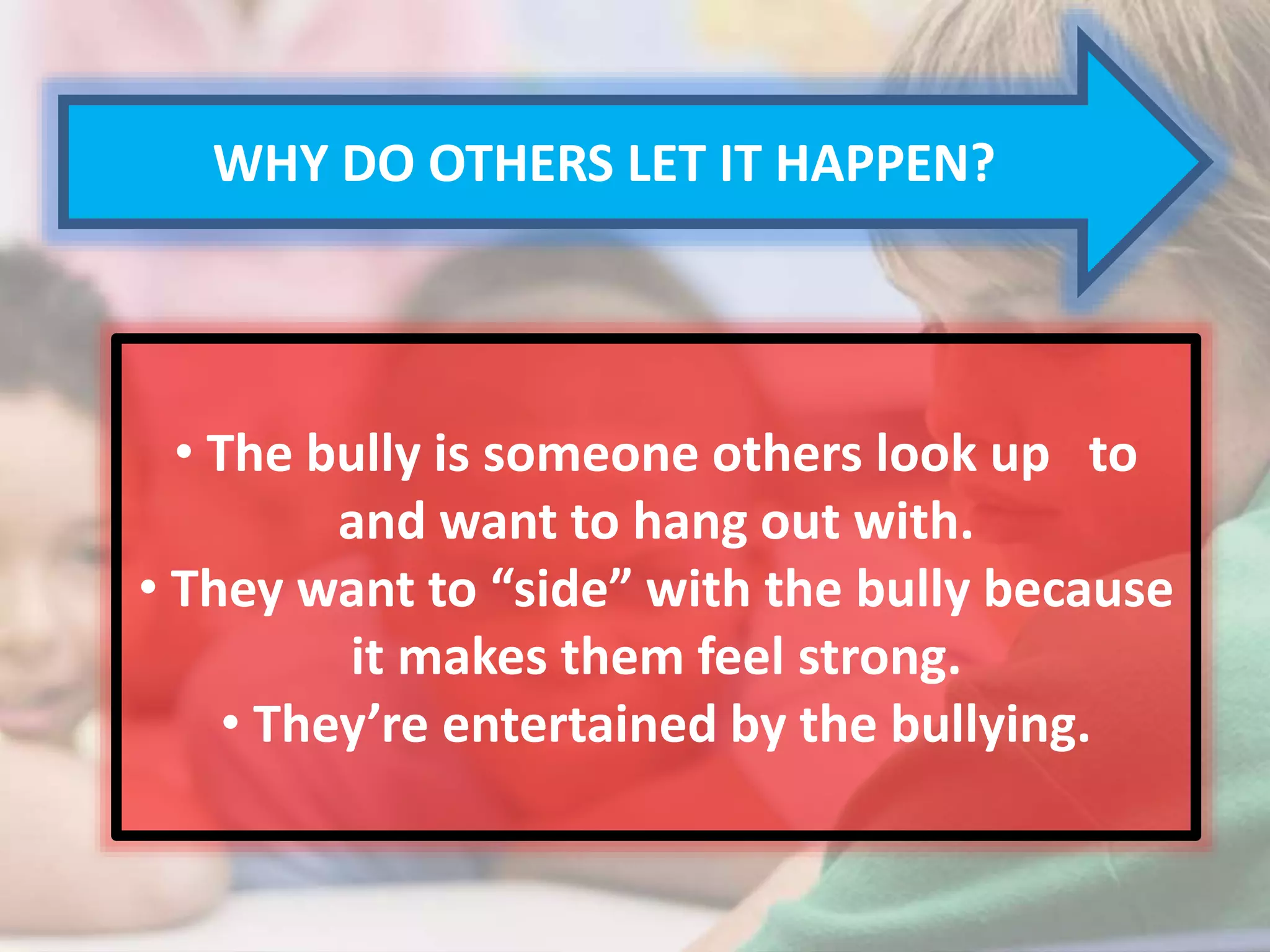
As children enter adolescence, the influence of the peer group often surpasses that of the family. If a social circle rewards "toughness" or mocks vulnerability, a child may adopt bullying behaviors to fit in or avoid becoming a target themselves. This is known as social contagion, where the desire for belonging outweighs the individual’s internal moral compass.
The Impact of School and Organizational Climate
The broader environment—such as a school, a workplace, or a sports team—plays a critical role in either inhibiting or enabling a bully. A "climate of silence" or a lack of supervision creates a vacuum where bullying can thrive.
When authorities fail to intervene or when "minor" incidents are dismissed as "kids being kids," it sends a powerful message to the bully that their behavior is acceptable or even invisible. In 2026, research from the World Health Organization continues to highlight that systemic interventions are more effective than punishing individual bullies, as the behavior is often a symptom of a toxic environment.
Biological and Neurological Considerations
While environment and psychology are paramount, biological factors cannot be ignored. Research into the prefrontal cortex—the part of the brain responsible for executive function and impulse control—suggests that some individuals may have a biological predisposition toward reactive aggression.
Individuals with a highly reactive amygdala (the brain's emotional center) may perceive neutral social cues as threats. This "hyper-vigilance" can lead to defensive bullying, where the individual strikes first to avoid being hurt. Additionally, imbalances in neurotransmitters like serotonin, which helps regulate mood and social behavior, have been linked to increased irritability and aggression in some clinical studies.
Comparing Bullying Profiles
Not all bullies are driven by the same motivations. Identifying the type of driver can help in selecting the appropriate intervention strategy.
| Driver Category | Core Motivation | Behavioral Markers | Preferred Environment |
|---|---|---|---|
| Social-Dominant | Status and Power | Calculated, subtle, manipulative | Highly competitive, status-driven |
| Reactive-Aggressive | Defense and Fear | Impulsive, explosive, physical | High-stress or unstable settings |
| Bully-Victim | Retaliation/Survival | Volatile, switches roles | Environments with high victimization |
| Socially-Motivated | Peer Acceptance | Follows leaders, group-focused | Groups with weak moral leadership |
The "Bully-Victim" Cycle
One of the most complex profiles is the bully-victim. These are individuals who are actively bullied by others and, in turn, bully those they perceive as weaker. This group often faces the most significant long-term psychological challenges, as they experience the trauma of victimization alongside the social rejection of being an aggressor.
Bully-victims often have poor social-emotional skills and struggle with "hostile attribution bias"—the tendency to interpret ambiguous actions by others as intentionally hostile. Because they feel the world is a dangerous place, they use aggression as a preemptive strike. Breaking this cycle requires intensive support that addresses both their trauma and their behavioral choices.
Digital Evolution: The Rise of the Cyberbully
In 2026, the digital landscape has fundamentally altered what makes a bully. Cyberbullying allows for a level of anonymity and distance that traditional face-to-face bullying does not. This "online disinhibition effect" makes it easier for individuals who might never act out in person to become bullies online.
In digital spaces, the lack of immediate physical feedback (seeing the victim’s tears or distress) further erodes affective empathy. Furthermore, the 24/7 nature of the internet removes the "safe haven" of the home, allowing the bully to exert power over the victim at all hours. The drivers remain the same—power, status, and emotional release—but the tools have become more efficient and pervasive.
Professional Limitation
The information provided regarding the psychological and biological roots of bullying is for educational purposes only and should not be used as a substitute for professional psychological or medical diagnosis. If you or someone you know is experiencing severe behavioral issues or victimization, consult a licensed mental health professional or school counselor.
Addressing the Root Causes: Next Actions
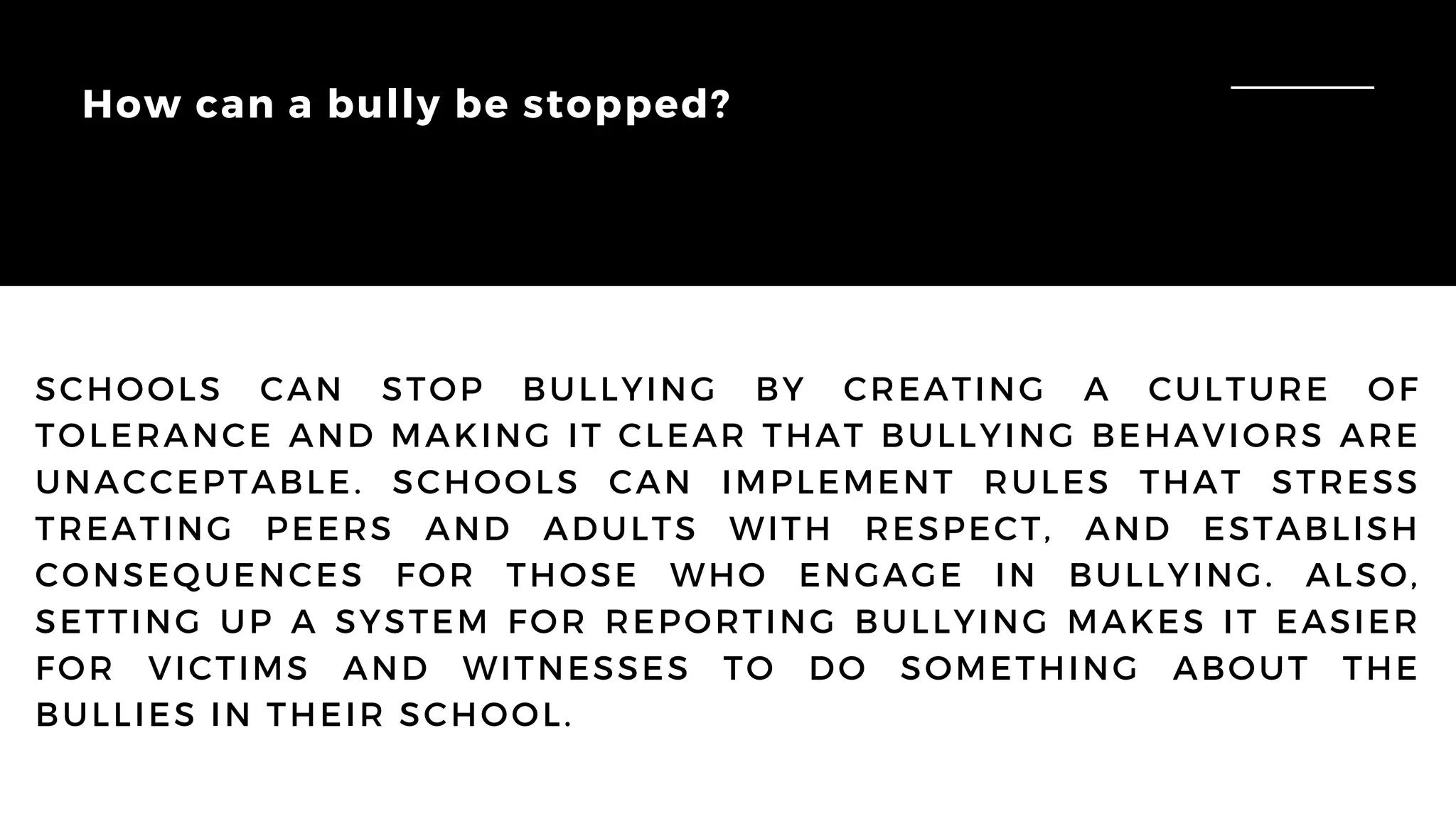
Stopping a bully requires more than just punishment; it requires addressing the underlying drivers that make them act out. Effective strategies include:
- Empathy Training: Programs that focus on "perspective-taking" can help bridge the gap in affective empathy, forcing the bully to confront the emotional reality of their actions.
- Restorative Justice: Moving away from zero-tolerance policies toward models that require the aggressor to take responsibility and repair the harm caused can reduce recidivism.
- Social-Emotional Learning (SEL): Implementing SEL curriculum in schools helps children develop better impulse control, emotional regulation, and conflict-resolution skills from a young age.
- Environmental Audits: Organizations and schools must regularly assess their "climate" to ensure there are no hidden corners or social structures that reward aggression.
By understanding that a bully is often a product of their circumstances and psychological development, society can move toward more proactive solutions that prevent the behavior from taking root in the first place.
Frequently Asked Questions
Can someone be born a bully? No, bullying is a learned behavior. While some children may be born with a temperament that makes them more impulsive or aggressive, the actual act of bullying—systematically targeting someone for harm—is developed through social learning, environmental influences, and a lack of proper emotional guidance.
Are all bullies insecure? Contrary to popular belief, not all bullies have low self-esteem. "Socially integrated" bullies often have high self-confidence and use aggression specifically to maintain their high social status. However, "reactive" bullies often do struggle with insecurity and use aggression as a defense mechanism.
What is the "hostile attribution bias"? This is a cognitive distortion where a person assumes that the actions of others are motivated by ill-will, even when they are neutral or accidental. For example, if someone bumps into them in a hallway, they assume it was a deliberate attack and respond with aggression. This is common in "bully-victims."
How does the "bystander effect" contribute to bullying? The bystander effect occurs when witnesses do not intervene because they assume someone else will, or because they fear becoming a target. This lack of intervention provides the bully with "silent approval," reinforcing the idea that their behavior is socially acceptable or that they are too powerful to be challenged.
Can a bully change their behavior? Yes. With appropriate intervention, such as cognitive-behavioral therapy (CBT), social skills training, and changes in their environment, individuals can learn healthier ways to seek power, manage emotions, and interact with peers. Early intervention is key to preventing these behaviors from becoming permanent personality traits.
Image Gallery