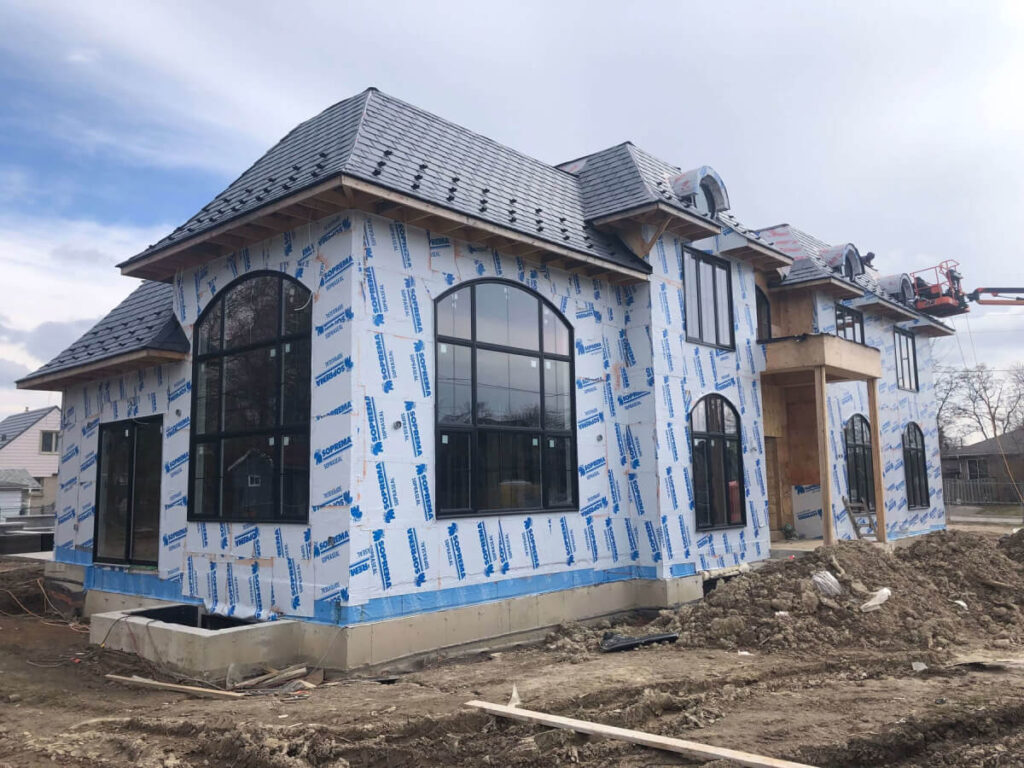
Choosing the Best New Construction Vinyl Windows for Your Home
Choosing the best new construction vinyl windows requires balancing thermal performance, frame structural integrity, and glass technology tailored to your specific climate. In 2026, the ideal choice involves selecting multi-chambered v...
Choosing the best new construction vinyl windows requires balancing thermal performance, frame structural integrity, and glass technology tailored to your specific climate. In 2026, the ideal choice involves selecting multi-chambered virgin vinyl frames with a U-factor below 0.22 and ensuring a proper integrated nailing fin for a weather-tight seal.
Contents
Understanding the New Construction Distinction
When navigating the window market, the first critical distinction is between "new construction" and "replacement" (or insert) windows. New construction vinyl windows are designed to be installed during the initial framing of a house or when an existing home is stripped down to the studs. The defining feature is the nailing fin (also known as a mounting flange).
The nailing fin is a flat plastic or metal strip that extends around the perimeter of the window frame. It allows the window to be nailed directly into the exterior sheathing of the home. This creates a structural connection and provides a surface for flashing tape to integrate with the weather-resistive barrier (WRB), such as house wrap. This integrated system is far superior to replacement windows for preventing water intrusion and air leakage, as it addresses the interface between the window and the wall itself.
If you are building a new home or performing a major "gut" renovation, new construction windows are the standard. They allow for a deeper inspection of the rough opening for rot or structural issues, which is often overlooked during simple pocket-replacement projects.
The Science of High-Quality Vinyl Frames
Not all vinyl is created equal. Modern vinyl windows are composed of polyvinyl chloride (PVC) mixed with various additives that determine their longevity and performance.
Virgin Vinyl vs. Recycled Content
In 2026, premium manufacturers prioritize virgin vinyl. While recycled vinyl is environmentally friendly, it can sometimes contain impurities that lead to brittleness or "yellowing" over time when exposed to high UV radiation. Virgin vinyl ensures a consistent chemical composition, providing better impact resistance and color retention.
Multi-Chambered Design
If you were to look at a cross-section of a high-quality vinyl window frame, you would see a complex web of internal walls. These are known as chambers. A budget window might have three or four chambers, while a high-performance 2026 model may feature 10 to 15.
These chambers serve two primary purposes:
- Thermal Insulation: Dead air is a poor conductor of heat. Multiple chambers trap air, creating a series of thermal breaks that prevent heat from migrating from the warm interior to the cold exterior (or vice versa).
- Structural Rigidity: Vinyl is naturally more flexible than wood or aluminum. The internal webbing of a multi-chambered frame provides the "skeleton" needed to prevent the frame from warping under the weight of heavy triple-pane glass or during extreme temperature fluctuations.
Fusion-Welded Corners
When choosing a vinyl window, ensure the corners are fusion-welded. This process uses heat to melt the vinyl at the mitered joints, effectively turning the four sides of the window into a single, seamless piece of plastic. This is significantly more durable and leak-proof than mechanically fastened corners held together by screws and sealant.
Energy Performance Metrics to Prioritize
To choose the "best" window, you must look past the brand name and focus on the NFRC (National Fenestration Rating Council) label. By 2026 standards, Energy Star Version 7.0 and subsequent updates have raised the bar for what constitutes an "efficient" window.
U-Factor
The U-factor measures the rate of heat loss. The lower the number, the better the window insulates. For 2026, high-performance vinyl windows in Northern climates should aim for a U-factor between 0.18 and 0.23. In Southern climates, where cooling is the priority, a U-factor of 0.30 is often acceptable, but lower is always better for total energy cost reduction.
Solar Heat Gain Coefficient (SHGC)
SHGC measures how much solar radiation passes through the window.
- In Northern Climates: You may want a higher SHGC (0.30–0.40) on south-facing windows to allow "passive solar heating" during the winter.
- In Southern Climates: You need a low SHGC (0.20 or lower) to block the sun’s heat and keep your air conditioning bills manageable.
Air Infiltration (AI)
Often overlooked, the AI rating measures how many cubic feet of air pass through a square foot of window area. A high-quality vinyl window should have an AI rating of 0.05 cfm/sq ft or lower. Many budget vinyl windows have ratings closer to 0.30, which leads to drafts even when the window is "shut."
Glass Technology: The 2026 Standard
The glass (or "insulated glass unit" - IGU) accounts for about 80% of the window's surface area. Your choice here determines the bulk of the window’s performance.
Low-E Coatings
Low-Emissivity (Low-E) coatings are microscopically thin metallic layers applied to the glass surfaces. They reflect infrared energy (heat). In 2026, triple-silver Low-E coatings (such as LoE-366) are common. These coatings are spectrally selective, meaning they let in visible light while blocking a massive percentage of UV and infrared rays.
Gas Fills: Argon vs. Krypton
The space between the glass panes is filled with an inert gas that is denser than air to slow down convection.
- Argon: The industry standard. It is cost-effective and provides a significant boost to the U-factor.
- Krypton: More expensive but more effective, especially in thinner gaps. Krypton is often used in high-end triple-pane windows to achieve ultra-low U-factors without creating an excessively thick window unit.
Warm-Edge Spacers
The spacer is the piece that holds the glass panes apart. Old-fashioned aluminum spacers conduct heat, often leading to condensation at the edges of the glass. Modern "warm-edge" spacers made of structural foam or composite materials significantly reduce edge-of-glass heat loss and improve the longevity of the IGU seal.
2026 Comparison of Leading Vinyl Window Series
The following table compares high-tier new construction vinyl windows available in the 2026 market based on their technical specifications and typical performance.
| Manufacturer & Series | Frame Construction | Typical U-Factor | Primary Advantage |
|---|---|---|---|
| Simonton Reflections 5500 | High-grade virgin vinyl; multi-chambered | 0.22 - 0.27 | Excellent balance of cost and durability; wide availability. |
| Milgard Quiet Line | Reinforced multi-chambered | 0.20 - 0.25 | Superior sound attenuation; ideal for urban environments. |
| Pella 250 Series | Fully welded; optional foam insulation | 0.21 - 0.26 | High-end aesthetic options; 52% stronger frames than standard vinyl. |
| ProVia Endure | Neopor® insulated frame | 0.18 - 0.22 | Industry-leading air infiltration ratings and thermal efficiency. |
| Jeld-Wen Premium Vinyl | Wide-frame profile | 0.23 - 0.28 | Impact-rated glass options for coastal/high-wind zones. |
Critical Installation Factors
Even the most expensive vinyl window will fail if the installation is flawed. For new construction, the integration with the house’s drainage plane is the most vital step.
- Sill Pan Flashing: Before the window is set, a sill pan should be installed. This ensures that if any water does get past the window unit, it is directed outward rather than into the wall cavity.
- The "Shingled" Approach: Flashing tape must be applied in a specific order: bottom, then sides, then top. The top piece (head flashing) must be tucked under the house wrap to ensure water flows over the tape rather than behind it.
- Low-Expansion Foam: The gap between the window frame and the rough opening should be filled with professional-grade, low-expansion spray foam. Avoid high-expansion foam, as it can exert enough pressure to bow the vinyl frame, causing the window to bind.
Cost Considerations and ROI
As of 2026, the cost for a standard-sized (approx. 36" x 60") high-quality new construction vinyl window generally ranges from $450 to $900 per unit, plus labor.
While vinyl is typically more affordable than wood or fiberglass, the ROI (Return on Investment) comes from three areas:
- Reduced Utility Bills: High-performance glass packages can reduce heating and cooling costs by 12–18% compared to base-model windows.
- Maintenance: Unlike wood, vinyl never requires painting or staining. An annual cleaning with soap and water is usually sufficient.
- Resale Value: Modern buyers prioritize energy efficiency. Homes with documented high-performance windows often sell faster and at a premium.
Common Mistakes to Avoid
- Ignoring the Nailing Fin: Do not attempt to use a "replacement" style window (no fin) in a new construction setting. It is significantly harder to waterproof and lacks the structural tie-in required for new builds.
- Overlooking the Warranty: Ensure the warranty covers "seal failure" (fogging between the panes) for at least 20 years. Some premium brands offer lifetime warranties that are transferable to the next homeowner.
- Choosing Black Frames without Research: Black vinyl frames are a 2026 trend. However, they absorb more heat. Ensure the manufacturer uses a "heat-reflective" laminate or coating on black frames to prevent the vinyl from sagging or warping in direct sunlight.
Frequently Asked Questions
Are triple-pane vinyl windows worth the extra cost?
In colder climates (Zones 5-8), triple-pane windows are highly recommended. They provide a significantly warmer interior glass surface, which eliminates drafts and allows for higher indoor humidity levels without condensation. In Southern climates, the ROI is lower, and a high-quality double-pane with a low SHGC is often sufficient.
How long do new construction vinyl windows last?
A high-quality vinyl window should last 20 to 30 years. The primary failure point is usually the seal of the insulated glass unit (IGU) or the hardware (cranks and balances) rather than the vinyl frame itself. Choosing a brand with replaceable hardware and a strong glass warranty is key.
Can vinyl windows be used in high-wind or coastal areas?
Yes, but you must look for a DP (Design Pressure) rating. For coastal areas, you generally need a DP rating of 50 or higher. Some manufacturers offer reinforced vinyl frames with internal steel or aluminum stiffeners specifically for these high-stress environments.
Is professional installation necessary for new construction?
While a skilled DIYer can install a window, professional installation is strongly advised to maintain the manufacturer's warranty. Improper flashing is the leading cause of structural rot in new homes, and many warranties are voided if the window is not installed according to AAMA (American Architectural Manufacturers Association) standards.
How do I clean and maintain vinyl windows?
Avoid abrasive cleaners or power washers. Use a mild solution of dish soap and water. Lubricate the tracks and moving hardware annually with a dry silicone spray to ensure smooth operation and prevent wear on the locking mechanisms.
Final Recommendation
When choosing new construction vinyl windows in 2026, prioritize ProVia Endure or Pella 250 Series if your budget allows for high-efficiency glass and insulated frames. For those seeking the best value, Simonton remains a reliable choice with a proven track record of durability. Always verify that your chosen model meets the specific Energy Star requirements for your climate zone and confirm that your contractor uses a comprehensive flashing system to protect your home's structural integrity.
Image Gallery