Mastering the Harry Potter Theme on Piano: A Guide to Playing "Hedwig’s Theme"
Playing the Harry Potter theme, formally known as "Hedwig’s Theme," on the piano is a rewarding milestone for musicians ranging from early beginners to advanced players. Composed by John Williams for the 2001 film Harry Potter and the...
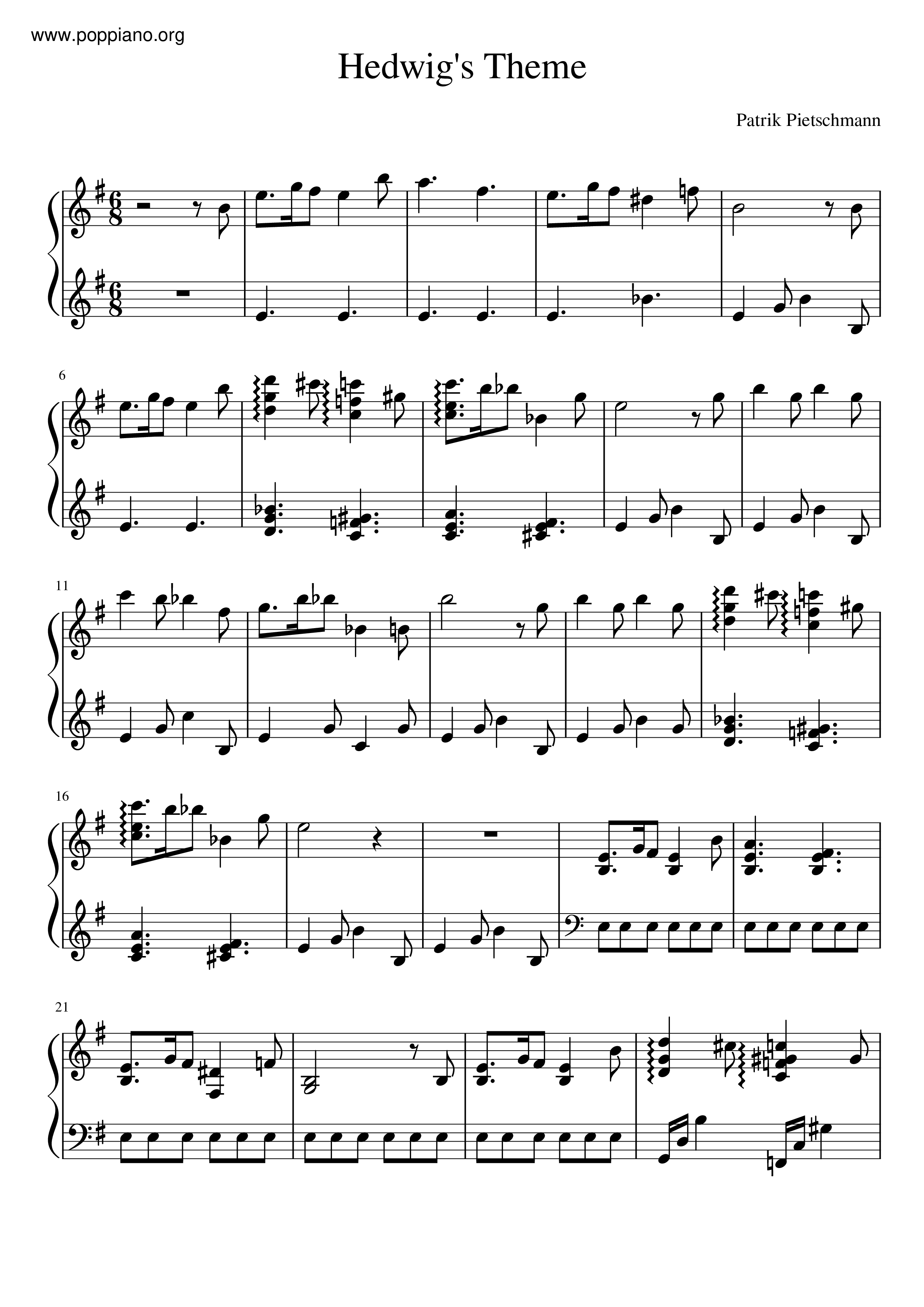
Playing the Harry Potter theme, formally known as "Hedwig’s Theme," on the piano is a rewarding milestone for musicians ranging from early beginners to advanced players. Composed by John Williams for the 2001 film Harry Potter and the Sorcerer’s Stone, the piece relies on a distinct, ethereal melody in the key of E minor, utilizing a combination of rising arpeggios and chromatic shifts that capture the magical atmosphere of the series.
Contents
Understanding the Musical Foundation
Before placing your fingers on the keys, it is essential to understand the structure of the piece. "Hedwig’s Theme" is written in a 3/4 time signature, often called a waltz time, which provides the flowing, lilt-like quality heard in the movie soundtrack. The melody is centered around the E minor scale, but it makes frequent use of "blue notes" and chromaticism—notes outside the standard scale—to create that signature sense of mystery.
For beginners, the most important aspect of the theme is the opening motif. This three-note sequence—B, E, G—forms the backbone of the song. As you advance, you will find that the difficulty lies not in the notes themselves, but in the articulation and the transition between octaves.
Step-by-Step Breakdown for Beginners
To begin playing the theme, you should focus on the right-hand melody. The following sequence represents the primary notes of the main theme in the key of E minor:
- The Opening Motif: Start with a middle B, followed by E, then G. These notes should be played with a legato touch, meaning they connect smoothly without gaps.
- The Rise: Move to an F natural, then back to E, then down to a lower B. This movement introduces the slightly dissonant, magical tension characteristic of the score.
- The Resolution: Return to the A note, then the F natural again, before resolving back to the E.
Once you are comfortable with the melody, the left hand should be introduced to provide harmonic support. The left hand typically plays long, sustained chords that establish the E minor tonality. Playing a simple E minor chord (E-G-B) on the first beat of each measure is sufficient for a basic arrangement.
Technical Challenges and Troubleshooting
Even experienced players encounter obstacles when learning this piece. The most common error involves the transition between the third and fourth measures. Many students rush the tempo; because the theme is meant to sound mysterious and "wandering," it is often better to play it slightly slower than the original film tempo until you have mastered the fingerings.
- Finger Independence: Because the theme requires rapid movement across the keyboard, you must ensure your fingers are arched. Flat fingers lead to "ghost notes," where you accidentally strike two keys at once.
- The Chromatic Shift: The transition between E and F natural can feel awkward. Practice shifting your thumb under your fingers to maintain a smooth flow without having to reset your hand position mid-phrase.
- Dynamics: This piece is all about texture. Begin softly (piano), crescendo as you hit the higher notes, and decrescendo as the phrase resolves. This dynamic contrast is what makes the theme sound "magical" rather than robotic.
Comparing Difficulty Levels
The version of the sheet music you choose will significantly impact your learning experience. Piano arrangements are typically categorized by complexity.
| Difficulty Level | Focus Area | Recommended For |
|---|---|---|
| Beginner | Single-note melody with blocked chords | Those with < 1 year of experience |
| Intermediate | Melody with arpeggiated left-hand patterns | Students comfortable with 2-octave scales |
| Advanced | Full orchestral transcription with octaves | Experienced pianists focused on nuance |
If you are a self-taught player, look for "Easy Piano" arrangements that omit the complex syncopation found in the full orchestral score. These versions translate the orchestral parts into simplified patterns that are much more manageable for a single performer.
Necessary Prerequisites
To successfully perform "Hedwig’s Theme," you do not need to be a concert pianist, but you should have a basic grasp of the following:
- Scale Familiarity: Being able to play the E minor scale comfortably will help you recognize the "home base" of the piece.
- Hand Coordination: Since the right hand carries the melody and the left hand provides the rhythm, practicing "hands separate" is mandatory. Do not attempt to put the hands together until you can play each part flawlessly on its own.
- Sheet Music Literacy: While YouTube tutorials are popular, learning from official sheet music allows you to understand the phrasing marks, such as slurs and staccatos, which are essential for the theme's correct performance.
Practical Practice Routine
Dedicate at least 20 minutes a day to the theme. Start with five minutes of scales in E minor to warm up your hands. Spend the next ten minutes working on a specific four-measure section, playing it slowly with a metronome. If you stumble, slow the metronome down by 10 BPM (beats per minute) until you can play it perfectly three times in a row. Spend the final five minutes reviewing what you learned the previous day to ensure muscle memory is setting in.
Frequently Asked Questions
What is the best way to practice the speed of the theme? Speed should be the final element you add. Use a metronome to gradually increase your tempo. Start at a speed where you can play without hesitation, even if it feels unnaturally slow, and increase by small increments once you achieve total accuracy.
Do I need a weighted-key piano to play this? While you can play the notes on any keyboard, a weighted-key instrument is highly recommended. It allows for the dynamic control necessary to make the melody "sing." Without weighted keys, it is difficult to differentiate between soft and loud notes, which flattens the emotional impact of the piece.
Are there specific fingerings I should use? Fingerings depend on your hand size, but generally, you should avoid "scrunching" your hand. Use your thumb (1) and pinky (5) to anchor your position, and utilize the middle fingers (2, 3, 4) to navigate the notes in between. Avoid moving your entire hand unless the notation requires a jump.
Why is my playing of the theme sounding "choppy"? "Choppiness" usually results from lifting your fingers too high off the keys or not holding the notes for their full duration. Focus on the sustain pedal (the right pedal). If used correctly, it helps bridge the gap between notes, but do not rely on it to hide poor fingering technique.
Recommendation for Success
For the most accurate result, purchase an authorized piano solo book of the Harry Potter soundtracks. Many online free versions of the notes contain inaccuracies or simplified rhythms that miss the essential character of John Williams’ composition. Once you have the official sheet music, begin by isolating the melody in the right hand. Only when you can play the melody from memory should you begin to incorporate the left-hand chords. Accuracy in rhythm and touch will serve you better than raw speed when performing this iconic piece.
Image Gallery