The Legacy of Chuck Willis and His Masterpiece "What Am I Living For"
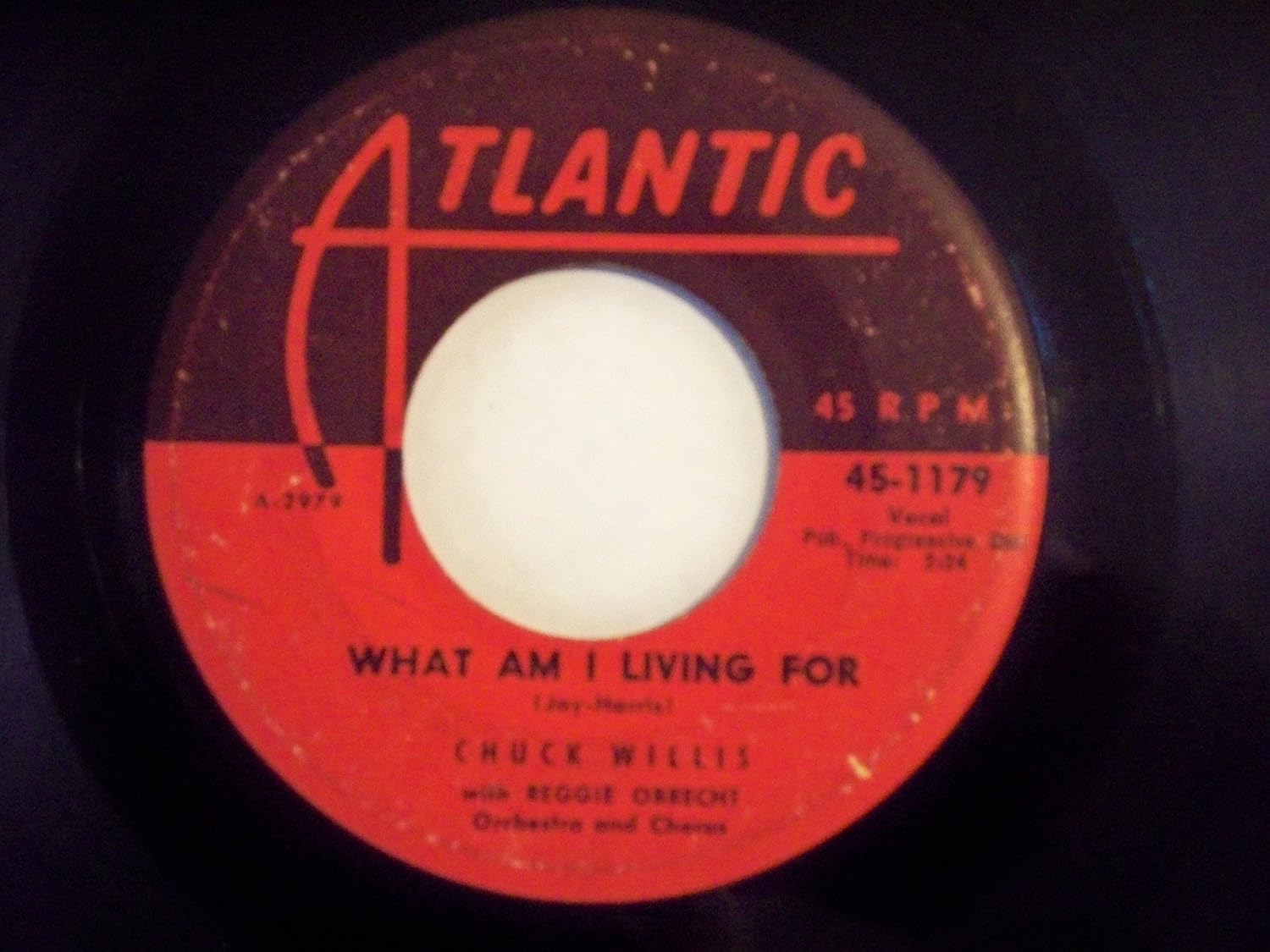
"What Am I Living For" is the definitive hit by American R&B singer Chuck Willis, released in March 1958 on Atlantic Records. A cornerstone of the late 1950s transition from rhythm and blues to rock and roll, the song reached #1 on the...
"What Am I Living For" is the definitive hit by American R&B singer Chuck Willis, released in March 1958 on Atlantic Records. A cornerstone of the late 1950s transition from rhythm and blues to rock and roll, the song reached #1 on the Billboard R&B chart and #9 on the Hot 100, remaining a haunting hallmark of Willis's career due to his untimely death shortly after its release.
Contents
The Genesis of an R&B Classic
As we look back from the vantage point of 2026, "What Am I Living For" remains a masterclass in emotional delivery and mid-century production. Written by Fred Jay and Art Harris, the song was perfectly tailored for Willis’s unique vocal style—a blend of sophisticated blues phrasing and the burgeoning "mainstream" pop sensibility that Atlantic Records was pioneering at the time.
Chuck Willis, often referred to as "The Sheik of Shake" or "The King of the Stroll," was already an established star when he entered the studio to record this track. By 1958, the music industry was undergoing a seismic shift. The raw energy of early rock and roll was beginning to merge with more polished arrangements, and Willis was at the forefront of this evolution. "What Am I Living For" represented a departure from his more dance-oriented hits like "C.C. Rider," leaning instead into a soulful balladry that would eventually pave the way for the soul music of the 1960s.
The recording session took place at Atlantic Studios in New York City, a location that has since become hallowed ground for music historians. Under the guidance of legendary producers Jerry Wexler and Ahmet Ertegun, the track was imbued with a warmth and clarity that allowed Willis’s voice to sit front and center. The instrumentation—characterized by a steady, rhythmic pulse and subtle saxophone fills—created an atmosphere that felt both intimate and expansive.
The Prophetic Nature of Willis’s Final Recordings
The historical significance of "What Am I Living For" is inextricably linked to the tragic circumstances surrounding Chuck Willis's death. In early 1958, Willis was suffering from chronic stomach ulcers, a condition that he largely kept private while maintaining a rigorous touring and recording schedule.
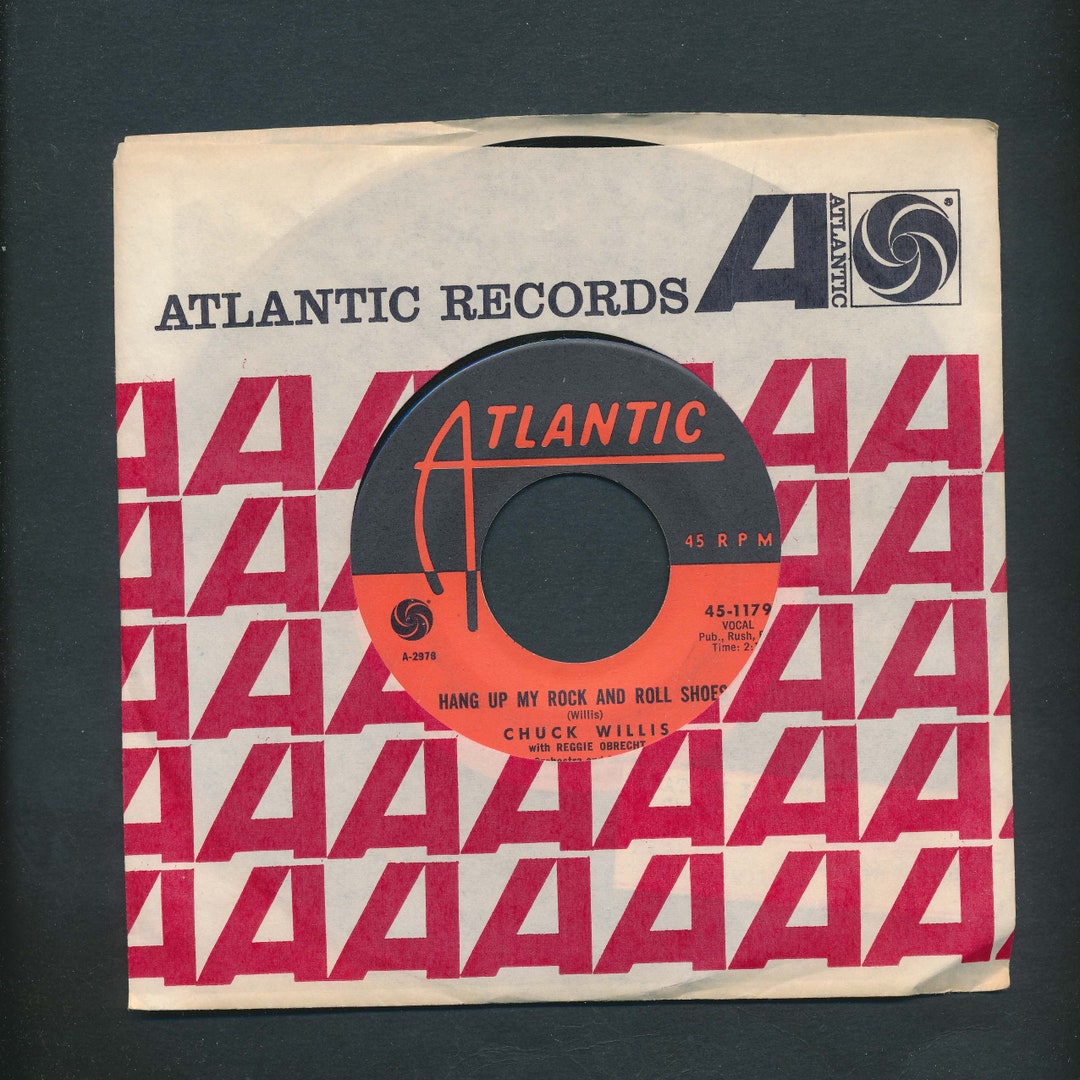
On April 10, 1958, just as "What Am I Living For" and its B-side, "Hang Up My Rock and Roll Shoes," were climbing the national charts, Willis died of peritonitis following surgery in Chicago. He was only 30 years old. The dual success of these two songs created a haunting narrative in the public consciousness: one song asked the fundamental question of existence, while the other suggested a final departure from the stage.
This "prophetic" element has long been a subject of discussion among musicologists. While the songs were not written by Willis himself, his choice to record them at that specific juncture in his life suggests a performer who was perhaps grappling with his own mortality. In the context of 2026, where we often analyze the "mythology" of rock stars who died young, Willis stands as one of the earliest examples of a talent taken at the peak of his creative and commercial powers.
Musical Composition and Lyrical Depth
The enduring power of "What Am I Living For" lies in its simplicity. The lyrics revolve around a central theme of devotion and the search for purpose:
"What am I living for, if not for you? / What am I longing for, each night through?"
This straightforward sentiment was delivered by Willis with a vulnerability that was rare for male R&B singers of the era. His voice possessed a "cry" that resonated with listeners across racial and social boundaries.
Harmonic Structure and Arrangement
The song follows a standard AABA structure, typical of the era's ballads, but it is the rhythmic foundation that sets it apart. While it is a slow ballad, it retains a triplet-heavy 12/8 time signature that gives it a subtle "stroll" feel—a dance style that Willis had helped popularize. This rhythmic choice ensured that the song could be played in both romantic settings and on the dance floor, maximizing its reach.
The production by Wexler and Ertegun utilized a "head arrangement" style, where musicians would often improvise their parts based on a basic melody. The result was a track that felt organic and lived-in. The backing vocals, provided by a group that included members of the Cookie and her Cupcakes or similar session regulars, added a gospel-tinged depth that complemented Willis’s lead.
Commercial Success and Chart Performance
Upon its release, "What Am I Living For" was an immediate success. It bridged the gap between what were then called "race records" and the mainstream pop charts. This "crossover" appeal was essential for the growth of Atlantic Records and the broader acceptance of African American artists in the late 1950s.
| Chart (1958) | Peak Position | Weeks on Chart |
|---|---|---|
| Billboard R&B Singles | 1 | 18 |
| Billboard Hot 100 | 9 | 16 |
| Cash Box Top 100 | 7 | 15 |
| UK Singles Chart | 24 | 6 |
The song’s longevity was aided by its B-side, "Hang Up My Rock and Roll Shoes," which also became a significant hit. In the 1950s, the "two-sided hit" was a mark of a truly dominant artist. While "What Am I Living For" appealed to the ballad-loving crowd, the B-side appealed to the rock and roll youth, ensuring that Willis’s final release saturated the airwaves.
Impact on Later Generations and Cover Versions
The mark of a true classic is its ability to be reinterpreted by subsequent generations. "What Am I Living For" has been covered by dozens of artists across various genres, proving the universal appeal of its melody and message.
- Conway Twitty (1958): Released shortly after Willis's version, Twitty’s cover solidified the song's status in the rockabilly and country-pop spheres.
- The Band (1971): Included on their album Cahoots, this version brought the song to a rock-fusion audience, highlighting the R&B roots of the group's Americana sound.
- Percy Sledge (1967): Sledge’s soulful rendition emphasized the deep blues roots of the composition, connecting it to the "Muscle Shoals" sound of the late 60s.
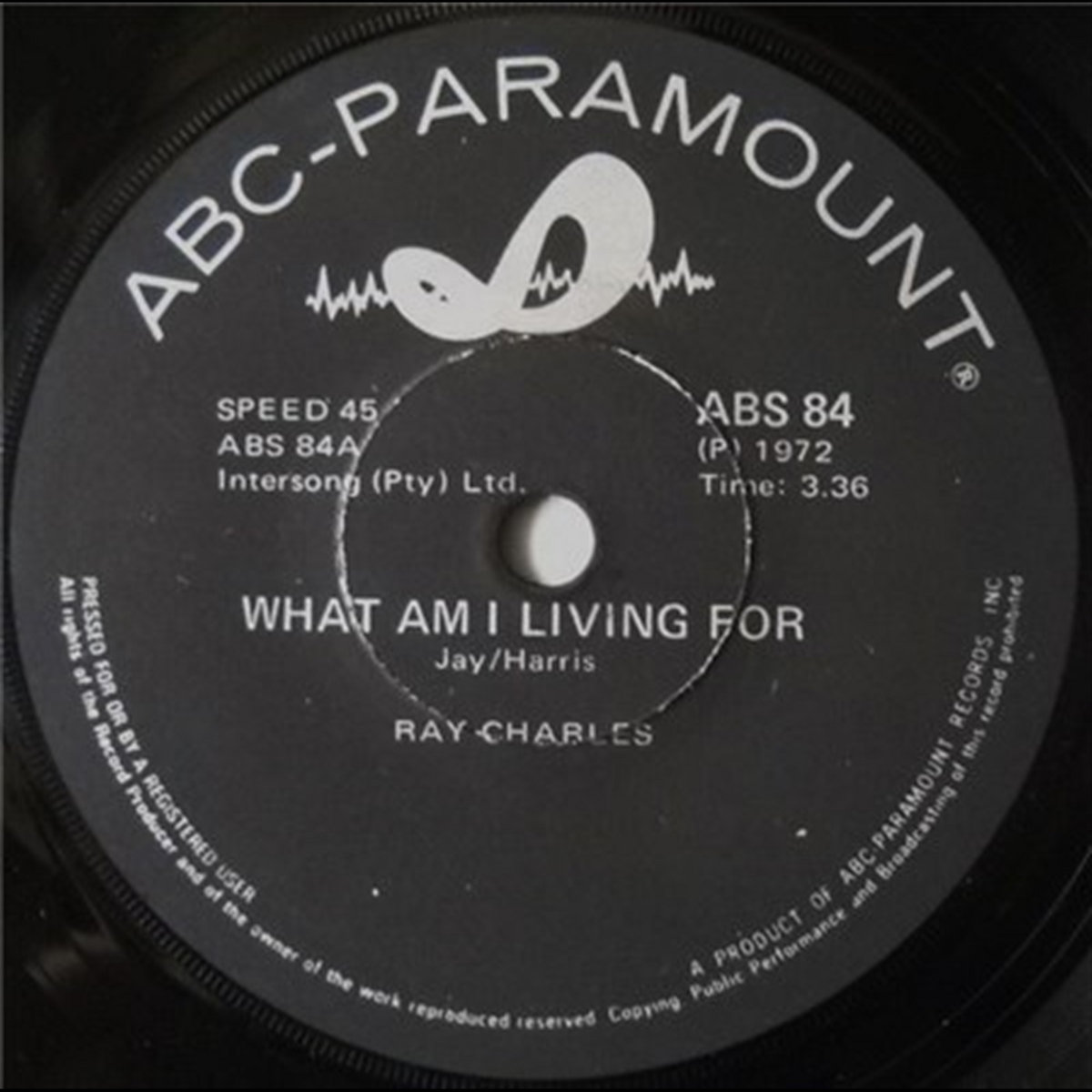
- Ray Charles (1960): Featured on The Genius Sings the Blues, Charles’s version is often cited as one of the most technically proficient, showcasing the song’s sophisticated harmonic potential.
- Van Morrison: A frequent performer of the song in his live sets, Morrison has often cited Willis as a major influence on his vocal phrasing.
In 2026, these covers serve as a roadmap of 20th-century music, showing how a single R&B hit from 1958 could influence country, rock, soul, and blues artists for decades.
Technical Specifications and Production Heritage
For those interested in the technical side of the 1958 recording, the session was captured on state-of-the-art (for the time) Ampex magnetic tape recorders. Atlantic Studios was known for its pioneering use of multi-track recording, though "What Am I Living For" was primarily captured in a way that preserved the "live" feel of the room.
The microphone choice for Willis was typically a Neumann U47, which captured the rich mid-range and subtle nuances of his voice. The reverb heard on the track was achieved through a physical echo chamber located in the Atlantic basement, providing a natural decay that digital plugins in 2026 still strive to emulate.
The Cultural Legacy of the "King of the Stroll"
Chuck Willis’s legacy is often overshadowed by contemporary giants like Sam Cooke or Otis Redding, yet "What Am I Living For" remains a vital piece of the American musical puzzle. Willis was an "artist's artist," admired by his peers for his songwriting (he wrote "It's Too Late" and "Close Your Eyes") as much as his performing.
He brought a sense of fashion and theatricality to R&B, famously wearing turbans on stage—a gimmick that earned him his "Sheik" nickname but also added an air of mystery and exoticism to his persona. Beyond the theatrics, however, was a disciplined musician who understood the mechanics of a hit record.
"What Am I Living For" is the culmination of that understanding. It is a song that transcends its 1958 origins to become a timeless meditation on love and purpose.
Frequently Asked Questions
Who wrote the song "What Am I Living For"?
The song was written by Fred Jay and Art Harris. While Chuck Willis was a prolific songwriter himself, he did not write this particular hit, though his arrangement and vocal delivery are what made it famous.
Was "What Am I Living For" Chuck Willis's last song?
It was part of his final recording session in February 1958. It was released just before his death in April 1958, making it his final major hit during his lifetime (and shortly thereafter).
What genre is the song considered?
It is primarily classified as Rhythm and Blues (R&B), specifically a "slow-drag" or R&B ballad. However, due to its chart success and rhythmic structure, it is also considered an early Rock and Roll classic.
Why is the song called "prophetic"?
It is called prophetic because the lyrics ask "What am I living for?" and the B-side was titled "Hang Up My Rock and Roll Shoes," both of which were released just weeks before Willis's unexpected death at age 30.
What is the "Stroll" mentioned in relation to Chuck Willis?
"The Stroll" was a popular line dance in the late 1950s. Chuck Willis was dubbed the "King of the Stroll" because his music, including "C.C. Rider" and "What Am I Living For," featured the specific 12/8 triplet beat that was perfect for the dance.
Final Recommendation for Listeners
To truly appreciate "What Am I Living For," one should seek out the original Atlantic Records mono recording. While stereo remasters exist, the mono version captures the punch and focused energy intended by Wexler and Ertegun. For collectors, the 1958 45rpm single (Atlantic 1179) remains a prized item of R&B history. As we continue to explore the roots of modern music in 2026, Willis’s work stands as a reminder that the most powerful songs are often those that speak to the simplest human needs: love, belonging, and a reason to keep moving forward.
Image Gallery