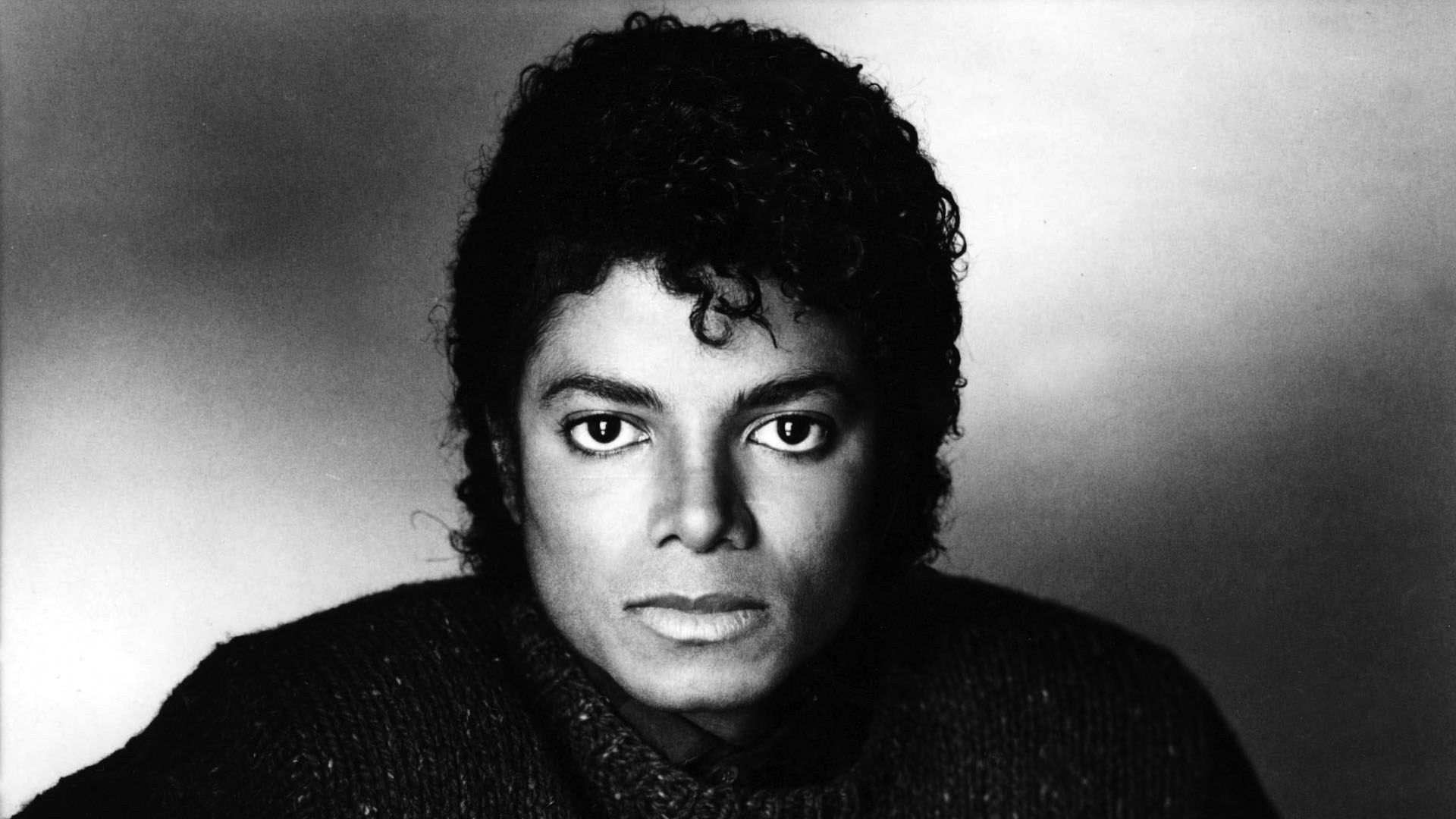
Exploring Michael Jackson’s Younger Days: The Evolution of a Prodigy
Michael Jackson’s younger days were defined by a rigorous transition from a working-class upbringing in Gary, Indiana, to international superstardom as the lead singer of the Jackson 5. His early career, shaped by intensive rehearsals...
Michael Jackson’s younger days were defined by a rigorous transition from a working-class upbringing in Gary, Indiana, to international superstardom as the lead singer of the Jackson 5. His early career, shaped by intensive rehearsals and Motown’s "Charm School" system, established the technical foundation and work ethic that later defined his solo career.
Contents
The Roots in Gary, Indiana (1958–1964)
Michael Joseph Jackson was born on August 29, 1958, the eighth of ten children in a cramped, two-bedroom house on Jackson Street in Gary, Indiana. His father, Joseph Jackson, was a steel mill crane operator with frustrated musical ambitions of his own, while his mother, Katherine, was a devout Jehovah's Witness who fostered a love for country and R&B music within the home.
The "younger days" of Michael Jackson were not typical of a mid-century American child. By the age of five, Michael’s extraordinary vocal range and rhythmic precision were already evident. Joseph Jackson, noticing his sons playing with his guitar, formed the Jackson Brothers in 1964, initially featuring Jackie, Tito, and Jermaine. However, after Michael demonstrated his ability to dance and sing with a maturity that far exceeded his years, he was moved to the front of the group, and the band was renamed the Jackson 5.
Life in Gary was characterized by intense discipline. While other children played in the streets, the Jackson brothers spent hours after school rehearsing in their living room. This period was foundational; Michael often noted in later interviews that his father’s strict—and sometimes abusive—supervision instilled a drive for perfection that remained with him for the rest of his life.
The Rise of the Jackson 5 and the Motown Era
The Jackson 5 began their professional journey on the "Chitlin' Circuit," performing at small clubs, talent shows, and theaters across the Midwest and East Coast. A pivotal moment occurred in 1967 when the group won the amateur night at the Apollo Theater in Harlem. This victory caught the attention of industry insiders, eventually leading to a recording contract with Steeltown Records, where they released their first single, "Big Boy."
The true catalyst for Michael’s global fame, however, was the group’s signing with Motown Records in 1969. Berry Gordy, the founder of Motown, saw in Michael a "star quality" that was rare even among seasoned veterans. Gordy relocated the family to California and put the boys through an intensive training program that included choreography, media relations, and vocal coaching.
The Jackson 5 made history by becoming the first group to have their first four singles hit number one on the Billboard Hot 100. These songs—"I Want You Back," "ABC," "The Love You Save," and "I'll Be There"—defined the "bubblegum soul" sound of the early 1970s. During these younger days, Michael was the focal point, captivating audiences with his high-tenor vocals and a stage presence modeled after his idols, James Brown and Jackie Wilson.
Analyzing the Early Discography (1969–1975)
While Michael was the face of a group, Motown quickly recognized his potential as a solo act. During his younger years, he balanced duties with his brothers while releasing successful solo albums.
| Album/Single Title | Year | Significance | Peak Chart Position |
|---|---|---|---|
| "I Want You Back" | 1969 | The breakthrough debut single for the Jackson 5. | #1 |
| Got to Be There | 1972 | Michael's debut solo album, proving his individual viability. | #14 (Album) |
| "Ben" | 1972 | A ballad about a rat; won a Golden Globe and earned an Oscar nod. | #1 |
| Music & Me | 1973 | Explored more mature themes as Michael's voice began to change. | #92 (Album) |
| Dancing Machine | 1974 | Introduced the "Robot" dance, a precursor to the moonwalk. | #2 (Single) |
This period was a whirlwind of television appearances, including The Ed Sullivan Show and their own animated Saturday morning cartoon series. However, beneath the polished exterior, Michael was struggling with the loss of his childhood. He often spoke about looking at the park across the street from the recording studio, wishing he could play like the other children.
The Duality of Child Stardom: Pressure and Professionalism
The "younger days" of Michael Jackson provide a case study in the psychological effects of early-onset fame. From 1969 to 1975, Michael was essentially a professional worker. His education was managed by private tutors between recording sessions and concert tours. This isolation from his peers contributed to a lifelong sense of loneliness and a desire to recapture his youth later in life through projects like Neverland Ranch.
Technically, Michael was a sponge during this era. He spent hours backstage at Motown revues, watching artists like Stevie Wonder, Marvin Gaye, and The Supremes. He studied how they engaged with the audience, how they controlled their breathing, and how they used the stage. By the time he reached his late teens, he had more professional experience than most performers twice his age.
The transition of his voice was another critical hurdle. As Michael entered puberty, his soprano-range vocals began to deepen. Unlike many child stars who fade away during this transition, Michael worked with vocal coaches to adapt his style, developing the "hiccup" vocal technique and rhythmic grunts that would become his trademarks in the late 70s and 80s.
Breaking Free: The Move to Epic and "Off the Wall"
By 1975, the Jackson 5 felt stifled by Motown’s refusal to let them write their own material or play their own instruments on records. In a bold move, the group (minus Jermaine) left Motown for Epic Records (a subsidiary of CBS), renaming themselves The Jacksons.
This era marked the end of Michael’s "younger days" as a child prodigy and the beginning of his emergence as a visionary adult artist. During the filming of The Wiz in 1977, where he played the Scarecrow, Michael met producer Quincy Jones. This partnership became the most influential of his career.
In 1979, Michael released Off the Wall. While he was only 21, the album represented the culmination of fifteen years of professional experience. It was a sophisticated blend of disco, pop, and R&B that signaled he was no longer "Little Michael." The album spawned four Top 10 hits and set the stage for the unprecedented success of Thriller in 1982.
Frequently Asked Questions
How old was Michael Jackson when he joined the Jackson 5?
Michael officially joined his brothers' musical group in 1964 at the age of five. Initially, he played the congas and was a backup dancer, but he quickly became the lead singer and the focal point of the group due to his exceptional talent and stage presence.
Did Michael Jackson write his own songs during his younger days?
During the Motown era (1969–1975), Michael and his brothers had very little creative control. Most of their hits were written and produced by "The Corporation," a team of songwriters and producers assembled by Berry Gordy. It wasn't until the group moved to Epic Records in the mid-1970s that Michael began writing and producing his own material, starting with tracks like "Shake Your Body (Down to the Ground)."
Who was Michael Jackson’s biggest influence as a young performer?
Michael frequently cited James Brown as his primary influence. He would watch Brown’s performances intensely, mimicking his footwork and showmanship. Other significant influences included Jackie Wilson, Sammy Davis Jr., and the intricate choreography of Fred Astaire and Gene Kelly.
How did Joe Jackson influence Michael's early career?
Joseph Jackson was the architect of the Jackson 5. He acted as their manager, booking agent, and coach. While his disciplined approach is credited with the group's professional polish and success, Michael later spoke openly about the physical and emotional abuse he suffered under his father’s strict regime during his younger years.
What was Michael Jackson’s first solo number-one hit?
Michael’s first solo number-one single was "Ben," released in 1972. The song was the theme for a film of the same name. At the age of 14, this success proved that Michael had the star power to sustain a career independent of his brothers.
Recommendation for Further Exploration
To truly understand the technical precision of Michael Jackson’s younger days, researchers and fans should view the Jackson 5’s 1968 Motown audition tape and their 1969 debut on The Ed Sullivan Show. These performances capture the raw talent before it was fully shaped by the Motown machine. For a deeper historical context, visiting the Motown Museum (Hitsville U.S.A.) in Detroit provides an immersive look at the environment where Michael honed his craft. Examining his early solo work on the Got to Be There and Ben albums reveals the early development of his emotive vocal style that would later captivate the world.
Image Gallery