Why Spring Training in Florida Feels Different for Fans
Spring training in Florida, known as the Grapefruit League, offers fans a distinct experience defined by its deep historical roots, tropical atmosphere, and geographical diversity. Unlike the condensed Arizona layout, Florida provides...
Spring training in Florida, known as the Grapefruit League, offers fans a distinct experience defined by its deep historical roots, tropical atmosphere, and geographical diversity. Unlike the condensed Arizona layout, Florida provides a classic "road trip" environment where baseball heritage meets coastal leisure, offering an intimate, nostalgic connection between the players and the spectators.
Contents
The Geographical Tapestry of the Grapefruit League
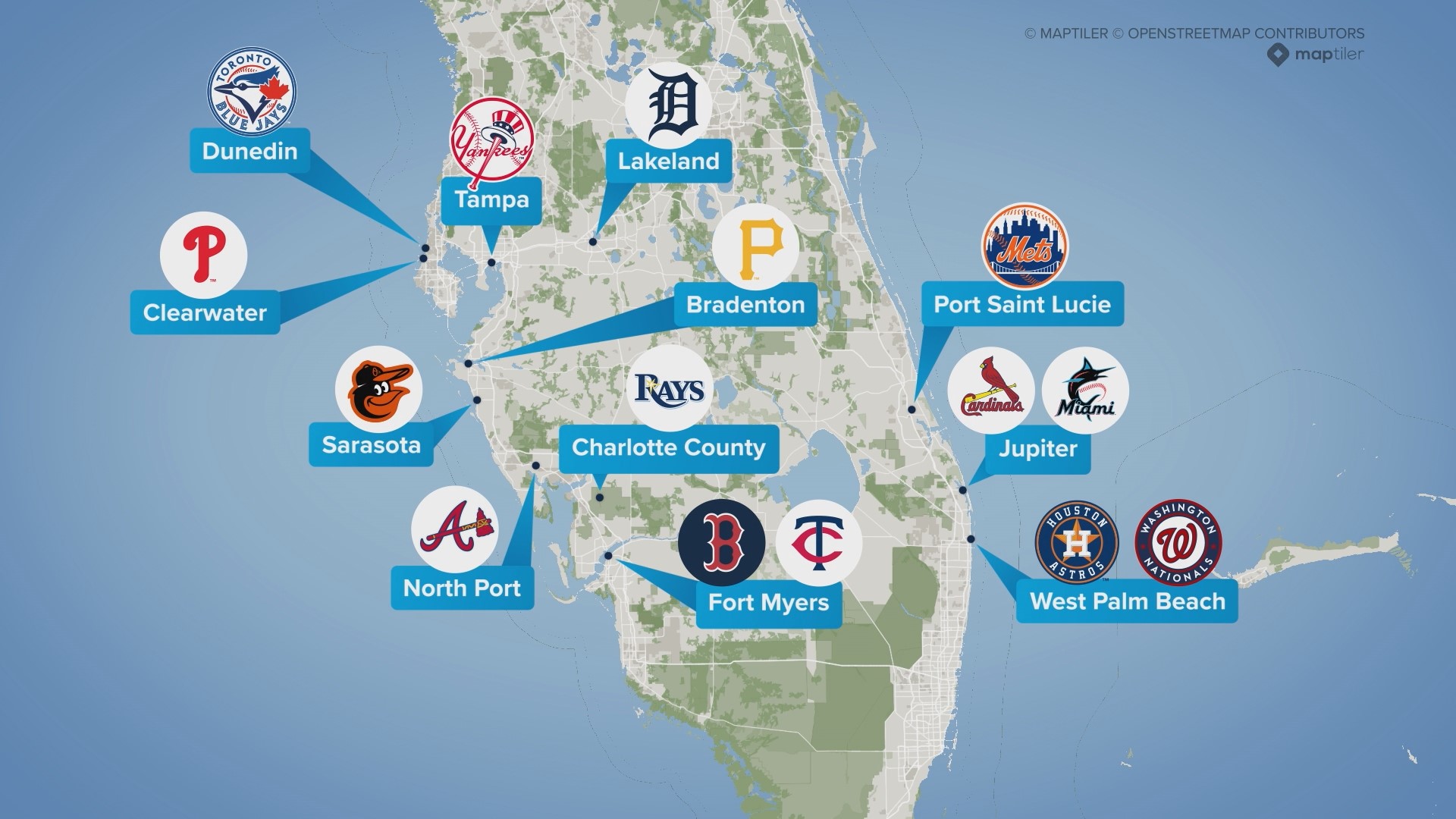
One of the primary reasons Florida feels different for fans is the sheer scale and variety of its geography. While the Cactus League in Arizona is clustered tightly around the Phoenix metropolitan area, the Grapefruit League is spread across the Florida peninsula. Teams are situated from the Atlantic Coast to the Gulf Coast, spanning from the Tampa Bay area down to Fort Myers and across to West Palm Beach.
For the fan, this means a spring training trip in Florida is rarely stationary. It is inherently a "baseball pilgrimage." Traveling between stadiums often involves driving through orange groves, crossing expansive coastal bridges, and visiting distinct Florida subcultures. A fan might start their week in the bustling, historic atmosphere of Tampa, watch a game in the quaint, coastal town of Dunedin, and end their trip in the high-end, modern facilities of West Palm Beach or the lush, tropical surroundings of Fort Myers.
This geographical spread changes the pace of the vacation. In Arizona, you can stay in one hotel and reach every stadium within 45 minutes. In Florida, the distances require more planning, but they reward the fan with a richer travel experience. The drive from the Detroit Tigers’ home in Lakeland to the Boston Red Sox facility in Fort Myers takes you through the heart of Florida’s agricultural interior, providing a sense of place that a standard suburban stadium cannot replicate.
A Century of Tradition and Historical Resonance
Florida has been the home of spring training for over 100 years, with the first teams arriving in the late 19th century. This longevity creates a sense of "sacred ground" that fans feel the moment they enter older parks. While many modern stadiums have been built or renovated, the ghost of baseball past is omnipresent in Florida.
Places like LECOM Park in Bradenton (the spring home of the Pittsburgh Pirates) have been in use since 1923. Walking through its gates feels like stepping back into the Golden Age of baseball. The proximity of the stands to the field, the classic Spanish-style architecture, and the absence of massive, distracting video boards in some of the older venues keep the focus entirely on the game.
Even the naming of the league itself—the Grapefruit League—carries a legendary status. According to baseball lore, the name originated in 1915 when player Casey Stengel dropped a grapefruit from an airplane to a manager waiting below as a prank. This lighthearted, storied history permeates the fan experience. Fans aren't just watching a 2026 exhibition game; they are participating in a ritual that has hosted icons like Babe Ruth, Ted Williams, and Jackie Robinson.
The "Backfield" Experience and Player Intimacy
In Florida, the "feeling" of the game is significantly more intimate than during the regular season. This is most evident in the access to the practice fields, often referred to as the backfields. Because Florida complexes are often sprawling, fans can frequently wander onto the practice grounds early in the morning to watch pitchers throw bullpens or infielders take ground balls from just a few feet away.
The barrier between the professional athlete and the fan is thinner here. In the 2026 season, as player valuations and stadium security continue to rise, the Grapefruit League remains one of the few places where a young fan can still lean over a fence and have a brief conversation with a starting pitcher or catch a glimpse of a top prospect working on a new breaking ball.
The atmosphere is relaxed. Managers often chat with fans near the dugouts, and the lack of a "pennant race" pressure allows the players to engage more freely. This accessibility creates a personal bond with the team that carries over into the regular season. Fans feel they have witnessed the "work" behind the game, not just the finished product.
Comparing the Fan Environments: Florida vs. Arizona
To understand why Florida feels different, it is helpful to compare the specific logistical and environmental factors that define the Grapefruit League against its Western counterpart.
| Feature | Grapefruit League (Florida) | Cactus League (Arizona) |
|---|---|---|
| Geography | Spread across the state (Coast-to-Coast) | Concentrated in the Phoenix Metro area |
| Stadium Vibes | Historic, coastal, Spanish-influenced | Modern, desert-themed, uniform |
| Weather | Humid, tropical, prone to afternoon rain | Dry, hot, consistent sunshine |
| Travel Style | Multi-city road trip | Single-hub stay |
| Primary Scenery | Beaches, palms, and orange groves | Mountains, saguaros, and desert vistas |
| Average Capacity | 7,000 – 11,000 seats | 10,000 – 15,000 seats |
The Integration of Baseball and Coastal Leisure
For many fans, the Grapefruit League is inseparable from the Florida vacation lifestyle. The games are usually scheduled for 1:00 PM, allowing for a "beach in the morning, baseball in the afternoon" itinerary.
Each stadium has its own local flavor that integrates with the surroundings:
- Spectrum Field (Clearwater): Home to the Phillies, this park features a popular tiki bar in left field, embodying the Gulf Coast beach vibe.
- TD Ballpark (Dunedin): The Blue Jays’ facility is integrated into the town’s walkable downtown, allowing fans to stroll from local breweries directly to the stadium.
- Roger Dean Chevrolet Stadium (Jupiter): Shared by the Cardinals and Marlins, this park is located in a planned community where fans can walk to high-end dining and shopping immediately after the final out.
This integration makes the baseball feel less like a disconnected event and more like a centerpiece of the community. The smell of salt air often mixes with the scent of ballpark franks, and the presence of "Snowbirds"—residents who move south for the winter—gives the stands a local, communal feel despite the fans coming from all over the country.
Weather and the "Rain Delay" Culture
The Florida climate is a major factor in why the experience feels different. Unlike the predictable, dry heat of Arizona, Florida’s spring weather is dynamic. Fans must contend with humidity and the occasional tropical downpour. While a rain delay might seem like a nuisance, in the context of spring training, it often becomes a social event.
When the tarp comes out, fans don't rush for the exits. Instead, they congregate in the concourses or the stadium bars. These pauses in the action often lead to the best interactions between fans of opposing teams. There is a shared understanding that you are on "Florida time," where the pace is slower and the outcome of the game is secondary to the enjoyment of the afternoon.
Logistics and Planning for the 2026 Season
For fans planning to attend games in 2026, understanding the layout is crucial for a successful trip. Because of the distances involved, it is recommended to focus on one of three "clusters" to minimize driving time:
- The Tampa Bay Cluster: Includes the Yankees (Tampa), Phillies (Clearwater), Blue Jays (Dunedin), Tigers (Lakeland), and Pirates (Bradenton).
- The Fort Myers Cluster: Includes the Red Sox and Twins (Fort Myers), and the Rays (Port Charlotte/North Port).
- The Atlantic Cluster: Includes the Cardinals and Marlins (Jupiter), and the Astros and Nationals (West Palm Beach).
Tickets for the 2026 season typically go on sale in late 2025. It is important to note that certain matchups, such as the Yankees vs. Red Sox or Phillies vs. Mets, will sell out almost instantly due to the high density of Northeast transplants living in Florida. Official schedules and ticket information can be found via the MLB Grapefruit League official site.
Frequently Asked Questions
Which Florida stadium is considered the best for fans?
While subjective, LECOM Park in Bradenton is frequently cited for its historical charm, while JetBlue Park in Fort Myers is a favorite for its "Fenway South" design, featuring its own Green Monster. For modern amenities, the CoolToday Park in North Port (Braves) offers state-of-the-art fan zones.
Is it easy to get autographs during Florida spring training?
Yes, Florida is generally considered superior for autographs due to the accessibility of the practice fields. Fans who arrive early (9:00 AM – 10:30 AM) at the complex backfields have the best chance of interacting with players as they move between drills.
How does the weather in 2026 affect the games?
March in Florida typically sees temperatures between 70°F and 82°F. While humidity is lower than in the summer, afternoon thundershowers are common. Most stadiums have limited shade, so fans are encouraged to book seats on the stadium's "shade side" (usually the third-base side for afternoon games) to avoid direct sun.
Do I need to rent a car for a Grapefruit League trip?
Unlike the Cactus League, where ride-sharing is highly feasible, a rental car is almost a necessity in Florida. The distance between clusters and the lack of comprehensive inter-city public transit make driving the most efficient way to see multiple teams.
Are spring training games in Florida cheaper than regular season games?
Generally, yes. While "premium" matchups (like the Yankees or Dodgers) can command higher prices, many Grapefruit League tickets range from $15 for berm seating to $45 for box seats. However, travel and lodging costs in Florida during March are often at their peak due to Spring Break and peak tourism season.
Practical Recommendation for Fans
If you are visiting the Grapefruit League in 2026, the best way to experience the "different" feel of Florida is to avoid the major stadiums for at least one game. While seeing the Yankees at George M. Steinbrenner Field is impressive, the true heart of Florida spring training lies in the smaller, older parks like LECOM Park or the cozy confines of Dunedin. Spend a morning on the backfields of a minor league complex, where the sound of the ball hitting the mitt echoes without the roar of a crowd. This proximity to the raw elements of the sport is what makes Florida a perennial favorite for the baseball purist.
Image Gallery