Comprehensive Donald Trump Timeline in American Politics
The political timeline of Donald Trump represents one of the most significant shifts in American governance, moving from his 2015 campaign announcement to his service as the 45th and 47th President of the United States. This progressio...
The political timeline of Donald Trump represents one of the most significant shifts in American governance, moving from his 2015 campaign announcement to his service as the 45th and 47th President of the United States. This progression includes era-defining judicial appointments, major tax reforms, two impeachments, and a historic 2024 return to power.
Contents
The Formative Years and Early Political Flirtations (1987–2012)
Before becoming a fixture of the Republican Party, Donald Trump spent decades as a high-profile real estate developer and media personality with shifting political leanings. His first serious foray into the political consciousness occurred in 1987, when he took out full-page advertisements in major newspapers criticizing U.S. foreign policy and trade deficits. This established a nationalist economic theme that would remain central to his platform for the next forty years.
In 1999, Trump changed his party affiliation to the Reform Party and briefly explored a presidential bid for the 2000 election. During this period, his policy positions were more eclectic, including proposals for a one-time wealth tax to pay off the national debt. He ultimately withdrew from the race, citing the Reform Party’s internal dysfunction.
By the late 2000s, Trump’s political identity began to align more closely with the Republican base. He became a prominent critic of the Obama administration, most notably through his public questioning of President Barack Obama’s birth certificate. While controversial, this "birther" movement galvanized a segment of the electorate and significantly increased his influence within conservative media circles, setting the stage for his eventual 2015 entry into the race.
The 2016 Campaign: A Populist Paradigm Shift
On June 16, 2015, Donald Trump officially announced his candidacy for President of the United States at Trump Tower in New York City. Initially viewed as a long shot by the political establishment, his campaign focused on themes of economic protectionism, strict immigration enforcement, and a "drain the swamp" approach to Washington bureaucracy. His "Make America Great Again" (MAGA) slogan became the rallying cry for a populist movement that transcended traditional party lines.
Throughout the 2016 Republican primaries, Trump defeated a field of 16 other candidates, including seasoned governors and senators. His ability to command media attention and his use of social media to bypass traditional gatekeepers fundamentally changed political campaigning. In July 2016, he officially secured the Republican nomination at the Republican National Convention in Cleveland, Ohio, with Mike Pence, then-Governor of Indiana, as his running mate.
The general election against Democratic nominee Hillary Clinton was one of the most polarized in American history. Despite trailing in most national polls, Trump’s strategy focused on the "Blue Wall" states of the Upper Midwest—Michigan, Wisconsin, and Pennsylvania. On November 8, 2016, he won the Electoral College with 304 votes, despite losing the popular vote, marking a historic upset that reshaped the American political map.
The 45th Presidency: First Term Milestones (2017–2021)
Donald Trump was inaugurated as the 45th President on January 20, 2017. His first term was characterized by a rapid-fire series of executive orders and legislative efforts aimed at deregulation and judicial restructuring. One of the most significant legislative achievements of this era was the Tax Cuts and Jobs Act of 2017, which significantly lowered corporate tax rates and individual income tax brackets.
In foreign policy, the Trump administration pursued an "America First" agenda. This included withdrawing from the Trans-Pacific Partnership (TPP), the Paris Agreement on climate change, and the Iran Nuclear Deal (JCPOA). Conversely, the administration brokered the Abraham Accords in 2020, which normalized relations between Israel and several Arab nations, including the United Arab Emirates and Bahrain, representing a major shift in Middle Eastern diplomacy.
Perhaps the most lasting impact of the first term was the appointment of three Supreme Court justices: Neil Gorsuch (2017), Brett Kavanaugh (2018), and Amy Coney Barrett (2020). These appointments created a solid 6-3 conservative majority on the Court, leading to landmark decisions in subsequent years regarding reproductive rights, administrative law, and environmental regulations.
Impeachments and the 2020 Election Cycle
The latter half of Trump's first term was marked by intense legal and legislative scrutiny. In December 2019, the House of Representatives impeached President Trump for abuse of power and obstruction of Congress, stemming from a phone call with Ukrainian President Volodymyr Zelenskyy. He was acquitted by the Senate in February 2020.
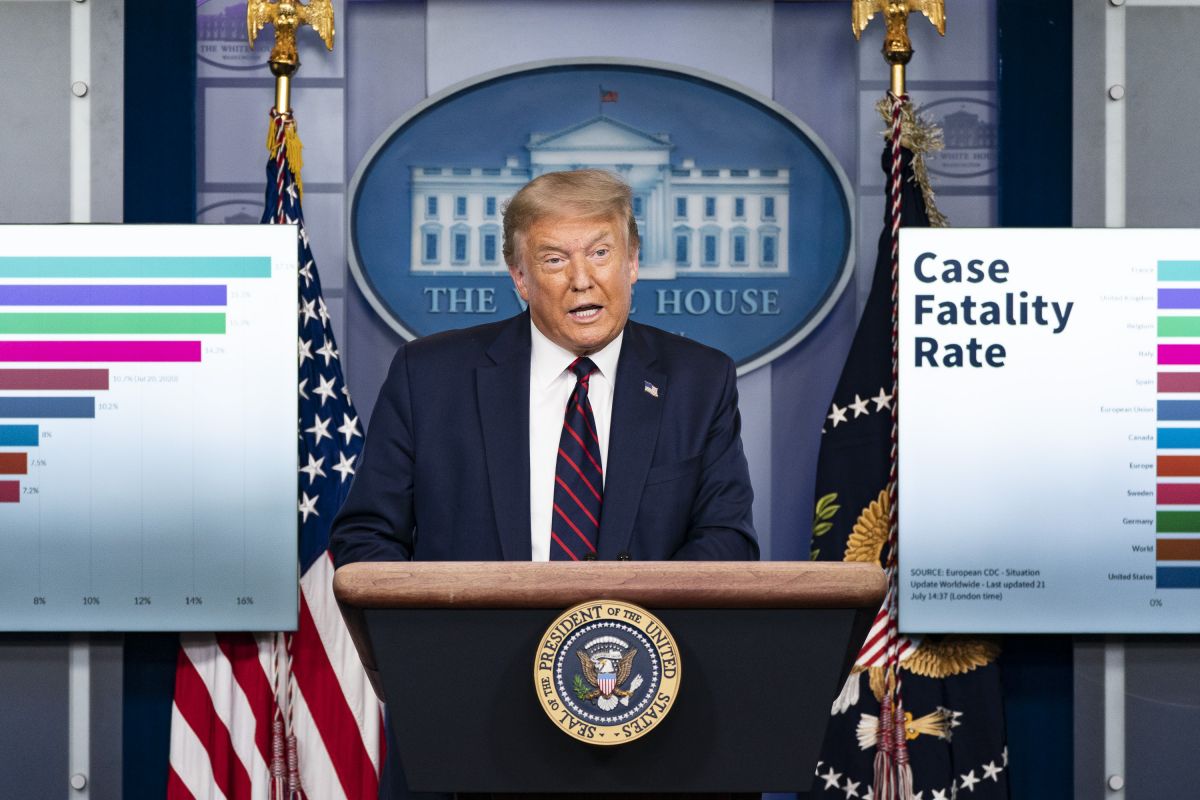
The 2020 election occurred against the backdrop of the global COVID-19 pandemic. The administration’s response, including "Operation Warp Speed" to accelerate vaccine development, became a central point of debate. Trump faced Democratic nominee Joe Biden in a highly contentious election. Following the November 3, 2020, vote, Trump challenged the results in multiple states, citing widespread irregularities, though these claims were largely rejected by state and federal courts.
The period culminated in the events of January 6, 2021, when a mob of supporters entered the U.S. Capitol during the certification of the electoral votes. This led to Trump’s second impeachment by the House for "incitement of insurrection." Although he had already left office by the time of the Senate trial, he was again acquitted, though several Republican senators joined Democrats in voting to convict.
The Interregnum and the Path to 2024
Following his departure from the White House in January 2021, Donald Trump maintained a dominant role in the Republican Party from his Mar-a-Lago estate in Florida. Unlike many former presidents who retreat from the public eye, Trump remained active in endorsing candidates and holding rallies. His influence was solidified as the party's platform continued to reflect his populist and nationalist priorities.
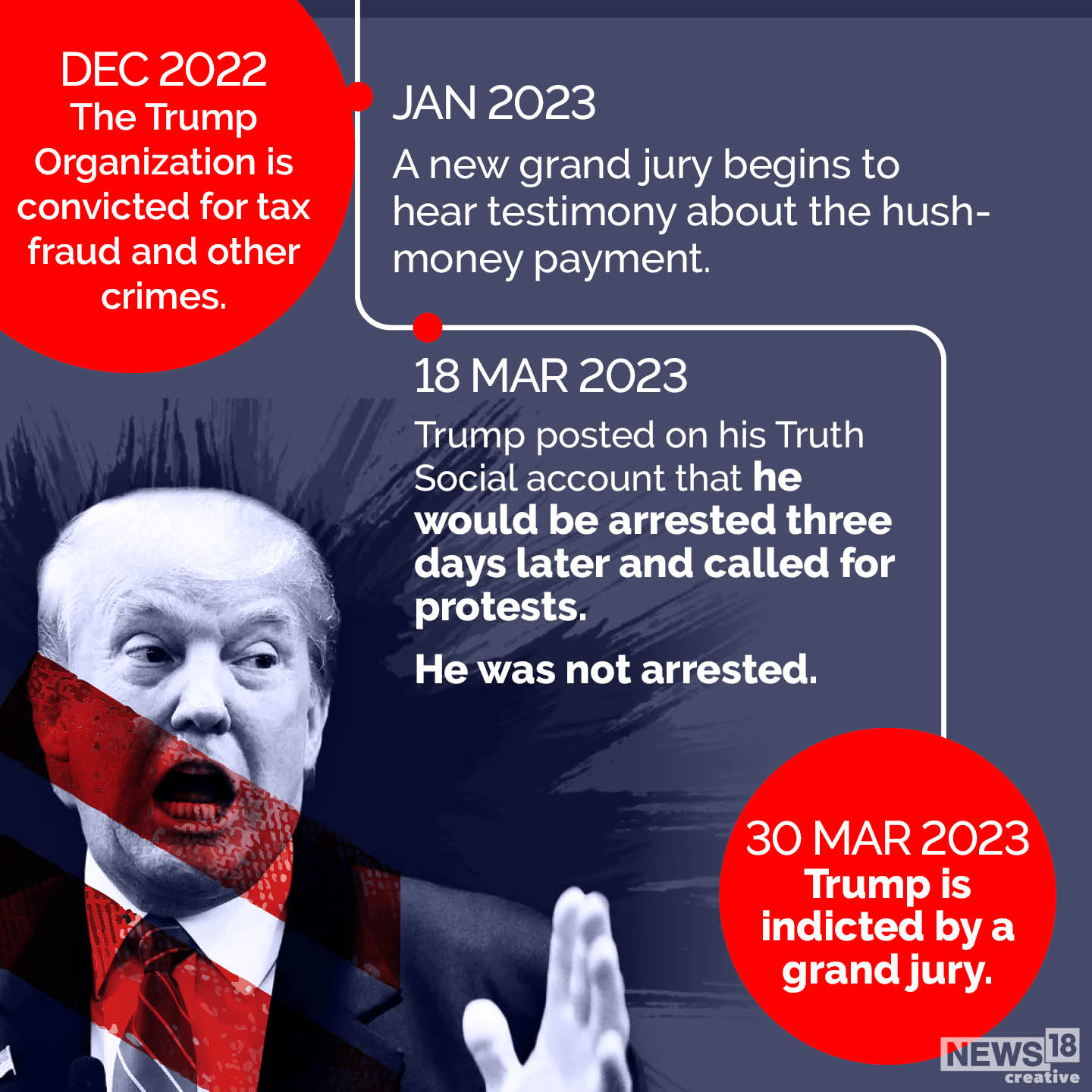
From 2022 through 2024, Trump faced an unprecedented series of legal challenges, including federal indictments related to the handling of classified documents and efforts to overturn the 2020 election, as well as state-level cases in New York and Georgia. Despite these legal hurdles, his support among the Republican base grew stronger, with many supporters viewing the prosecutions as politically motivated.
On November 15, 2022, Trump announced his candidacy for the 2024 presidential election. He dominated the 2024 Republican primaries, securing the nomination early in the cycle after victories in Iowa, New Hampshire, and Super Tuesday states. His campaign focused on "retribution" for perceived political weaponization and a promise to finish the policy goals of his first term, particularly regarding border security and energy independence.
The 2024 Election and the Second Administration (2025–2026)
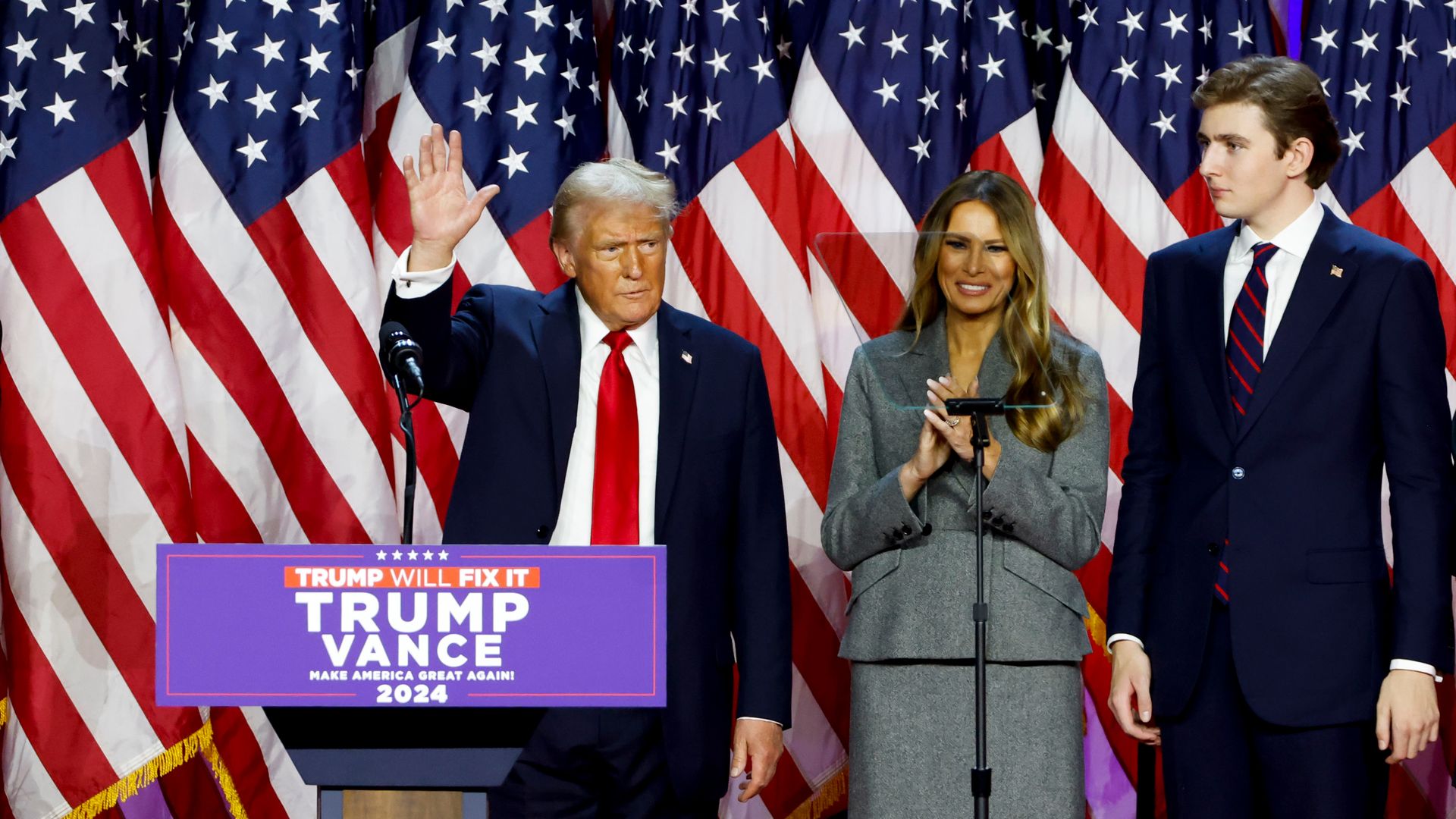
The 2024 general election saw Donald Trump face incumbent Vice President Kamala Harris, who became the Democratic nominee following President Joe Biden’s withdrawal from the race. Trump’s campaign centered on inflation, the "Great Border Invasion," and American manufacturing. In a decisive victory on November 5, 2024, Trump secured both the Electoral College and a significantly higher share of the popular vote than in his previous runs, making him the second president in U.S. history (after Grover Cleveland) to serve non-consecutive terms.
Upon his second inauguration on January 20, 2025, the 47th President moved quickly to implement a "Day One" agenda. This included:
- Border Security: Reinstating "Remain in Mexico" and utilizing emergency powers to accelerate wall construction and mass deportations.
- Economic Policy: Proposing a new round of reciprocal tariffs aimed at reducing trade deficits with China and the European Union.
- Energy Independence: Issuing executive orders to increase domestic oil and gas drilling and rolling back various "Green New Deal" subsidies.
As of 2026, the administration has focused on the "Department of Government Efficiency," a new initiative aimed at drastically reducing the federal workforce and cutting government spending. The political landscape remains deeply divided, but Trump’s ability to maintain a disciplined focus on his core MAGA agenda has solidified his control over the legislative priorities of the Republican-led Congress.
Summary of Key Political Milestones
| Event | Date | Significance |
|---|---|---|
| Campaign Announcement | June 16, 2015 | Launched the MAGA movement and disrupted the GOP establishment. |
| 2016 General Election | November 8, 2016 | Defeated Hillary Clinton; won 304 Electoral College votes. |
| Tax Cuts & Jobs Act | December 22, 2017 | Major legislative overhaul of the U.S. tax code. |
| First Impeachment | December 18, 2019 | Impeached by House; acquitted by Senate (Feb 2020). |
| Abraham Accords | September 15, 2020 | Historic normalization of relations between Israel and Arab states. |
| Second Impeachment | January 13, 2021 | Impeached following the Capitol riot; acquitted by Senate. |
| 2024 Re-election | November 5, 2024 | Won second non-consecutive term as the 47th President. |
| Second Inauguration | January 20, 2025 | Commenced the 47th Presidency with a focus on border and economy. |
Frequently Asked Questions
How many times was Donald Trump impeached?
Donald Trump was impeached twice by the House of Representatives. The first impeachment occurred in 2019 on charges of abuse of power and obstruction of Congress. The second occurred in 2021 on the charge of incitement of insurrection. In both instances, he was acquitted by the Senate, meaning he was never removed from office through the impeachment process.
What are the major judicial legacies of the Trump era?
Trump's primary judicial legacy is the appointment of over 200 federal judges and three Supreme Court justices. This shift moved the federal judiciary toward originalism and textualism. These appointments were instrumental in the 2022 overturning of Roe v. Wade and the narrowing of the "Chevron deference," which reduced the power of federal agencies to interpret laws without explicit congressional authorization.
What was the "America First" foreign policy?
"America First" was a foreign policy doctrine that prioritized U.S. national interests, bilateral trade deals, and reduced involvement in international alliances that the administration deemed lopsided. This led to the renegotiation of NAFTA (replaced by the USMCA), increased pressure on NATO members to meet defense spending quotas, and a more confrontational stance toward China regarding intellectual property and trade imbalances.
How did the 2024 election differ from the 2016 and 2020 elections?
The 2024 election was unique because it featured a former president running to reclaim office after a loss. Unlike 2016, where Trump was a political outsider, or 2020, where he was the incumbent, the 2024 cycle saw him leverage his "shadow incumbency" and a robust legal defense strategy to unify the Republican base. His victory in 2024 also saw significant gains among minority voters, particularly Latino and Black men, compared to his previous two campaigns.
What is the status of the MAGA movement in 2026?
By 2026, the MAGA movement has shifted from a grassroots insurgency to the institutionalized core of the Republican Party. The movement’s focus has expanded from trade and immigration to include a comprehensive overhaul of the federal bureaucracy, often referred to as dismantling the "Administrative State." Its influence is evident in both the executive branch’s policies and the ideological makeup of the current Congress.
Practical Recommendations for Following Political Timelines
For researchers or citizens tracking the evolution of American politics, it is essential to utilize primary sources such as the Federal Register, Congressional Records, and official White House archives. Political timelines are often subject to retrospective framing; therefore, verifying dates and legislative text against official government repositories ensures accuracy. To stay updated on current 2026 administration developments, monitoring the Office of Management and Budget (OMB) for fiscal changes and the Department of State for foreign policy shifts provides the most direct evidence of policy implementation.
Image Gallery