South Philadelphia Fire Today: Understanding Local Incidents, Emergency Response, and Public Safety
When a major fire breaks out in South Philadelphia, residents, business owners, and commuters immediately seek reliable information regarding road closures, air quality, emergency services deployment, and community safety. Accessing re...
When a major fire breaks out in South Philadelphia, residents, business owners, and commuters immediately seek reliable information regarding road closures, air quality, emergency services deployment, and community safety. Accessing real-time, verified details from official channels helps minimize panic and ensures public cooperation with first responders during active urban emergencies.
Contents
Overview of South Philadelphia Fire Incidents
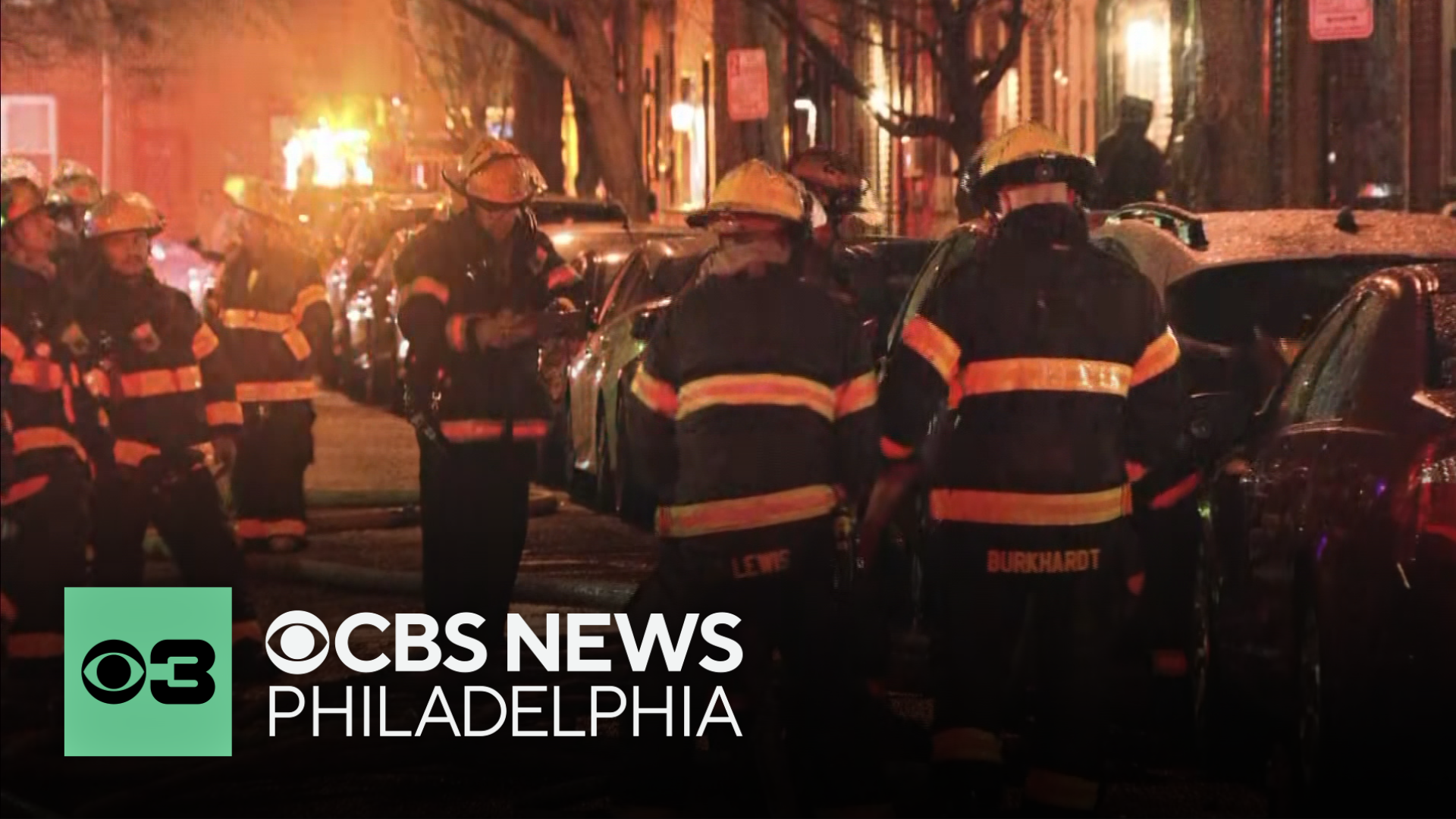
South Philadelphia is a densely populated urban area characterized by a mix of historic row homes, commercial corridors, industrial zones along the Delaware and Schuylkill rivers, and high-traffic transportation arteries. Because of this structural density, any significant fire incident requires a rapid, multi-unit response from the Philadelphia Fire Department (PFD) to contain the spread and protect neighboring structures.
Understanding how local incidents unfold requires examining the geographical and structural context of the neighborhood. Row homes share common walls, meaning that a fire originating in one property can quickly compromise adjacent residences if not met with immediate interior and exterior suppression tactics. Similarly, commercial or industrial fires in older zones often involve heavy fuel loads, requiring specialized foam trucks, hazardous materials units, and extensive water supply lines managed by the Philadelphia Water Department.
When breaking news reports mention a fire in South Philadelphia today, the primary objective for the public is to distinguish between active emergencies requiring evacuation or avoidance and fully contained incidents where investigation and clean-up are underway. Relying on verified emergency dispatch feeds and official municipal communications ensures that residents receive accurate safety directives rather than unconfirmed social media rumors.
Emergency Response Protocols and First Responder Operations
The Philadelphia Fire Department operates under rigorous incident command structures designed to scale rapidly depending on the severity of the blaze. When an alarm is triggered in South Philadelphia, dispatchers evaluate the property type, call volume, and potential hazards to assign the appropriate number of engine companies, ladder trucks, rescue squads, and battalion chiefs.
The Initial Dispatch and Arrival Phase
Upon receiving a distress call via 911, the PFD communications center dispatches the closest available units. For high-density residential blocks, standard structural fire assignments typically include multiple engines and ladders to ensure sufficient manpower for search and rescue, water supply establishment, and vertical ventilation. First-arriving companies perform a rapid 360-degree size-up to identify structural compromises, trapped occupants, and fire extension pathways.
Tactical Suppression and Safety Measures
Firefighters utilize aggressive interior attack strategies when structural integrity permits search and rescue operations. However, if conditions transition to defensive operations due to heavy fire involvement or risk of collapse, crews pull back to master streams and exterior tower ladders. Throughout these operations, the Philadelphia Police Department establishes perimeter security, closing adjacent streets to vehicular and pedestrian traffic to protect civilians and maintain clear corridors for incoming apparatus and mutual aid ambulances.
| Response Unit Type | Primary Operational Role | Equipment and Capabilities |
|---|---|---|
| Engine Company | Fire suppression and water supply | High-capacity pumps, hose lines, water tank |
| Ladder / Truck Company | Search, rescue, ventilation, and forcible entry | Aerial ladders, saws, forcible entry tools |
| Rescue Squad | Specialized technical rescue and extrication | Heavy rigging, hydraulic tools, specialized gear |
| Battalion Chief | Incident command and tactical coordination | Command vehicle, communications equipment |
Public Safety, Air Quality, and Environmental Impact
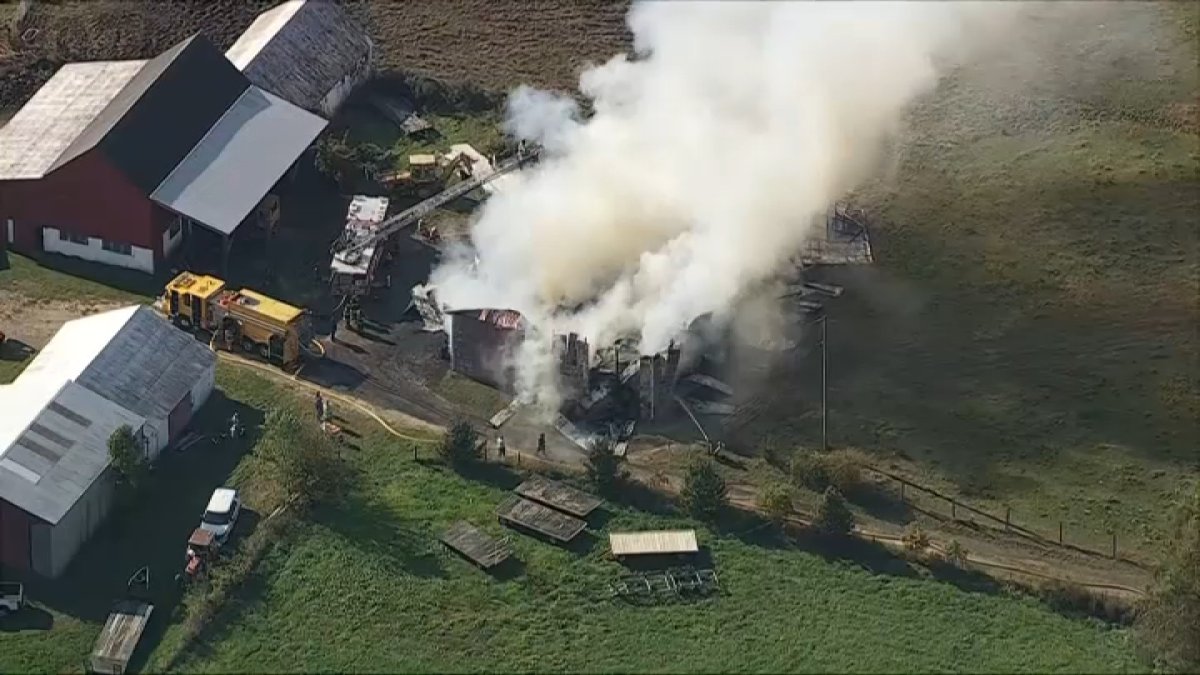
Major fires in urban environments frequently generate heavy smoke plumes that affect visibility and air quality across surrounding neighborhoods. Depending on the materials burning—such as residential building contents, commercial goods, or industrial polymers—the resulting smoke can contain particulate matter and chemical byproducts that pose health risks to sensitive populations.
Residents living downwind of a significant South Philadelphia fire are routinely advised by the Philadelphia Office of Emergency Management (OEM) and the Department of Public Health to keep windows closed, run air conditioning systems on recirculate settings, and limit outdoor physical exertion until the fire is extinguished and smoke dissipates. Individuals with underlying respiratory conditions, such as asthma or chronic obstructive pulmonary disease (COPD), should monitor local air quality alerts and follow personal action plans.
Furthermore, environmental protection agencies monitor runoff from firefighting water, ensuring that foam or chemical residues from industrial sites do not enter the storm sewer system or nearby waterways without containment. Collaboration between local, state, and federal environmental protection personnel helps mitigate long-term ecological impacts following major industrial or commercial fires.
Navigating Road Closures and Transit Disruptions
Fires of significant magnitude in South Philadelphia frequently necessitate extensive traffic diversions. Major arterial roadways, including sections of Oregon Avenue, Broad Street, Packer Avenue, Passyunk Avenue, and I-95 access ramps, may experience temporary closures to accommodate fire hoses, staging apparatus, and utility crews.
Practical Steps for Commuters and Residents
- Check Real-Time Transit Feeds: Consult SEPTA alerts if bus routes (such as routes operating along Broad Street or commercial corridors) are detoured around the incident zone.
- Avoid the Immediate Vicinity: Motorists should proactively route around emergency scenes to prevent congestion that impedes fire and medical vehicles.
- Obey Law Enforcement Directives: Follow instructions from Philadelphia Police officers stationed at traffic control points; do not attempt to bypass barricades or police tape.
- Monitor Municipal Channels: Utilize official municipal text alerts and verified local news broadcasts for updates regarding street reopening schedules.
Community Support and Recovery Assistance
For families and business owners affected by property damage or displacement following a fire, local and national support structures are mobilized to provide immediate assistance. The American Red Cross Greater Pennsylvania Region frequently responds to residential fires in Philadelphia, offering emergency lodging, financial assistance for clothing and food, and emotional support counseling to displaced occupants.
Municipal agencies also provide resources for building inspections, permit acquisition for emergency repairs, and connecting small business owners with economic recovery resources if commercial operations are interrupted. Documenting losses, securing insurance policy details, and obtaining official incident reports from the Philadelphia Fire Department Records Division are critical initial steps for long-term recovery.
Frequently Asked Questions
How can I verify if a reported fire in South Philadelphia is active right now?
You can verify active incidents by monitoring official communications from the Philadelphia Fire Department, the Philadelphia Office of Emergency Management, or verified local emergency alert feeds. Avoid relying solely on unverified social media posts or crowdsourced messaging boards.
What should I do if smoke from a nearby fire enters my home?
If smoke enters your residence, close all windows and doors immediately, turn off HVAC intake fans, and switch air conditioning units to recirculation mode. If indoor air quality deteriorates significantly or if you experience difficulty breathing, relocate to an unaffected area and seek medical attention if necessary.
Are residential property owners required to have working smoke detectors in Philadelphia?
Yes. Philadelphia housing codes mandate functional smoke detectors on every level of a residential property, including inside sleeping areas and outside immediate sleeping zones. Property owners and landlords are legally responsible for maintaining functional life-safety devices.
How do road closures affect public transportation in South Philadelphia?
When major fires block key intersections or transit corridors, SEPTA implements temporary route diversions and bus shuttles. Passengers should check the official SEPTA website or mobile application for real-time schedule adjustments and detour maps.
How can displaced residents access emergency housing assistance?
Displaced residents are typically connected with emergency housing services through the American Red Cross or local municipal social service agencies responding directly to the scene or operating through temporary reception centers.
Next Actions for Residents and Commuters
If you are currently observing or affected by a fire incident in South Philadelphia, prioritize personal safety by maintaining distance from active emergency operations and keeping local roadways clear for responding apparatus. For real-time updates regarding street closures, transit detours, and shelter coordination, monitor official announcements issued by the Philadelphia Office of Emergency Management and local public safety authorities.
Image Gallery