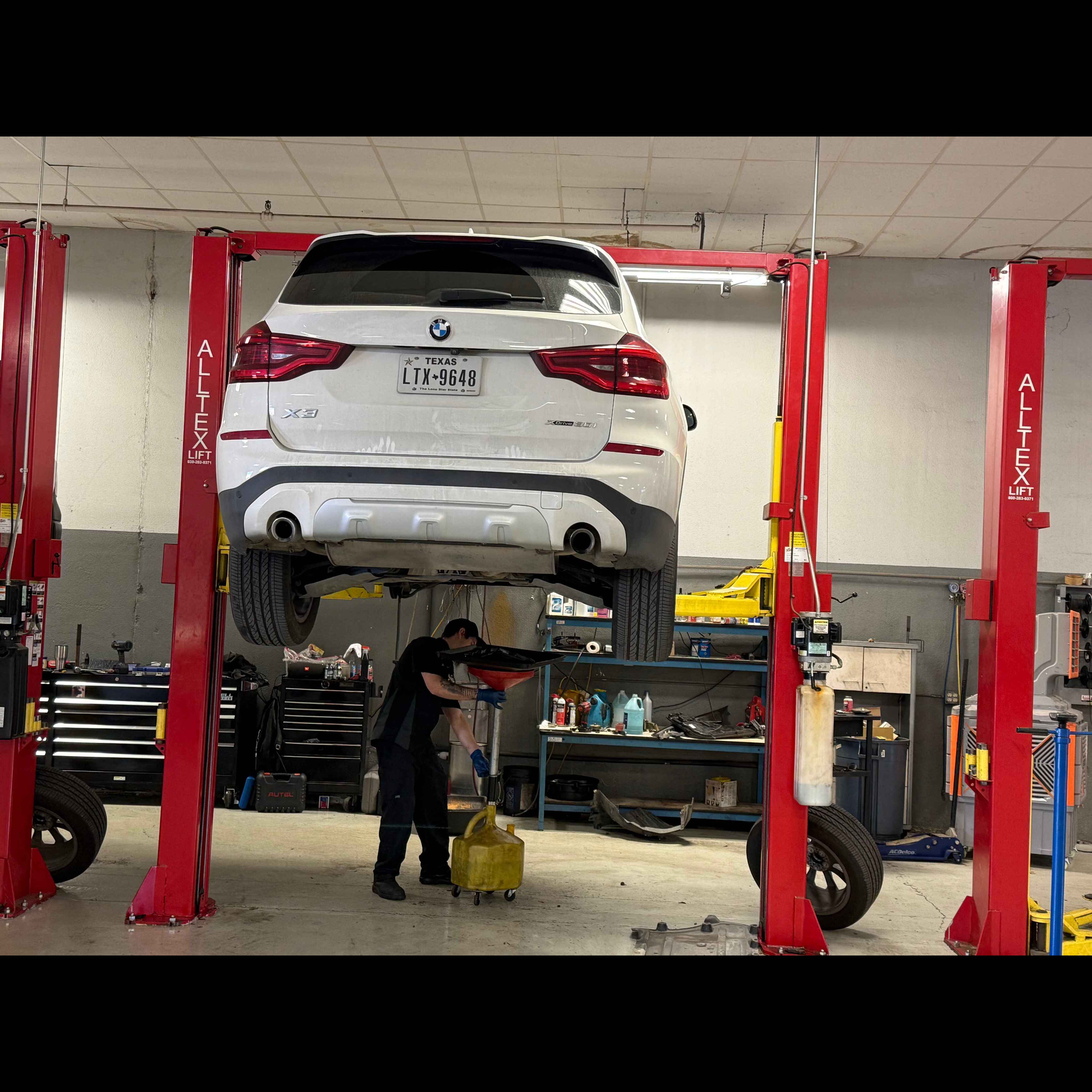
Rick and Rays Auto Plaza Service Overview: Comprehensive Maintenance and Repair Solutions
Rick and Rays Auto Plaza provides a full spectrum of automotive maintenance and repair services designed to support vehicle longevity, safety, and performance. Serving as a localized automotive care hub, the facility focuses on routine...
Rick and Rays Auto Plaza provides a full spectrum of automotive maintenance and repair services designed to support vehicle longevity, safety, and performance. Serving as a localized automotive care hub, the facility focuses on routine preventative maintenance, diagnostic troubleshooting, and complex mechanical repairs for various makes and models, ensuring that vehicle owners can access professional technical support under one roof.
Contents
The Role of Comprehensive Auto Maintenance
Modern vehicle engineering requires a structured approach to maintenance. As automotive technology evolves, the integration of electronic control units (ECUs), sophisticated braking systems, and advanced powertrain configurations necessitates specialized tools and diagnostic equipment. Rick and Rays Auto Plaza functions by bridging the gap between basic user-level car care and the high-level technical requirements of modern vehicle longevity.
Preventative maintenance is the cornerstone of their service philosophy. By adhering to manufacturer-recommended service intervals—such as fluid exchanges, filter replacements, and belt inspections—vehicle owners can mitigate the risk of catastrophic failure. The importance of this approach cannot be overstated; proactive service is statistically linked to lower long-term total cost of ownership and higher residual value for the vehicle.
Core Service Offerings at Rick and Rays Auto Plaza
The service menu at Rick and Rays Auto Plaza is structured to cover the full lifecycle of a standard passenger vehicle, light truck, or SUV. The primary categories of work include:
1. Powertrain and Engine Services
This encompasses the internal combustion components that drive the vehicle. Technicians perform comprehensive oil and filter services, cooling system flushes, and timing belt or chain replacements. Given the thermal stress engines undergo, the quality of lubricants and the integrity of the cooling system are vital. Rick and Rays focuses on ensuring that these systems remain within optimal operating temperature and lubrication specifications.
2. Drivetrain and Transmission
Maintaining the transmission is critical for power delivery and fuel efficiency. Services typically include fluid analysis to check for metallic contaminants, internal filter replacements, and assessment of clutch assemblies or torque converters. If a vehicle exhibits rough shifting or hesitation, it is often a sign that the hydraulic systems or electronic solenoids within the transmission require professional calibration or replacement.
3. Braking Systems and Suspension
Safety-critical systems like brakes and suspension are treated with high priority. This includes the replacement of brake pads, rotors, calipers, and the flushing of brake fluid. Suspension work—such as the replacement of struts, shocks, control arms, and ball joints—not only improves ride comfort but also ensures tire longevity and steering precision. When these components wear, it can lead to uneven tire wear and unpredictable handling characteristics.
4. Diagnostic Troubleshooting
When a "Check Engine" light or other warning indicators appear, the technicians utilize On-Board Diagnostics (OBD-II) scanners. This allows them to read Diagnostic Trouble Codes (DTCs) that point to specific sensor failures, electrical shorts, or emissions issues. Once the root cause is identified, the repair path is clearly mapped, preventing "parts swapping" where customers pay for components that do not resolve the underlying issue.
Comparison of Routine vs. Corrective Maintenance
| Service Type | Frequency | Primary Goal | Example |
|---|---|---|---|
| Routine | Scheduled (e.g., 5k miles) | Prevent premature wear | Oil change, tire rotation |
| Corrective | As needed | Fix specific failures | Alternator replacement |
| Diagnostic | Upon warning/symptom | Identify root cause | OBD-II scanning, leak test |
| System Fluid | Manufacturer intervals | Maintain thermal efficiency | Transmission flush, coolant |
Requirements and Preparing Your Vehicle for Service
To streamline the service process at Rick and Rays Auto Plaza, vehicle owners should prepare relevant documentation and information. Providing the vehicle’s specific Year, Make, Model, and Trim level is essential for ensuring that parts ordered are compatible with the specific build date of the car.
If the vehicle is currently experiencing a specific symptom—such as a noise, vibration, or performance lag—it is helpful to document when the issue occurs. For example, does the noise happen during braking, acceleration, or only when turning the steering wheel? This "symptom history" significantly reduces the time required for diagnostic labor, allowing technicians to focus their efforts on the specific mechanical failure rather than conducting broad searches for symptoms.
Furthermore, if the vehicle is nearing a major service interval (such as the 60,000 or 100,000-mile mark), consult the owner’s manual or a digital service history log. Mentioning these upcoming requirements allows the service team to bundle services, which can occasionally reduce labor costs since certain components may already be accessible during other repairs.
The Impact of Modern Vehicle Technology on Service
As of 2026, the automotive landscape includes a high density of computerized components. Rick and Rays Auto Plaza must account for "software-defined" vehicle traits. Many modern vehicles require recalibration after a physical repair. For instance, replacing a battery or an alternator in a modern vehicle with a Battery Management System (BMS) often necessitates a "relearn" procedure via a diagnostic tool. Without this step, the vehicle may experience erratic electrical behavior or premature battery failure.
Additionally, emissions control systems are increasingly sensitive. The use of incorrect fuel grades or low-quality engine oil can trigger sensors that impact performance. By utilizing certified technicians, the facility ensures that the repair process aligns with the specific technical standards required by modern engine management systems, preserving the vehicle’s compliance with regional emissions regulations.
Common Questions Regarding Auto Maintenance
1. How often should I have my vehicle inspected? Routine inspections are typically recommended every 5,000 to 7,500 miles. This frequency allows technicians to spot minor leaks or worn components before they evolve into significant safety hazards or expensive mechanical failures.
2. What should I do if my "Check Engine" light turns on? Do not ignore the warning, even if the car feels like it is running normally. The light indicates that the OBD-II system has detected an anomaly in the emissions or powertrain. Bring the vehicle in for a scan to determine if the issue is a minor sensor glitch or a serious engine-related problem.
3. Does Rick and Rays provide quotes before starting work? Yes. Professional repair facilities typically provide a detailed estimate of parts and labor before any work commences. This ensures transparency and allows the owner to approve the financial commitment required for the specific repair.
4. Are aftermarket parts reliable for repairs? Aftermarket parts vary in quality. Reputable auto plazas typically source parts from trusted suppliers that meet or exceed Original Equipment Manufacturer (OEM) specifications. Discuss your preferences with the service advisor to understand the options regarding OEM vs. high-quality aftermarket components.
5. How long do standard repairs usually take? The timeframe depends on the complexity of the job. Routine maintenance like oil changes can often be performed in a few hours with an appointment, while complex repairs involving suspension or transmission work may require one or more business days depending on part availability.
Limitations and Professional Limitations
It is important for vehicle owners to understand that automotive repair is subject to mechanical variables. A technician may identify a primary failure, but upon dismantling a system, secondary issues may be discovered. For example, a water pump failure might reveal that the timing belt is also brittle and near its end-of-life. In such cases, the service advisor will communicate these findings.
Please note that this information is intended for educational purposes. Automotive repair can involve high-pressure systems, high-voltage electrical components, and heavy mechanical parts. If you are not trained in automotive mechanics, do not attempt to perform complex repairs yourself. Always consult with a licensed, experienced professional at a facility like Rick and Rays Auto Plaza for the safety of your vehicle and passengers.
Next Steps for Vehicle Service
To maximize the effectiveness of your visit to Rick and Rays Auto Plaza, ensure you have your most recent maintenance records available. Call ahead to schedule an appointment rather than relying on walk-in availability, as this allows the team to allocate the correct bay and diagnostic tools for your specific vehicle’s needs. If your vehicle is currently displaying warning lights, note down the specific behavior of the car immediately before the light appeared to assist the technicians in their initial assessment.
Image Gallery