Comprehensive Guide to Car Loan Rates in Arizona for 2026
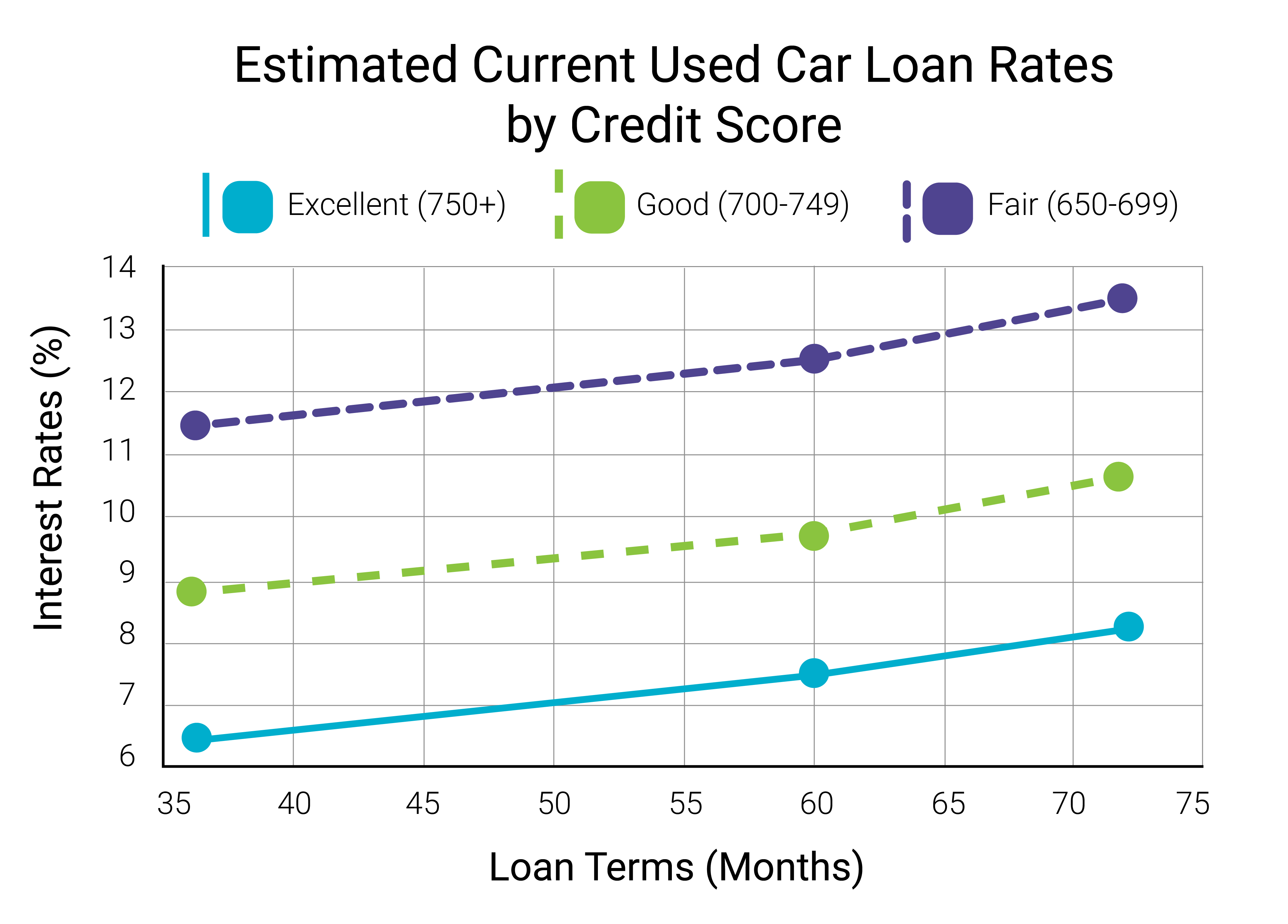
In 2026, car loan rates in Arizona typically range from 5.25% to 6.85% for new vehicles and 7.20% to 9.50% for used vehicles for borrowers with excellent credit scores. These rates are influenced by the federal interest rate environmen...
In 2026, car loan rates in Arizona typically range from 5.25% to 6.85% for new vehicles and 7.20% to 9.50% for used vehicles for borrowers with excellent credit scores. These rates are influenced by the federal interest rate environment, local competition among Arizona’s robust credit union network, and specific state-level taxes and registration fees that impact total loan amounts.
Contents
Securing a competitive car loan in Arizona requires more than just checking a single bank’s website. The state’s unique economic landscape—characterized by high population growth in the Phoenix-Mesa-Chandler metro area and a competitive lending market—means that borrowers have a diverse array of options. Understanding the variables that dictate your Annual Percentage Rate (APR) is the first step toward minimizing the total cost of vehicle ownership.
Factors Influencing Arizona Car Loan Rates in 2026
While national economic trends set the baseline, several specific factors determine the final rate offered by lenders within the Grand Canyon State.
Credit Score Tiers
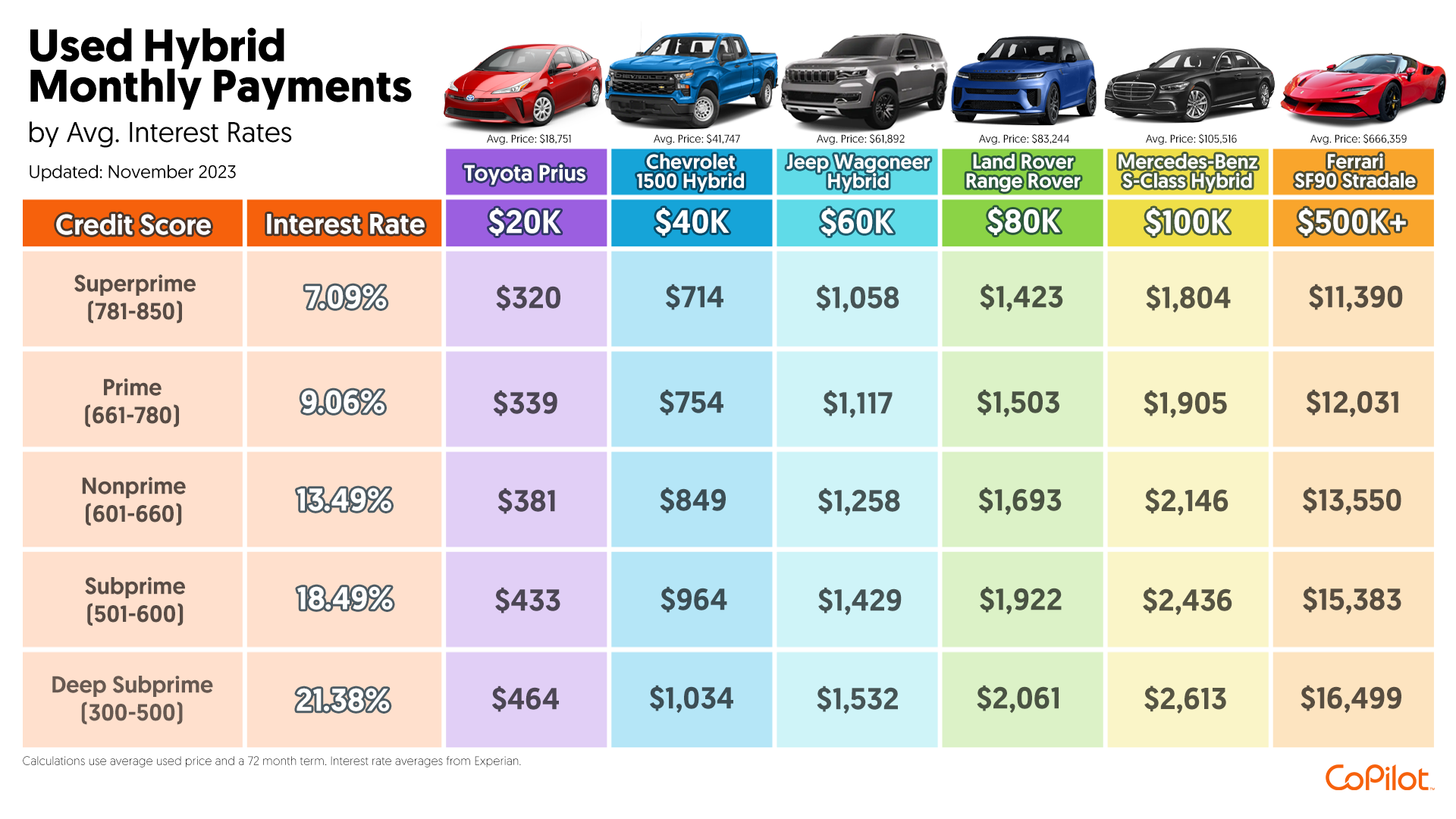
Your credit score remains the most significant predictor of your interest rate. In 2026, Arizona lenders generally categorize borrowers into five tiers:
- Super Prime (781–850): These borrowers see the lowest rates, often dipping below the state average.
- Prime (661–780): Competitive rates, though slightly higher than the floor.
- Nonprime (601–660): Rates begin to climb into the double digits.
- Subprime (501–600): High-interest territory, often requiring significant down payments.
- Deep Subprime (300–500): Challenging to secure traditional financing; often limited to "Buy Here, Pay Here" lots.
Vehicle Age and Condition
Arizona’s climate is relatively kind to vehicle bodies (avoiding the rust seen in the "Salt Belt"), which keeps the resale value of used cars stable. However, lenders still view older vehicles as higher risks. A new 2026 model will almost always command a lower interest rate than a 2020 pre-owned vehicle because the collateral is more valuable and easier to liquidate in the event of a default.
Loan-to-Value (LTV) Ratio
The LTV ratio compares the loan amount to the vehicle's actual value. In Arizona, where the Vehicle License Tax (VLT) and Transaction Privilege Tax (TPT) can add thousands to the "out-the-door" price, many borrowers attempt to finance 100% or more of the vehicle's cost. Lenders typically reward borrowers who provide a 10% to 20% down payment with lower interest rates, as it reduces the lender's exposure.
Comparing Arizona Lenders: Where to Find the Best Rates
Arizona residents have three primary avenues for auto financing: local credit unions, national banks, and captive finance companies.
Arizona Credit Unions
Credit unions are member-owned cooperatives and often provide the most aggressive car loan rates in the state. Institutions like Desert Financial Credit Union, OneAZ Credit Union, and Tucson Federal Credit Union frequently offer "relationship discounts" if you have a checking account or direct deposit with them. In 2026, these local institutions are often 0.5% to 1.5% lower than national commercial banks.
National Banks and Online Lenders
Large banks like Chase, Wells Fargo, and Bank of America provide convenience and robust digital platforms. Online-only lenders have also gained significant market share in Arizona by 2026, offering rapid pre-approvals that allow buyers to walk into a dealership with "cash in hand." These lenders are ideal for those with Prime or Super Prime credit who value speed and a paperless process.
Captive Finance Companies
Captive lenders are the financing arms of vehicle manufacturers (e.g., Ford Credit, Toyota Financial Services). To move inventory, these entities often offer promotional rates—such as 0.9% or 1.9% APR—on specific 2026 models. While these are the lowest rates available, they are usually reserved for those with near-perfect credit and are often offered in lieu of cash-back rebates.
Estimated Car Loan Rates in Arizona (2026)
The following table provides a snapshot of the average APRs across different credit tiers and lender types in Arizona.
| Credit Tier | New Car APR (Average) | Used Car APR (Average) | Preferred Lender Type |
|---|---|---|---|
| Super Prime (780+) | 5.25% – 5.75% | 6.50% – 7.25% | Credit Unions / Captive Finance |
| Prime (661-780) | 6.00% – 7.25% | 7.75% – 8.50% | National Banks / Online Lenders |
| Nonprime (601-660) | 9.50% – 11.50% | 11.00% – 13.50% | Credit Unions / Specialist Lenders |
| Subprime (501-600) | 14.00% – 16.50% | 17.50% – 20.00% | Independent Finance Companies |
| Deep Subprime (<500) | 18.00%+ | 21.00%+ | "Buy Here, Pay Here" Dealers |
Note: Rates are estimates based on 2026 market projections and vary by specific lender and loan term (e.g., 60 months vs. 72 months).
Arizona-Specific Costs Impacting Your Loan
When calculating your loan amount, you must account for Arizona's specific taxes and fees. These are often rolled into the loan, which can increase your interest costs over time.
Transaction Privilege Tax (TPT)
Arizona does not have a "sales tax" in the traditional sense; instead, it uses the TPT. For vehicle purchases, the state rate is 5.6%, but cities and counties add their own percentages. In Phoenix, the combined rate can exceed 8.0%. If you are financing an expensive vehicle, this tax can add $3,000 to $5,000 to your loan principal.
Vehicle License Tax (VLT)
Arizona's VLT is an annual tax paid during registration. For the first year of a new car, the tax is based on 60% of the manufacturer's suggested retail price (MSRP), decreasing by 16.25% each year thereafter. While the VLT isn't usually financed directly into the loan, it is a significant "cost of ownership" factor that Arizona borrowers must budget for alongside their monthly loan payment.
Title and Registration Fees
Arizona has relatively straightforward title fees (typically under $50), but the registration fee includes the VLT mentioned above. Most Arizona dealerships will handle the Arizona Department of Transportation (ADOT) Motor Vehicle Division (MVD) paperwork for you, often charging a documentation fee. Arizona law does not cap this "doc fee," so it is a negotiable point during the car-buying process.
The Application Process: Step-by-Step
To secure the best car loan rates in Arizona, follow this structured approach:
- Check Your Credit Report: Obtain your FICO Auto Score. This is different from a standard FICO score and is specifically weighted toward your history with previous vehicle loans.
- Determine Your Budget: Use an auto loan calculator that includes Arizona’s TPT and VLT estimates. Ensure the monthly payment fits within 10-15% of your take-home pay.
- Get Pre-Approved: Apply at a local Arizona credit union and one online lender. A pre-approval gives you a "ceiling" on your interest rate and puts you in a stronger negotiating position at the dealership.
- Shop the Dealership Rate: Once you have a vehicle selected, ask the dealer if they can beat your pre-approved rate. Dealers have access to wholesale lending rates and can sometimes shave off another 0.25% to earn your business.
- Review the Truth in Lending Act (TILA) Disclosure: Before signing, examine the TILA disclosure provided by the lender. This document clearly states the APR, the total finance charge, and the total of all payments over the life of the loan.
Common Mistakes to Avoid in the Arizona Market
Focusing Only on Monthly Payments: Dealerships often try to lower the monthly payment by extending the loan term to 84 or even 96 months. While the payment looks affordable, the total interest paid over the life of the loan increases dramatically.
Ignoring the "AS IS" Status: Arizona law does not have a "lemon law" for used vehicles purchased from private parties. If you finance a used car that breaks down shortly after purchase, you are still legally obligated to repay the loan in full. Always get a pre-purchase inspection (PPI) before finalizing financing for a used vehicle.
Negative Equity Rollover: If you owe more on your current car than it is worth (being "underwater"), Arizona lenders may allow you to roll that negative equity into a new loan. This significantly increases your LTV ratio and will likely result in a higher interest rate and a much larger debt burden.
Frequently Asked Questions
Can I get a car loan in Arizona with a 550 credit score?
Yes, but you will likely face interest rates between 15% and 20%. Borrowers in this tier should look for "Second Chance" auto loans offered by certain Arizona credit unions or consider a significant down payment to reduce the lender's risk. Refinancing after 12 to 18 months of on-time payments is a common strategy for these borrowers to lower their rates later.
Does Arizona have a cooling-off period for car loans?
No. Once you sign the contract and take delivery of the vehicle in Arizona, the deal is final. There is no state law that allows you to return a vehicle or cancel a loan contract within three days (a common misconception). It is vital to review all loan terms before signing.
How does the Arizona VLT affect my loan?
While the VLT is a registration fee, not a loan fee, it affects your overall liquidity. If you finance the maximum amount allowed by a lender, you must ensure you have separate funds to pay the VLT when you register the vehicle with the MVD. On a $40,000 new car, the first-year VLT in Arizona can be approximately $600 to $700.
Are rates different in Phoenix vs. Tucson?
Base interest rates from national banks and online lenders are generally the same throughout the state. However, local credit unions in Tucson (like Vantage West) may have different promotional offers than those in Phoenix (like Desert Financial). Additionally, different cities have different TPT (sales tax) rates, which affects the total loan amount.
Should I choose a 72-month or 84-month loan?
While these longer terms are popular in 2026 due to high vehicle prices, they are generally discouraged. You will likely remain "underwater" (owing more than the car is worth) for the majority of the loan term. Aim for a 60-month term to balance monthly affordability with total interest costs.
Practical Recommendation
If you are looking for the best car loan rates in Arizona in 2026, your first stop should be a local credit union. Their member-centric model consistently undercuts national averages. Before visiting a dealership in the Phoenix or Tucson metros, secure a written pre-approval. This ensures that you are judging the dealer's financing offer against a concrete benchmark, preventing you from overpaying for credit. Always calculate the "total cost of the loan," not just the monthly payment, to ensure the purchase aligns with your long-term financial health.
Image Gallery