Alligator in Walmart Florida: Safety Guidelines and Incident History
Alligators occasionally enter Florida Walmart parking lots or vestibules because these retail centers are frequently constructed near retention ponds and natural wetlands. While startling, these encounters are usually managed safely by...
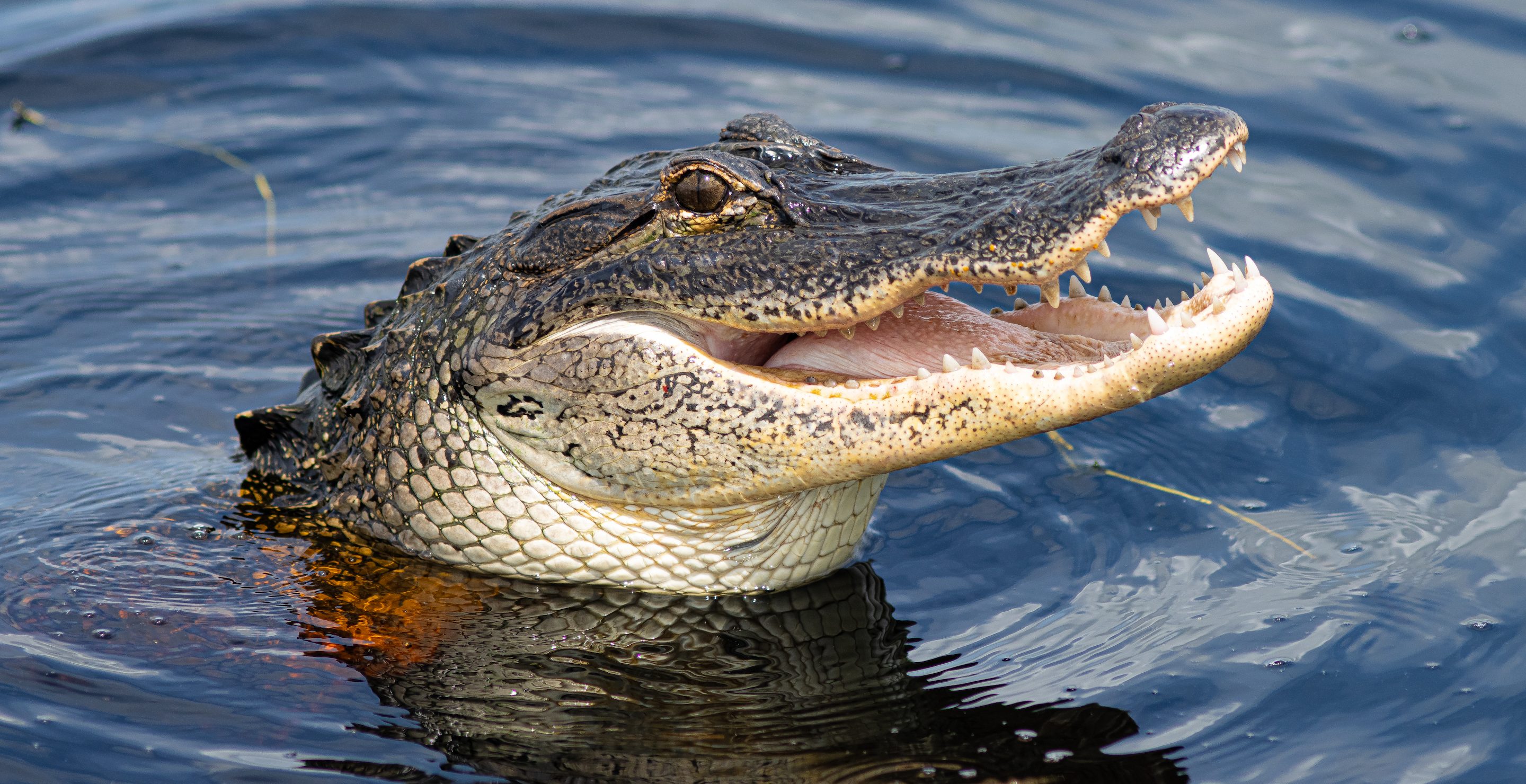
Alligators occasionally enter Florida Walmart parking lots or vestibules because these retail centers are frequently constructed near retention ponds and natural wetlands. While startling, these encounters are usually managed safely by the Florida Fish and Wildlife Conservation Commission (FWC). Understanding alligator behavior and local emergency protocols is essential for resident and visitor safety.
Contents
The Reality of Alligator Encounters in Florida Retail Spaces
In Florida, the intersection of urban development and wildlife habitat is a daily reality. As of 2026, Florida remains home to an estimated 1.3 million alligators distributed across all 67 counties. Because Walmart Supercenters require vast acreage—often situated near reclaimed wetlands or featuring mandatory drainage retention ponds—it is statistically inevitable that alligators will occasionally wander onto these properties.
These incidents are rarely predatory in nature. Instead, they are typically the result of juvenile alligators searching for new territory or adult males wandering during the spring mating season. When an alligator is spotted at a Walmart, it usually makes national headlines, but for locals, it is a reminder of the state’s robust biodiversity and the importance of coexisting with apex predators.
Notable Historical Incidents at Florida Walmarts
To understand the scope of these encounters, one must look at the documented cases that have shaped public perception and store safety protocols over the last decade.
The Apopka "Doorbell" Alligator (2014)
One of the most famous incidents occurred at a Walmart in Apopka, Florida. A 6-foot alligator was filmed repeatedly triggering the automatic sliding doors of the store's entrance. The animal did not enter the store but remained in the vestibule area, seemingly confused by the movement of the doors. This case highlighted the need for store employees to be trained in "lockdown" procedures to prevent wildlife from entering high-traffic retail environments.
The Venice Parking Lot Incident (2022)
In Venice, Florida, a large alligator was discovered lurking under a parked vehicle in a Walmart parking lot. This incident underscored a specific danger: alligators seeking shade. During high-temperature months, reptiles often seek the underside of vehicles to escape the asphalt's heat. This event led to increased awareness campaigns by the FWC regarding "checking under your car" in high-risk areas.
The Winter Haven Displacement
Following major hurricane events, such as those seen in the early 2020s, displaced alligators have been found in various commercial areas in Winter Haven and Kissimmee. Floodwaters allow alligators to traverse areas that are usually dry, leading them into drainage pipes that exit near commercial loading docks or garden centers.
Why Alligators Are Drawn to Retail Environments
It may seem counterintuitive for a shy reptile to approach a noisy, brightly lit retail center, but several ecological factors drive this behavior:
- Retention Pond Proximity: Florida building codes require commercial developments to have on-site water management systems. These ponds quickly become self-contained ecosystems stocked with fish, turtles, and frogs—the primary diet of a growing alligator.
- Heat Regulation: Alligators are ectothermic (cold-blooded). They rely on their environment to regulate body temperature. In the early morning, the black asphalt of a parking lot retains heat, which alligators use to warm up. Conversely, during the midday heat of 2026 summers, the shaded areas near store entrances provide much-needed cooling.
- Seasonal Migration: During the mating season (typically April through June), male alligators become highly mobile and aggressive in their search for mates. This often leads them to cross roads and parking lots that separate different bodies of water.
- Human Feeding (Illegal): One of the primary reasons alligators lose their natural fear of humans is illegal feeding. If shoppers discard food in parking lots or intentionally feed gators in nearby ponds, the animals begin to associate humans and buildings with food sources.
Safety Protocols for Shoppers and Employees
If you encounter an alligator while shopping at a Florida Walmart or any other major retailer, following a specific set of actions can prevent injury to both humans and the animal.
Immediate Actions for Shoppers
- Maintain Distance: The FWC recommends staying at least 60 feet away from any alligator. Alligators are capable of short bursts of speed on land that can surprise the average person.
- Do Not Corner the Animal: An alligator that feels trapped is much more likely to strike. Ensure the animal has a clear path to retreat toward water.
- Notify Management: Immediately inform a store associate or security guard. Most major retailers in Florida have an established protocol for contacting wildlife authorities.
- Keep Pets Away: Alligators view small dogs and cats as prey. If you have a pet in the parking lot, keep them on a short leash and move away immediately.
Technical Response by Authorities
Once a "nuisance" alligator—defined by the FWC as being at least 4 feet in length and posing a threat to people, pets, or property—is reported, the Statewide Nuisance Alligator Program (SNAP) is activated.
The FWC does not typically use its own officers to remove every alligator. Instead, they contract with professional nuisance alligator trappers. These individuals are experts in capturing and removing the animal. It is important to note that under Florida law, removed nuisance alligators are often not relocated. Because alligators have a strong homing instinct, they frequently return to the capture site if moved. Consequently, captured nuisance alligators are usually processed for their meat and hide or placed in an approved alligator farm or zoo.
Comparison of Florida Wildlife Encounters in Retail Areas
While alligators are the most high-profile, they are not the only wildlife encountered in Florida commercial zones.
| Wildlife Species | Common Location | Risk Level | Primary Action |
|---|---|---|---|
| American Alligator | Ponds/Parking Lots | High (if provoked) | Call FWC (866-392-4286) |
| Sandhill Crane | Entrances/Medians | Low (Protected) | Give space; do not feed |
| Burmese Python | Loading Docks (South FL) | Moderate | Contact FWC Exotic Species |
| Wild Boar | Perimeter Fencing | Moderate | Avoid; do not approach |
| Florida Black Bear | Trash Enclosures | Moderate | Secure waste; notify FWC |
Legal Implications and Protection Status
The American Alligator is currently listed as a "Federally protected species" due to its similarity of appearance to the endangered American Crocodile. While alligators are no longer endangered, their management is strictly regulated.
As of 2026, it remains a third-degree felony in the state of Florida to kill, harass, or possess an alligator without the proper permits. This includes "poking" or throwing objects at an alligator in a Walmart parking lot to get it to move. Engaging in this behavior can result in heavy fines and potential jail time.
Furthermore, Florida Statute 372.667 makes it illegal to feed alligators. When an alligator is fed, it loses its natural wariness of humans and becomes a "nuisance," which often results in the animal having to be destroyed. By feeding an alligator near a store, a person is essentially signing the animal’s death warrant.
FAQ: Understanding Alligator Presence in Florida Towns
Is it common to see alligators at Walmart in 2026?
While "common" is a relative term, it is an expected occurrence in Florida. Given the sheer number of Walmart locations (over 300 in Florida) and the 1.3 million alligators in the state, several sightings occur annually, particularly during the wet season or mating season.
What should I do if an alligator is blocking my car?
Do not attempt to scare the animal away by revving your engine or honking your horn, as this may cause the alligator to retreat further under the vehicle for protection. Contact store security immediately. They will often cordon off the area until a professional trapper arrives.
Are alligators in parking lots more aggressive?
Alligators in paved environments are typically more stressed than those in natural habitats. The heat of the asphalt, the noise of traffic, and the lack of immediate water cover can make them defensive. However, they are generally looking for a way out rather than looking for a fight.
Who pays for the removal of an alligator at a business?
In most cases, the FWC manages the nuisance alligator program. While the state facilitates the trapping, the contracted trappers are often compensated through the sale of the animal's products (meat/hide) or a small stipend. The business itself is responsible for ensuring the safety of its patrons until the trapper arrives.
Can an alligator enter through automatic sliding doors?
Yes, as demonstrated in the Apopka incident, the motion sensors on automatic doors can be triggered by a large reptile. However, most modern retail sensors are calibrated to detect larger thermal masses or specific movement patterns, and it is rare for an alligator to successfully navigate deep into a store's interior.
Practical Recommendation for Florida Residents and Visitors
The most effective way to handle an alligator sighting at a retail location is passive observation. Do not attempt to capture the moment for social media by getting closer than 60 feet. The moment an alligator is spotted, the priority should be clear communication with store management.
If you live in a high-density alligator area, keep the FWC Nuisance Alligator Hotline (1-866-FWC-GATOR / 1-866-392-4286) saved in your phone. Whether at a Walmart or in your own driveway, professional intervention is the only legal and safe way to manage these prehistoric residents of the Sunshine State.
Image Gallery