Jobs for 15 Year Olds: The Ultimate 2026 Guide to Working Early
Finding jobs for 15 year olds requires navigating specific child labor laws, securing necessary working papers, and targeting youth-friendly industries like retail, food service, and local community gigs. At age 15, career opportunitie...
Finding jobs for 15 year olds requires navigating specific child labor laws, securing necessary working papers, and targeting youth-friendly industries like retail, food service, and local community gigs. At age 15, career opportunities focus heavily on entry-level positions that teach foundational professional skills while accommodating strict school schedules.
Contents
Navigating the youth job market in 2026 involves understanding complex legal frameworks, identifying realistic employers, and knowing how to build a strong application without prior professional experience. Whether you want to save for college, buy your first car, or gain independence, starting your work journey at 15 provides invaluable real-world experience. This comprehensive guide details legal requirements, top job types, application strategies, and practical steps to secure your first paycheck.
Understanding Child Labor Laws and Working Papers
Before applying for any job, you must understand the legal framework governing employment for 15-year-olds. The Fair Labor Standards Act (FLSA) in the United States, along with state-specific Department of Labor regulations, sets strict rules regarding the hours minors can work and the types of jobs they can perform.
Federal and state laws are designed to prioritize education, ensuring that work schedules do not interfere with schooling. Violating these laws can result in severe penalties for employers, which is why major corporate chains strictly enforce age verification and scheduling limits.
Legal Working Hours for 15-Year-Olds
During the school year, federal regulations limit 15-year-olds to working a maximum of 3 hours on a school day and 18 hours in a school week. When school is out of session during summer and holidays, these limits expand to 8 hours per day and 40 hours per week. Furthermore, minors are generally prohibited from working before 7:00 AM or after 7:00 PM, with summer hours extending until 9:00 PM (from June 1st to Labor Day).
Working Papers and Permit Requirements
Most U.S. states require minors to obtain an Employment Certificate, commonly known as a work permit, before starting a job. The process typically requires:
- Proof of age (birth certificate or passport).
- Written consent from a parent or legal guardian.
- A signed statement from the prospective employer detailing the job duties and hours.
- Satisfactory school attendance and academic standing.
Check your state's Department of Labor website for specific local documentation rules, as school guidance counselors often manage the initial issuance of these certificates.
Best Industries and Job Types for 15-Year-Olds
Major corporate employers often have internal policies setting a minimum hiring age of 16 due to insurance and liability concerns, particularly regarding operating machinery or driving. However, numerous industries actively welcome 15-year-olds.
Top Youth Employment Sectors
| Industry | Common Roles | Typical Pay Scale |
|---|---|---|
| Food & Hospitality | Host, Cashier, Busser | Minimum Wage to $15/hr |
| Recreation & Leisure | Lifeguard, Referee, Caddy | $12 to $18/hr |
| Retail & Grocery | Bagger, Stocker, Sales | Minimum Wage to $14/hr |
| Independent Services | Pet Sitter, Yard Care, Tutor | Variable / Task-based |
Food Service and Hospitality
Restaurants, ice cream parlors, and local coffee shops are among the most reliable employers for 15-year-olds. Roles such as host, busser, cashier, or counter server allow teens to develop fast-paced customer service skills. Note that federal law prohibits 15-year-olds from operating hazardous kitchen equipment like deep fryers, commercial slicers, or meat grinders.
Recreation and Community Centers
Local community pools, youth sports leagues, and country clubs hire young workers for seasonal positions.
- Lifeguard and Swim Instructor: Requires completing American Red Cross or equivalent certification courses, usually available starting at age 15.
- Youth Sports Referee: Officiating youth soccer, basketball, or baseball leagues builds leadership and decision-making skills.
- Golf Caddy: Country clubs frequently hire caddies, offering solid pay plus tips, though physical stamina and knowledge of golf etiquette are required.
Retail and Grocery Stores
Grocery stores often hire 15-year-olds as courtesy clerks, baggers, or stock associates. These roles involve greeting customers, packing groceries, retrieving shopping carts, and maintaining store cleanliness. While corporate giants like Target and Walmart generally set their hiring age to 16 or 18, regional grocery chains and local neighborhood markets are much more flexible.
Self-Employment and Neighborhood Gigs
If traditional employers turn you down due to age restrictions, launching a micro-business is an excellent alternative.
- Pet Sitting and Dog Walking: Neighbors traveling for work or vacations gladly hire responsible teens to care for pets.
- Yard Maintenance and Landscaping: Mowing lawns, raking leaves, and shoveling snow require minimal startup equipment and can scale into a profitable local route.
- Babysitting: Taking an American Red Cross babysitting certification course prepares you to watch younger children in your neighborhood safely.
Comparing Employment Options for 15-Year-Olds
Choosing between a formal job, seasonal recreation work, or independent gigs depends on your schedule, transportation availability, and financial goals.
| Employment Path | Pros | Cons | Best For |
|---|---|---|---|
| Retail / Grocery | Consistent hours, structured training, W-2 tax reporting. | Strict scheduling, lower starting wages, rigid corporate rules. | Teens wanting predictable paychecks and steady work environments. |
| Food Service | Tips can increase earnings, fast-paced, social environment. | Physical demands, standing for long shifts, weekend/evening hours. | Outgoing teens comfortable with multitasking and customer interaction. |
| Recreation / Caddy | Higher hourly potential, active outdoor environment, tips. | Seasonal availability, weather-dependent, certification costs. | Athletic teens looking for summer income and outdoor work. |
| Independent Gigs | Complete schedule control, set your own rates, no formal resume needed. | Inconsistent income, finding clients requires effort, startup equipment costs. | Self-starters with entrepreneurial drive and existing neighborhood contacts. |
Step-by-Step Guide to Landing Your First Job
Securing a job without prior work experience requires a strategic approach. Follow this step-by-step roadmap to maximize your chances of getting hired.
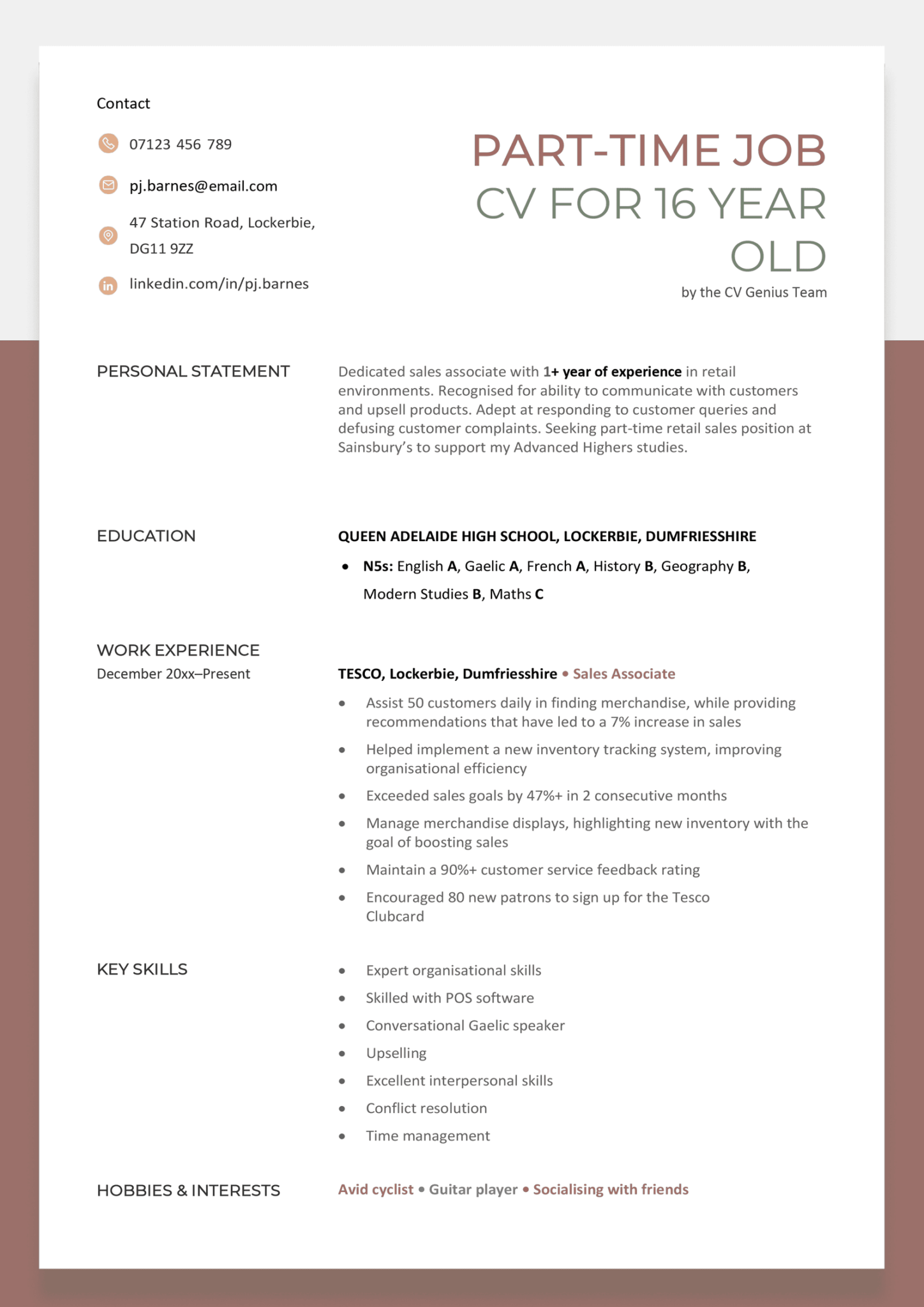
Step 1: Prepare Your Personal Information and References
Even without formal job history, you need a basic resume or application profile. Gather the following information:
- Contact details (phone number and a professional email address).
- Educational background (school name, current grade, GPA if strong, and extracurricular activities).
- Skills (computer literacy, foreign languages, CPR certification, or specific sports).
- Character references (teachers, coaches, scout leaders, or family friends—never list relatives).
Step 2: Identify Local Youth-Friendly Employers
Walk around your neighborhood shopping centers, community centers, and local business districts. Look for "Now Hiring" signs in storefront windows. Focus heavily on locally owned, independent businesses rather than massive corporate franchises, as local managers have the autonomy to hire 15-year-olds.
Step 3: Apply and Follow Up Professionally
Submit applications online if required, but for local businesses, a paper application dropped off in person during slow business hours (such as mid-afternoon between the lunch and dinner rushes) makes a strong positive impression. Dress neatly, introduce yourself politely to the manager, and ask if you can submit your application directly to them.
Step 4: Ace the Interview
Prepare for standard entry-level interview questions. Practice answering questions like:
- "Why do you want to work here?"
- "How do you balance your schoolwork with extracurricular activities?"
- "Tell me about a time you showed responsibility." Always arrive 10 minutes early, maintain good eye contact, offer a firm handshake, and bring a copy of your application or resume.
Financial Literacy and Managing Your First Paycheck
Earning your own money is an exciting milestone, but managing it wisely sets the foundation for lifelong financial health. At 15 years old, you will likely encounter payroll deductions for taxes (Federal Income Tax, Social Security, and Medicare), even if your overall earnings are low.
Opening a Youth Bank Account
Because minors cannot legally open a standard individual bank account, you will need a custodial or joint bank account opened in partnership with a parent or legal guardian. Look for accounts with:
- Zero monthly maintenance fees.
- No minimum balance requirements.
- Access to mobile banking apps and a debit card for everyday purchases.
Smart Saving Framework
Establish a balanced spending plan for every paycheck you receive:
- Savings (50%): Set aside half of your earnings for long-term goals like college, a car, or emergency funds.
- Investing in Yourself (30%): Allocate funds for work-related expenses, transportation, or educational tools.
- Spending Money (20%): Enjoy discretionary spending guilt-free on entertainment, hobbies, or outings with friends.
Frequently Asked Questions
Can a 15-year-old work at McDonald's or Starbucks?
Most corporate-owned locations of McDonald's and Starbucks require employees to be at least 16 years old due to corporate insurance and equipment operation policies. However, some franchise locations or independent licensees may hire 15-year-olds for specific front-of-house roles depending on local state laws.
Do 15-year-olds need a resume to get a job?
Traditional resumes are not strictly required for entry-level jobs at age 15, but having a simple one-page document listing your school achievements, volunteer work, clubs, and character references greatly improves your professionalism.
How much do 15-year-olds typically get paid?
Most 15-year-olds working formal entry-level jobs earn local minimum wage, which varies significantly by state and municipality. Jobs involving tips (such as bussing tables or caddying) or specialized skills (such as lifeguarding) often pay above minimum wage.
What are the best jobs for 15-year-olds during the school year?
During the school year, low-hour flexible positions such as neighborhood babysitting, pet sitting, tutoring younger students, or working limited weekend shifts at local retail or food shops work best because they respect homework and school hour limits.
Can 15-year-olds work full-time during the summer?
Under federal U.S. labor laws, 15-year-olds are capped at a maximum of 40 hours per week during school summer breaks. They are strictly prohibited from working overnight shifts, hazardous manufacturing jobs, or positions involving heavy machinery.
Conclusion and Next Steps
Finding a job at 15 is entirely achievable with persistence, preparation, and an understanding of legal boundaries. Start by checking your state's work permit requirements, updating your personal reference list, and visiting local businesses that value young, enthusiastic workers. Take the first step today by talking to your parents about your work goals and mapping out your local employment options.
Image Gallery