State of Ohio Prison System: Facilities, Operations, and Offender Management
The state of Ohio prison system is operated by the Ohio Department of Rehabilitation and Correction (ODRC), managing dozens of correctional facilities ranging from minimum to maximum security. This network houses tens of thousands of o...
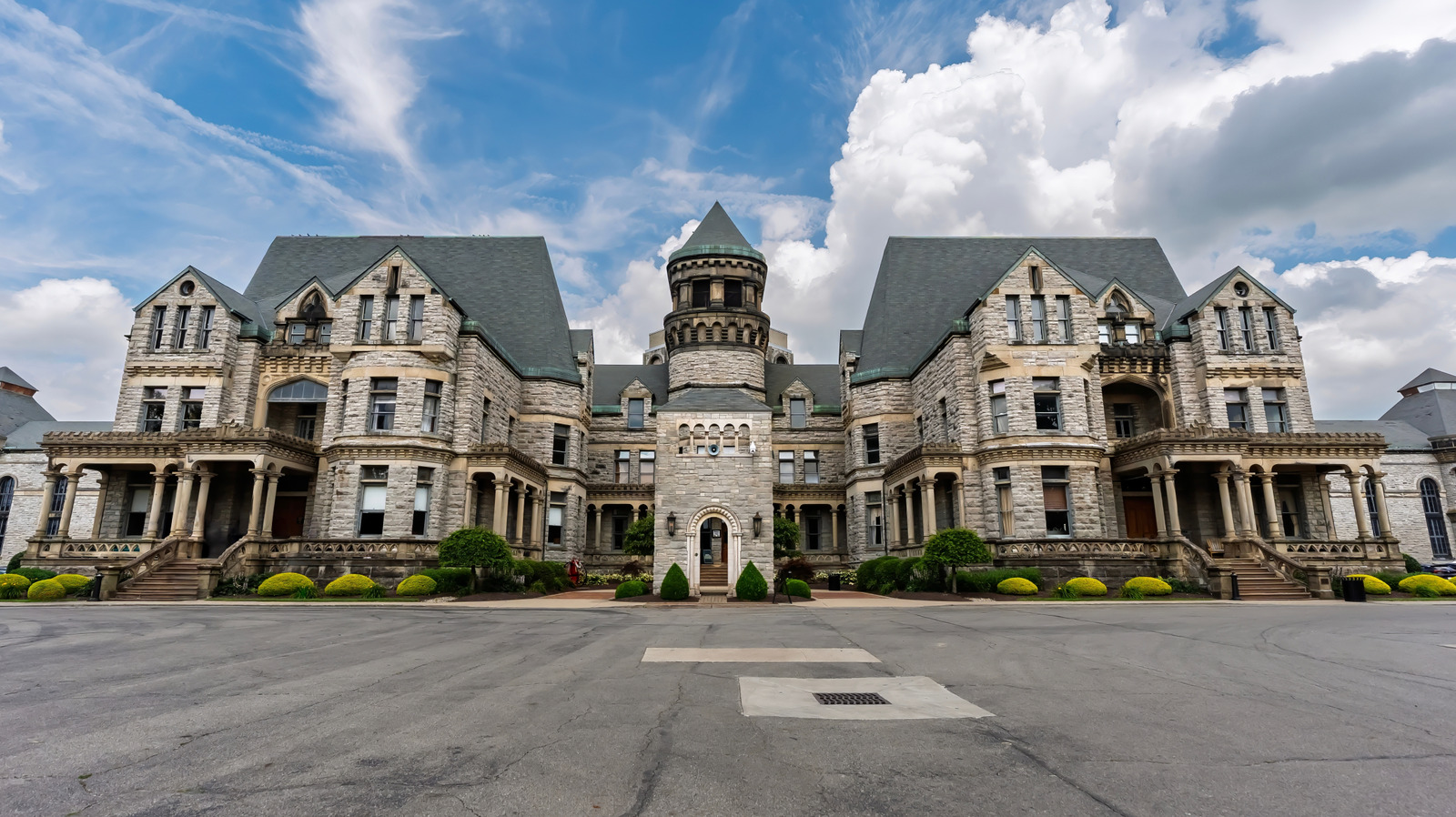
The state of Ohio prison system is operated by the Ohio Department of Rehabilitation and Correction (ODRC), managing dozens of correctional facilities ranging from minimum to maximum security. This network houses tens of thousands of offenders, focusing on public safety, secure housing, and rehabilitation programs designed to reduce recidivism across the state.
Contents
Overview of the Ohio Department of Rehabilitation and Correction
The Ohio Department of Rehabilitation and Correction serves as the central governing body responsible for overseeing adult correctional institutions throughout the state. Established to ensure public safety while promoting offender accountability, the agency manages a vast infrastructure of multi-security-level facilities. The department oversees various institutional operations, including medical and mental health services, educational and vocational training, and transition programs.
Operating within strict state legislative guidelines, the ODRC balances incarceration costs with effective reentry planning. State correctional facilities range from specialized reception centers where incoming offenders are evaluated and classified to maximum-security prisons designed for individuals requiring the highest levels of supervision and control.
Classification and Security Levels in Ohio Facilities
Understanding how offenders are placed within the Ohio prison system requires examining the security level classification framework. The ODRC utilizes a comprehensive security classification system to assign individuals to facilities that match their risk level, behavior history, and programmatic needs. Security designations are divided into several distinct tiers:
- Level 1 (Minimum Security): Facilities designed for offenders with low-risk scores, non-violent criminal histories, and short remaining sentences. These institutions often feature community-based work programs and minimal perimeter fencing.
- Level 2 (Medium Security): Facilities housing individuals who require more structured supervision than minimum-security settings provide, typically featuring double fences with electronic detection systems and more structured daily routines.
- Level 3 (Close Security): Institutions that house offenders requiring enhanced supervision and physical security measures, often due to longer sentences, disciplinary concerns, or higher escape risks.
- Level 4 and Level 5 (Maximum and Supermax Security): Facilities such as the Southern Ohio Correctional Facility or specialized units designed for the most high-risk offenders, featuring rigid isolation, advanced surveillance, and strict operational controls.
- Reception Centers: Specialized intake facilities, such as the Ohio Reformatory for Women or the Reception Center at Pickaway Correctional Institution, where new commitments undergo medical, psychological, and security evaluations.
Major State Correctional Institutions in Ohio
The state operates a diverse array of physical plants located across rural and suburban counties. Each facility serves specific population demographics, security classifications, or specialized medical needs.
| Facility Name | Primary Location | Security Level | Operational Focus |
|---|---|---|---|
| Marion Correctional Institution | Marion, OH | Level 1 & Level 2 | General population, vocational training programs |
| Southern Ohio Correctional Facility | Lucasville, OH | Level 4 & Level 5 | Maximum security housing, high-risk management |
| Ohio Reformatory for Women | Marysville, OH | Level 1 through Level 4 | Female offender reception, general housing, programs |
| Belmont Correctional Institution | Morristown, OH | Level 1 & Level 2 | Male custody, substance abuse recovery programs |
| Toledo Correctional Institution | Toledo, OH | Level 3 & Level 4 | Medium-to-high security male offenders |
Rehabilitation, Education, and Reentry Initiatives
Modern corrections in Ohio emphasize structured programming intended to prepare incarcerated individuals for successful reintegration into society. The ODRC partners with educational institutions and community organizations to deliver targeted interventions that address the root causes of criminal behavior.
Educational opportunities range from basic literacy and Adult Basic Education (ABE) to high school equivalency (HSE) preparation. For individuals seeking higher education, partnerships with regional universities and community colleges allow qualified offenders to pursue vocational certificates and associate degrees. Vocational training covers high-demand fields such as welding, culinary arts, computer technology, automotive repair, and construction trades.
Behavioral health programs form another core pillar of the state's correctional strategy. Certified clinicians administer cognitive-behavioral therapy (CBT) modules, substance use disorder treatment tracks, and sex offender treatment programs. Transition services begin months or years prior to an individual's scheduled release date, focusing on resume building, interview preparation, housing assistance, and community supervision planning through the Adult Parole Authority.
Operational Comparison: Minimum vs. Maximum Security Facilities
Operating a state prison system requires balancing rigid security protocols against constitutional mandates and operational budgets. The operational realities of managing minimum-security camps versus maximum-security penitentiaries vary significantly across multiple dimensions.
- Staff-to-Offender Ratios: Maximum-security facilities maintain high staff ratios and heavily armed posts to ensure rapid response capabilities, whereas minimum-security facilities rely more heavily on dynamic security and staff supervision during work details.
- Movement and Freedom: Minimum-security offenders often move freely within designated compound boundaries for work, education, and recreation. Maximum-security inmates experience tightly controlled, escort-dependent movement schedules.
- Program Access: While both security tiers offer programming, maximum-security institutions deliver services within highly restricted physical environments or individual cell-front settings to mitigate security risks.
- Cost per Inmate: High-security facilities incur substantially higher daily operational expenditures due to specialized architectural hardening, advanced surveillance tech, and intensive staffing requirements.
Navigating Visitation, Communication, and Inmate Support
Maintaining family and community ties is recognized as a vital component of offender rehabilitation and institutional stability. The ODRC establishes strict guidelines governing how family members and legal counsel interact with incarcerated individuals.
Before visiting any Ohio state prison, visitors must submit an official visitation application and undergo a background check. Once approved, visits must be scheduled in advance according to the specific facility's calendar and operating rules. Dress codes, identification requirements, and allowable items are strictly enforced at all locations.
In addition to in-person visitation, communication channels include monitored telephone systems, electronic messaging services, and traditional postal mail. Financial support can be provided to incarcerated individuals through authorized deposit services, allowing them to purchase commissary items, hygiene products, and writing materials.
Frequently Asked Questions About the Ohio Prison System
How can I locate an offender currently incarcerated in an Ohio state prison?
You can locate an offender by using the Offender Search tool available on the official Ohio Department of Rehabilitation and Correction website, searching by offender name or offender ID number. This public database provides current facility assignments, institutional status, and projected release dates.
What are the approved methods for sending money to an inmate in Ohio?
Funds can be deposited into an inmate's account through authorized third-party vendors partnering with the ODRC, including electronic transfer services, telephone payment systems, or approved walk-in retail locations. Cash and personal checks are generally not accepted directly through institutional mail.
How are medical and mental health needs handled within state facilities?
The ODRC employs licensed medical professionals, nurses, and mental health clinicians across all institutions to provide comprehensive healthcare services. Inmates undergo initial screenings upon intake and can submit sick-call requests for routine medical evaluations, chronic care management, or psychological counseling.
What is the process for scheduling an in-person visit with an inmate?
Prospective visitors must first complete the state visitation application process and receive formal approval from the institution. Once cleared, visitors utilize the online scheduling portal to reserve available visiting slots based on the security level and housing unit rules of the specific facility.
How does the parole and release process function in Ohio?
Release from an Ohio prison occurs either upon the expiration of the stated sentence minus earned credits or through release consideration by the Ohio Parole Board for eligible indefinite sentences. Individuals released under supervision transition to the Adult Parole Authority for community-based reentry monitoring.
Conclusion and Systemic Outlook
The state of Ohio prison system remains a complex administrative network dedicated to balancing secure incarceration with structured rehabilitation. By maintaining diverse security classifications, targeted educational and vocational programming, and transparent communication channels for families, the Ohio Department of Rehabilitation and Correction continues to adapt to modern correctional standards and public safety demands.
Image Gallery