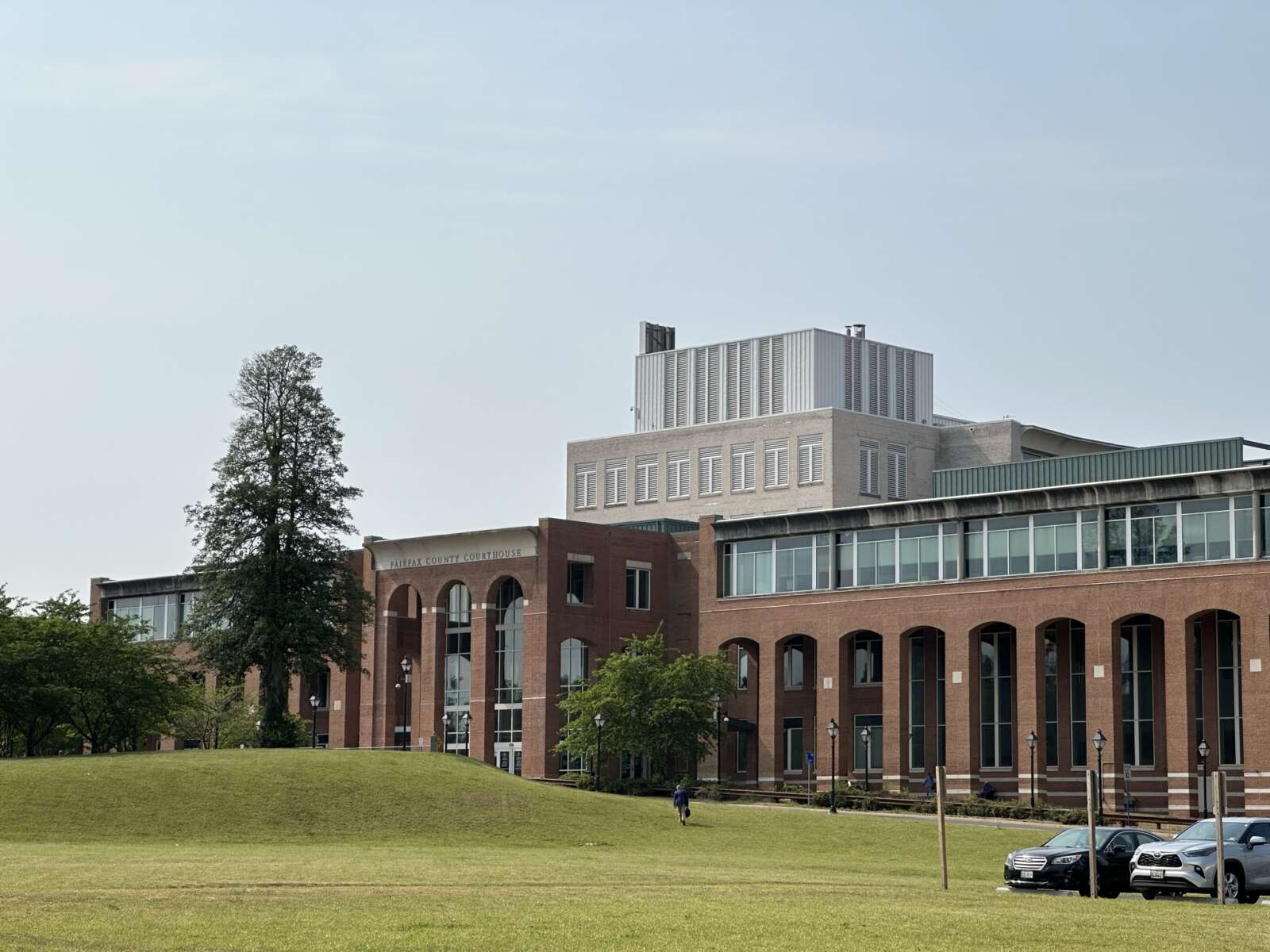
County of Fairfax: Comprehensive Guide to Government Services, Local Governance, and Community Resources in 2026
The County of Fairfax operates as a premier local government entity in Virginia, delivering essential municipal, public safety, and social services to over one million residents. Governed by the Fairfax County Board of Supervisors, the...
The County of Fairfax operates as a premier local government entity in Virginia, delivering essential municipal, public safety, and social services to over one million residents. Governed by the Fairfax County Board of Supervisors, the locality balances rapid urban development in transit hubs like Tysons with suburban preservation, maintaining nationally recognized public school systems, robust public health infrastructure, and comprehensive land-use planning frameworks.
Contents
Navigating Fairfax County Government Structure and Administrative Framework
Fairfax County operates under the urban county executive form of government, established by the Code of Virginia. This structure divides responsibilities between the Board of Supervisors, which sets policy and adopts the annual budget, and the County Executive, who manages day-to-day administrative operations across more than 50 distinct agencies.
The Board of Supervisors consists of ten members elected by district, plus the Chairman elected at-large. Each supervisor serves a four-year term, representing their specific magisterial district while voting on county-wide ordinances, zoning changes, and capital improvement programs. Residents can engage directly with local governance through public hearings, community advisory groups, and district town hall meetings.
The administrative machinery relies on specialized departments to deliver services efficiently. Key operational divisions include:
- Department of Management and Budget: Oversees fiscal planning, tax rate recommendations, and capital project tracking.
- Department of Information Technology: Maintains secure municipal networks, open data portals, and digital citizen engagement tools.
- Department of Human Resources: Manages recruitment, employee benefits, and workforce development for thousands of county personnel.
- Office of Public Affairs: Coordinates crisis communication, media relations, and public information campaigns across digital and print channels.
Public Safety, Emergency Management, and Law Enforcement Systems
Public safety in the County of Fairfax relies on an integrated network of professional agencies operating under strict mutual aid agreements and national emergency management standards. The Fairfax County Police Department (FCPD) patrols the jurisdiction's residential neighborhoods, commercial centers, and major transportation corridors, utilizing specialized units such as K-9 teams, cybercrime investigators, and traffic enforcement divisions.
The Fairfax County Fire and Rescue Department provides fire suppression, hazardous materials mitigation, and emergency medical services (EMS) through an extensive network of fire stations. Many units maintain advanced life support (ALS) capabilities and participate in Virginia Task Force 1 (VA-TF1), an elite urban search and rescue team deployable for domestic and international disasters.
Emergency Preparedness Standards Fairfax County Office of Emergency Management mandates that households maintain a minimum of a three-day supply of non-perishable food, bottled water, medications, and battery-powered communication equipment. Residents should register for Fairfax Alert to receive localized emergency notifications regarding severe weather, flash flooding, and active public safety incidents.
Property Taxation, Assessments, and Fiscal Administration
Property taxes form the primary revenue source for the County of Fairfax, funding public education, transportation infrastructure, and social programs. The Department of Tax Administration (DTA) assesses real estate and personal property annually at 100 percent of fair market value, following standards set by the Uniform Standards of Professional Appraisal Practice (USPAP).
Property owners receive annual assessment notices in early spring. Tax bills are typically split into two semi-annual installments, due in July and December. Failure to pay by the statutory deadlines incurs late payment penalties and statutory interest charges.
| Tax Category | Assessment Basis | Standard Billing Schedule | Primary Revenue Application |
|---|---|---|---|
| Real Estate Tax | 100% of fair market value | Semi-annual (July / December) | Fairfax County Public Schools (approx. 52%) & County Services |
| Personal Property Tax | NADA vehicle valuation guides | Annual (Due October 5) | Local transportation, parks, and libraries |
| Business, Professional, and Occupational License (BPOL) | Gross receipts of trade/business | Annual (Due March 1) | Economic development and business support |
| Refuse Collection Fee | Designated service districts | Semi-annual (Billed with real estate) | Residential solid waste and recycling operations |
Property owners who believe their assessment exceeds fair market value can appeal through administrative review with the DTA, followed by formal appeal to the Fairfax County Board of Equalization or the Circuit Court of Fairfax County.
Public Education Infrastructure Through Fairfax County Public Schools
Fairfax County Public Schools (FCPS) stands as the largest school division in Virginia and one of the largest in the United States, serving over 180,000 students across more than 200 schools and centers. FCPS operates under the governance of an elected twelve-member School Board and a superintendent appointed to manage academic execution and operational logistics.
Academic standards align with the Virginia Standards of Learning (SOL), enhanced by rigorous Advanced Placement (AP), International Baccalaureate (IB), and dual-enrollment opportunities through partnerships with Northern Virginia Community College (NOVA). Specialized magnet schools, such as Thomas Jefferson High School for Science and Technology, draw students county-wide through a competitive admissions process focused on STEM aptitude.
Special education services, English for Speakers of Other Languages (ESOL) programs, and comprehensive student wellness resources receive dedicated funding. The division emphasizes career and technical education (CTE) pathways, ensuring students gain industry-recognized certifications before graduation.
Health, Human Services, and Social Welfare Programs
The Fairfax County Department of Family Services and the Health Department deliver a comprehensive safety net for vulnerable populations, addressing public health, child welfare, economic assistance, and aging services. Operating in coordination with the Virginia Department of Social Services (VDSS), the county administers entitlement programs, nutritional support, and emergency financial aid.
Core health and social service offerings include:
- Medicaid and FAMIS Enrollment: Assistance for low-income families, children, pregnant individuals, and adults with disabilities.
- Supplemental Nutrition Assistance Program (SNAP): Issuance of electronic benefit transfer (EBT) cards for qualifying households.
- Adult and Child Protective Services: Investigative units responding to reports of abuse, neglect, or exploitation.
- Community Health Centers: Immunizations, tuberculosis screening, maternal and child health clinics, and communicable disease surveillance.
- Fairfax-Falls Falls Church Community Services Board (CSB): Mental health counseling, substance use disorder treatment, and developmental disability support.
Land Use, Zoning, and Comprehensive Plan Administration
Managing rapid growth while preserving environmental resources requires strict adherence to the Fairfax County Comprehensive Plan and the Zoning Ordinance. The Department of Planning and Development (DPD) guides long-range planning, evaluating how transportation networks, utility capacities, and open spaces intersect with commercial and residential development proposals.
The Board of Supervisors relies on recommendations from the Planning Commission—a citizen body appointed to review zoning map amendments, special exceptions, and public facility reviews. Zoning regulations divide the county into distinct districts (e.g., residential, commercial, industrial), dictating building heights, setbacks, lot coverage, and permitted signage.
Property owners seeking deviations from existing zoning rules must submit applications for variances or special permits to the Board of Zoning Appeals (BZA). Public notification requirements ensure adjacent property owners and civic associations can voice support or opposition during formal public hearings.
Parks, Recreation, and Environmental Stewardship
The Fairfax County Park Authority (FCPA) manages over 24,000 acres of parkland, operating an extensive system of stream valley parks, historic sites, golf courses, nature centers, and athletic complexes. Distinct from the Virginia state parks system and local town properties, the FCPA provides recreational programming designed to promote public health and environmental conservation.
Key environmental and recreational infrastructure includes:
- RECenters: Indoor aquatic facilities, fitness centers, gymnasiums, and multi-purpose rooms located strategically across the county.
- Historic Properties: Restored 18th- and 19th-century sites, including Colvin Run Mill and Sully Historic Site, offering educational tours.
- Stream Protection Strategies: Watershed monitoring programs aimed at reducing stormwater runoff, controlling erosion, and preserving native flora and fauna.
- Fairfax County Tree Action Plan: Urban forestry initiatives designed to maintain a robust tree canopy, mitigate urban heat island effects, and improve air quality.
Pros and Cons of Living and Operating in Fairfax County
Evaluating the benefits and challenges of the County of Fairfax helps residents, business owners, and prospective newcomers make informed decisions regarding relocation, investment, and civic engagement.
Advantages
- Economic Vitality: Proximity to Washington, D.C., federal agencies, and major defense contractors yields low unemployment rates and strong median household income metrics.
- Educational Excellence: Nationally ranked public schools, extensive library networks, and access to higher education institutions.
- Public Safety: Low crime rates relative to national averages, supported by professional law enforcement and fire rescue services.
- Infrastructure: Extensive multi-modal transportation options, including the Washington Metro rail system, Fairfax Connector bus network, and major highway arteries like the Capital Beltway (I-495) and I-66.
Disadvantages
- Cost of Living: High median real estate prices, steep rental rates, and elevated property tax assessments create financial barriers for moderate-income households.
- Traffic Congestion: Severe rush-hour bottlenecks along major commuter routes, particularly during peak travel windows toward Tysons, Reston, and the District of Columbia.
- Regulatory Complexity: Navigating zoning, permitting, and land-use regulations can be time-consuming for residential renovators and commercial developers alike.
Step-by-Step Guide to Accessing County Building and Zoning Permits
Property owners undertaking structural renovations, additions, or commercial build-outs must secure proper permits through Land Development Services (LDS) to ensure compliance with the Virginia Uniform Statewide Building Code (VUSBC).
- Determine Permit Requirements: Review the LDS portal to verify whether the project requires building, electrical, plumbing, or mechanical permits. Minor cosmetic updates often remain exempt, while structural changes require detailed architectural drawings.
- Prepare Professional Plans: Compile scaled site plans, structural calculations, and engineering diagrams meeting county submission standards. Commercial projects typically require stamps from a Virginia-licensed architect or professional engineer.
- Submit Application Digitally: Upload documentation through the PLUS (Planning and Land Use System) portal. Pay initial intake fees using an approved electronic payment method.
- Undergo Plan Review: Departmental reviewers (building, zoning, health, environmental) evaluate the submission for code compliance. Address any review comments or deficiency letters promptly to avoid project delays.
- Secure Permits and Execute Work: Once approved and fees are paid, print the official placard and post it visibly on the job site. Ensure all general contractors hold appropriate Virginia state contractor licenses and county business licenses.
- Schedule Mandatory Inspections: Request required phase inspections (e.g., footing, framing, rough-in) through the PLUS system before covering any work with drywall or masonry. Obtain a final Certificate of Occupancy upon project completion.
Frequently Asked Questions About Fairfax County Services
How do I register to vote or update my voter registration in Fairfax County?
Voter registration is managed by the Fairfax County Office of Elections. Citizens can register online via the Virginia Department of Elections portal using a Virginia driver's license, by mail, or in person at the Government Center and regional government offices.
What is the schedule for trash and recycling collection?
Trash and recycling collection is managed privately for most single-family neighborhoods through contracted haulers chosen by homeowners associations or individual residents. The county directly provides refuse and recycling collection only within designated sanitary districts.
How do I pay my vehicle personal property taxes?
Vehicle personal property taxes are billed annually by the Department of Tax Administration and are due by October 5. Payments can be made securely online via the county website, by mail, or by utilizing drop-off boxes located at the Fairfax County Government Center.
Where can I access public library services and obtain a library card?
The Fairfax County Public Library (FCPL) system operates numerous branches across the county. Residents of Fairfax County, Fairfax City, and the towns of Vienna, Herndon, and Clifton can obtain a free library card by presenting proof of identity and residency at any branch location.
How are property tax assessments determined?
Property assessments are calculated annually by the Department of Tax Administration based on recent market sales of comparable properties in the neighborhood. Assessors evaluate square footage, land size, structural improvements, and overall market conditions to determine fair market value.
Who is responsible for maintaining local roads and sidewalks?
Most public roads and sidewalks within Fairfax County are maintained by the Virginia Department of Transportation (VDOT) rather than the county government. Residents should report potholes, missing street signs, or signal malfunctions directly through the VDOT Customer Service Center.
Conclusion and Official Contact Information
Navigating the resources, regulations, and services provided by the County of Fairfax requires understanding the division of responsibilities between local departments, state agencies, and elected boards. Whether paying property taxes, applying for building permits, engaging with public education, or utilizing park facilities, proactive use of official county portals ensures efficient interactions.
For further assistance, urgent inquiries, or in-person service appointments, contact the Fairfax County Government Center directly:
- Address: 12000 Government Center Parkway, Fairfax, VA 22035
- Main Telephone: 703-324-2532 (TTY 711)
- Official Website: fairfaxcounty.gov
Image Gallery