Nickelodeon in 1990: The Cultural Evolution and Golden Age of Cable Animation
The year 1990 marked a seismic shift for Nickelodeon, transforming the cable network from a quirky alternative channel into a dominant pop culture powerhouse for youth entertainment. This pivotal twelve-month window laid the structural...
The year 1990 marked a seismic shift for Nickelodeon, transforming the cable network from a quirky alternative channel into a dominant pop culture powerhouse for youth entertainment. This pivotal twelve-month window laid the structural, creative, and financial foundations for modern children's television, highlighted by the historic launch of Nicktoons, groundbreaking live-action game shows, and a rebellious corporate identity that permanently redefined how networks spoke to kids.
Contents
The Genesis of the Nicktoons Revolution
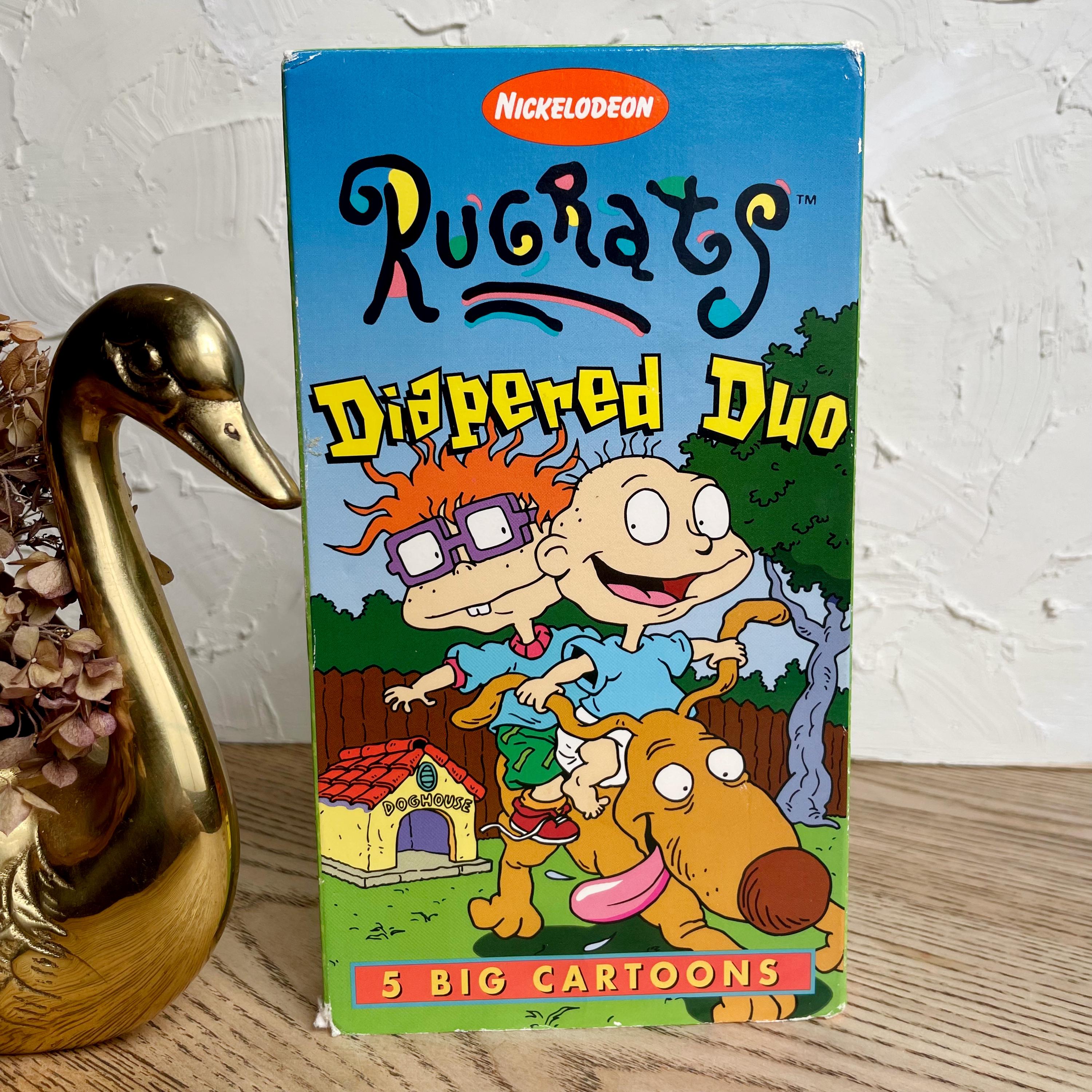
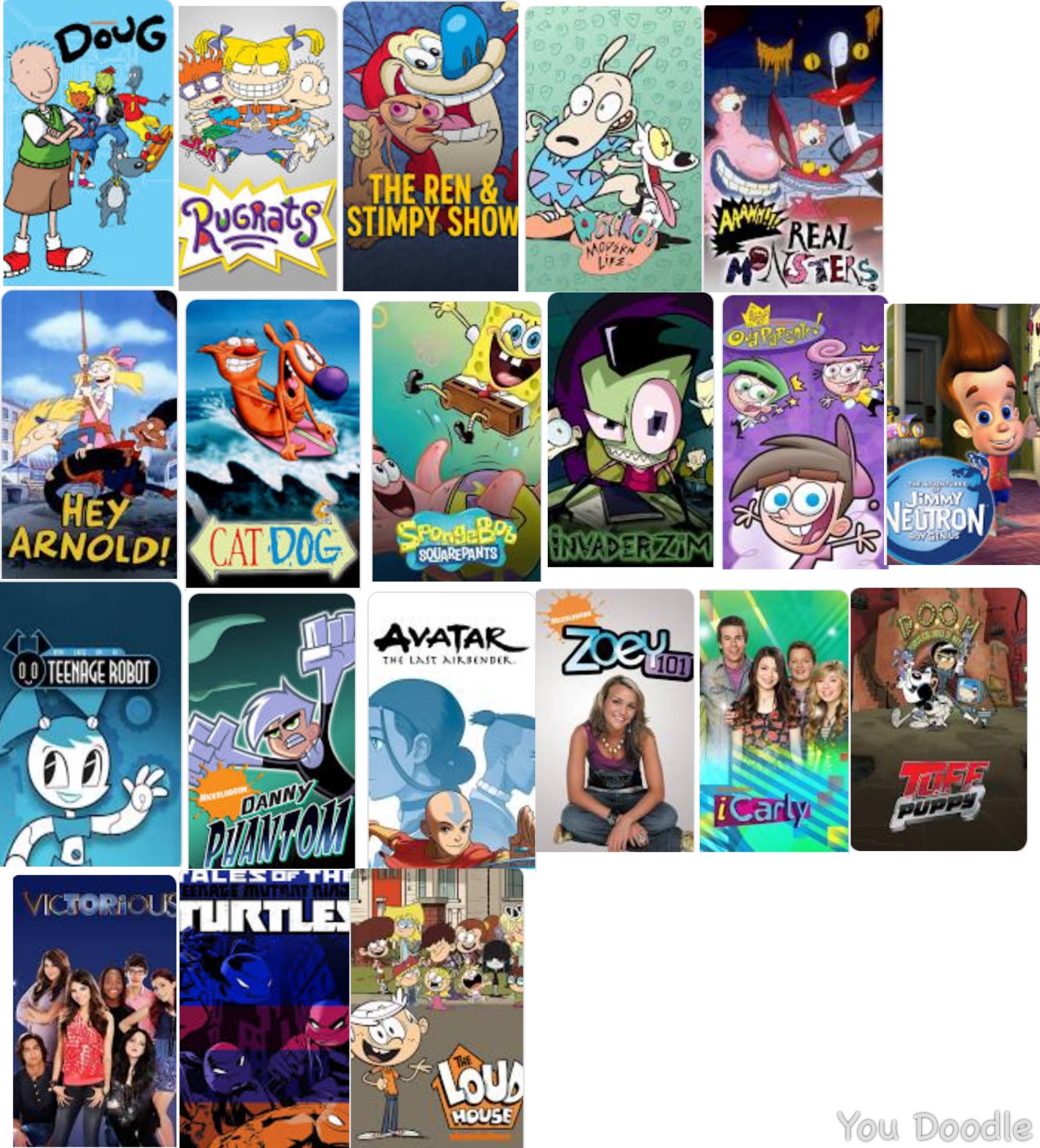
Before 1990, animated series on television were largely dominated by syndicated toy-commercial cartoons or Saturday morning blocks that prioritized cheap production and direct-to-retail marketing. Traditional animation studios routinely rejected creator-driven concepts that featured flawed, quirky characters or unconventional artistic styles. Nickelodeon disrupted this paradigm in August 1990 by announcing its ambitious slate of original animated series, known collectively as Nicktoons.
This strategy flipped industry standards on their head by giving creators unprecedented artistic control, treating animation as a primary artistic medium rather than filler programming. The network partnered with visionary animators, writers, and independent studios like Klasky Csupo and Games Animation to build a stable of shows that felt distinctly different from network competitors like ABC, CBS, and NBC.
- Creator-First Mandate: Unlike traditional studios that altered concepts for marketability, Nickelodeon encouraged original visual styles and idiosyncratic humor.
- Prime-Time and Rotational Scheduling: Nicktoons were not relegated to a single Saturday morning window; they aired multiple times a day, building loyal, immersive viewing habits.
- Merchandising Restraint: Initial development focused heavily on storytelling and character depth over immediate toy-line licensing agreements.
Landmark Premieres and Cultural Impact of 1990
While production and development kicked into overdrive throughout the year, the strategic groundwork laid in 1990 directly birthed the premiere block in August 1991, featuring titles that were entirely conceived, greenlit, and styled during this transformative era. The creative ethos established in 1990 centered on validating childhood anxieties, messy play, and unapologetic weirdness.
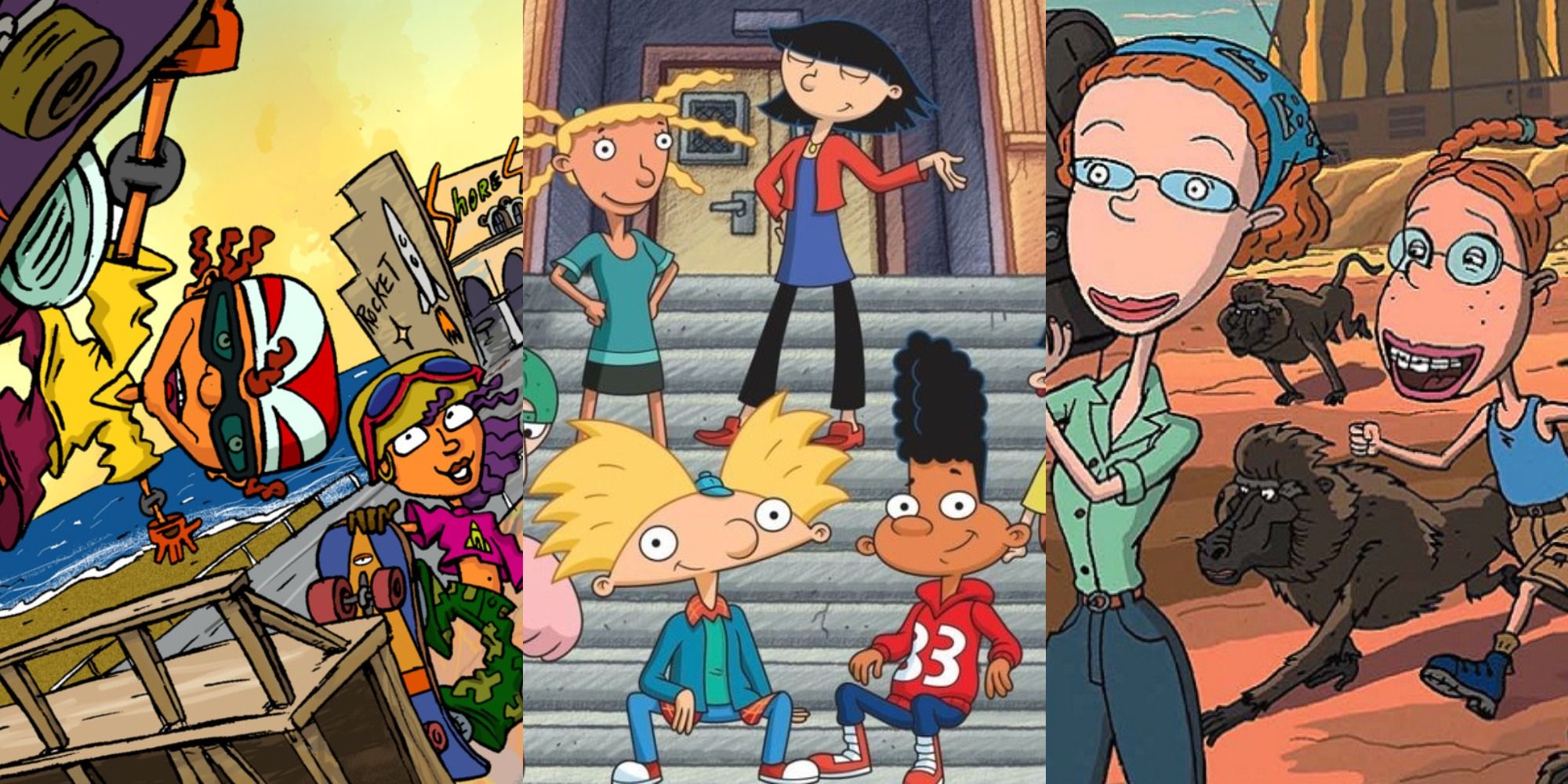
Shows developed and finalized during this period moved away from sanitized moral lessons. Instead, they embraced the genuine perspective of children navigating everyday suburban life, urban adventures, and surreal comedic scenarios. This approach generated an unprecedented psychological bond between the audience and the network.
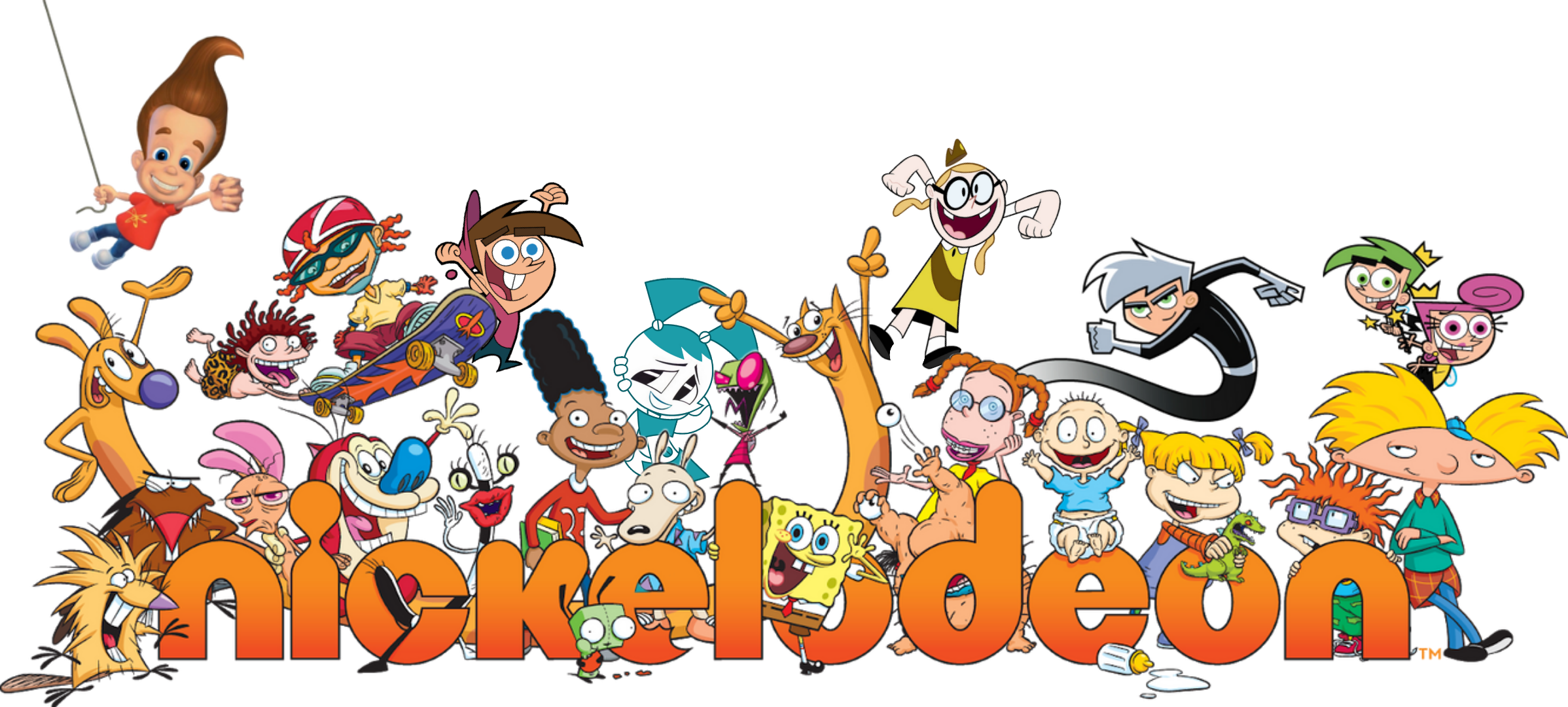
The Nickelodeon Identity Shift In 1990, the network cemented its transition from a standard cable supplier into an independent lifestyle brand. By leveraging iconic branding—such as the green slime, orange splatter logos, and authentic kid-on-the-street interviews—Nickelodeon established an exclusive club where adults were intentionally kept on the outside.
Live-Action Programming and Game Shows of the Era
Animation was only one pillar of Nickelodeon's 1990 dominance. The network's live-action slate relied on high-energy, participatory game shows and sketch comedy that treated kids with high comedic intelligence. Productions like Double Dare, Finders Keepers, and early developments for Clarissa Explains It All captured the kinetic energy of the early nineties.
The operational logistics behind these studio-based productions required immense technical coordination. Utilizing state-of-the-art facilities in Orlando, Florida (Nickelodeon Studios at Universal Studios), the network created an immersive tourism and production ecosystem where live audiences of children directly influenced the physical outcome of broadcasts.
| Production / Entity | Primary Format | Production Hub | Cultural Legacy |
|---|---|---|---|
| Nicktoons Development | Original Animation | Los Angeles, CA | Established creator-driven cable animation frameworks. |
| Nickelodeon Studios | Live-Action / Game Shows | Universal Studios, Orlando, FL | Merged theme park tourism with live television production. |
| Slime Culture | Network Trademark / Gag | Universal Studios & On-Location | Created the ultimate badge of honor and visual identifier for the brand. |
| Kids' Choice Awards | Annual Live Event | Los Angeles, CA | Validated youth democratic choice in mainstream entertainment. |
Strategic Business Models and Cable Expansion
The financial success of Nickelodeon in 1990 stemmed from MTV Networks' aggressive cable carriage negotiations and demographic targeting. By carving out a dedicated, 24-hour block for children and teenagers, the network captured a lucrative, highly coveted demographic that traditional broadcast networks largely ignored outside of restricted weekend and after-school windows.
Advertisers quickly recognized that Nickelodeon possessed a captive, highly attentive audience. This realization funded larger budgets for original programming, allowing the network to take creative risks that terrified legacy networks. The economic model proved that cable subscriptions combined with targeted ad revenue could sustain high-end, proprietary intellectual property.
- Demographic Exclusivity: Programming specifically tailored by age group, from preschool blocks (Nick Jr.) to pre-teen prime time.
- Synergy with Print: Nickelodeon Magazine pilot testing began expanding the brand footprint into publishing.
- Global Licensing: Establishing international distribution channels that exported American cable culture abroad.
Comparing 1990s Children's Television Models
To understand the magnitude of Nickelodeon's shift in 1990, it is vital to contrast its business and creative model against traditional broadcast standards of the period.
| Feature / Metric | Traditional Broadcast Networks (1990) | Nickelodeon Strategy (1990) |
|---|---|---|
| Broadcast Window | Restricted to Saturday mornings and weekday afternoons. | 24-hour dedicated children's cable network. |
| Content Origin | Heavily reliant on toy-franchise tie-ins and syndicated classics. | Original creator-driven IP (Nicktoons and live-action). |
| Tone and Style | Sanitized, risk-averse, strictly moralistic storytelling. | Edgy, messy, empathetic to real childhood experiences. |
| Revenue Stream | Broadcast advertising and direct toy merchandise tie-ins. | Cable subscription fees paired with targeted youth advertising. |
Troubleshooting Creative Stagnation: Lessons from the 1990 Blueprint
Modern media strategists and animation studios frequently look back at Nickelodeon's 1990 blueprint to solve contemporary problems of creative burnout and risk aversion in content creation.
- Prioritize Creator Vision Over Focus Groups: Over-testing concepts often strips away unique artistic edges. Trusting singular creative voices yields iconic, long-lasting characters.
- Build Immersive Ecosystems: Content should live across multiple formats—linear broadcast, interactive studio sets, print, and experiential environments.
- Embrace Authenticity: Audiences instantly reject condescending content. Speaking directly to the actual lived experience of the target demographic builds unbreakable brand loyalty.
Conclusion
The year 1990 was not merely a calendar entry for Nickelodeon; it was the crucible in which modern children's media was forged. By betting on original animation, respecting the intelligence and chaotic energy of kids, and building a distinct corporate identity, Nickelodeon permanently altered the television landscape, creating a golden age whose cultural ripples are still felt across the entertainment industry today.
Image Gallery