Bob Watson and the Yankees Legacy: Building a Championship Dynasty
Bob Watson left an indelible mark on the New York Yankees by serving as general manager from October 1995 to November 1997, constructing the roster that won the 1996 World Series. In doing so, Watson became the first African American g...
Bob Watson left an indelible mark on the New York Yankees by serving as general manager from October 1995 to November 1997, constructing the roster that won the 1996 World Series. In doing so, Watson became the first African American general manager to win a Major League Baseball World Series title, establishing a foundation that fueled the late-1990s Yankees dynasty.
Contents
Who Was Bob Watson? Player, Executive, and Trailblazer
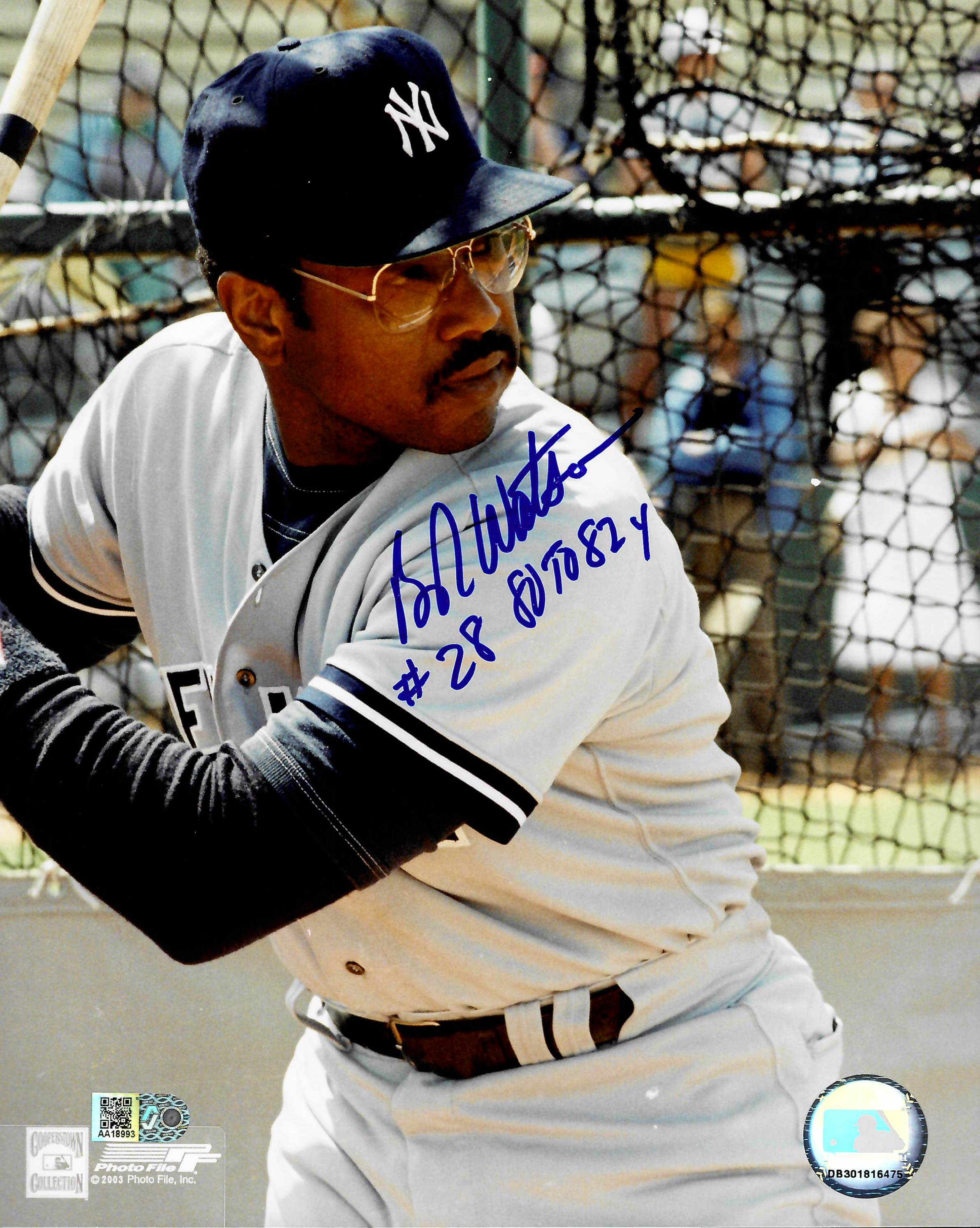
Bob Watson, affectionately nicknamed "The Bull" during his playing days, enjoyed a distinguished 19-year Major League Baseball (MLB) career before establishing himself as a pioneering front-office executive. Born on April 10, 1946, in Los Angeles, California, Watson broke into the big leagues with the Houston Astros in 1966. Over nearly two decades as a slugging first baseman and left fielder, he posted a career .295 batting average, accumulated 182 home runs, earned two All-Star selections, and achieved historic milestones—such as scoring MLB's officially recognized 1,000,000th run on May 4, 1975, and becoming the first player in modern baseball history to hit for the cycle in both the National and American Leagues.
After retiring as an active player in 1984, Watson transitioned seamlessly into coaching and front-office administration. He joined the Oakland Athletics as a hitting coach in 1988, contributing to their 1989 World Series victory, before entering executive leadership with the Houston Astros. In 1993, Watson was named general manager of the Astros, making him the second African American in MLB history to hold the top baseball operations role, following Bill Lucas of the Atlanta Braves in 1977.
When New York Yankees principal owner George Steinbrenner sought a decisive executive to end the franchise's 18-year World Series drought, he turned to Watson in October 1995. Watson accepted the role, stepping into one of the most high-pressure environments in professional sports and setting the stage for a transformative era in Yankees history.
The 1995–1996 Turnaround: Transforming the New York Yankees Roster
When Bob Watson arrived in New York in the autumn of 1995, the Yankees were at a critical juncture. The franchise had just suffered a heart-wrenching loss to the Seattle Mariners in the 1995 American League Division Series (ALDS), extending a championship drought that stretched back to 1978. Furthermore, team captain and fan favorite Don Mattingly was nearing retirement, leaving a void at first base and in clubhouse leadership.
Watson immediately set out to restructure the organization with a clear strategic vision: balance elite veteran talent with young, hungry homegrown prospects, and foster a stable, disciplined clubhouse environment.
The Hiring of Joe Torre
Watson's first major decision as general manager was hiring Joe Torre to replace Buck Showalter as manager in November 1995. The move met with sharp initial criticism from the New York media, with one infamous tabloid headline dubbing the veteran skipper "Clueless Joe." Torre had accumulated decades of managerial experience with the Mets, Braves, and Cardinals without reaching a World Series.
Watson, however, recognized that Torre possessed the emotional intelligence, composure, and authoritative calm required to navigate George Steinbrenner’s intense scrutiny and handle the New York pressure cooker. History validated Watson’s decision immediately. Torre’s steady hand complemented Watson’s roster construction, leading to a synergistic partnership that transformed the Yankees' internal culture.
Strategic Trades and Key Acquisitions
Rather than gutting the team's depth for aging stars, Watson executed targeted trades and free-agent signings designed to fill specific operational needs:
- Replacing Don Mattingly at First Base: Watson acquired first baseman Tino Martinez from the Seattle Mariners in December 1995, alongside reliever Jeff Nelson, in exchange for pitching prospects. Martinez brought durable defense, power, and run production, driving in 117 runs during the 1996 regular season.
- Outfield Depth and On-Base Percentage: Watson signed veteran outfielder Tim Raines, whose speed and veteran leadership anchored the top of the lineup, providing high on-base production and savvy base-running.
- Mid-Season Power Boost: In July 1996, Watson traded for slugger Cecil Fielder from the Detroit Tigers. Fielder provided crucial right-handed power down the stretch, driving in key runs throughout the postseason.
- Pitching Stability: Watson bolstered the rotation by re-signing David Cone following his recovery from an aneurysm, while adding durable starter Kenny Rogers and maintaining key relief pitchers such as setup man Mariano Rivera and closer John Wetteland.
Preserving the Core Four: Protecting the Future
While Watson was aggressive in acquiring established talent, his most enduring contribution to the Yankees legacy was his refusal to trade away top minor-league prospects. During the mid-1990s, pressure to yield instant results often led front offices to trade young talent for veteran rentals. Watson, along with key player-personnel executives like Gene Michael, steadfastly protected the young nucleus that would later become known as the "Core Four":
- Derek Jeter: Watson committed to Jeter as the starting shortstop for the 1996 season, resisting calls to sign expensive veteran stopgaps after Jeter struggled in initial spring workouts. Jeter went on to win the 1996 AL Rookie of the Year award.
- Mariano Rivera: When owner George Steinbrenner considered trading Rivera to acquire established shortstops or starters, Watson strongly resisted, preserving Rivera's role as a dominant eighth-inning setup man in 1996 before his transition to full-time closer.
- Andy Pettitte: Watson maintained Pettitte in the starting rotation, where the young left-hander emerged as a 21-game winner and the runner-up for the 1996 AL Cy Young Award.
- Jorge Posada: Watson retained Posada as a developing catcher, building depth behind veteran Jim Leyritz and Joe Girardi.
By shielding these young players from premature trades, Watson secured both immediate success in 1996 and sustainable excellence for the next decade.
Key Roster Transactions Under Bob Watson (1995–1997)
The table below outlines the key front-office transactions executed by Bob Watson during his tenure as New York Yankees General Manager:
| Date | Transaction Type | Players Involved | Impact on Yankees Dynasty |
|---|---|---|---|
| Nov 2, 1995 | Managerial Hire | Named Joe Torre as Manager | Established leadership stability; led team to 4 World Series titles. |
| Dec 7, 1995 | Trade with Mariners | Acquired Tino Martinez, Jeff Nelson, Jim Mecir for Russ Davis, Sterling Hitchcock | Secured long-term first baseman and vital late-inning bullpen depth. |
| Dec 21, 1995 | Free Agent Signing | Signed Tim Raines | Added veteran leadership, speed, and high on-base percentage. |
| Dec 1995 | Free Agent Signing | Signed Joe Girardi | Provided defensive stability and leadership behind the plate for young pitchers. |
| Jul 31, 1996 | Trade with Tigers | Acquired Cecil Fielder for Ruben Sierra and Matt Drews | Added middle-of-the-order power for the 1996 postseason run. |
| Aug 1996 | Waiver Acquisition | Acquired Charlie Hayes | Hit final pop-up out to secure the 1996 World Series championship victory. |
Breaking Barriers: The Historic 1996 World Series Championship
The pinnacle of Bob Watson’s tenure arrived in October 1996. After clinching the AL East title with a 92-70 record, the Yankees defeated the Texas Rangers in the ALDS and the Baltimore Orioles in the ALCS to advance to their first World Series since 1981.
Facing the defending champion Atlanta Braves, the Yankees dropped the first two games at home in New York. Under intense pressure, the roster constructed by Watson demonstrated remarkable resilience, winning three consecutive games in Atlanta—highlighted by Jim Leyritz's iconic Game 4 home run—before returning to Yankee Stadium to capture Game 6 by a score of 3-2.
When Charlie Hayes squeezed the final pop-up in Game 6, Bob Watson etched his name into sports history. He became the first African American general manager to win a World Series title.
Watson's victory was a watershed moment for executive diversity in North American professional sports. It demonstrated that minority executives could successfully manage high-stakes financial operations, complex player negotiations, and intense media scrutiny at the highest level of professional athletics.
Passing the Torch: From Watson to Brian Cashman
The physical and emotional toll of managing the Yankees under George Steinbrenner was significant. Watson dealt with severe health challenges, including prostate cancer, which required treatment during his tenure. Following the 1997 season—in which the Yankees won 96 games but fell to the Cleveland Indians in five games in the ALDS—Watson decided to step down as general manager in November 1997.
Upon his departure, Watson handed the front-office reins to his assistant general manager, Brian Cashman, in February 1998. Cashman inherited a complete championship infrastructure:
- A balanced, experienced roster with proven postseason success.
- A developed bullpen featuring Mariano Rivera as closer and Jeff Nelson as setup man.
- An established managerial structure under Joe Torre.
- The matured "Core Four" entering their athletic primes.
Cashman guided the 1998 Yankees to a historic 114-win regular season and another World Series victory, followed by titles in 1999 and 2000. While Cashman earned acclaim for maintaining and refining the roster, baseball historians credit Bob Watson with designing the master blueprint that initiated the late-1990s dynasty.
Life After New York: Executive Leadership at Major League Baseball
After leaving the Yankees, Watson brought his executive acumen to the highest levels of baseball administration. In 1997, MLB Commissioner Bud Selig appointed Watson as Major League Baseball’s Vice President of Rules and On-Field Operations.
In this role, which he held until his retirement in 2010, Watson oversaw:
- On-Field Discipline: Managing suspensions, fines, and player appeal hearings across all 30 MLB franchises.
- Rules Enforcement: Overseeing uniform standards, equipment regulations, and pace-of-play guidelines.
- Stadium Security and Operations: Developing modernized venue safety policies and international exhibition standards.
Watson carried out his league duties with the same fairness, attention to detail, and integrity that characterized his playing career and front-office tenure. Watson passed away on May 14, 2020, at the age of 74, leaving behind a profound legacy as a trailblazing athlete, general manager, and league official.
Frequently Asked Questions
When was Bob Watson the General Manager of the New York Yankees?
Bob Watson served as the general manager of the New York Yankees from October 1995 through November 1997. During his two-year tenure, he restructured the team's roster, hired manager Joe Torre, and built the squad that won the 1996 World Series.
Why is Bob Watson's 1996 World Series victory historically significant?
Bob Watson's 1996 World Series championship was historic because he became the first African American general manager in Major League Baseball history to win a World Series title. His achievement paved the way for increased racial diversity in executive front offices across professional sports.
What key roster moves did Bob Watson make for the Yankees?
Watson executed several defining moves, including hiring manager Joe Torre in November 1995, trading for first baseman Tino Martinez and reliever Jeff Nelson, acquiring veteran outfielder Tim Raines, signing catcher Joe Girardi, and trading for mid-season power hitter Cecil Fielder in 1996.
How did Bob Watson protect the Yankees' "Core Four"?
Despite media and ownership pressure to trade young prospects for established veteran stars, Watson refused to package Derek Jeter, Mariano Rivera, Andy Pettitte, or Jorge Posada in trades. He maintained Jeter as the starting shortstop, kept Rivera in late-inning relief, and preserved Pettitte in the starting rotation.
What role did Bob Watson play in MLB after leaving the Yankees?
After stepping down as Yankees general manager in late 1997, Watson served as Major League Baseball’s Vice President of Rules and On-Field Operations from 1997 until his retirement in 2010. He oversaw player discipline, rule enforcement, equipment regulations, and stadium security across the league.
Actionable Takeaway: Remembering Bob Watson’s Executive Playbook
Bob Watson’s tenure with the New York Yankees serves as a masterclass in executive leadership, sports management, and organizational construction. For researchers, baseball historians, and sports executives analyzing team construction, Watson’s operational strategy highlights three essential principles:
- Balance Experience with Youth: Build around a core of cost-controlled homegrown talent while strategically adding targeted veterans to fill specific operational holes.
- Maintain Long-Term Discipline: Resist short-term panic and external pressure to trade away core prospective assets for temporary fixes.
- Select Culture-Fit Leadership: Match team leadership (such as managers and head coaches) to the specific organizational culture and market pressures of the environment.
To explore more primary historical records regarding Bob Watson's executive career and baseball statistics, consult official archives maintained by the National Baseball Hall of Fame and official historical records at Major League Baseball.
Image Gallery