How to Report a Power Outage in Houston: 2026 Emergency Guide
If you experience a power failure in the Greater Houston area, you can report a power outage directly to CenterPoint Energy, the primary electric transmission and distribution utility for the region, via their online outage tracker, mo...
If you experience a power failure in the Greater Houston area, you can report a power outage directly to CenterPoint Energy, the primary electric transmission and distribution utility for the region, via their online outage tracker, mobile app, or by calling 713-207-2222. Residents served by alternative Electric Service Providers (ESPs) or rural cooperatives on the outer fringes of Harris County must contact their specific provider to ensure crews are dispatched efficiently.
Contents
Navigating an unexpected electrical failure in Southeast Texas requires immediate action, precise identification of your utility provider, and awareness of active weather threats. Whether a severe summer thunderstorm, a tropical system, or infrastructure maintenance has plunged your neighborhood into darkness, knowing how to communicate the issue effectively ensures a faster restoration response. This comprehensive 2026 guide outlines the exact protocols, reporting channels, safety measures, and technical requirements needed when the lights go out in Houston.
Identifying Your Electric Utility Provider in Houston
Before you can report an outage, you must determine which entity manages the physical power lines servicing your property. While the deregulated electricity market in Texas allows you to choose your retail electric provider (REP) for billing—such as Reliant Energy, TXU Energy, or Green Mountain Energy—the physical infrastructure is maintained by regional transmission and distribution utilities (TDUs).
In the vast majority of Houston proper and Harris County, CenterPoint Energy is the sole TDU responsible for poles, wires, transformers, and outage restoration. However, depending on whether your home or business sits on the outer edges of the metropolitan area, your service provider might differ.
- CenterPoint Energy: Covers Houston and surrounding municipalities within Harris, Fort Bend, Montgomery, Brazoria, and Galveston counties.
- Entergy Texas: Serves portions of the northern and eastern Greater Houston metroplex, including Montgomery, Liberty, and Walker counties.
- Texas-New Mexico Power (TNMP): Operates in localized pockets around the outer edges of the Greater Houston area, such as Alvin, League City, and parts of Brazoria County.
- Sam Houston Electric Cooperative (Sam Houston EC): A member-owned co-op serving rural and semi-rural areas north of Houston.
Checking your monthly electricity bill will clearly state the name of your TDU alongside your ESID (Electric Service Identifier) number—a unique 17-to-22-digit number beginning with "10" that identifies your specific meter location.
Primary Methods to Report a Power Outage to CenterPoint Energy
CenterPoint Energy provides multiple channels for customers to report outages, check restoration progress, and view live system updates. Choosing the right method depends on your current access to cellular data, internet connectivity, and phone service.
1. Online Outage Tracker
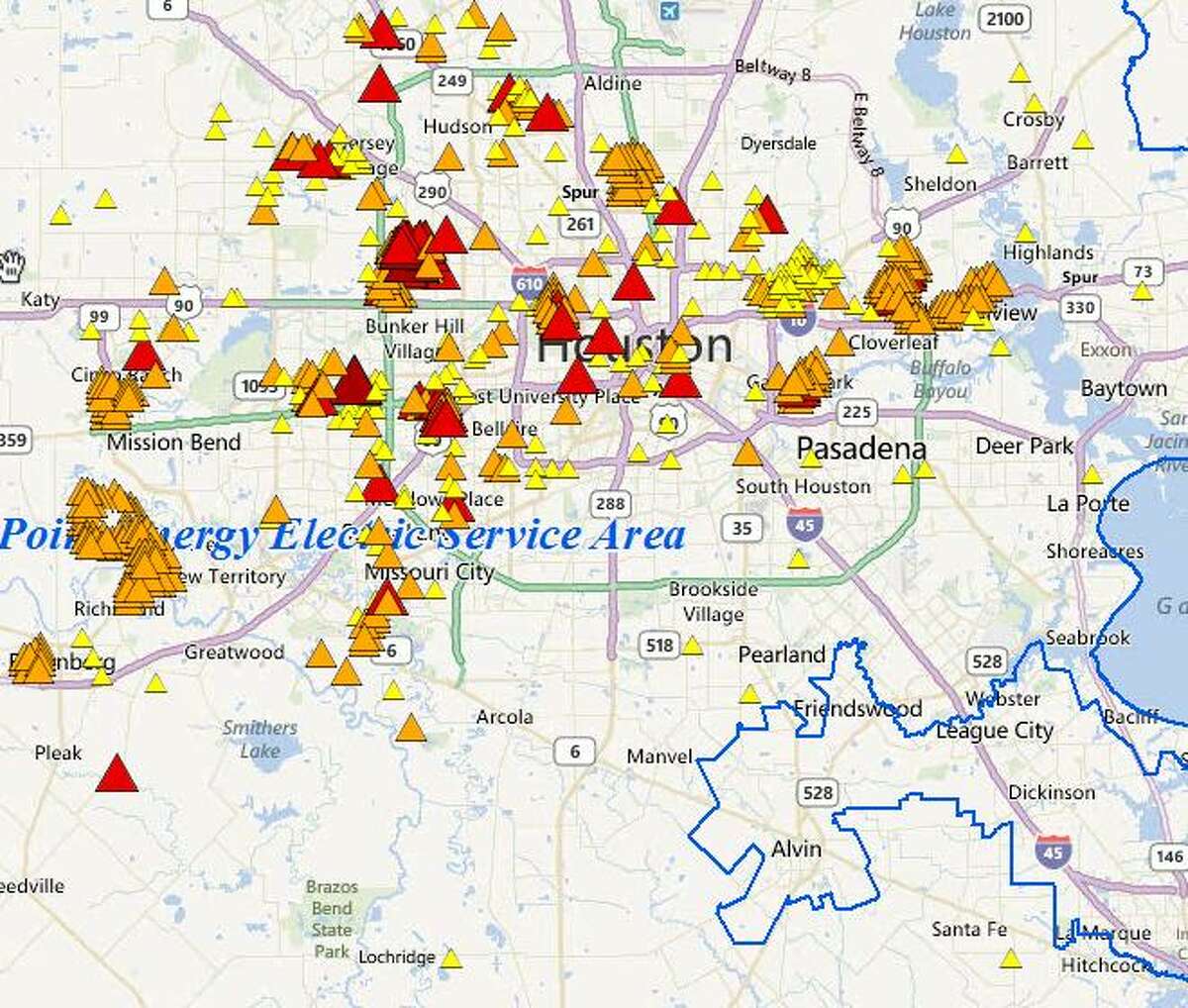
The online Outage Tracker is the most detailed tool available. It allows you to view localized outage maps, estimate crew arrival times, and confirm whether your specific address has been logged in their system.
- Visit the official CenterPoint Energy Outage Tracker website using a mobile device or battery-backed laptop.
- Input your specific street address or ESID number.
- Review the status of your neighborhood transformer and submit a new report if your home is marked as active while your lights are out.
2. Text Message Reporting
If you have enrolled in CenterPoint Energy's Power Alert Service, you can report and track outages via SMS text messaging.
- Text OUT to 71322 to report an outage associated with your registered mobile phone number.
- Receive automated updates regarding estimated restoration times (ETRs) and crew dispatch statuses as work progresses.
3. Telephone Reporting
When internet connectivity is compromised, calling the utility directly remains a reliable fallback method, though wait times can spike during major severe weather events.
- Call CenterPoint Energy's dedicated outage hotline at 713-207-2222.
- Follow the automated interactive voice response (IVR) prompts to report an outage at your registered service address.
- Speak with an automated system or representative to log emergency hazards, such as downed power lines or sparking transformers.
| Reporting Method | Primary Access Requirement | Best Used For | Estimated Response Speed |
|---|---|---|---|
| Online Tracker | Cellular Data / Wi-Fi | Detailed neighborhood maps & status tracking | Instant digital logging |
| Text (SMS) | Basic Mobile Phone | Quick reporting via keyword commands (OUT) |
Immediate automated logging |
| Phone Hotline | Voice Call Connection | Reporting downed lines or speaking to agents | Dependent on call queue volume |
Step-by-Step Guide to Reporting an Outage Efficiently
When a widespread storm hits Houston, utility phone lines and web servers experience massive surges in traffic. Preparing ahead and following a structured approach prevents reporting delays and ensures accurate data collection by utility dispatchers.
- Verify Your Circuit Breakers: Before assuming a grid failure, inspect your indoor electrical panel. Check for tripped circuit breakers or a tripped main breaker. If only one room or appliance lacks power, the issue is likely internal to your home rather than a utility outage.
- Check Surrounding Properties: Look outside to see if your neighbors' exterior lights, streetlights, or traffic signals are operational. If the entire street is dark, the issue is definitely a regional grid outage.
- Locate Your Account Information: Have your account number, registered phone number, or ESID number ready. Providing precise location data prevents dispatchers from misidentifying the scope of the neighborhood failure.
- Submit the Report: Use your preferred channel—online portal, text message, or phone call—to register the outage against your meter. If you smell gas or see downed lines, report those hazards immediately as emergency priorities.
- Monitor Updates: Refrain from calling back repeatedly for status updates unless new hazards develop. Rely on text alerts or the online tracker to monitor restoration phases.
Critical Safety Protocols During Houston Power Failures
Electricity restoration operations involve heavy equipment, high-voltage lines, and hazardous environmental conditions. Adhering to strict safety rules protects your household and allows utility crews to work without interference.
Electrical Safety Rules:
Never Touch Downed Power Lines: Always assume every downed wire is energized and carrying lethal voltage, even if it looks harmless or lies in standing water. Keep children, pets, and vehicles at least 35 feet away and report them immediately to 911 and your utility provider.
Portable Generator Operation: Never run gasoline or diesel generators inside a garage, enclosed patio, or near open windows. Carbon monoxide buildup can be fatal within minutes. Position units at least 20 feet away from structures with the exhaust pointing away from living areas.
Appliance Protection: Unplug sensitive electronics, computers, and major motor-driven appliances (like refrigerators and AC units) during an outage to protect them from voltage surges when power is abruptly restored to the grid.
Understanding CenterPoint Energy's Restoration Priority Phases
When severe weather strikes the Texas Gulf Coast, utilities do not restore power on a first-come, first-served basis. Instead, they follow a strict triage protocol to maximize public safety and restore service to the largest number of customers as quickly as possible.
- Phase 1: Critical Infrastructure: Priority is given to facilities vital to public health, safety, and security. This includes hospitals, water treatment plants, police and fire stations, and critical communication hubs.
- Phase 2: Major Transmission Lines & Substations: Crews repair high-voltage transmission lines and major substations that feed large blocks of customers. Restoring a single substation can simultaneously re-energize thousands of homes.
- Phase 3: Primary Distribution Circuits: Technicians fix feeder lines that carry electricity from substations out into local neighborhoods and commercial corridors.
- Phase 4: Neighborhood Transformers & Tap Lines: Once primary circuits are online, crews repair localized neighborhood transformers, service drops, and individual residential tap lines connecting to specific homes.
Frequently Asked Questions
What should I do if my neighbors have power, but my house is still dark?
If your immediate neighbors have service while your home remains unpowered, the issue is likely a blown individual transformer fuse, a tripped service drop, or a problem with your home's weatherhead and meter box. Report this isolated outage directly to CenterPoint Energy, specifying that your home is the only one affected on the block.
How can I track estimated restoration times during a major storm?
CenterPoint Energy updates its online Outage Tracker map with estimated restoration times (ETRs) as soon as damage assessment teams evaluate regional infrastructure. You can view these dynamic updates by searching your address on their digital mapping portal or by opting into automated text alerts.
Who is responsible for repairing a downed power line connecting my house to the utility pole?
CenterPoint Energy is responsible for maintaining the overhead service drop wires leading up to the point of attachment on your home and the electric meter itself. However, if the physical weatherhead, mast pipe, or meter base attached to your siding is damaged or ripped away from your house, you must hire a licensed electrician to make private repairs before the utility can reconnect your power.
Can I report an outage if I am not the account holder?
While you can report an outage via the public online tracker or report a dangerous downed line via emergency channels without an account number, automated text alerts and account-specific updates generally require registration with the primary account holder's details. Renters should check with their landlords or property management teams if account verification is required.
What constitutes a medical emergency during a prolonged outage?
If a member of your household relies on life-support equipment—such as home dialysis, oxygen concentrators, or ventilators—you should register as a Critical Care Customer with your utility provider before storm season begins and maintain an active, tested backup battery system or alternate shelter plan. In the event of an immediate life-threatening medical crisis during an outage, dial 911 immediately.
Conclusion and Immediate Action
When a power outage strikes the Houston area, remaining calm and utilizing official communication channels ensures your home is logged into the restoration queue efficiently. Keep emergency phone numbers saved, maintain a clear view of your ESID number, and prioritize safety above all else when managing severe weather events in Southeast Texas. For real-time outage maps and active reporting tools, visit the official CenterPoint Energy website or text OUT to 71322 immediately.
Image Gallery