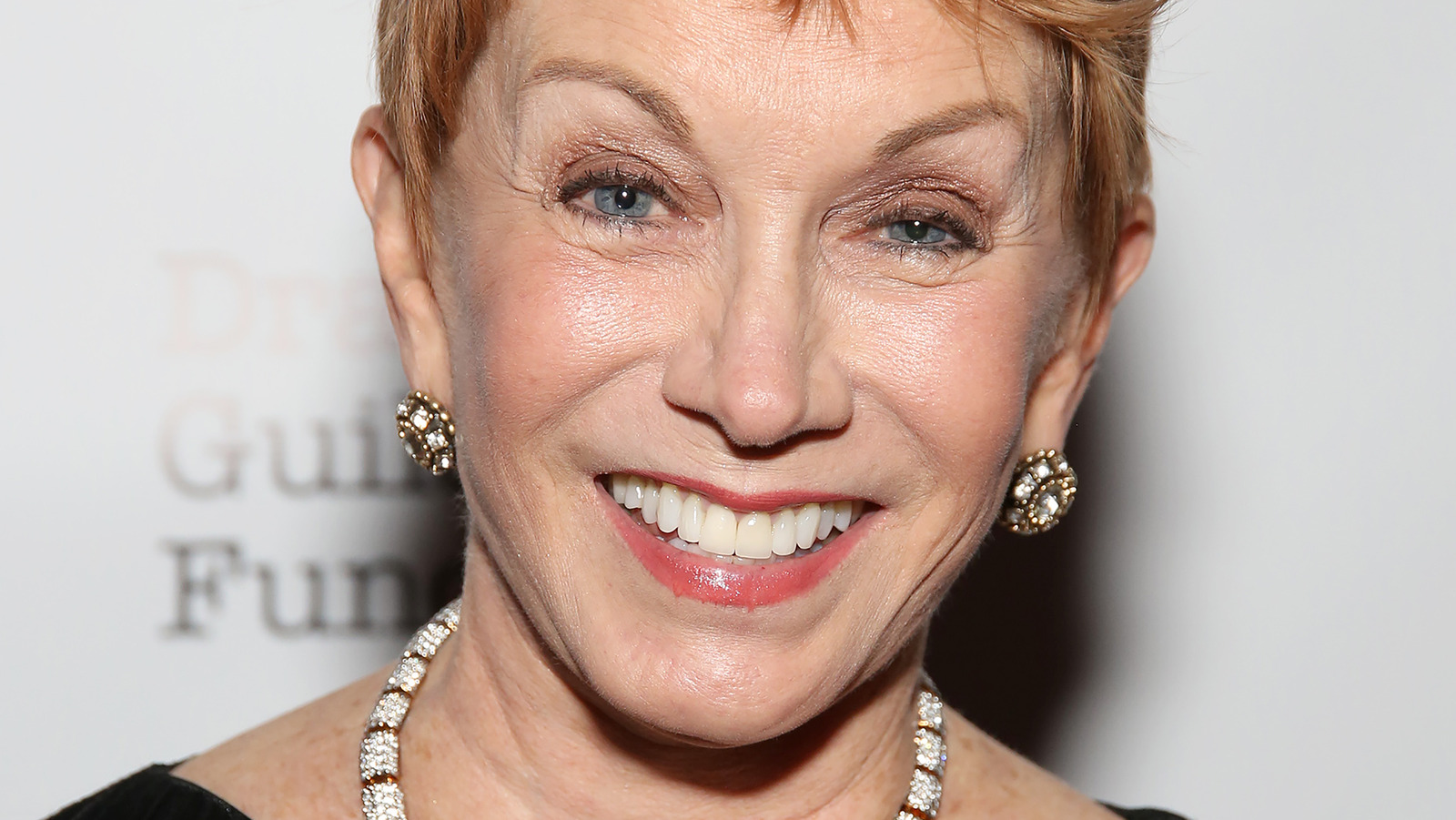
Why Sandy Duncan’s Movies and TV Shows Matter for Fans
Sandy Duncan’s filmography and television career represent a unique intersection of Broadway-caliber talent, mid-century wholesome charm, and remarkable personal resilience. For fans in 2026, her work serves as a masterclass in the "tr...
Sandy Duncan’s filmography and television career represent a unique intersection of Broadway-caliber talent, mid-century wholesome charm, and remarkable personal resilience. For fans in 2026, her work serves as a masterclass in the "triple-threat" performance style, bridging the gap between traditional Vaudeville-inspired energy and the modern multi-camera sitcom.
Contents
The Versatility of a Triple-Threat Performer
To understand why Sandy Duncan matters, one must first recognize the technical depth she brought to every role. Unlike many contemporary stars who specialize in a single medium, Duncan was a seasoned stage veteran before she became a household name on screen. This background in musical theater—requiring simultaneous excellence in acting, singing, and dancing—informed her television and film performances with a physicality that was rare among her peers.
In the early 1970s, Duncan was often compared to the likes of Mary Tyler Moore or a young Shirley MacLaine. However, her specific brand of "pixie-ish" energy was distinct. In films like The Million Dollar Duck (1971) and The Star Spangled Girl (1971), she displayed a comedic timing that relied as much on her expressive facial movements and athletic poise as it did on the script. For fans, these early works are not just nostalgic artifacts; they are evidence of a performer who could carry a high-concept Disney comedy or a Neil Simon adaptation with equal dexterity.
By 2026, the appreciation for these "physical comedians" has grown, as the industry has shifted more toward digital effects and less toward the raw, disciplined performance art Duncan specialized in. Her ability to command a frame without the need for rapid-fire editing remains a point of study for students of classical screen acting.
Resilience as a Narrative: The Turning Point of 1971
Perhaps the most significant reason fans remain devoted to Sandy Duncan is the narrative of her personal resilience, which became inextricably linked to her professional output. During the filming of her first major television vehicle, Funny Face, Duncan underwent surgery to remove a tumor behind her left eye. The surgery resulted in the permanent loss of vision in that eye.
At the time, the media and the public were captivated—and sometimes misinformed—by her condition. Persistent urban legends claimed she had a "glass eye," a rumor she frequently addressed with humor and grace. For fans, her return to work so shortly after a life-altering medical crisis was a testament to her professional dedication.
The significance of this event cannot be overstated:
- Breaking Stigmas: In an era where physical "perfection" was a rigid requirement for female leads, Duncan continued to headline major projects while being open about her partial blindness.
- Inspiration: She became a symbol for those overcoming physical disabilities, proving that sensory loss did not equate to a loss of talent or marketability.
- The "Sandy Duncan Show" Rebrand: When Funny Face returned as The Sandy Duncan Show in 1972, it signaled the network's and the audience’s unwavering support for her as an individual, rather than just a character.
The Peter Pan Legacy and Stage-to-Screen Impact
While Duncan has a prolific television resume, her portrayal of Peter Pan remains the definitive version for a specific generation of fans. Though it was a Broadway production (earning her a Tony nomination), its subsequent televised captures and the massive publicity surrounding it cemented her image as the eternal "boy who wouldn't grow up."
Fans value this role because it captured the pinnacle of her physical capabilities. Duncan’s Peter Pan was not merely a whimsical character; it was a rigorous athletic feat involving complex wire-flying sequences and intense choreography. In the history of the role—traditionally played by women—Duncan is often cited alongside Mary Martin as the most iconic. For modern viewers, looking back from 2026, her performance in Peter Pan serves as a reminder of a time when television specials brought high-brow theatrical culture into the average American living room, democratizing access to Broadway standards.
Sustaining a Legacy: The Hogan Family
In the late 1980s, Duncan achieved a rare feat in television history: successfully replacing the lead of a popular sitcom. Following the high-profile departure of Valerie Harper from the show Valerie, Duncan joined the cast in 1987. The show was rebranded as Valerie’s Family and eventually The Hogan Family.
This era matters to fans for several technical and emotional reasons:
- Stability and Grace: Entering a show under such tumultuous circumstances is a professional minefield. Duncan’s portrayal of Sandy Hogan provided a tonal shift toward a more lighthearted, maternal, yet independent figure that saved the series from cancellation.
- Longevity: She stayed with the show until its conclusion in 1991, proving her "staying power" in an industry that often discards actresses as they age.
- Ensemble Chemistry: Her ability to integrate with the existing cast—including a young Jason Bateman—showcased her skills as a collaborative performer who didn't need to outshine her costars to be effective.
Voice Work and the Disney Connection
Sandy Duncan’s voice is as recognizable to many fans as her face. Her contribution to animated classics, most notably as Vixey in Disney's The Fox and the Hound (1981), allowed her to reach a younger audience that might not have seen her sitcom work.
Voice acting requires a specific kind of emotive control, and Duncan’s performance as Vixey provided the necessary warmth and gentleness to balance the film’s more dramatic elements. For animation enthusiasts, her work represents the "Bronze Age" of Disney—a period of transition where the studio relied on seasoned live-action actors to bring depth to their characters before the "Disney Renaissance" of the 1990s.
Key Milestones in Sandy Duncan’s Career
The following table outlines the pivotal moments in her film and television career that continue to hold significance for historians and fans alike.
| Year | Project | Role | Significance |
|---|---|---|---|
| 1971 | The Million Dollar Duck | Katie Dooley | Established her as a Disney live-action leading lady. |
| 1971 | Funny Face | Sandy Stockton | Her first major TV lead; filmed during her health crisis. |
| 1977 | Roots | Anne Reynolds | Demonstrated her range in serious, historical drama. |
| 1978 | The Cat from Outer Space | Dr. Liz Bartlett | A cult classic that solidified her association with family sci-fi. |
| 1979 | Peter Pan (Broadway) | Peter Pan | Iconic role that defined her career's physical and musical peak. |
| 1981 | The Fox and the Hound | Vixey (Voice) | Iconic voice role in the Disney canon. |
| 1987-1991 | The Hogan Family | Sandy Hogan | Successfully anchored a major network sitcom for four seasons. |
Why Her Work Remains Relevant in 2026
In 2026, the landscape of entertainment is dominated by hyper-realistic CGI and often cynical storytelling. Sandy Duncan’s body of work offers a "sincere alternative." There is an earnestness in her performances that fans find comforting and restorative.
Furthermore, her career trajectory serves as an important historical record of how the industry evolved. From the variety show format of the early 70s to the socially conscious miniseries like Roots, and into the "golden age" of family sitcoms, Duncan was always present. She navigated these changes without losing her core identity as a performer.
For the modern fan, studying Sandy Duncan is also an exercise in appreciating the craft of the utility player. She could sing, dance, act in drama, excel in slapstick, and voice animation. In an era where specialization is the norm, her "everything-at-once" talent is a rare and valuable legacy.
Common Questions About Sandy Duncan’s Career
Did Sandy Duncan really have a glass eye?
No, she did not have a glass eye. This is one of the most persistent rumors in Hollywood history. While she lost the vision in her left eye due to a tumor behind the optic nerve in 1971, her actual eye remained intact. She often joked about the rumor, which likely contributed to its longevity, but she has clarified in numerous interviews that the eye is her own, it simply does not function.
What happened to the show "Valerie" when she joined?
When Sandy Duncan joined the cast of Valerie in 1987, the show underwent a significant transition. Following a legal and creative dispute between Valerie Harper and the producers, Harper's character was killed off-screen. Duncan was brought in as the boys' aunt, Sandy Hogan. The show was renamed Valerie's Family for one season and then The Hogan Family for the remainder of its run. Duncan is credited with providing the stability needed to keep the show on the air for several more years.
Has she won any major awards?
Sandy Duncan has been nominated for several prestigious awards, though she is often cited as a "perennial nominee" who deserved more wins. She received three Tony Award nominations (for Done It Again, The Boy Friend, and Peter Pan) and two Emmy Award nominations (for Funny Face and the miniseries Roots). Her work in Roots was particularly praised for showing her depth beyond musical comedy.
Is Sandy Duncan still performing?
As of the mid-2020s, Sandy Duncan has largely retired from consistent screen work but has made occasional appearances at theater events and retrospectives. Her legacy is maintained through digital streaming of her classic series and the continued popularity of her Disney films. She remains an active figure in the theatrical community, often supporting arts education.
Which of her movies is considered a "cult classic"?
The Cat from Outer Space (1978) is widely considered her most prominent cult classic. In the film, she plays a scientist who assists an alien cat. Its quirky, low-budget charm and Duncan's earnest performance have made it a favorite for fans of vintage Disney and 1970s family sci-fi.
Final Recommendation for Fans
For those looking to truly appreciate why Sandy Duncan matters, a chronological viewing of her work is recommended. Start with the 1979 televised clips of Peter Pan to see her technical prowess, followed by the first season of The Hogan Family to witness her ability to anchor a sitcom. Finally, her performance in the Roots miniseries is essential for understanding her dramatic range. Her career is a rare example of how a performer can maintain a "clean" image while possessing the grit and discipline of a world-class athlete.
Image Gallery