Where the Rothschild Mansion Is Located: A Global Location Guide to the Dynasty’s Landmark Estates
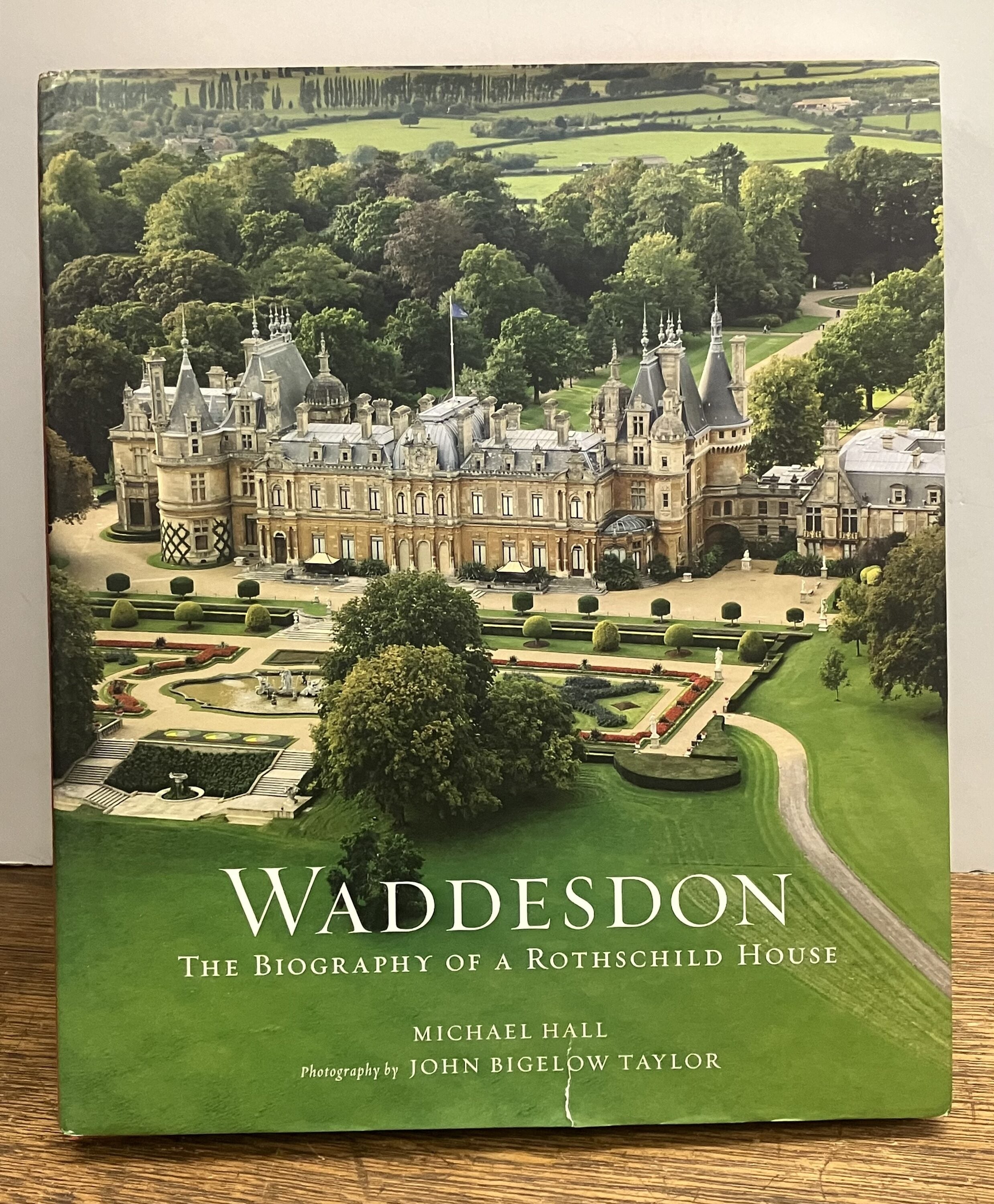
The most famous Rothschild mansion open to the public is Waddesdon Manor, located in Waddesdon, Buckinghamshire, England (HP18 0JH). However, because the Rothschild banking family constructed dozens of opulent mansions across Europe du...
The most famous Rothschild mansion open to the public is Waddesdon Manor, located in Waddesdon, Buckinghamshire, England (HP18 0JH). However, because the Rothschild banking family constructed dozens of opulent mansions across Europe during the 19th and 20th centuries, "the Rothschild mansion" often refers to Villa Ephrussi de Rothschild in Saint-Jean-Cap-Ferrat, France, or Château de Ferrières in Ferrières-en-Brie, France.
Contents
Understanding the Rothschild Architectural Legacy
The Rothschild family dominated international finance throughout the 19th century. As their wealth expanded across the five main European financial capitals—London, Paris, Frankfurt, Vienna, and Naples—family members commissioned expansive country estates, urban palaces, and coastal villas.
Because no single building carries the title of "the" Rothschild mansion, identifying a specific location depends on which branch of the family built the property and its historical or current public function. While several estates remain privately held by Rothschild descendants or commercial entities, several of the grandest properties are managed as public museums, cultural heritage sites, or academic institutions.
Primary Rothschild Mansions and Their Exact Locations
1. Waddesdon Manor (Buckinghamshire, England)
- Location: Waddesdon, Aylesbury, Buckinghamshire, HP18 0JH, United Kingdom
- Coordinates: 51.8411° N, 0.9255° W
- Built By: Baron Ferdinand de Rothschild (1874–1889)
- Current Status: Owned by the National Trust; managed by the Rothschild Foundation; open to the public.
Waddesdon Manor is the premier English estate associated with the family. Constructed in the Neo-Renaissance style inspired by French châteaux of the Loire Valley, the manor was designed by French architect Gabriel-Hippolyte Destailleur. Baron Ferdinand intended Waddesdon to serve as a weekend getaway from London to display his world-class collection of 18th-century French decorative arts, Savonnerie carpets, Sèvres porcelain, and Old Master paintings.
In 1957, the estate was bequeathed to the National Trust, ensuring its long-term preservation. Today, visitors can tour the house, explore the Victorian gardens, and view the collection, which remains managed by the family’s charitable trust.
2. Villa Ephrussi de Rothschild (Saint-Jean-Cap-Ferrat, France)
- Location: 1 Avenue Ephrussi de Rothschild, 06230 Saint-Jean-Cap-Ferrat, France
- Coordinates: 43.6969° N, 7.3289° E
- Built By: Baroness Béatrice de Rothschild (1905–1912)
- Current Status: Owned by the Académie des Beaux-Arts; open to the public as a museum and garden.
Located on the French Riviera between Nice and Monaco, Villa Ephrussi de Rothschild (also known as Villa Île-de-France) occupies a prominent hilltop crest on the Cap Ferrat peninsula. Designed by architect Aaron Messiah, the Italian Renaissance-style pink palace overlooks the Mediterranean Sea.
Baroness Béatrice de Rothschild filled the mansion with rare porcelain, antique furniture, and fine art. The estate is equally famous for its nine themed gardens: French, Spanish, Florentine, Stone, Japanese, Exotic, Rose, Provençal, and Sevres. Following her death in 1934, the estate was bequeathed to the Académie des Beaux-Arts, which continues to operate the property for public visitors year-round.
3. Château de Ferrières (Ferrières-en-Brie, France)
- Location: Rue du Château, 77164 Ferrières-en-Brie, Seine-et-Marne, France
- Coordinates: 48.8222° N, 2.7119° E
- Built By: Baron James Mayer de Rothschild (1855–1859)
- Current Status: Privately leased; functions as an educational institution (École Ferrières) and private event space.
Situated approximately 26 kilometers east of Paris, Château de Ferrières is considered one of the largest and most luxurious 19th-century châteaux in France. Baron James Mayer de Rothschild hired Joseph Paxton—designer of London’s Crystal Palace—to construct a massive estate capable of hosting royalty and foreign dignitaries.
The château features Italianate architecture, massive square corner towers, and lavish interior saloons decorated by Eugène Lami. In 1975, the family donated the château to the University of Paris. Today, the estate houses an elite hospitality and gastronomy school, with select grand rooms reserved for private dining, weddings, and corporate events.
4. Mentmore Towers (Buckinghamshire, England)
- Location: Mentmore, Leighton Buzzard, Buckinghamshire, LU7 0QG, United Kingdom
- Coordinates: 51.8687° N, 0.6908° W
- Built By: Baron Mayer Amschel de Rothschild (1850–1855)
- Current Status: Privately owned; closed to the public.
Mentmore Towers was commissioned by Baron Mayer Amschel de Rothschild and designed by Joseph Paxton and George Henry Stokes. Built in the Jacobethan style, the mansion served as a major repository for fine art and silver.
The estate remained in the Rosebery branch of the family until 1977, when its contents were sold at auction. The mansion has changed private hands several times in recent decades and remains inaccessible to the public, undergoing ongoing historic conservation efforts.
5. Ascott House (Buckinghamshire, England)
- Location: Wing, Leighton Buzzard, Buckinghamshire, LU7 0PR, United Kingdom
- Coordinates: 51.8906° N, 0.7208° W
- Built/Expanded By: Leopold de Rothschild (1874 onward)
- Current Status: Owned by the National Trust; managed by the Rothschild family; open seasonally.
Originally a 16th-century farmhouse, Ascott House was purchased by Leopold de Rothschild in 1873 and expanded into a half-timbered Jacobean-style country residence. Located just a short distance from Mentmore Towers, Ascott features a collection of Asian ceramics, fine paintings by Thomas Gainsborough and George Stubbs, and extensive landscaped gardens.
6. Château de Pregny / Villa Rothschild (Geneva, Switzerland)
- Location: Route de Pregny 47, 1292 Pregny-Chambésy, Switzerland
- Coordinates: 46.2343° N, 6.1417° E
- Built By: Baron Adolphe Carl von Rothschild (1858–1860)
- Current Status: Privately owned; landmark estate overlooking Lake Geneva.
Located in the canton of Geneva, Château de Pregny was designed by French architect George Hiau for the Swiss/Austrian branch of the family. Perched on a hill overlooking Lake Geneva and Mont Blanc, the property is renowned for its glasshouses and rare botanical gardens.
Summary of Major Rothschild Properties Worldwide
| Property Name | Location / Region | Primary Builder | Current Public Access | Key Architectural Style |
|---|---|---|---|---|
| Waddesdon Manor | Waddesdon, Buckinghamshire, UK | Baron Ferdinand de Rothschild | Open to Public (National Trust) | Neo-Renaissance / French Chateau |
| Villa Ephrussi de Rothschild | Saint-Jean-Cap-Ferrat, France | Baroness Béatrice de Rothschild | Open to Public (Museum) | Italian Renaissance / Mediterranean |
| Château de Ferrières | Ferrières-en-Brie, France | Baron James Mayer de Rothschild | Restricted / Private Events & Hospitality School | Italianate / Neo-Renaissance |
| Ascott House | Wing, Buckinghamshire, UK | Leopold de Rothschild | Open Seasonally (National Trust) | Tudor / Half-Timbered Jacobean |
| Mentmore Towers | Mentmore, Buckinghamshire, UK | Baron Mayer Amschel de Rothschild | Closed to Public (Private) | Jacobethan |
| Gunnersbury Park | Ealing/Hounslow, London, UK | Nathan Mayer Rothschild | Open to Public (Local Museum) | Regency / Georgian Country House |
| Château de Pregny | Pregny-Chambésy, Switzerland | Baron Adolphe Carl von Rothschild | Private Residence | French Neo-Classical |
| Villa Rothschild Königstein | Königstein im Taunus, Germany | Baroness Wilhelm Carl von Rothschild | Open to Public (Luxury Hotel) | 19th-Century Villa |
How to Visit the Main Rothschild Mansions
For travelers planning visits to the primary public Rothschild properties, each location operates under specific admission and booking protocols.
Public Access Protocol (Waddesdon & Villa Ephrussi)
- Verify Operating Calendar (Seasonal variation applies)
- Reserve Timed-Entry Tickets Online (Recommended for grounds & main house)
- Confirm Transport Route (Train/Shuttle or Driving/Parking)
- Review On-Site Accessibility & Security Guidelines
Visiting Waddesdon Manor (United Kingdom)
- Travel Options:
- Train: Take the Chiltern Railways line from London Marylebone to Aylesbury Vale Parkway or Aylesbury station. Local taxis or bus routes connect to Waddesdon village.
- Driving: Located off the A41 between Aylesbury and Bicester. Parking is available on-site with shuttle buses running from the visitor car park to the Manor.
- Ticketing Requirements: Advance booking is recommended, particularly during peak autumn and Christmas seasons. Tickets can be purchased separately for Grounds-only access or House & Grounds entry via the Waddesdon Manor official portal.
- Accessibility: Shuttle buses are equipped for wheelchair users, and mobile mobility equipment can be reserved prior to arrival.
Visiting Villa Ephrussi de Rothschild (France)
- Travel Options:
- By Bus: Take Bus Line 15 from Nice city center directly to the "Passable / Villa Ephrussi" stop.
- By Train: Take the regional TER train to the Beaulieu-sur-Mer station, followed by a 15-minute walk or short taxi ride to Cap Ferrat.
- Driving: Accessible via the Lower Corniche (M6098) from Nice or Monaco. Limited on-site parking is available.
- Ticketing Requirements: Tickets can be purchased online or at the entrance. Discounted entry passes are often combined with nearby historical sites, such as the Villa Kerylos in Beaulieu-sur-Mer. Admission details can be confirmed through the official Villa Ephrussi site.
Architectural Significance and Legacy
The architectural term "Goût Rothschild" (Rothschild Style) was coined in the late 19th century to describe the distinctive interior design and architectural aesthetic preferred by the family.
Key characteristics of these mansions include:
- Eclectic Revivalism: Combining Renaissance, Baroque, and Louis XV architectural elements into grand facades.
- Monumental Grand Staircases: Designed as central focal points for hosting receptions and displaying sculpture.
- Integrated Technological Innovations: The Rothschild estates were early adopters of modern infrastructure, incorporating hot-water central heating, electric lighting, hydraulic lifts, and modern sanitation systems during the 1850s–1880s.
- Landscape Integration: Expansive parterres, glasshouses, and aviaries integrated into the natural topography to create seamless transitions between indoors and outdoors.
Frequently Asked Questions
Which Rothschild mansion is the most famous?
Waddesdon Manor in Buckinghamshire, England, and Villa Ephrussi de Rothschild on the French Riviera are the two most famous and widely visited Rothschild mansions in the world.
Can you stay overnight in a Rothschild mansion?
Yes. Villa Rothschild Königstein near Frankfurt, Germany—originally built for Baroness Wilhelm Carl von Rothschild—operates as a luxury boutique hotel. Additionally, specific guest cottages on the grounds of Waddesdon Manor (such as The Five Arrows Hotel) offer guest accommodations.
Who owns the Rothschild mansions today?
Ownership varies by estate. Waddesdon Manor and Ascott House belong to the National Trust in the UK, while Villa Ephrussi de Rothschild belongs to the French Académie des Beaux-Arts. Others, such as Château de Ferrières and Mentmore Towers, are owned by private educational institutions or real estate holding companies.
Are there any Rothschild mansions in North America?
While the primary historic family mansions were built in Europe, individual family members acquired properties in North America during the 20th century. However, none match the 19th-century scale of European properties like Waddesdon Manor or Château de Ferrières.
Recommended Next Steps for Visitors
- Confirm Opening Schedules: Public access to historical estates varies by season. Waddesdon Manor traditionally operates fully from spring through winter, while grounds remain open on revised schedules during winter maintenance.
- Pre-Book Entry Passes: For peak travel periods, reserve timed-entry passes online through official trust and museum portals to ensure entry into house interiors.
- Review Transport Routes: Verify local public transport schedules, particularly when traveling from London to Buckinghamshire or from Nice to Saint-Jean-Cap-Ferrat.
Image Gallery